

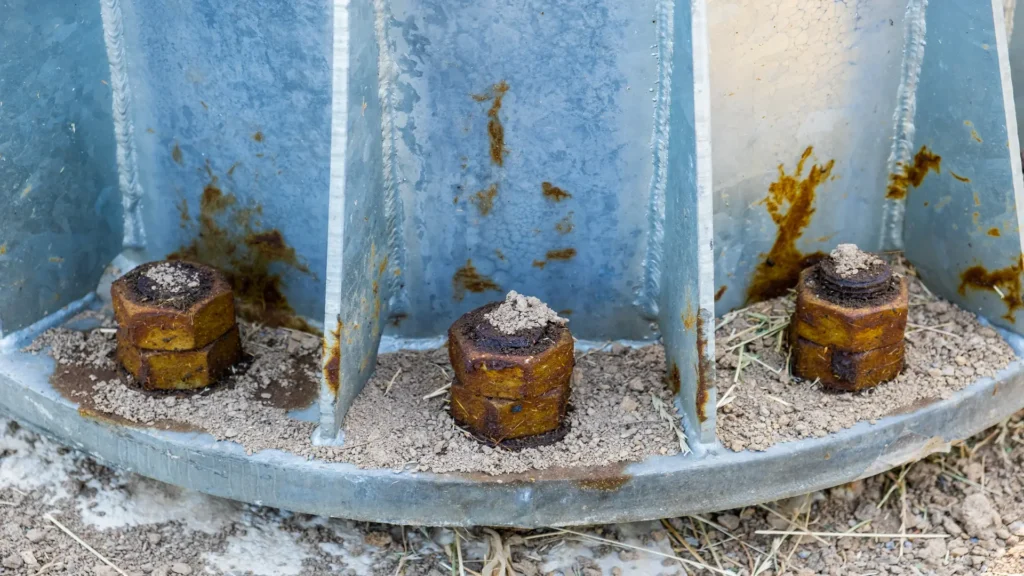
Crevice corrosion: Mechanisms, risks, and prevention
Crevice corrosion is an electrochemical mechanism of localized corrosion that compromises structural integrity.
Crevice corrosion is an electrochemical mechanism of localized corrosion that compromises structural integrity.
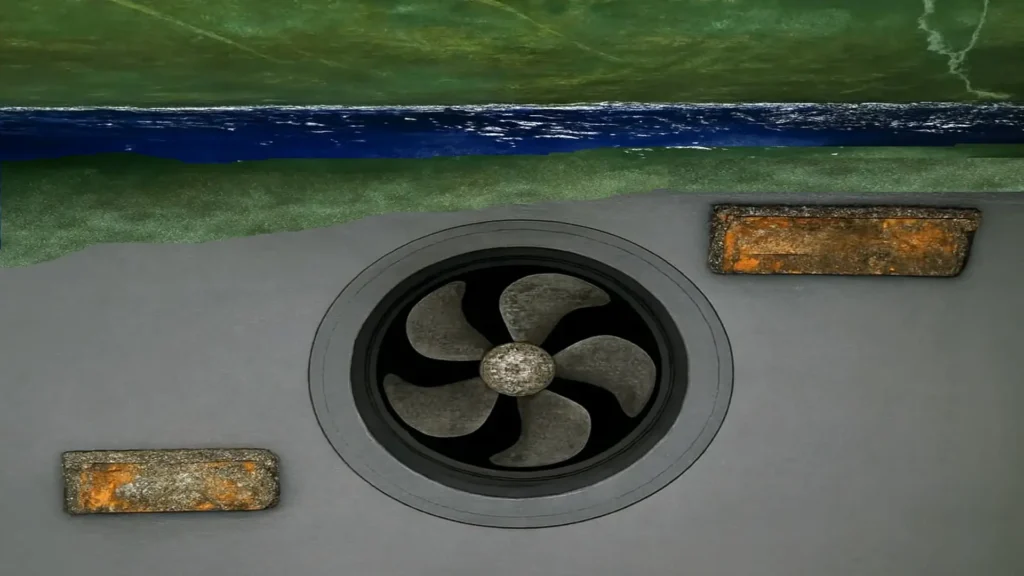
Sacrificial anode control in marine infrastructure ensures effective cathodic protection, structural integrity, and extended service life in seawater environments.
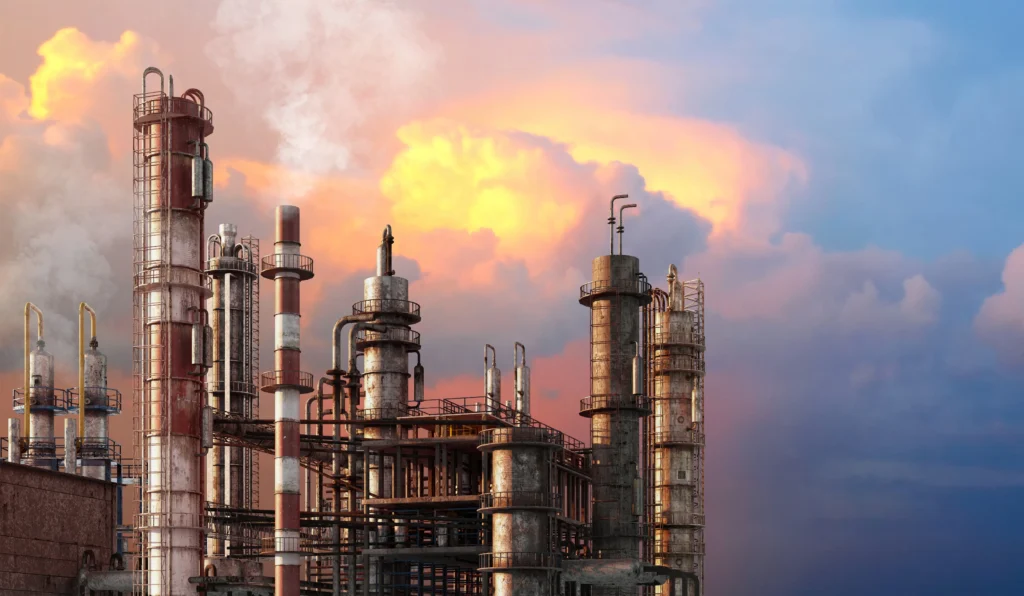
Fractional distillation requires advanced control to operate efficiently and stably in refineries.
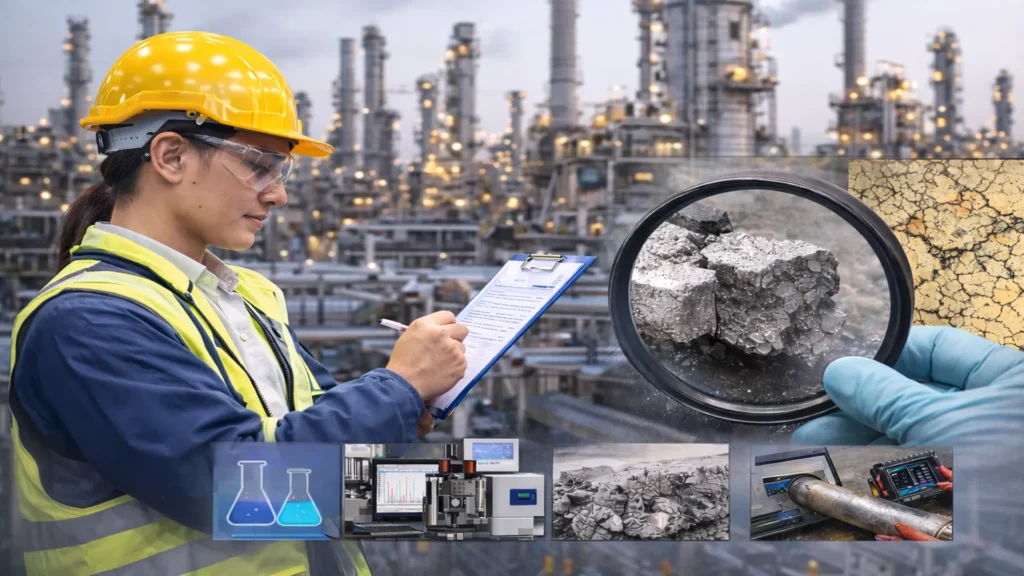
Failure analysis on metallic materials is a technical process that combines corrosion, fractography, metallography, and root cause diagnosis to identify the origin and progression of failures, enhancing the reliability and safety of industrial assets.
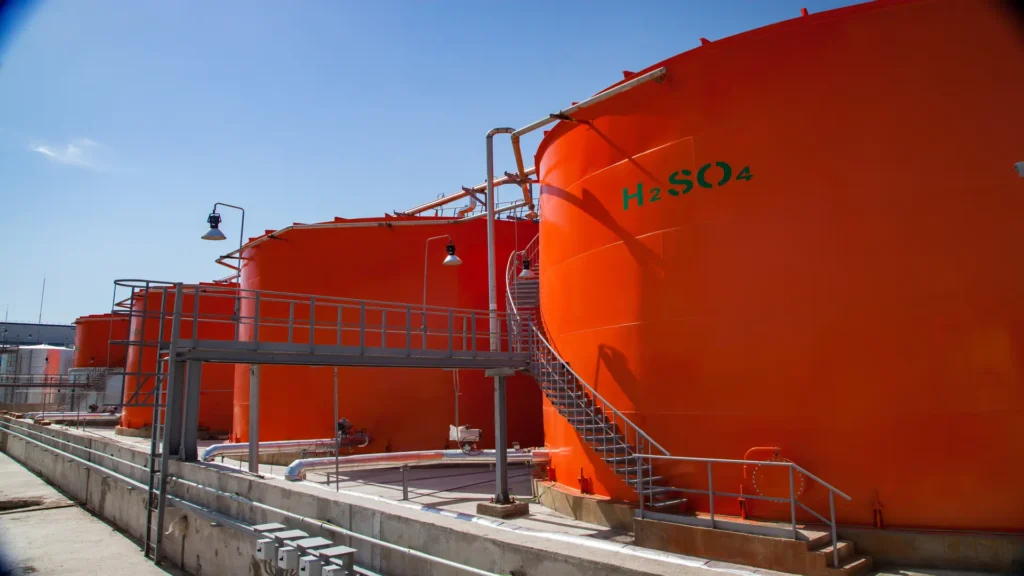
Against the limits of traditional methods, advanced cathodic protection with VCI represents an efficient solution for aggressive subway environments in the petrochemical industry.
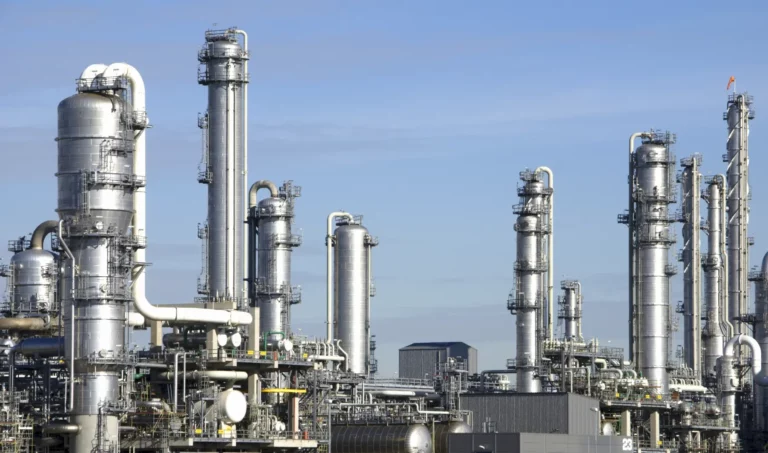
Atmospheric distillation is the most prevalent and dominant unit operation in chemical industries requiring distillation of large volumes of fluids.
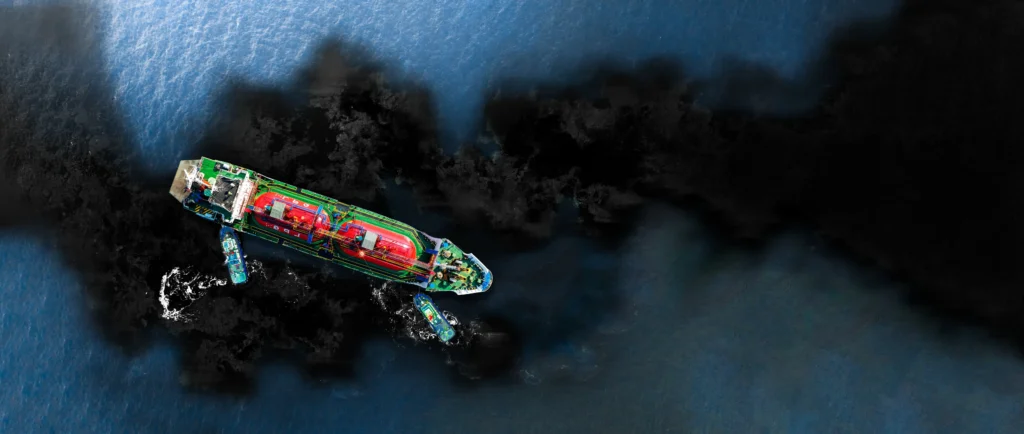
Spills continue to affect maritime safety and coastal ecosystems, requiring robust industrial preparedness and international technical cooperation to reduce operational impacts.
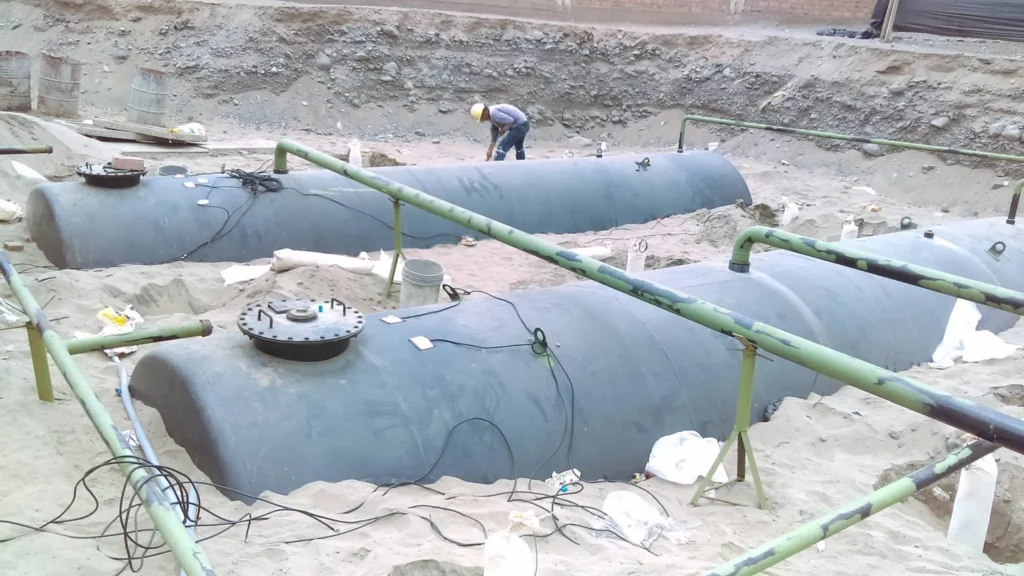
Pulsed Current Cathodic Protection (PCCP) offers superior corrosion control in buried pipelines over traditional methods.
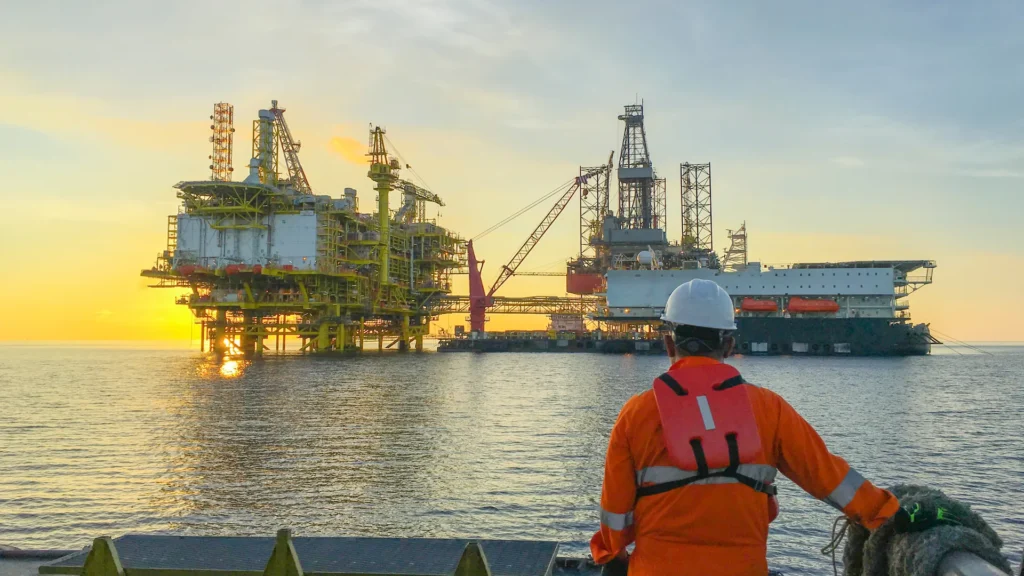
A vision of the role of engineering and human talent in the safe and efficient operation of offshore platforms.
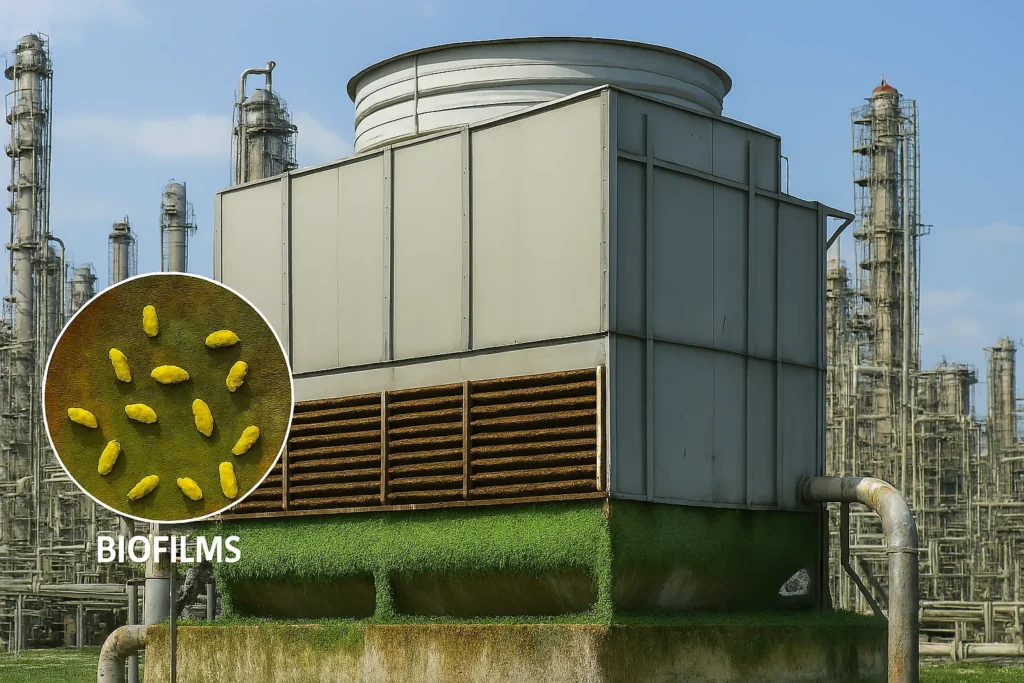
The combination of pH variations, dissolved gases, and microbiological activity in cooling systems generates corrosion and deposits that affect mechanical integrity and thermal efficiency.
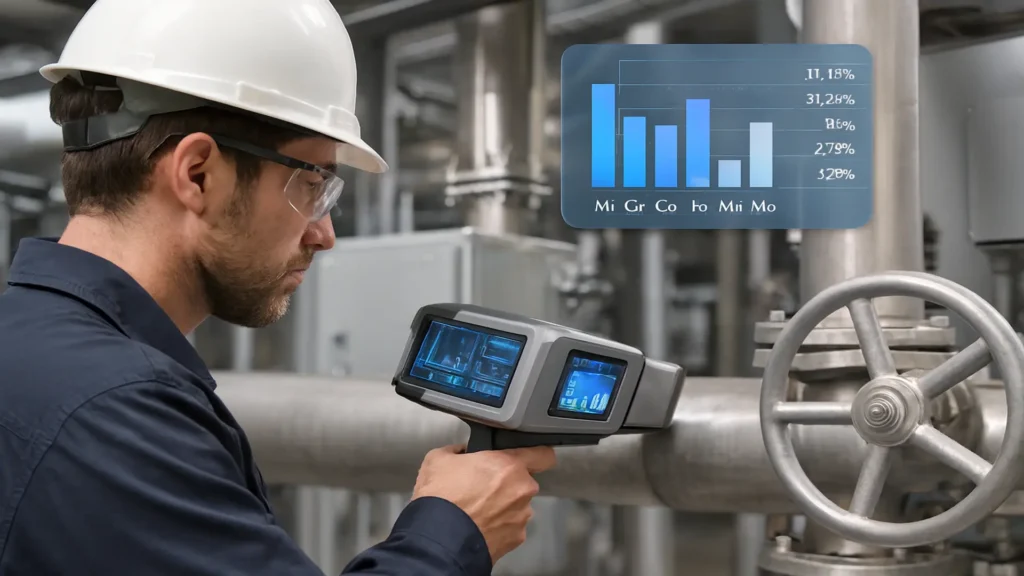
API 578 establishes a standardized framework for positive material identification (PMI) in the process and petroleum industries.

Una vista a los compuestos y tecnologías que prolongan la vida útil de estructuras expuestas a ambientes marinos agresivos.