
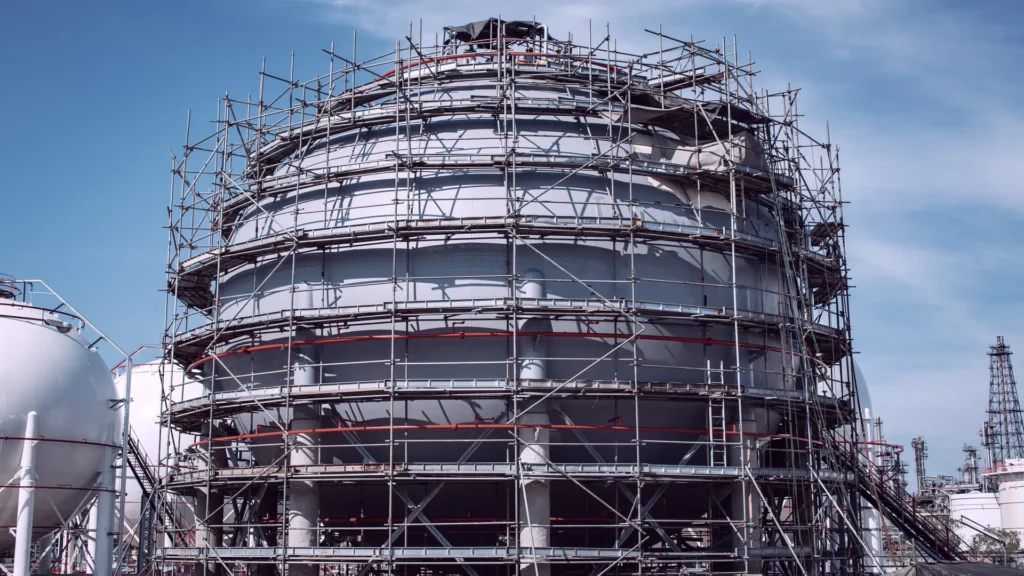
LPG Spheres: Detection of corrosion under fireproofing in columns
LPG spheres need constant inspection to prevent corrosion in columns, ensure safety, and extend their service life.
LPG spheres need constant inspection to prevent corrosion in columns, ensure safety, and extend their service life.
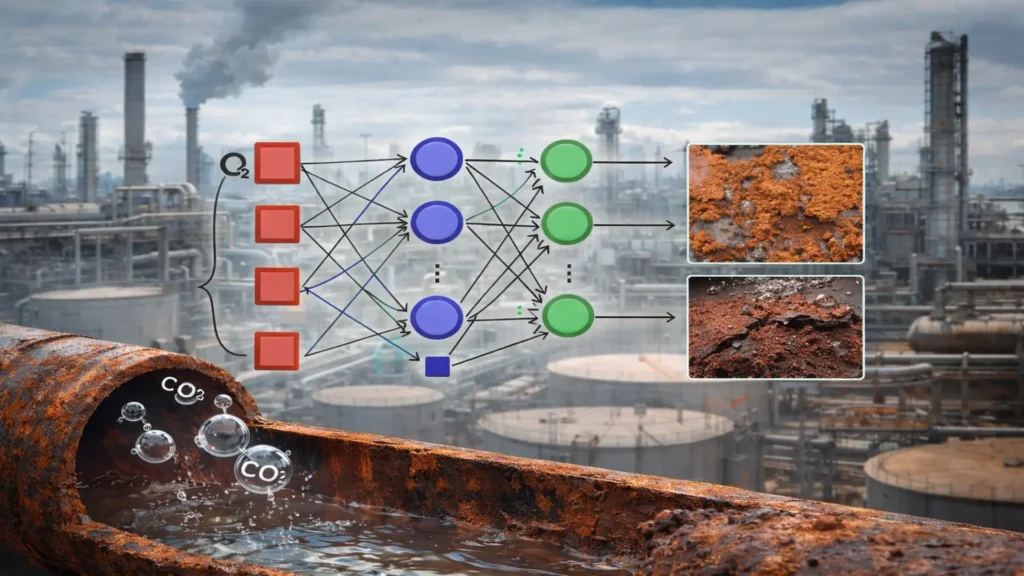
Artificial Neural Networks help detect corrosion patterns and enhance preventive measures in natural gas facilities.
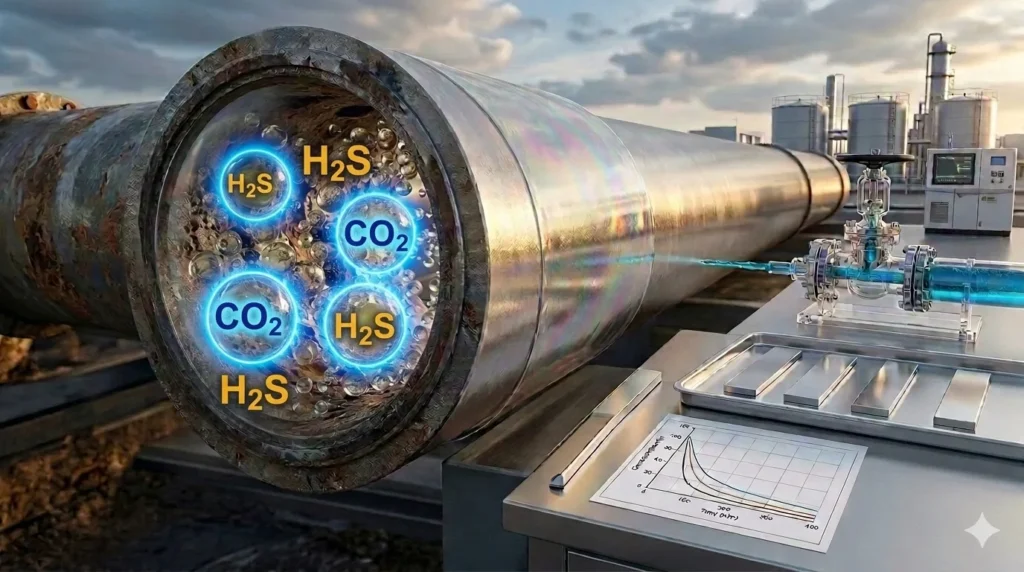
New Advances in Understanding the Mechanism of H₂S/CO₂ Corrosion.
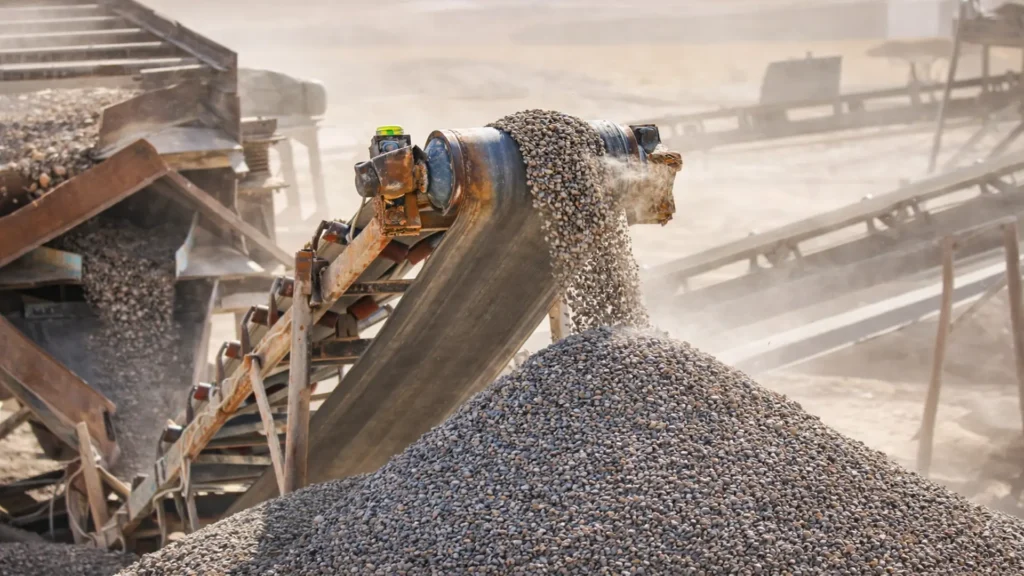
Corrosion in mining is a critical challenge that affects the reliability of equipment and slurry pipelines. Understanding its mechanisms and implementing technical solutions is key to operational integrity.
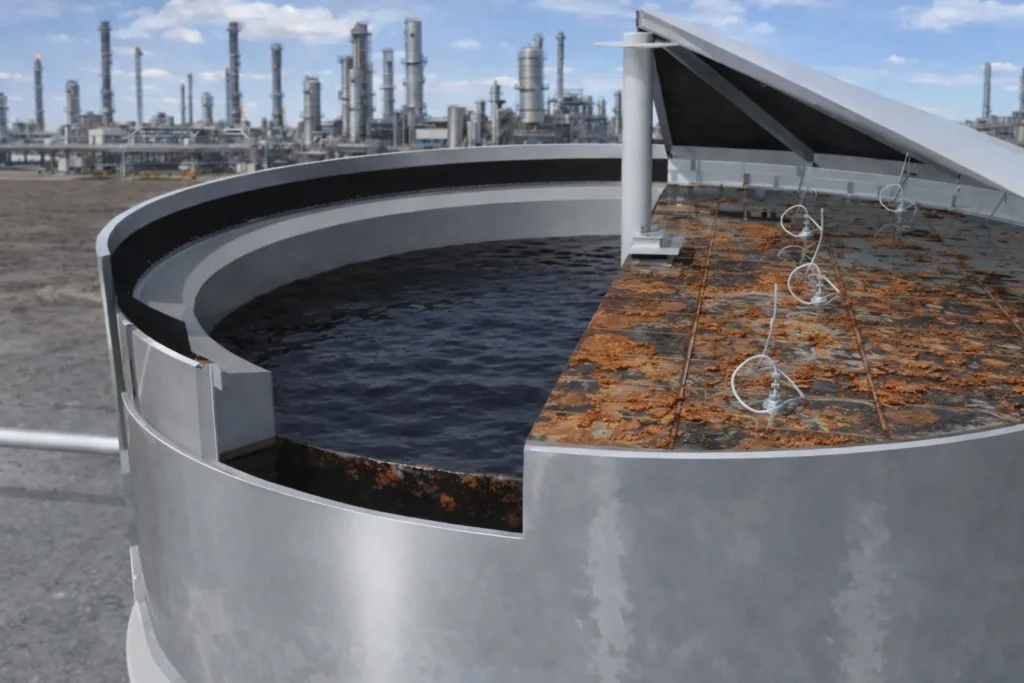
Corrosion in internal floating roofs: Predictive monitoring helps anticipate damage, optimize maintenance, and extend service life.

Using predictive models, organizations are moving toward proactive maintenance that ensures structural integrity and process continuity.

Biofouling control technology has evolved toward advanced coatings that combine hydrodynamic efficiency, surface protection, and sustainability.

The anchor profile in coatings determines the adhesion and durability of anticorrosive systems by defining the microgeometry where the coating mechanically bonds to the steel surface.
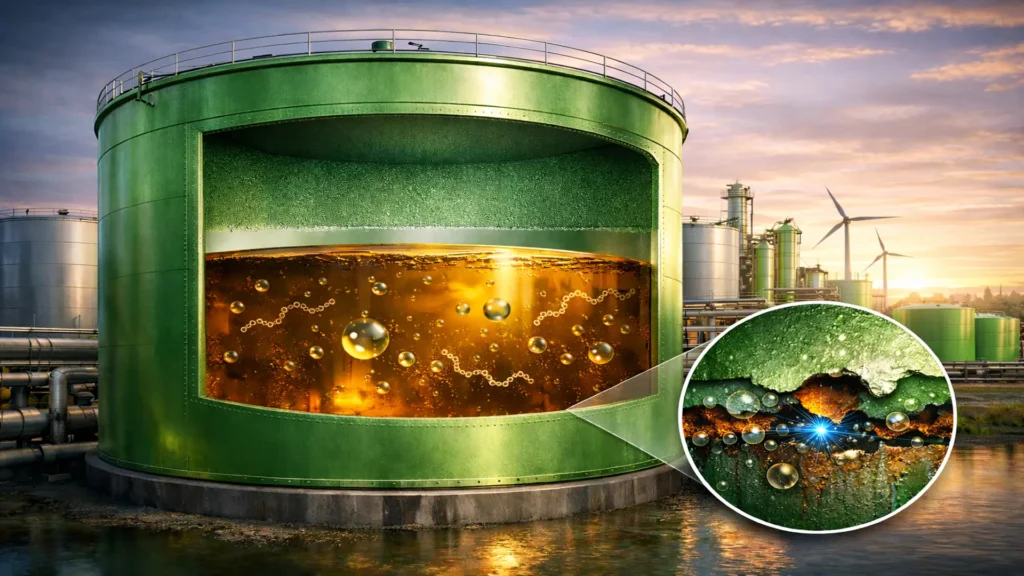
Anti-corrosion coatings in biofuels must withstand complex chemical environments to prevent polymer degradation and loss of structural integrity.
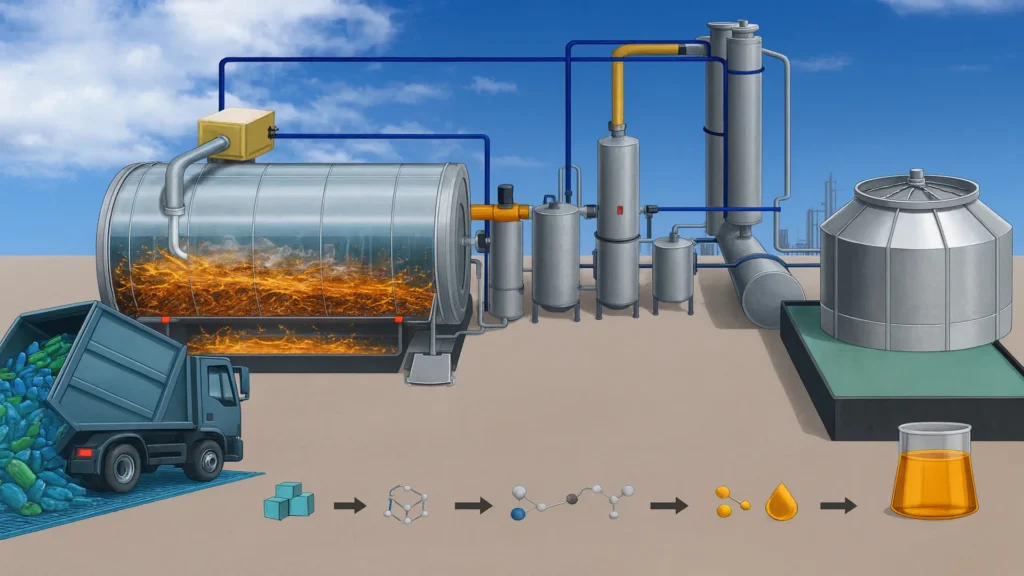
Within the framework of the circular economy, advanced chemical recycling transforms plastics through pyrolysis and depolymerization, recovering value, optimizing efficiency, and preserving the environment.
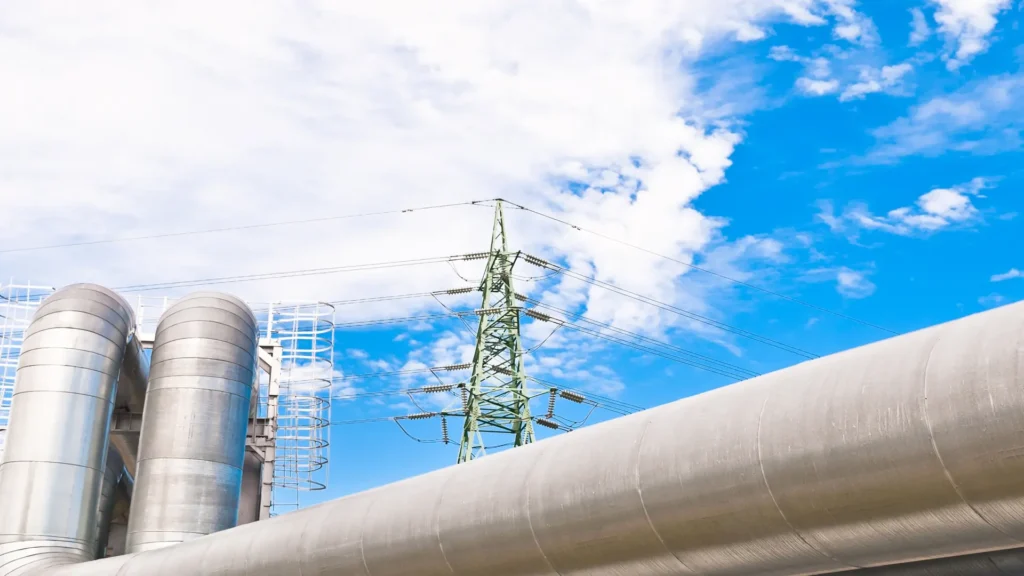
Galvanic isolation can mitigate stray current corrosion, preventing electrical failures and ensuring the infrastructure's service life.
Deep waste conversion increases the recovery of higher-value fractions and reduces coke generation.