

FEED and project management: Where EPCm adds value
EPCm and FEED are key to the success of industrial projects. Learn how high-value engineering improves costs, timelines, and execution from the earliest stages.
EPCm and FEED are key to the success of industrial projects. Learn how high-value engineering improves costs, timelines, and execution from the earliest stages.

Multidisciplinary engineering in renewable energy is key to the success of projects. Learn how FEL, FEED, and the integration of disciplines determine their feasibility, costs, and implementation.
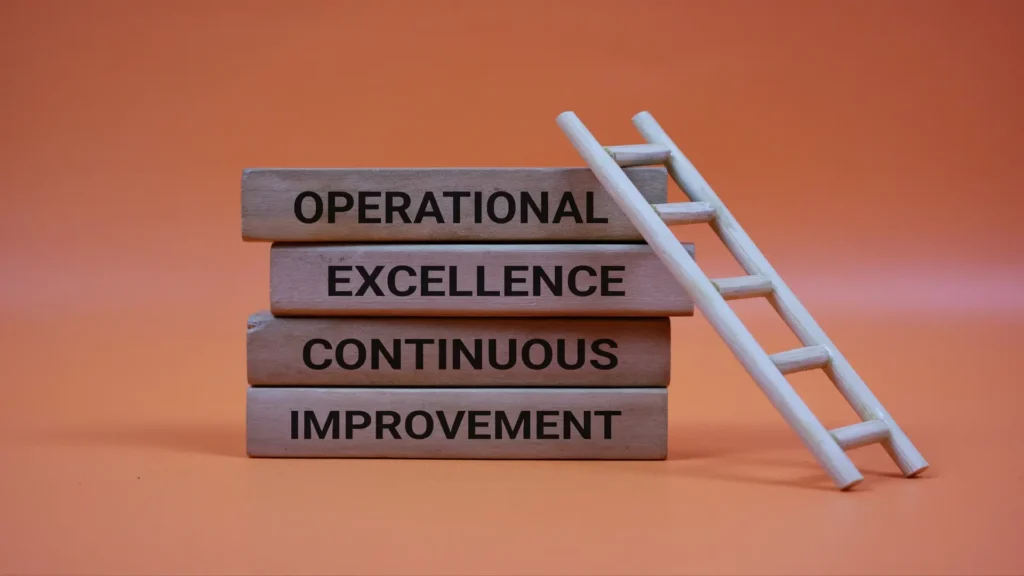
A culture of excellence in industry goes beyond compliance: it integrates continuous improvement, operational leadership, and quality management into daily work to achieve sustainable results.

Operational efficiency is a key factor for business competitiveness. This article analyzes how to measure it, which indicators to use, and the role that processes, technology, and people play in optimizing organizational performance.

Turn process mapping and workflow analysis into decisions that improve margin, cash flow, and sustainable financial value, without shifting costs to the system.

Hybrid project management allows for a balance between technical certainty and progressive learning, avoiding operational rigidity and loss of control in EPC projects.

A look from the real-life experience of those who have lived through all the technological transformations.

Leadership training and the development of social-emotional skills foster innovation and build resilient teams in digital environments.

This article analyzes the most common barriers and success factors when integrating methodologies such as TPM, RCM, and asset management, showing how to convert the mix of approaches into a coherent, reliable maintenance system that is aligned with the business.
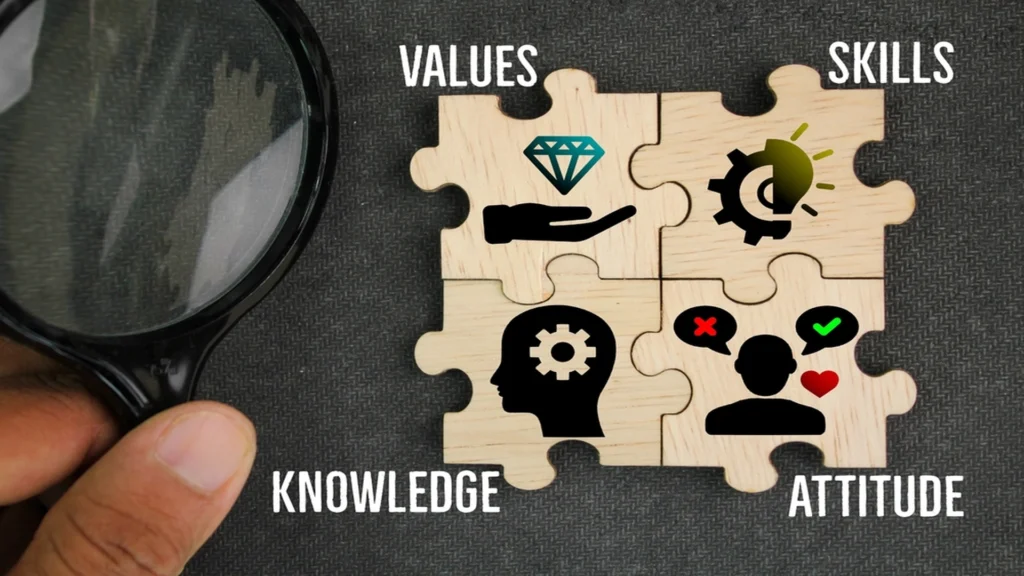
Lessons learned transform experience into practices that reduce risks, optimize processes, and enhance organizational safety and performance.
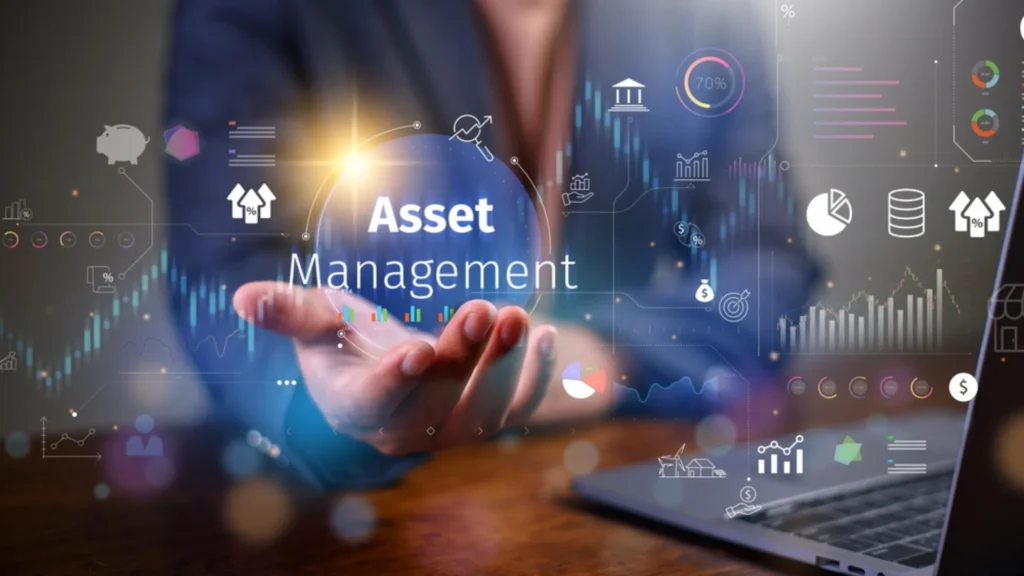
Physical asset management drives competitiveness by integrating maintenance, strategy, lifecycle, risks, and performance to maximize business value.
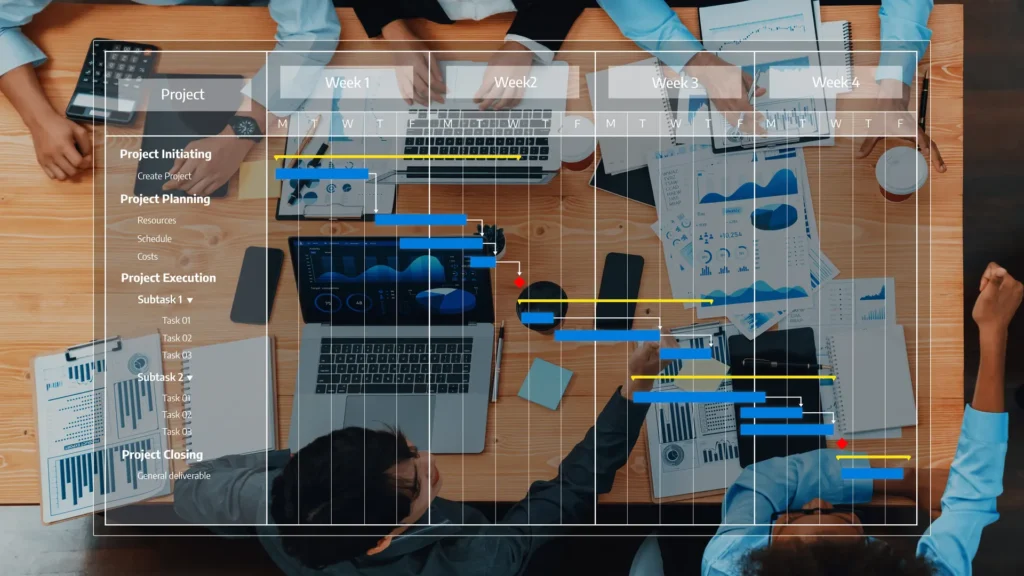
Discover what innovation project management, Design Thinking, and Scrum are all about.