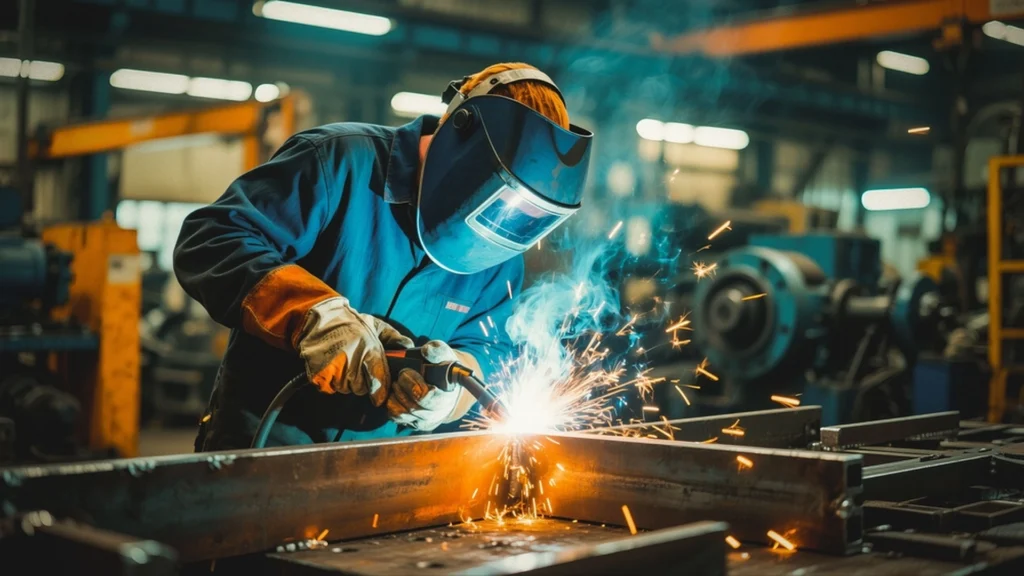
Welding positions: Standards and best practices
Welding positions determine the orientation of the joint and influence the behavior of the molten metal and the weld bead.
Welding positions determine the orientation of the joint and influence the behavior of the molten metal and the weld bead.
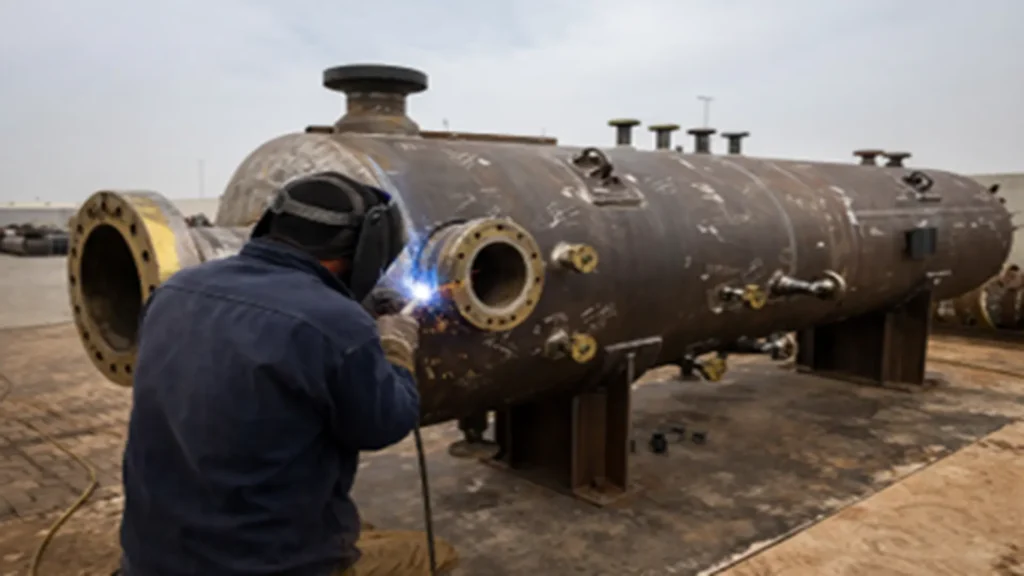
ASME Section IX governs welding in pressure vessels, ensuring technical qualification, document traceability, and BPVC compliance during industrial fabrication.
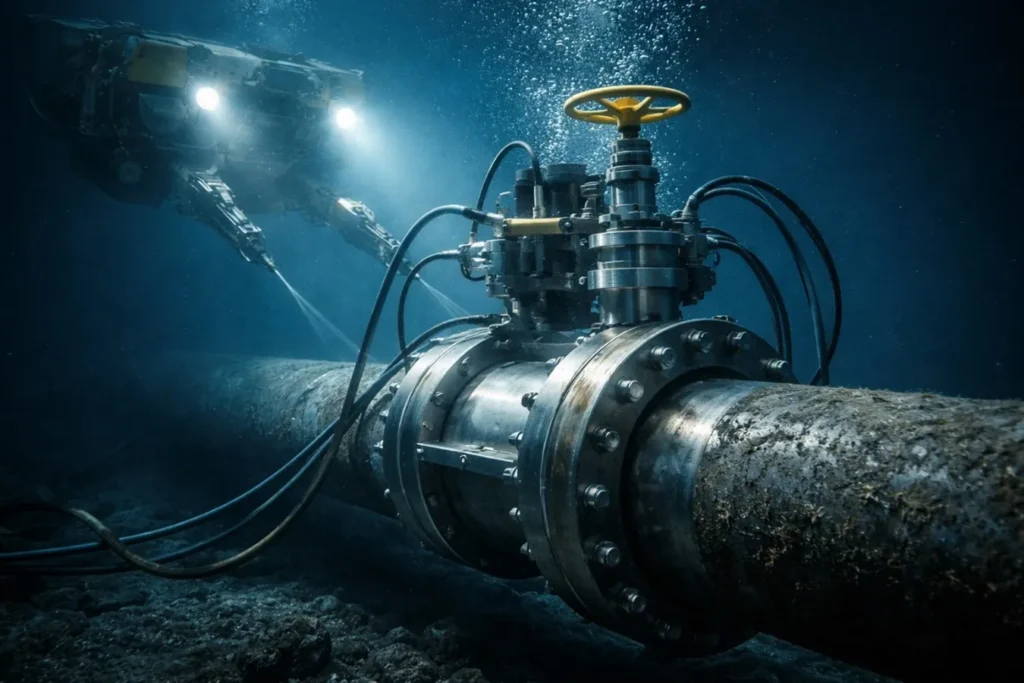
Underwater hot tapping is a strategic solution for working on pressurized pipes in offshore environments without stopping operations and with high risk control.
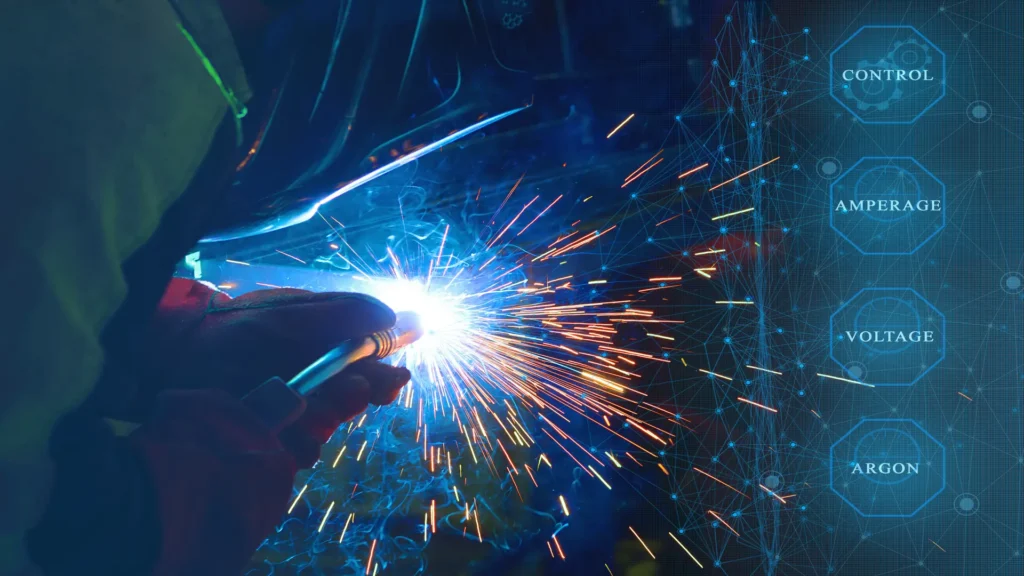
Pipeline welding combines technology, control, and precision to ensure industrial integrity and reliability.
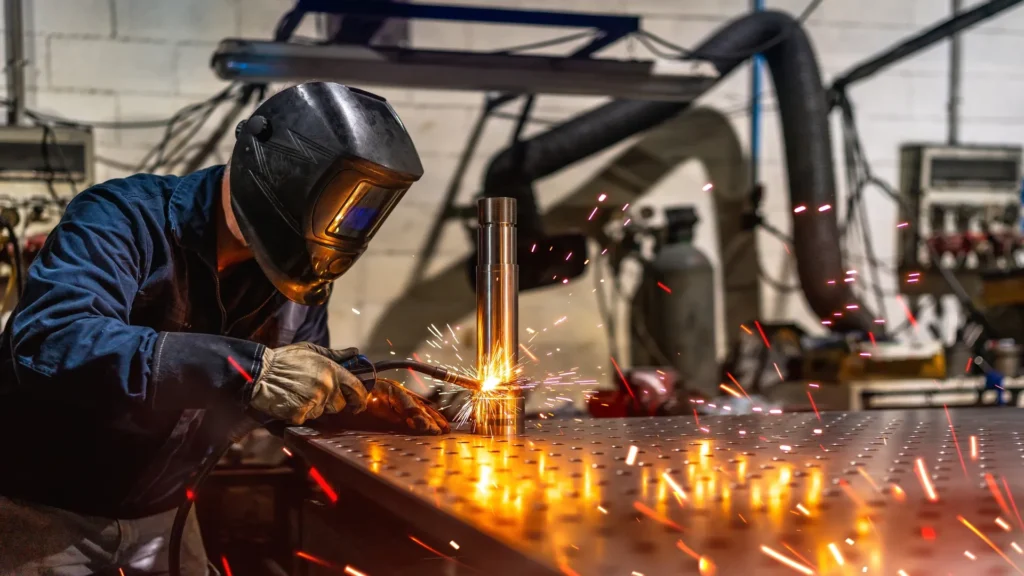
Cadmium coating on welds enhances corrosion resistance through precise application, surface preparation and post-process inspection in critical industries.
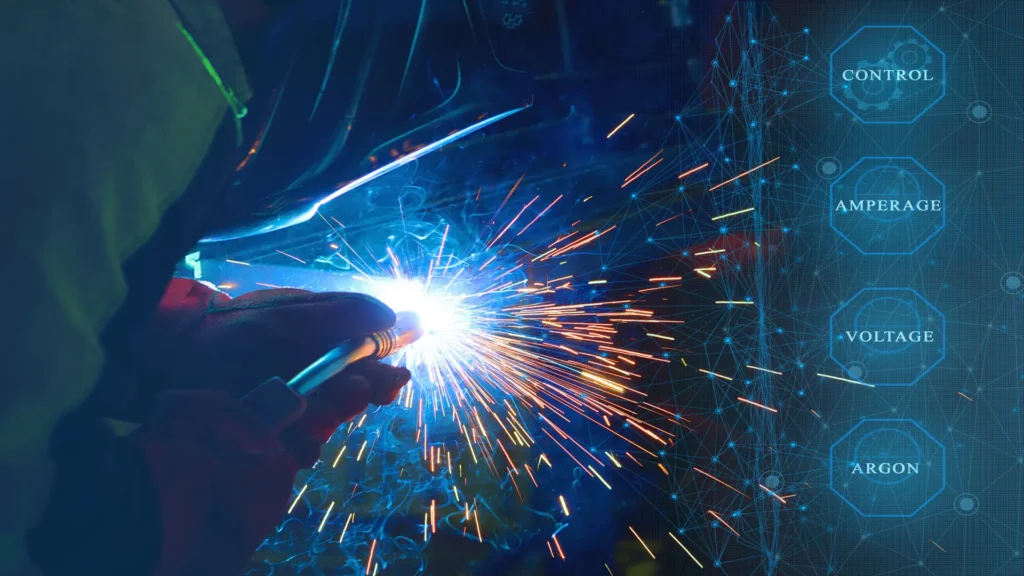
Industrial welding integrates various types of welding, combining classical processes and advanced technologies such as AI, cobots and simulation to maximize accuracy, traceability and efficiency.
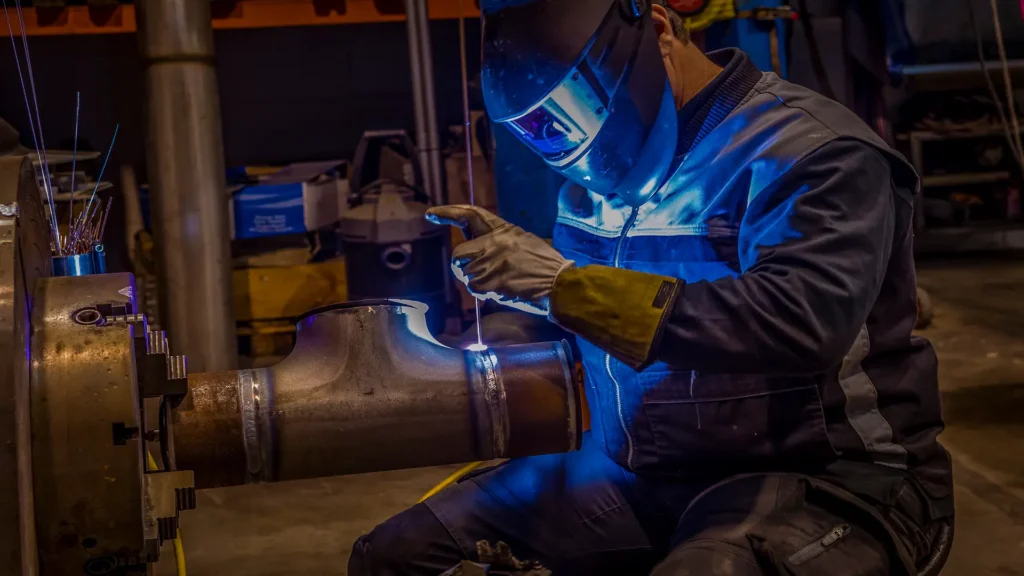
TIG, orbital, submarine and nuclear welders stand out for advanced certifications, technical proficiency and regulatory compliance in strategic sectors.
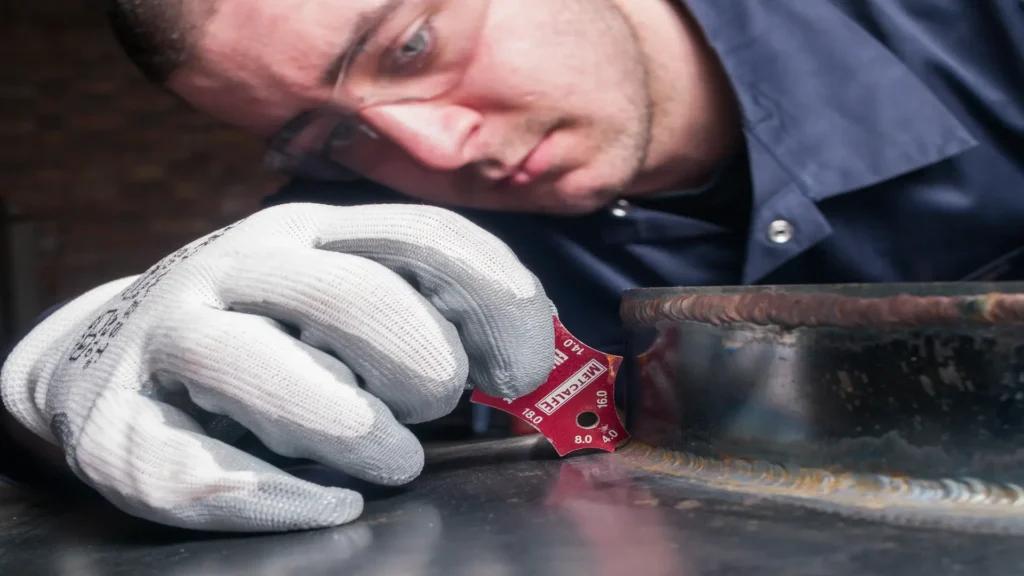
The structural integrity of industrial projects depends on avoiding welding defects; inspection being fundamental to prevent premature failures and ensure quality.

Analyzing the importance of precision welding in semiconductors to ensure reliability, conductivity and thermal stability.
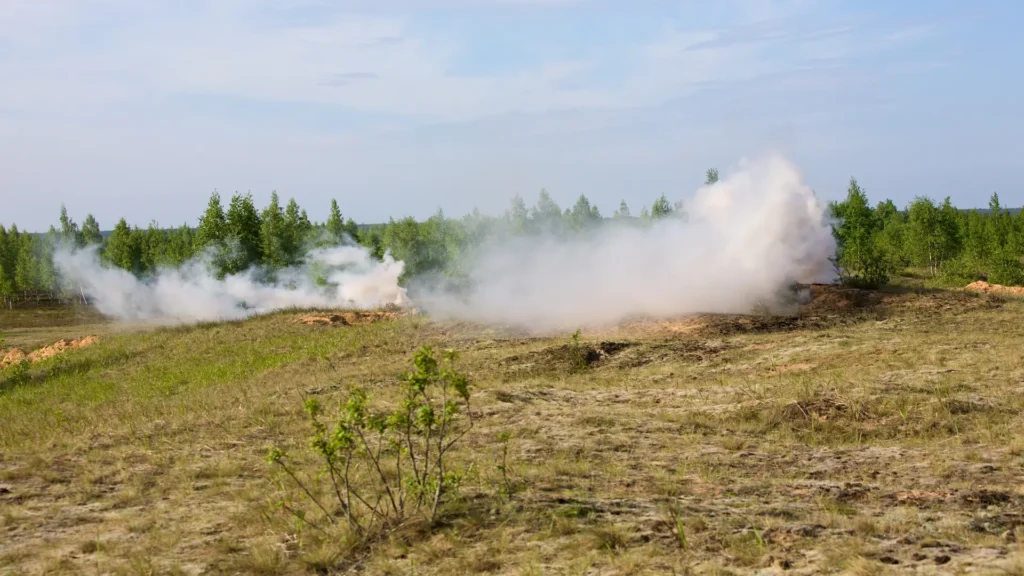
Reliable and efficient technology for joining dissimilar metals using explosion welding in industrial cladding.