
The three major electricity distributors in New South Wales, Ausgrid, Endeavour Energy and Essential Energy, have jointly submitted the Distribution System Plan(DSP).
This pioneering strategy in Australia sets out a unified roadmap for the smart management of existing grid infrastructure, seeking to optimize the state’s energy transition to a cleaner and more equitable future.
Presentation of the Distribution System Plan
The core of the DSP lies in making the most of the “missing middle space“: the distribution network. Ausgrid’s Tim Jarratt mentions that smarter utilization of existing assets could unlock significant value.
Independent models confirm that New South Wales is positioned to generate between $2 billion and $4.3 billion in economic value by maximizing available grid capacity and integrating distributed generation.
This proactive approach also provides a two- to five-year window in the transition timeline, ensuring a more orderly and resilient changeover while critical electricity transmission infrastructure is being developed.
The strategy focuses on the integration of Consumer Energy Resources(CER), which includes rooftop solar, rooftop solar, rooftop solar, rooftop solar, rooftop solar, rooftop solar, rooftop solar, rooftop solar, and rooftop solar. rooftop solar energyrooftop solar, battery battery storage and the growing fleet of electric vehicles.
Endeavour Energy’s Colin Crisafulli points out that the grid is becoming a dynamic and flexible platform with the ability to coordinate these customer resources in real time. Such active management is key because it reduces pressure on the power system and accelerates the integration of clean energy.
At the same time, grid optimization has a direct impact on cost planning and sustainable mobility. The integration of storage into the distribution network and the efficient coordination of customer resources could postpone costly infrastructure upgrades for up to fifteen years.
The DSP addresses the social and equity component of decarbonization. Annie Pearson of Essential Energy emphasizes the need to accelerate reforms to ensure that the benefits and costs of the transition are shared fairly across all communities in New South Wales.
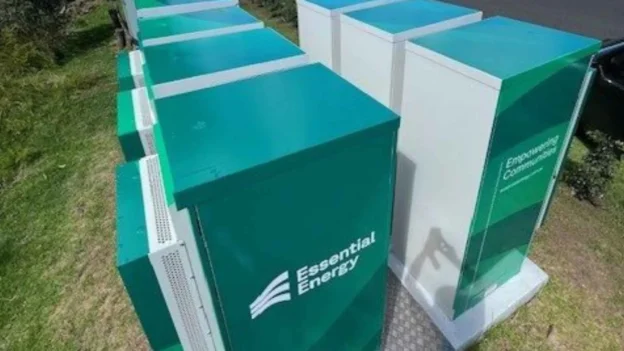
This involves prioritizing communities’ decisions about their energy resources, as well as defining the role of shared infrastructures, such as community batteries, to build a cleaner and fairer energy system for all citizens.
Source and photo: Essential Energy