EPBC approval: Significant progress ahead of FID
On April 1, 2026, the proposed liquefied natural gas (LNG) terminal by Viva Energy at the Geelong refinery pier received formal approval under the Federal Environment Protection and Biodiversity Conservation (EPBC) Act, thereby completing the dual regulatory process initiated with the Victorian Government’s positive assessment of the Environmental Impact Statement in May 2025.
The Environment Minister’s approval recognizes that the project may proceed, subject to conditions, with acceptable environmental effects, after extensive independent studies demonstrated that terminal operations will not adversely affect the marine environment of Corio Bay or the Ramsar Convention–listed wetlands adjacent to the site.
The company estimates that construction could commence in the second half of 2026, with the bulk of works during 2027 and commissioning before the projected structural gas shortfalls for Victoria materialize from 2028.
FSRU and 7 km pipeline: the project’s technical architecture
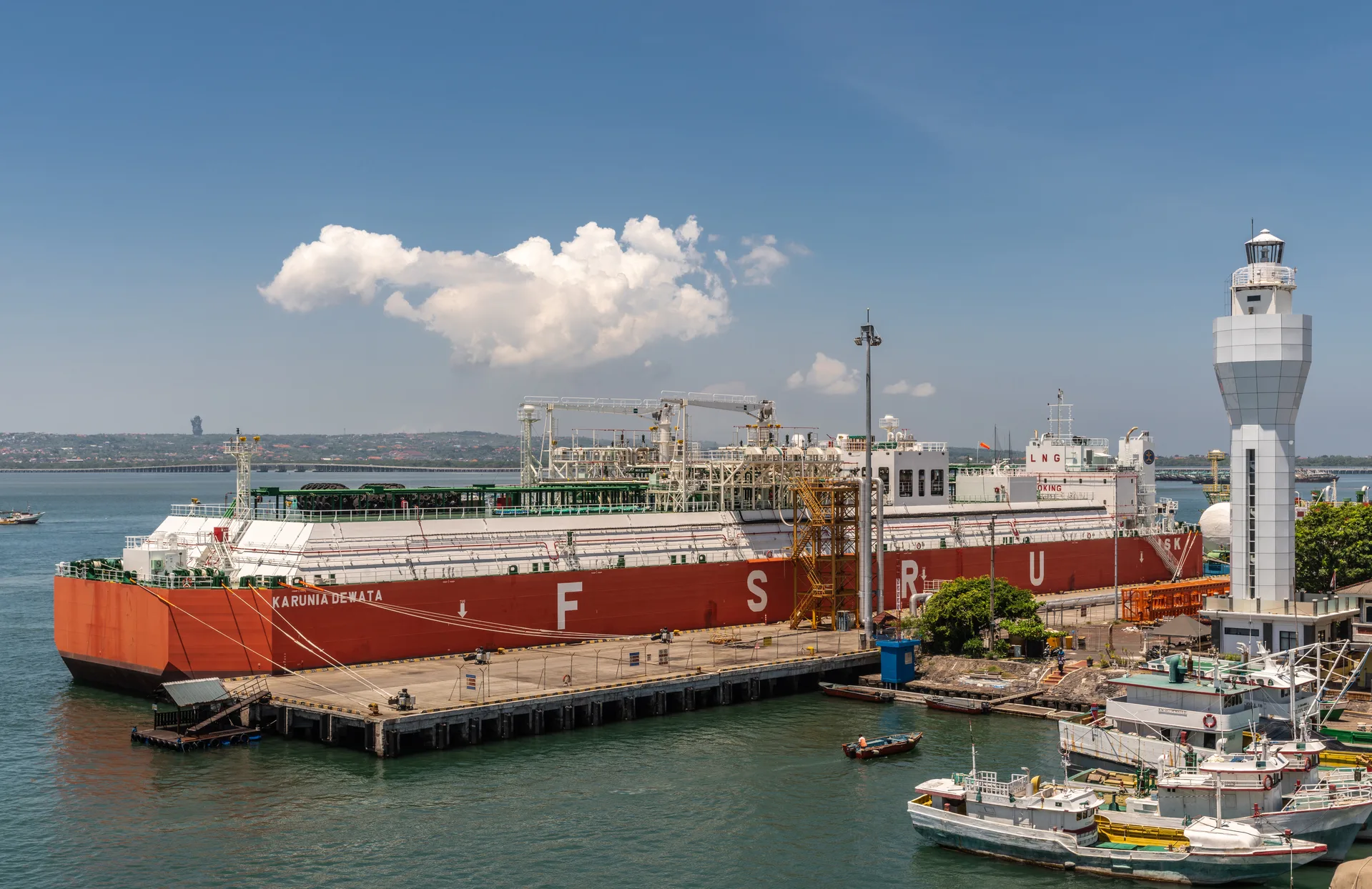
The project’s core infrastructure is a Floating Storage and Regasification Unit (FSRU, by its English acronym) that will remain continuously moored at a new jetty built as an extension of Geelong’s existing Refinery Pier.
LNG carriers will berth periodically to transfer LNG to the FSRU, which will store and regasify it on demand.
The berth design also requires localized dredging to create the new jetty and a manoeuvring basin for LNG carriers, with the dredged sediments deposited in the designated Point Wilson area.
This solution—leveraging pre-existing port and industrial infrastructure in Geelong—is precisely what positions this project as the most advanced option with the least regulatory friction in southeast Australia.
750 TJ/day: peak capacity and firming role for renewables
The terminal is sized to supply more than 120 petajoules (PJ) of natural gas per year, with a peak supply capacity of up to 750 terajoules per day (TJ/day) to meet both baseload demand and Victoria’s and southeast Australia’s seasonal peaks.
Beyond replacing declining conventional gas, the terminal is designed to play an active role as firming capacity for Victoria’s power system: as coal-fired plants progressively close, gas-fired combined-cycle generation will need a flexible, scalable supply source to back up the intermittency of grid-connected renewables.
The flexibility to scale supply during periods of peak demand, both thermal and electrical, is the operational advantage that sets an FSRU apart from traditional pipeline infrastructure alternatives.
Viva Energy Hub: refinery, green H₂, and regional energy security
The LNG terminal is the largest component of the so-called Viva Energy Hub, the strategic industrial cluster the company is building around its Geelong refinery.
The Hub integrates the refinery—which supplies more than 50% of Victoria’s liquid fuel needs—strategic fuel storage, a green hydrogen refuelling station, plans to coprocess low-carbon liquid fuels, and circular economy projects for recycling plastics and tyres.
From a regional energy security perspective, the terminal operates as a “virtual pipeline” capable of importing LNG both from offshore Australian fields and from international spot markets, connecting to the southeast Australian interconnected transmission network.
Source: https://www.vivaenergy.com.au/
Photo: Shutterstock