
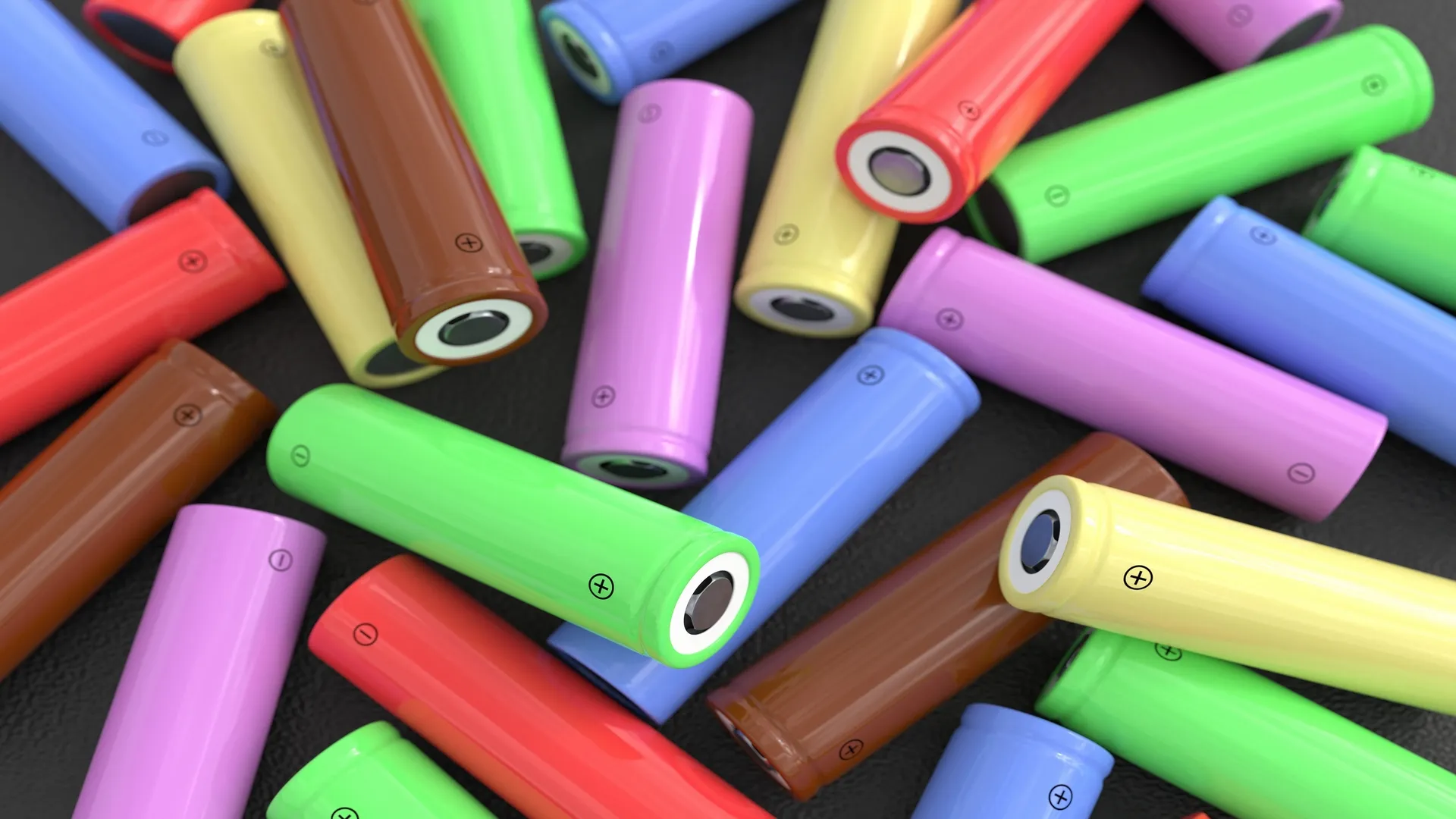
Inlyte Energy and NTS Colocation AG have sealed a strategic partnership to deploy energy storage systems based on iron-sodium batteries in Switzerland, bringing a sustainable shift to one of the most electricity-intensive sectors.
Data centers in the energy spotlight
The boom in technologies such as artificial intelligence and cloud computing has driven up data centers’ energy consumption, and the sector’s electricity demand is estimated to more than double by 2026. This is putting pressure on operators to adopt more resilient, cleaner solutions aligned with European regulations, such as the new EED 2024/1791 directive, which requires transparency in the use of fossil fuels.
In Switzerland, where available land is limited and permitting is strict, safe and efficient energy alternatives become essential. This is where iron-sodium batteries are emerging as a viable solution.
Project details
The collaboration between Inlyte and NTS begins with a 600 kWh pilot installation at NTS’s data center in Bern, scheduled to come online by the end of 2026. This site will be used as a testbed to validate battery performance in a real-world environment, assessing its integration with the existing electrical infrastructure.
If the initial phase is successful, both companies aim to scale total capacity to 2 megawatts (MW) by 2028, including deployment in future data centers such as the new project NTS is developing in the Bern region.
Why iron-sodium batteries?
Conventional solutions such as lithium-ion batteries or diesel generators pose safety risks, noise, emissions, and regulatory challenges; by contrast, Inlyte’s iron-sodium batteries eliminate fire risk, require less maintenance, and do not rely on scarce or costly materials.
In addition, they offer three key benefits in a single solution:
- Daily energy load leveling.
- Flexible backup capacity for more than 24 hours.
- High-performance uninterruptible power supply (UPS) system.
These features make them a suitable alternative for critical facilities such as data centers, where stability and operational continuity are top priorities.
Strategic implications for Switzerland and Europe
NTS operates high-performance data centers in Bern and Zurich, all powered by 100% renewable energy, and integrates heat recovery systems and solar power. Adding iron-sodium batteries complements its energy strategy, increasing flexibility and responsiveness to demand.
“We are building a diversified energy architecture that goes beyond traditional systems,” said Niklaus Hug, CEO of NTS. “Iron-sodium storage represents a promising missing layer.”
We are building a diversified energy architecture that goes beyond traditional uninterruptible power supply (UPS) systems and diesel generators. […] This pilot will allow us to evaluate its performance under real-world conditions.
Niklaus Hug, CEO of NTS.
Data centers are becoming one of the most critical infrastructures in the global economy and require high-performance energy storage solutions that are inherently safe and designed to last for decades. […] We are excited to partner with NTS to demonstrate how safe, long-duration batteries can strengthen the flexibility and resilience of mission-critical facilities.
Antonio Baclig, CEO of Inlyte Energy.
Future projection
Both companies’ roadmap includes expanding the use of this technology across NTS’s entire portfolio. In addition, its potential to be replicated in other markets is emerging, given its technical, regulatory, and environmental advantages.
With this partnership, Inlyte and NTS are kicking off a tangible energy transition within the data center sector, where energy storage is not only an operational necessity but also a strategic decision.
Source: Inlyte Energy via PR Newswire