
News
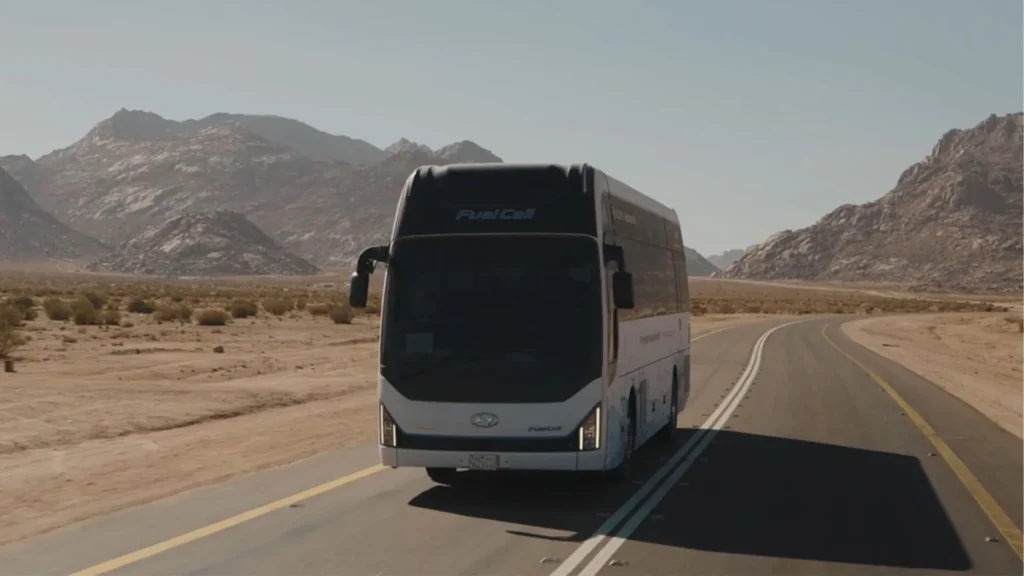
Hyundai tests its hydrogen bus in extreme conditions in Trojena
The Hyundai bus operated in Trojena, reaching altitudes of up to 2080 meters and gradients of 24%.
The Hyundai bus operated in Trojena, reaching altitudes of up to 2080 meters and gradients of 24%.
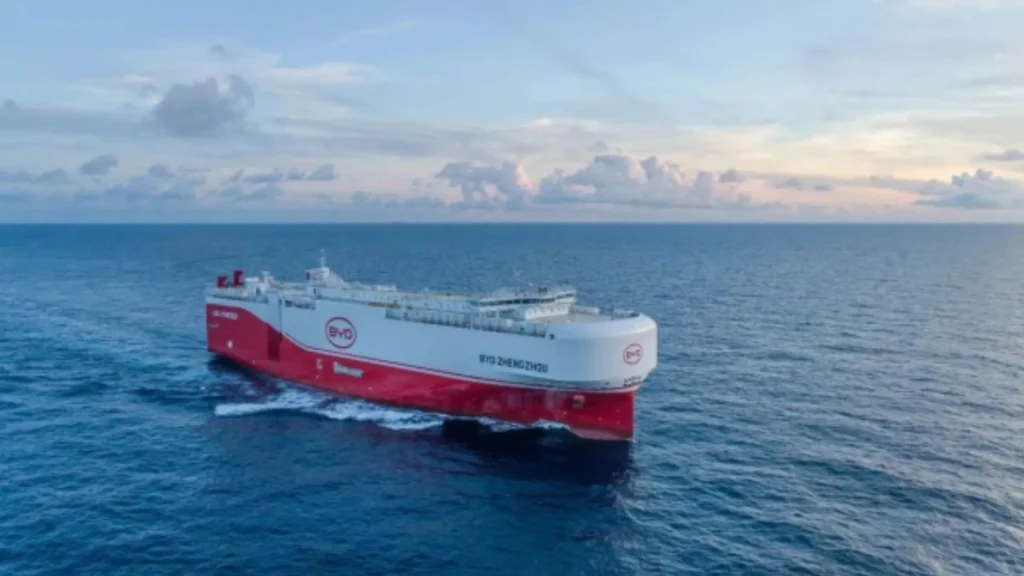
With this delivery, GSI reaches 127,600 vehicle transport seats delivered on LNG-powered vessels.
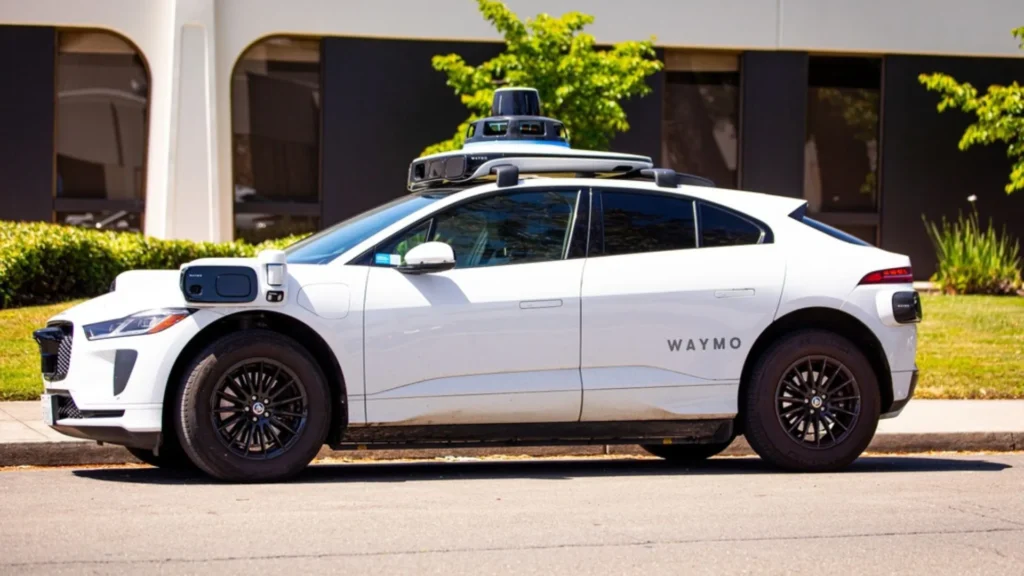
The company already provides more than 250,000 paid trips per week in five cities.
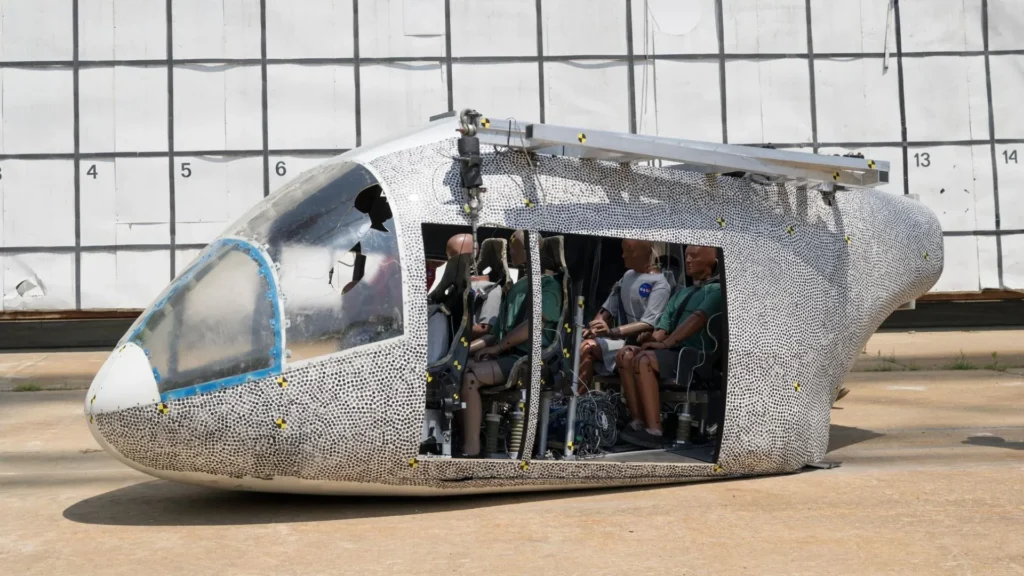
The impact test implemented weighted dummies and internal structures designed to absorb impacts, including deformable subfloors similar to safety zones in automobiles.
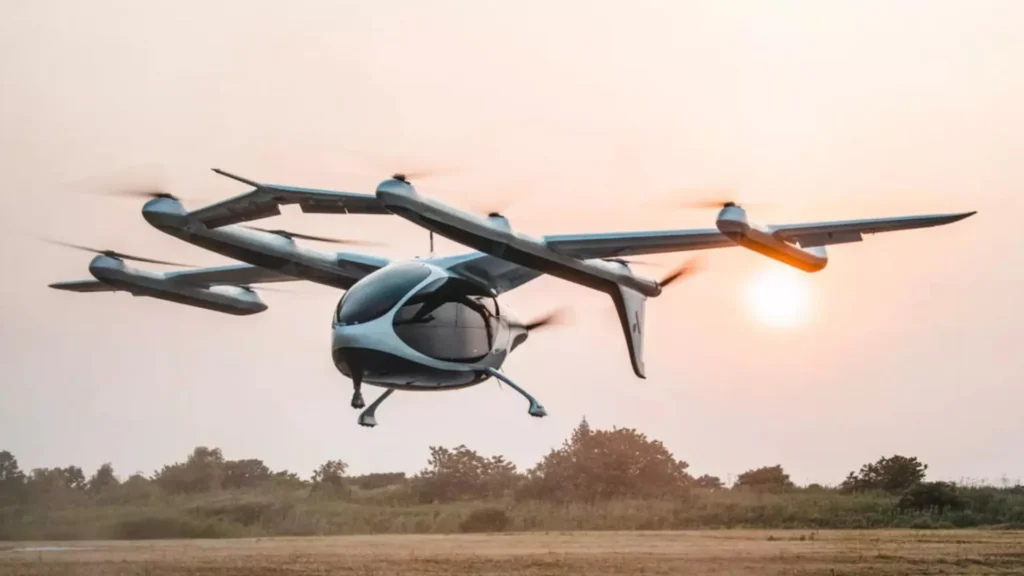
Tests were spread across multiple regions such as Qinghai, Hainan and Greater Khingan, in addition to flights in the United Arab Emirates and Japan.
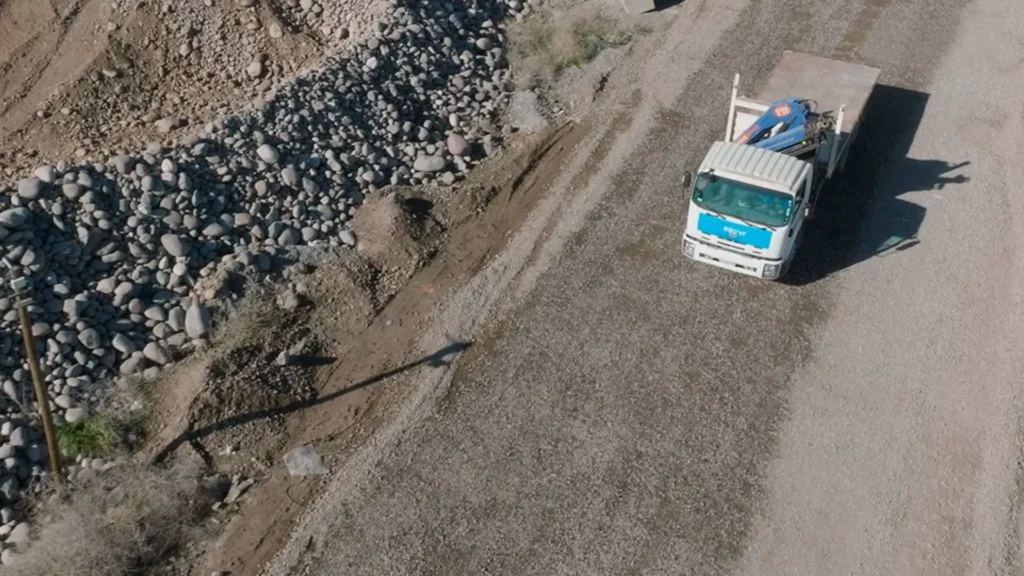
This project seeks to measure the technical and financial feasibility of using hydrogen in heavy equipment.
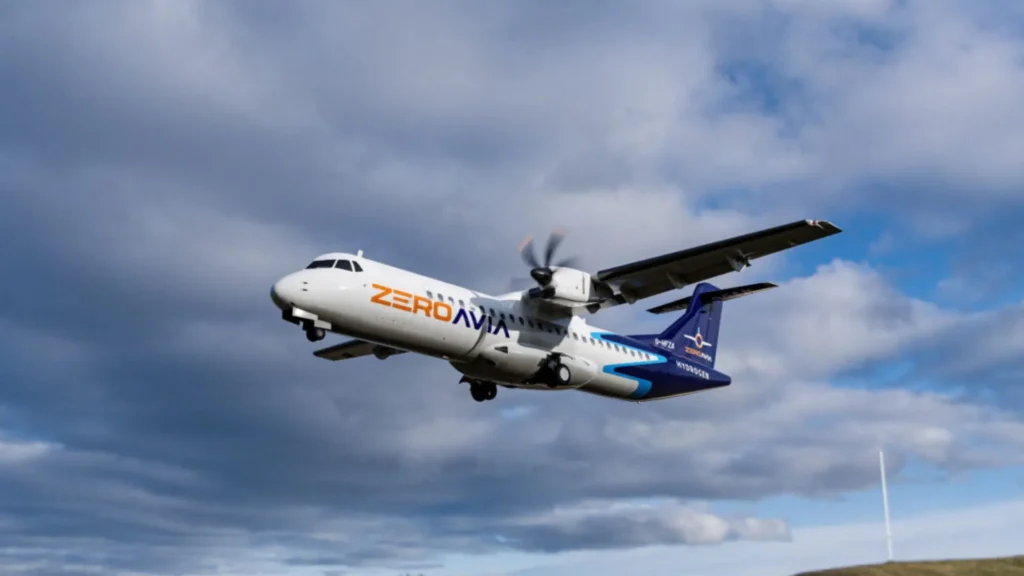
The target addresses the commercial engine market and enables new applications such as hybrid aircraft, eVTOL and unmanned vehicles.
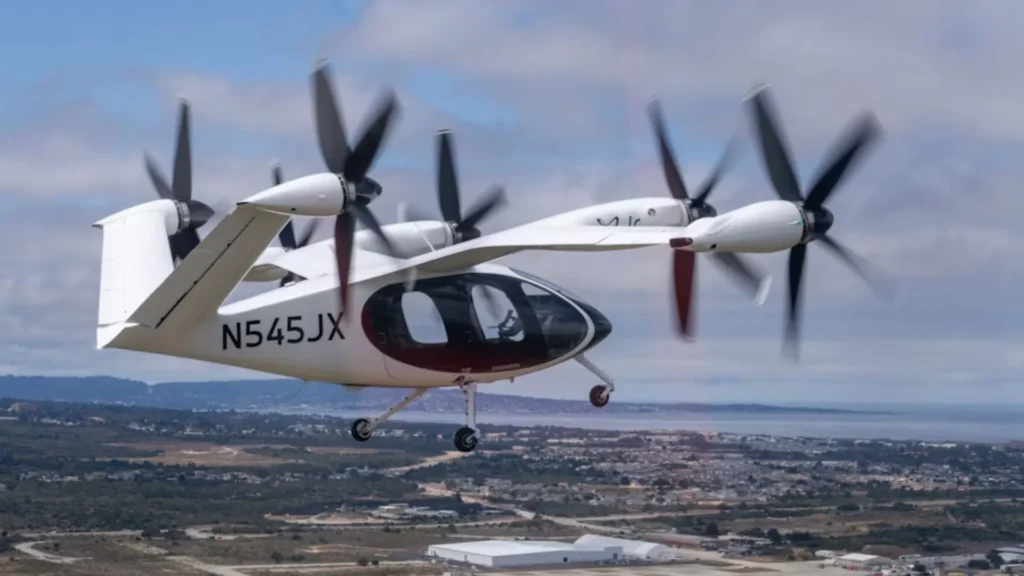
The Dayton plant is designed to manufacture up to 500 eVTOL electric aircraft per year.

Currently, the UK automotive industry employs more than 130,000 people and generates around £21.4 billion in value added.
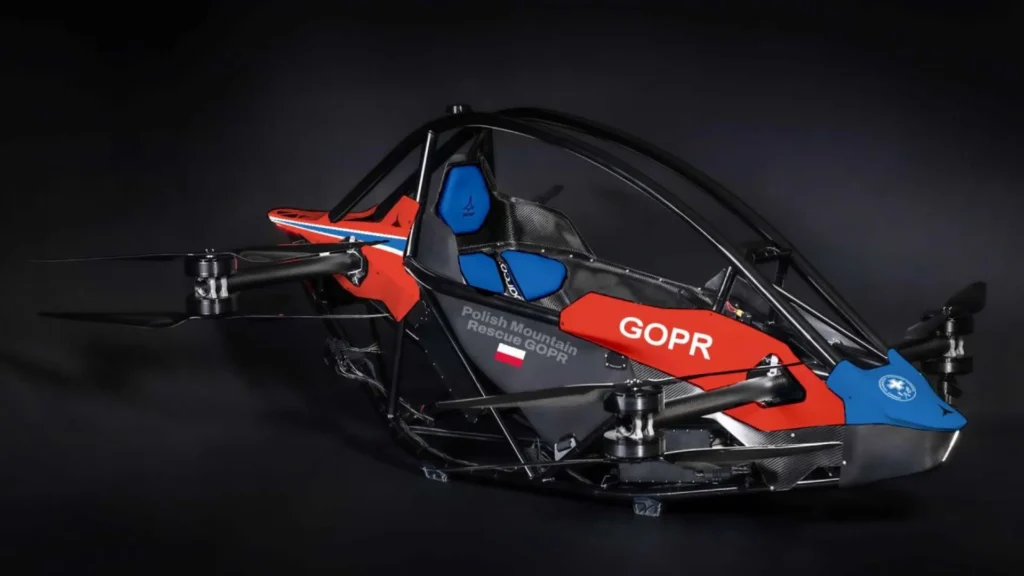
Operational stability under adverse weather conditions was one of the vehicle's most important points.
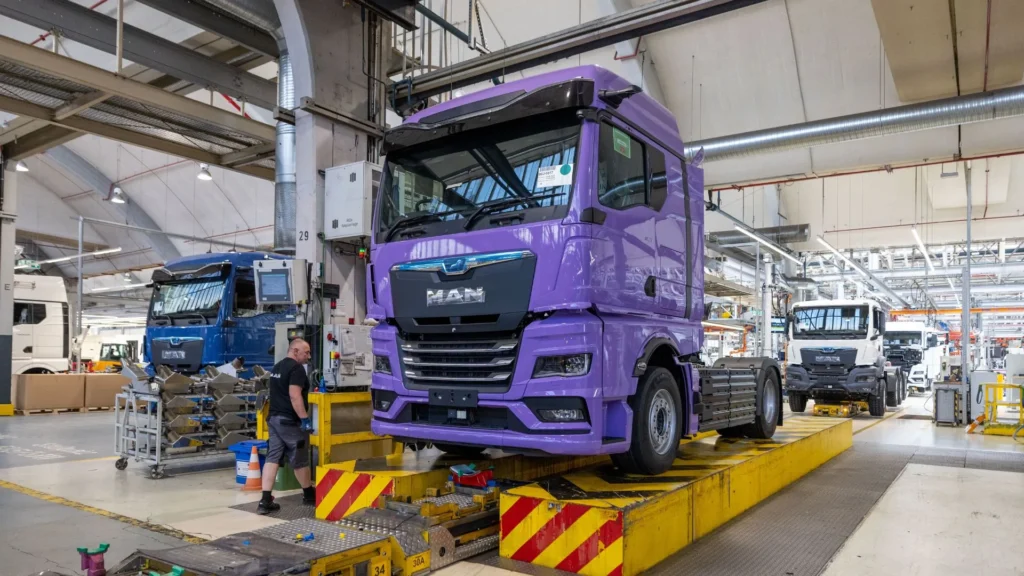
More than 700 orders confirm the company's commitment to electric trucks.
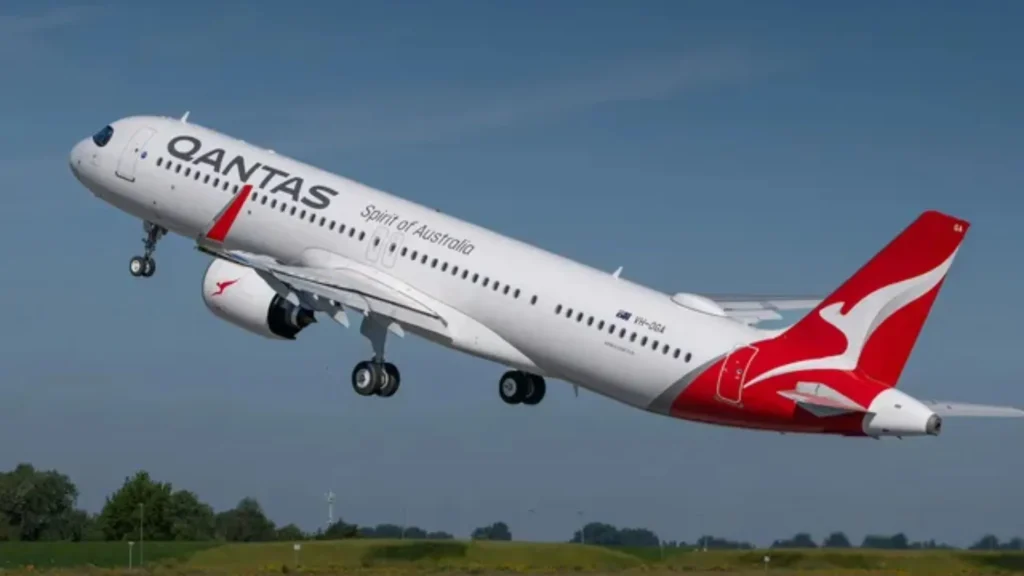
This acquisition is part of a larger order that includes 128 single-aisle and 24 A350-1000 widebody aircraft.