
News
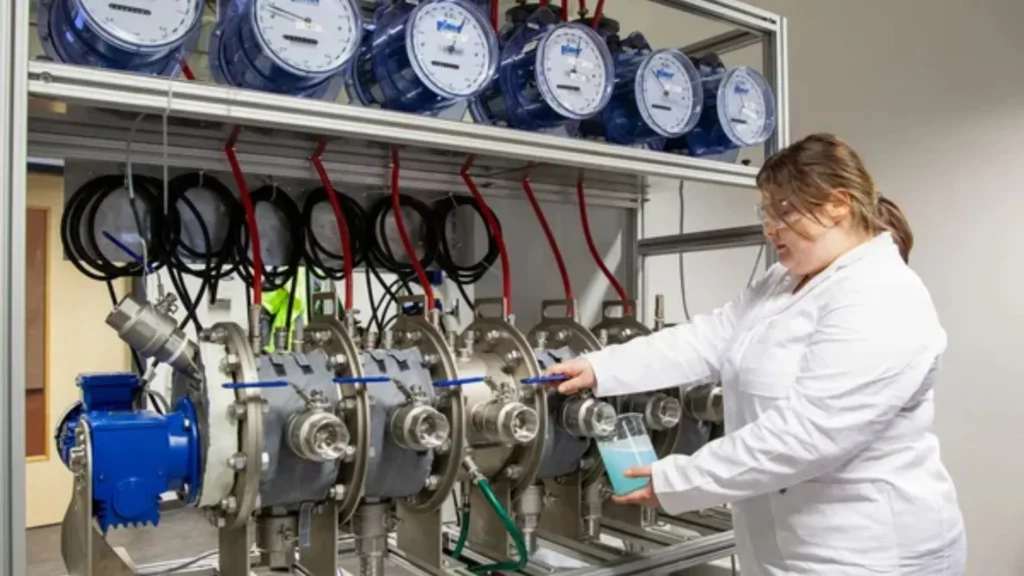
The SolidScore pilot project successfully produces hydrogen and methane from solid biomass.
The project partners hope to continue their research to achieve more favorable results in the future.
The project partners hope to continue their research to achieve more favorable results in the future.

QUADCOIL completes calculations in 10 seconds that other programs take between 20 minutes and several hours to complete.
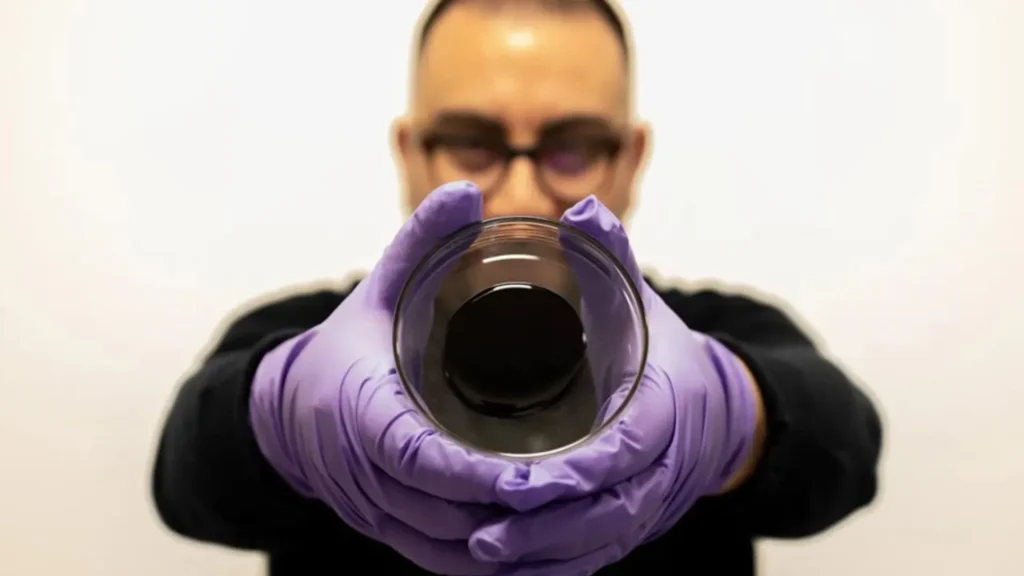
Self-healing asphalt promises to transform roads with more sustainable and cost-effective solutions.
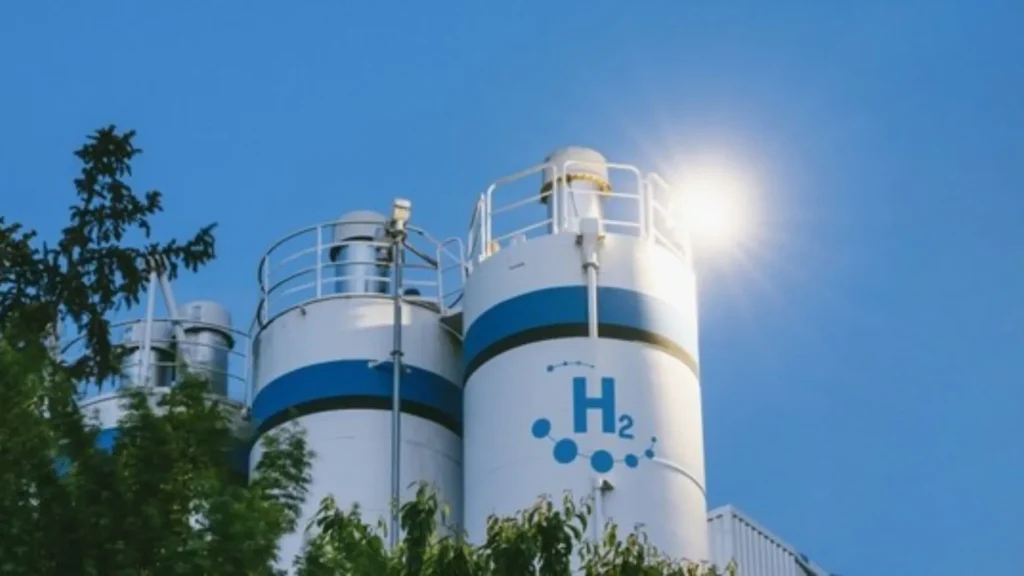
The possibility of producing these two products together represents a great sustainable economic model that helps the environment.
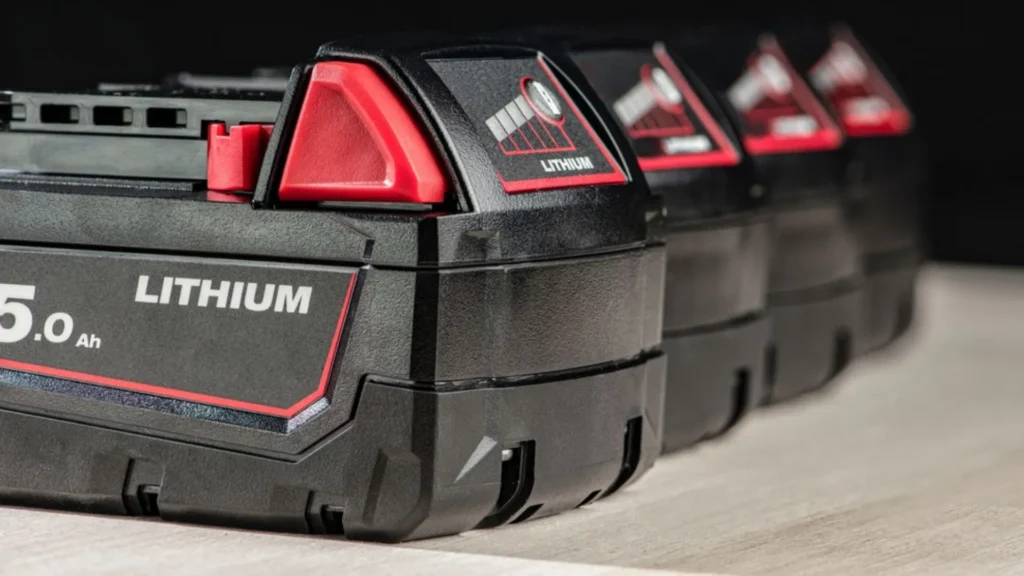
Leicester researchers create eco-friendly technique for recycling lithium batteries using vegetable oil.
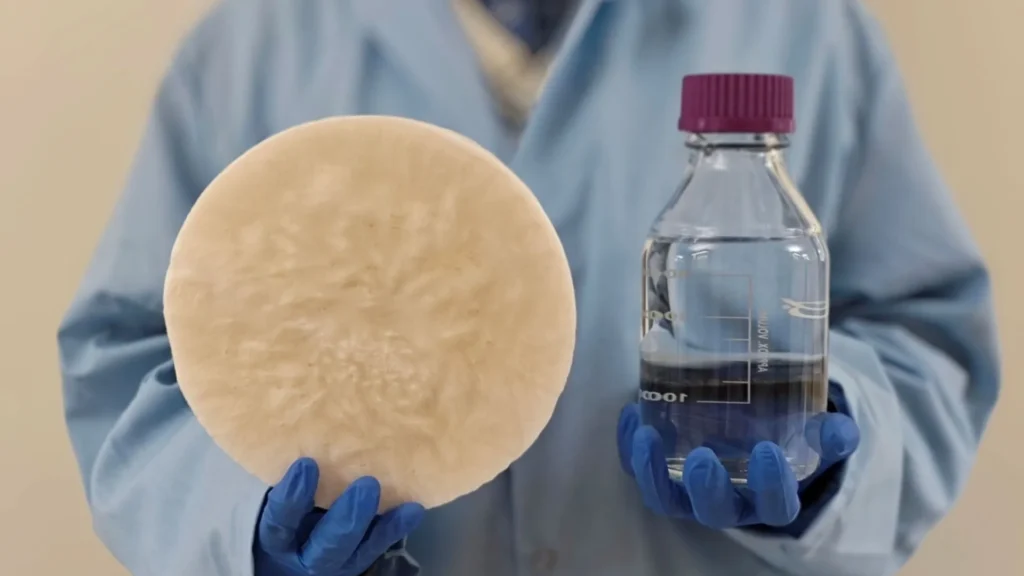
A biomass-based system extracts drinking water from the air with high efficiency and low energy consumption, transforming access to this resource.

Following landing, Firefly and NASA will hold a press conference to discuss the results and next steps of the mission.
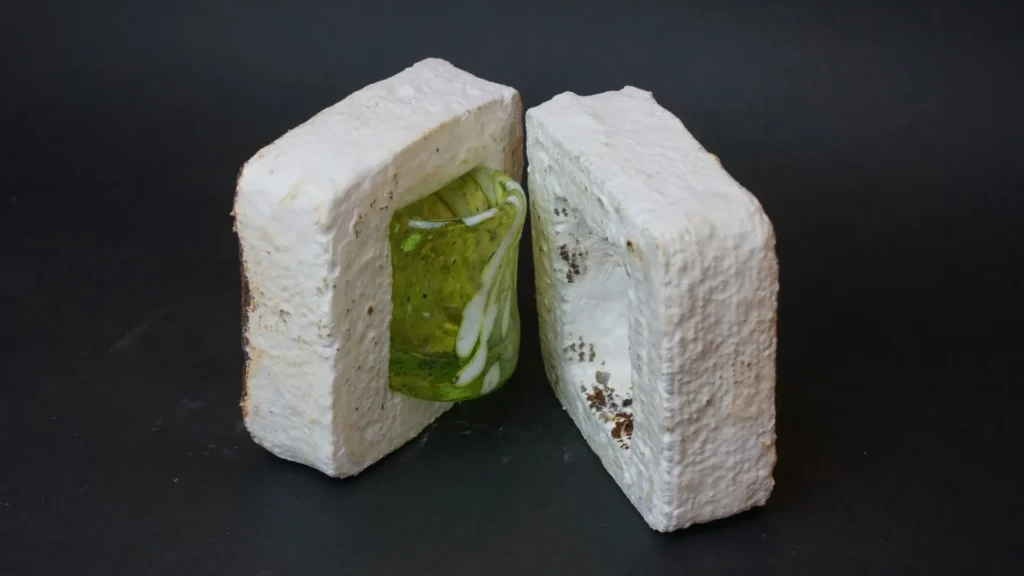
The research team is interested in exploring other forms of recycled materials that can form similar biopastes.
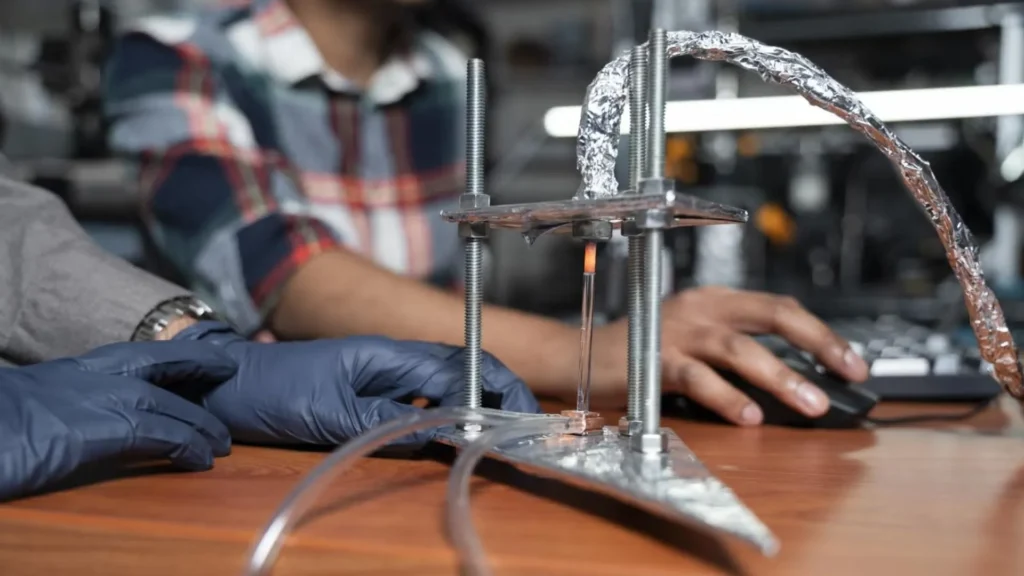
This approach has the potential to reduce carbon emissions and harness heat from geothermal, nuclear and solar radiation plants around the world.
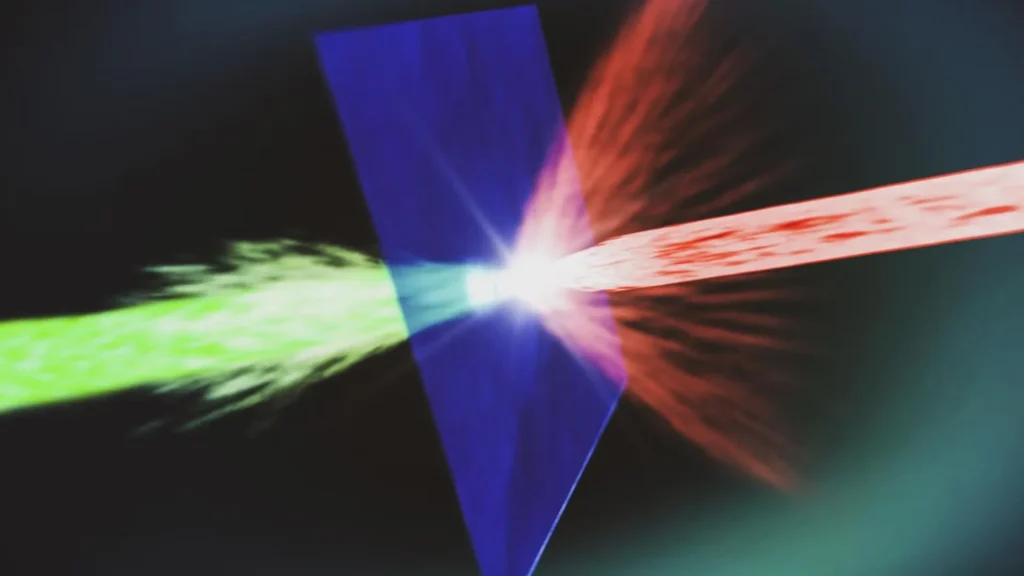
The results of the experiment were achieved using an affordable low-energy laser system, indicating that the technology could be implemented on a wider scale.
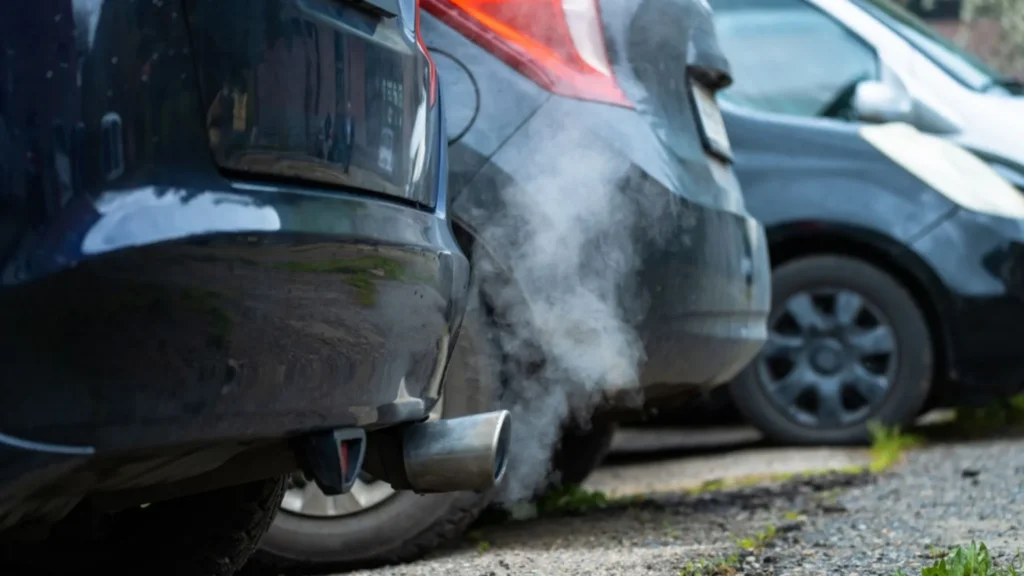
Wasted energy from combustion engines can now be harnessed to reduce emissions and improve energy efficiency.
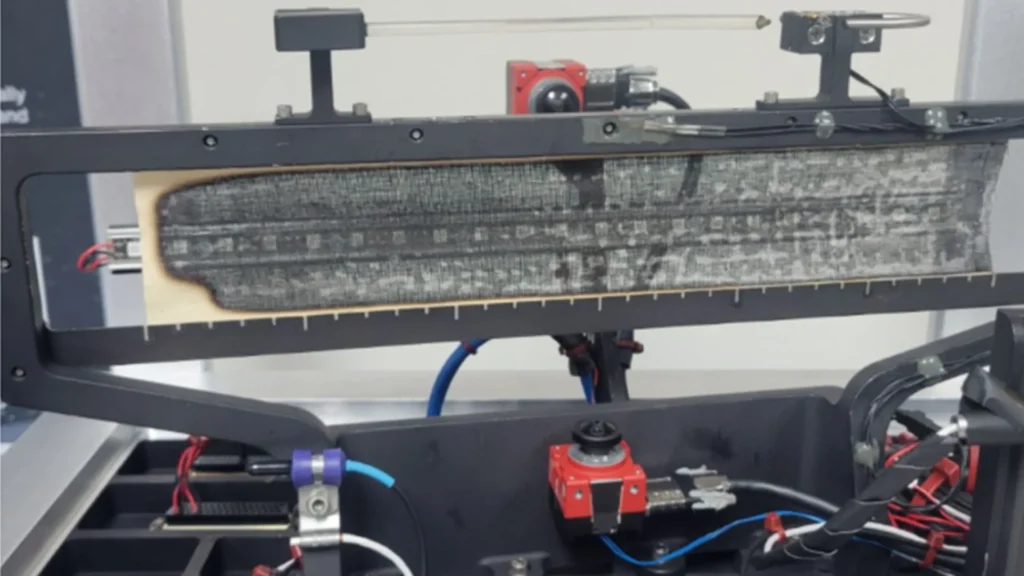
To simulate lunar gravity, the mission's payload capsule rotated at a specific speed during flight.