A study indicates that perovskite LEDs could be more efficient and sustainable.
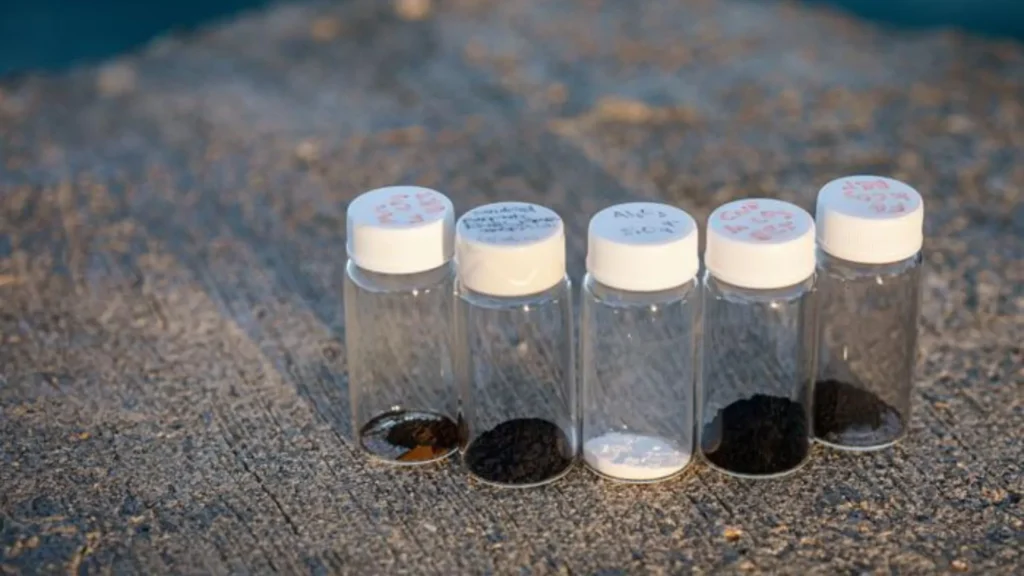
Next-generation LEDs, based on the perovskite material, not only promise to be more economical, but also more environmentally sustainable.
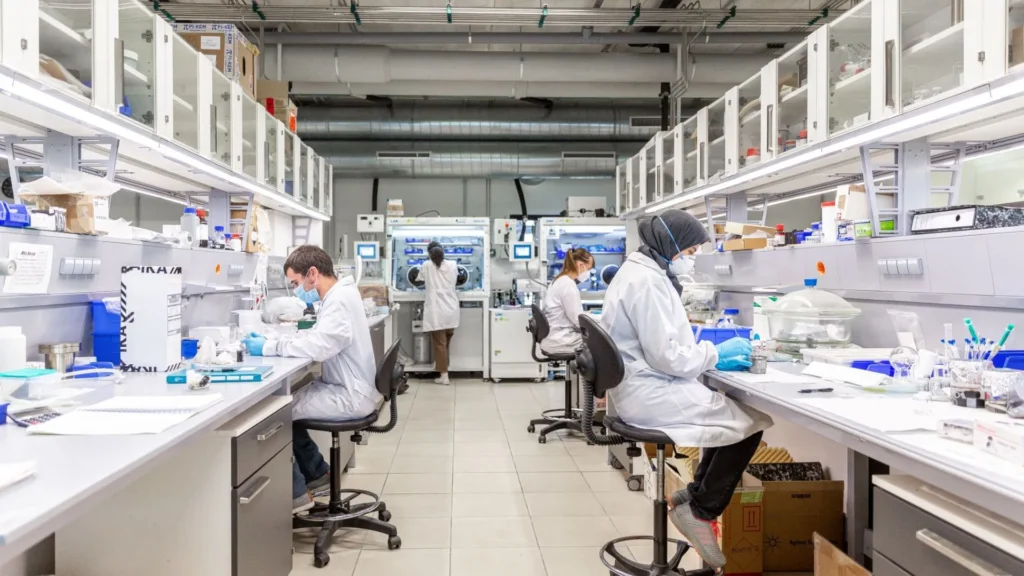

Next-generation LEDs, based on the perovskite material, not only promise to be more economical, but also more environmentally sustainable.
Researchers are looking to accelerate the path toward a real, scalable implementation of this system.

Lunar conditions can induce defects such as cracks and fractures in metal joints after the welding process.

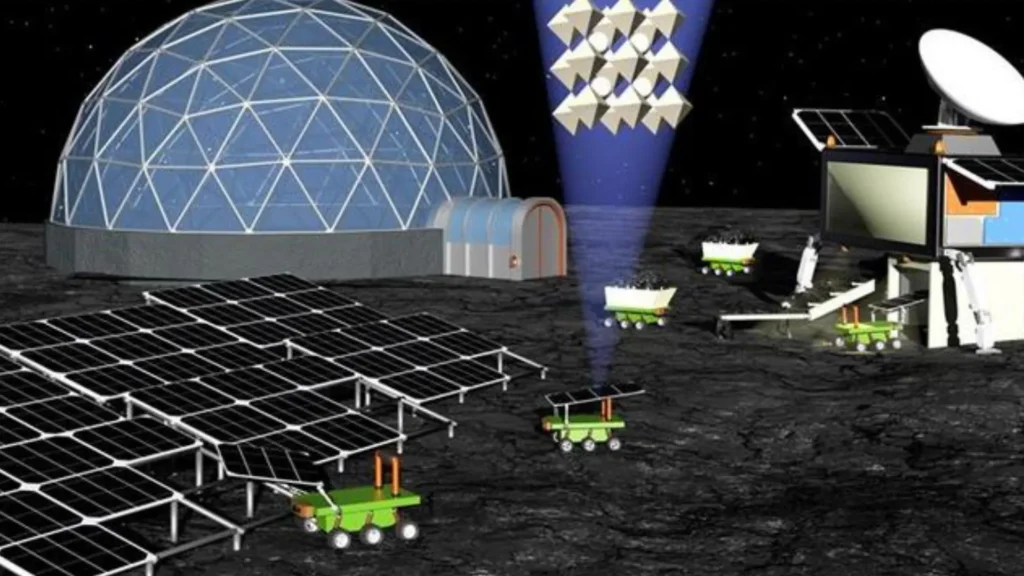
Lunar regolith is emerging as a vital resource for generating electricity in future space missions.

The team of scientists suggests that pilot tests in real-world environments will allow for the evaluation of both the performance and the complete life cycle of…

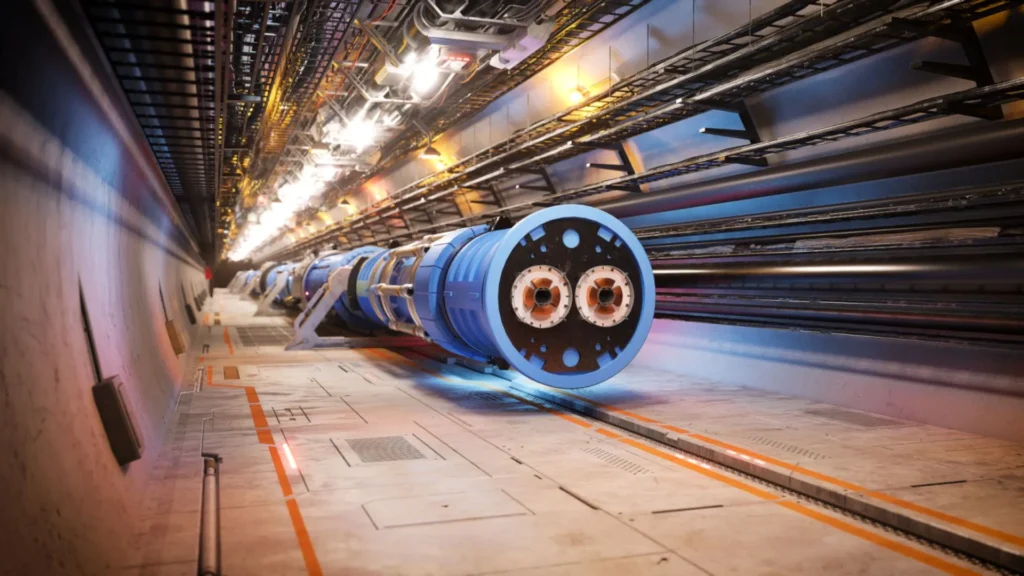
The new collider is proposed as the solution for studying particles such as dark matter.

Tire recycling will allow the production of epoxy resins.

This project aims to expand the pilot plant's capacity and explore the possibility of integrating it into larger-scale industrial facilities.

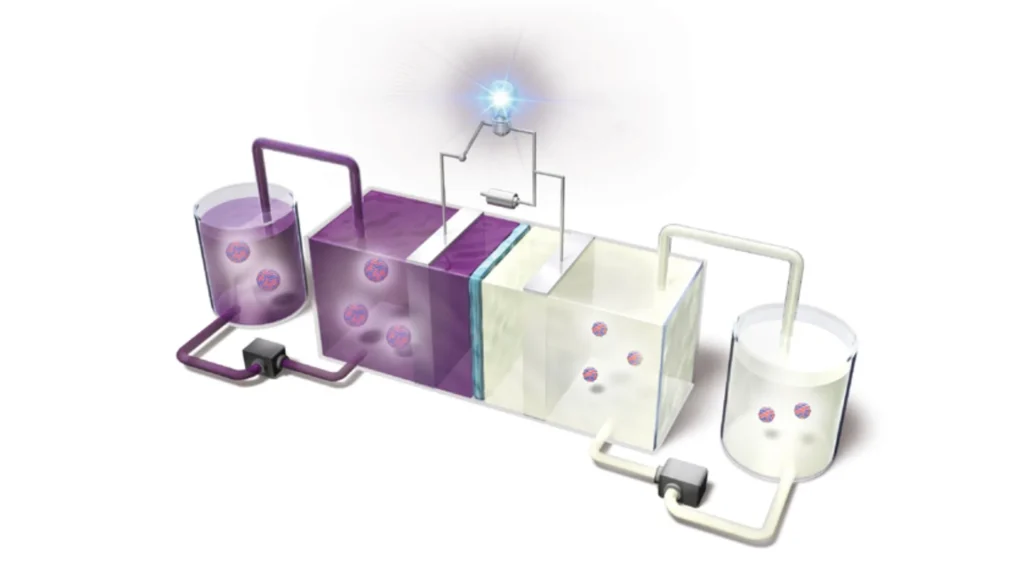
This new technology promises greater energy storage and greater integration capacity with renewable energy sources.

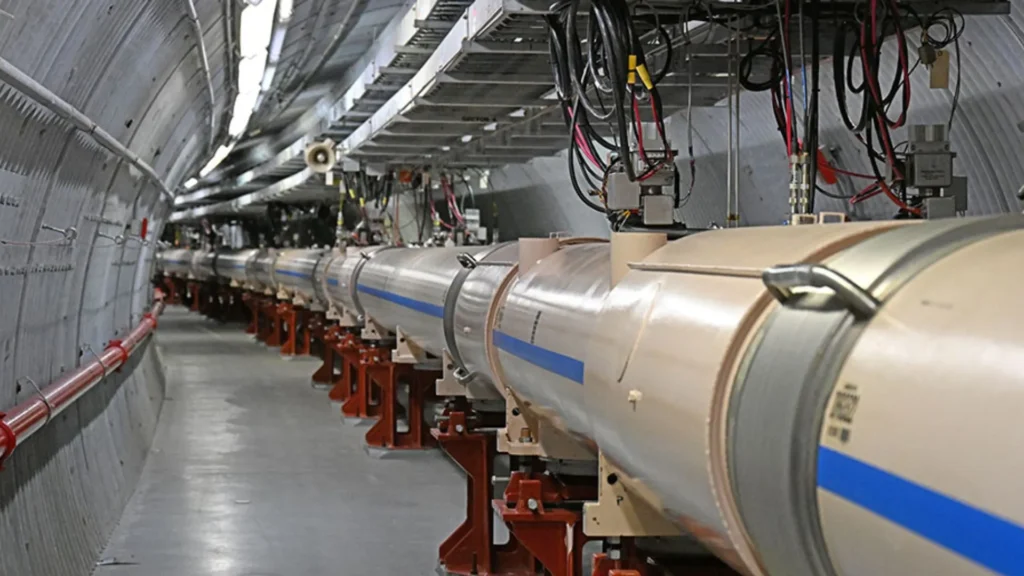
As RHIC completes its operational cycle, the data collected during this final run will be critical for future discoveries.

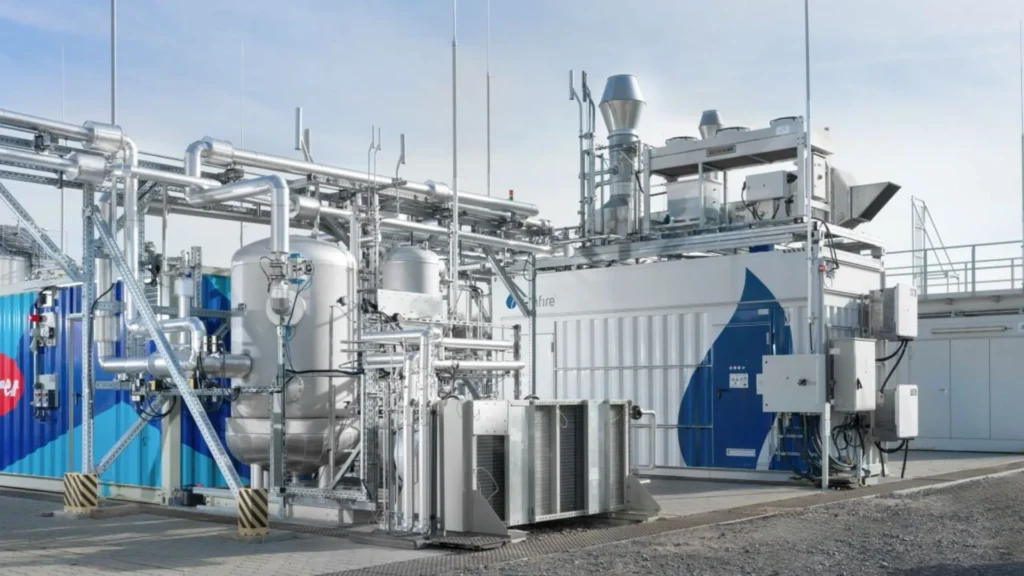
By implementing the Fischer-Tropsch method, efficient production of synthetic kerosene is achieved on an industrial scale.

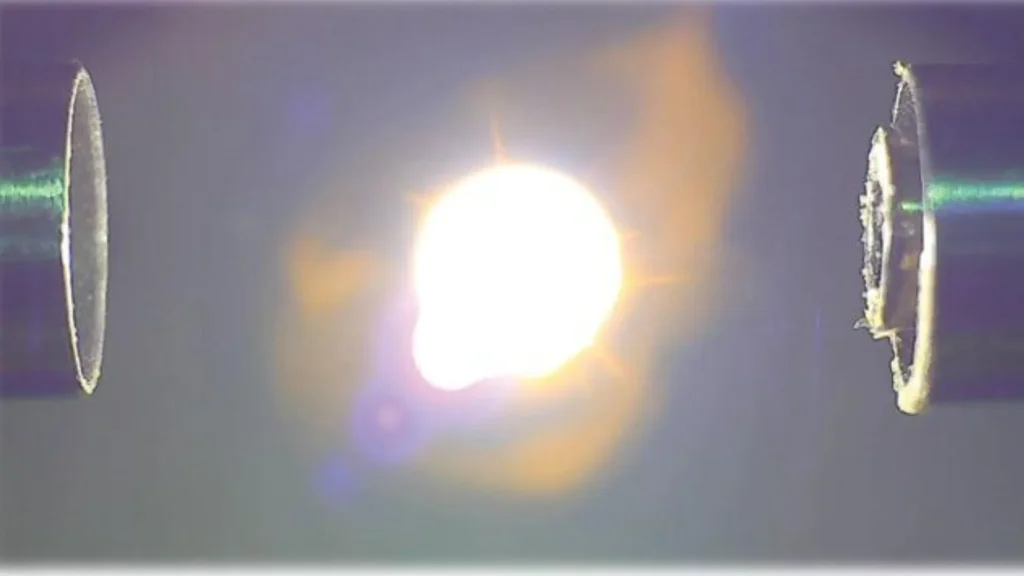
For the first time, ORNL scientists have been able to monitor chemical changes in molten salt in real time.