
News
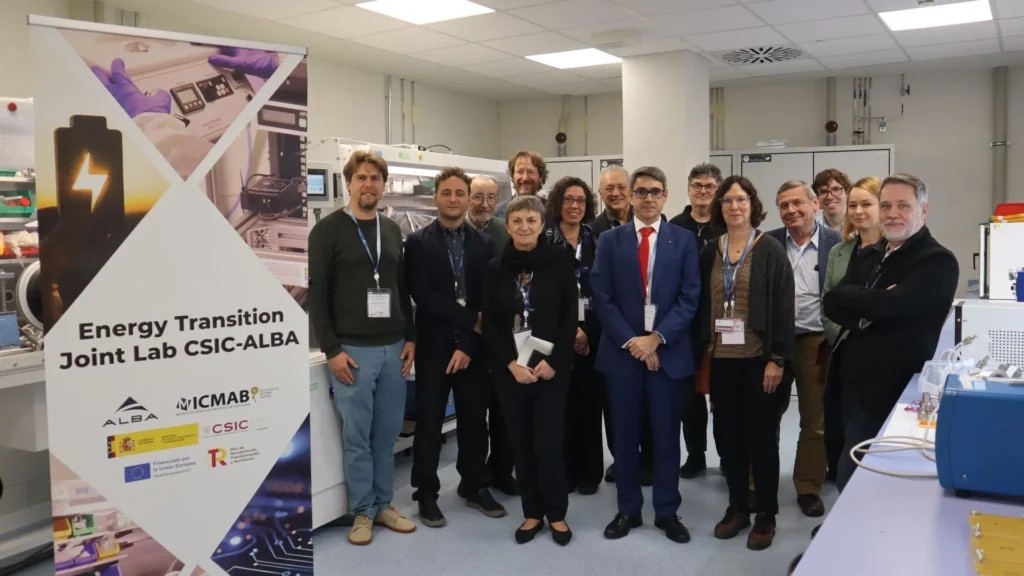
Joint CSIC-ALBA laboratory inaugurated to promote energy technologies
The new laboratory will allow batteries to be analysed under real conditions and situations during charge and discharge cycles.
The new laboratory will allow batteries to be analysed under real conditions and situations during charge and discharge cycles.
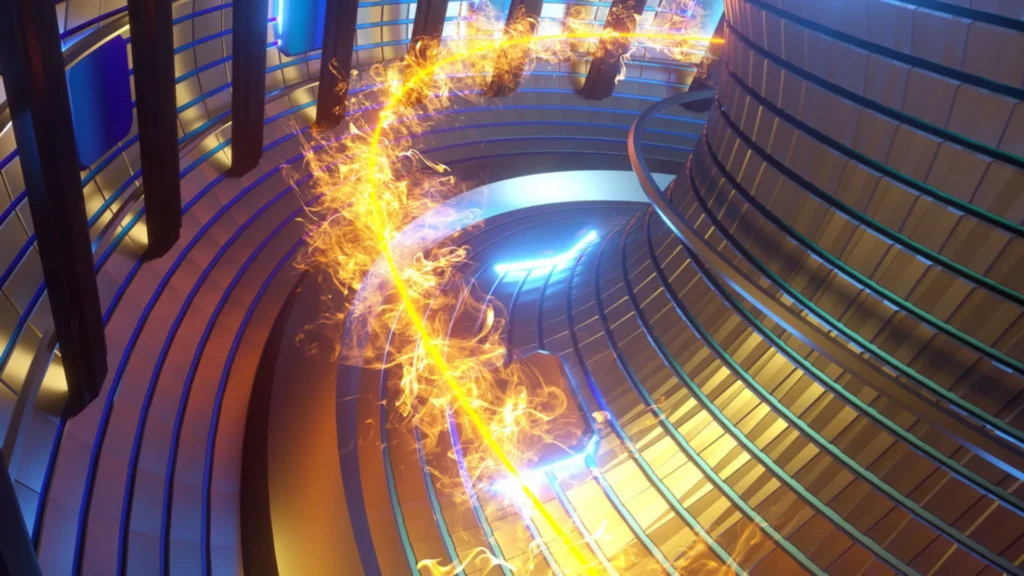
By applying three advanced techniques, magnetic confinement, ambipolar tamponade, and ponderomotor confinement, researchers have been able to record significant advances in plasma development.
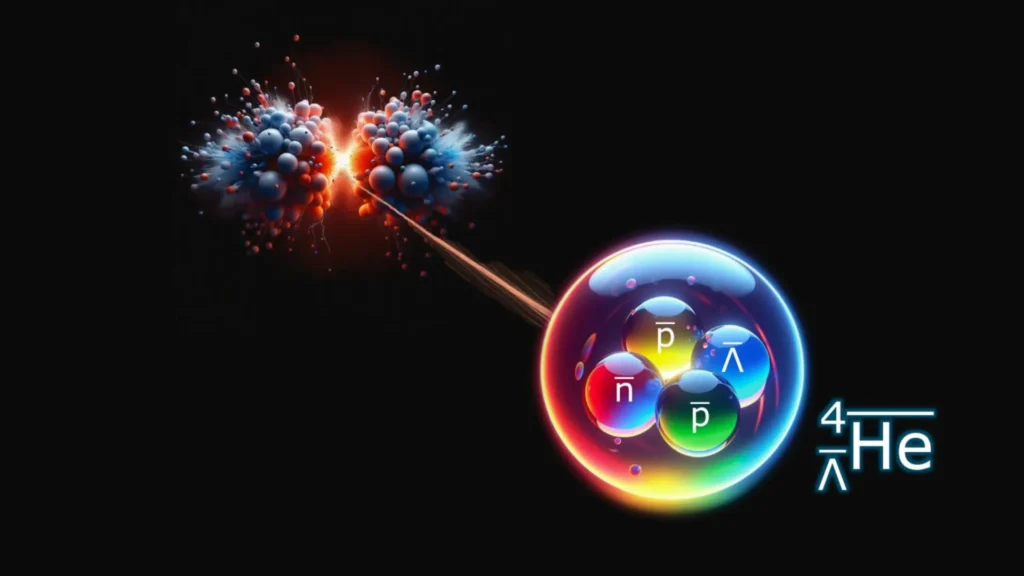
This discovery adds to previous advances in the study of antimatter and opens up new possibilities for understanding the matter-antimatter imbalance that persists in the Universe.
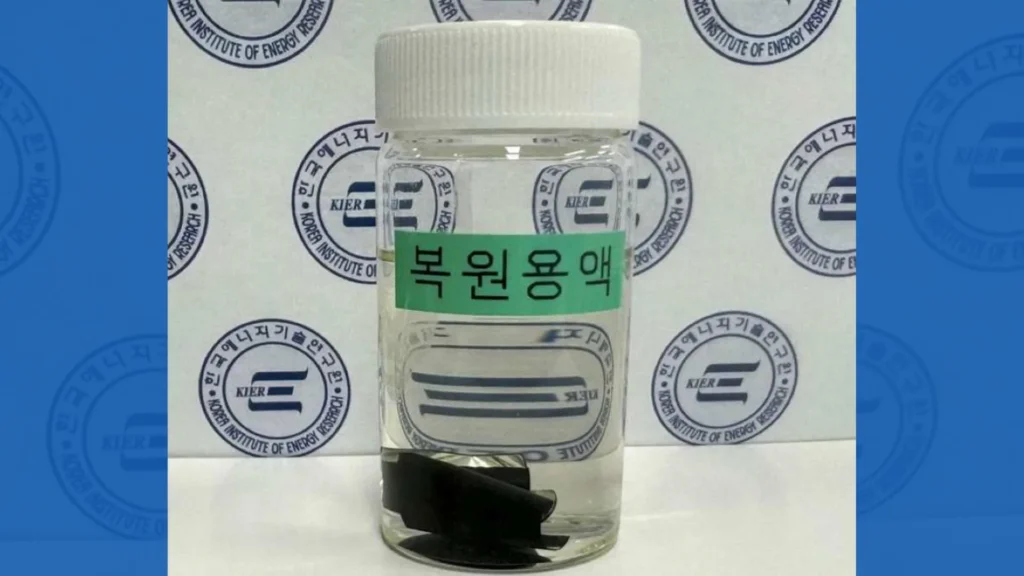
This development offers an efficient and ecological solution for recycling lithium batteries, as a major change in the management of technological waste.
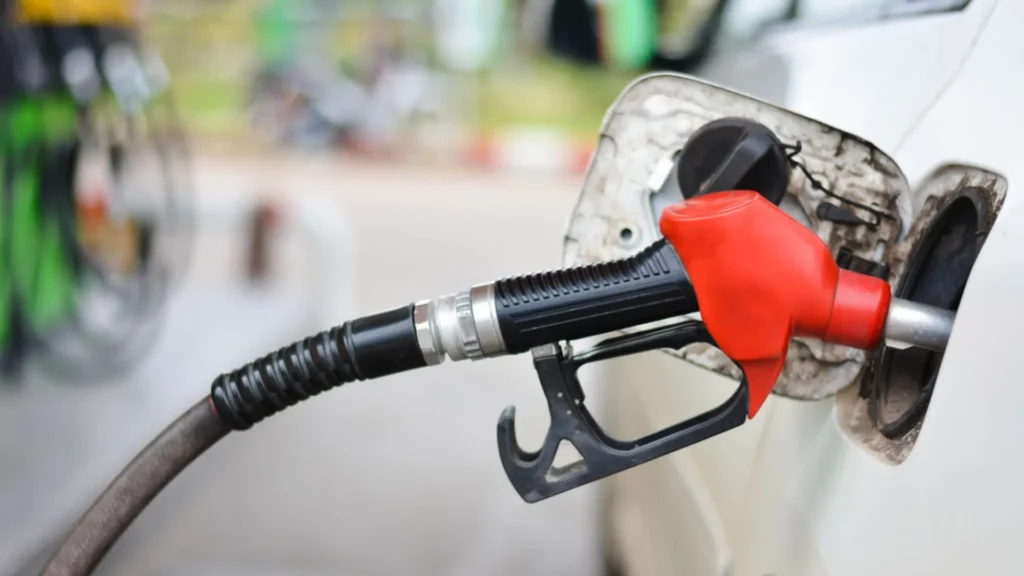
A recent study reveals how leaded gasoline was responsible for millions of cases of psychiatric disorders.
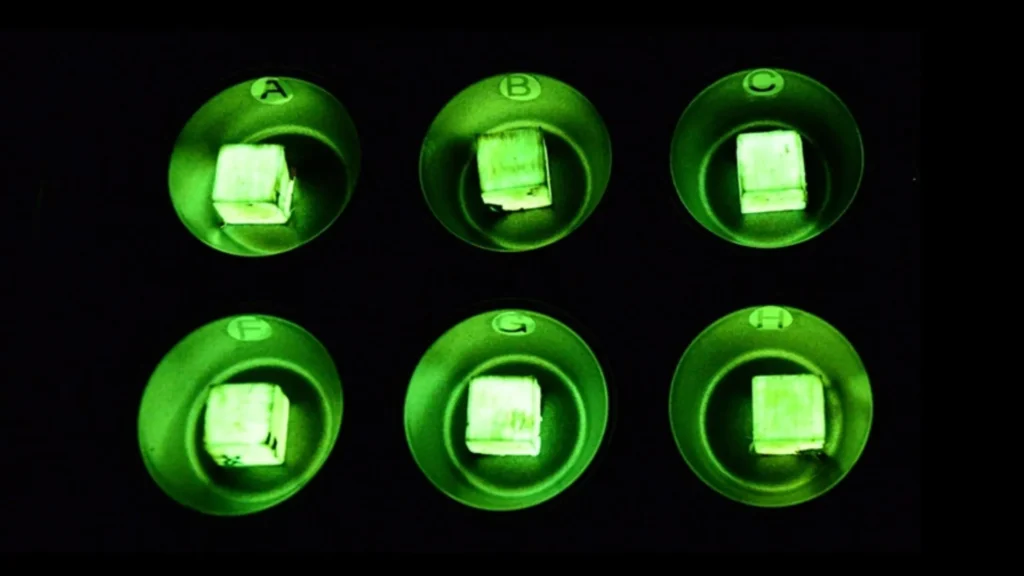
This process of creating luminous wood begins with the inoculation of balsa wood with threads of bioluminescent fungi.
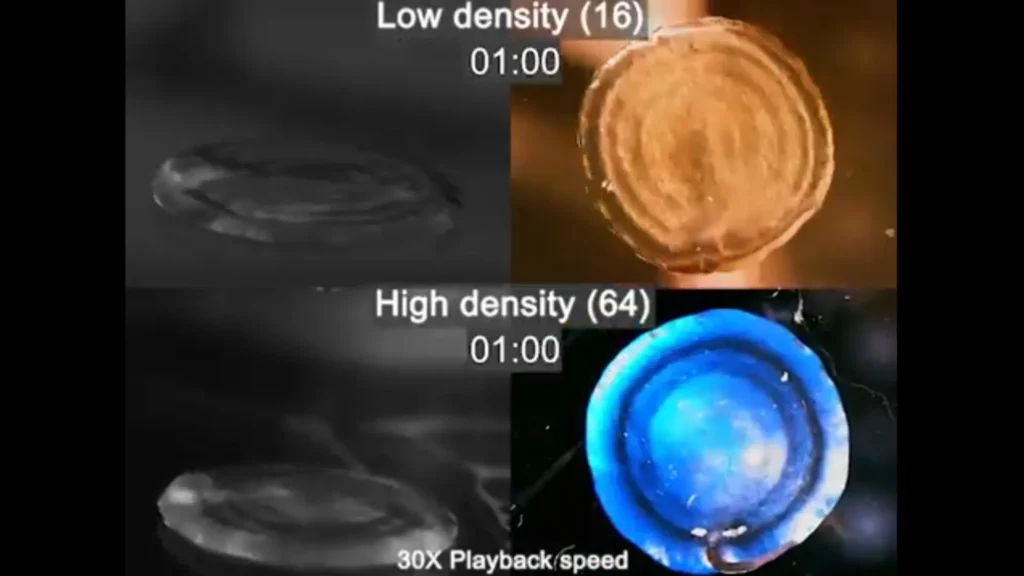
A new 3D bioprinting technique enables the creation of functional tissues at high speed.
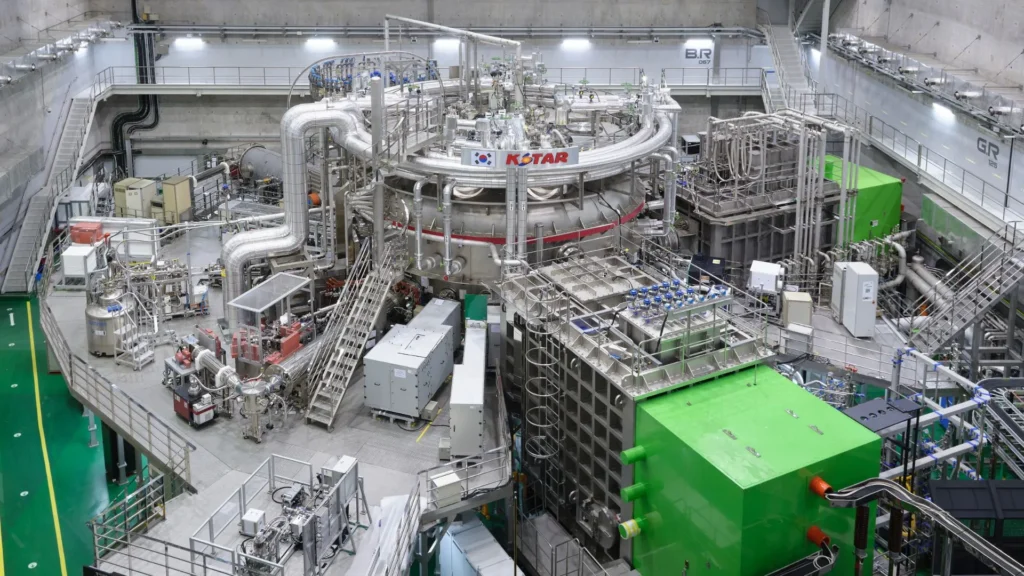
Plasma experiments will continue until February 2025, paving the way for a cleaner and more sustainable energy future.
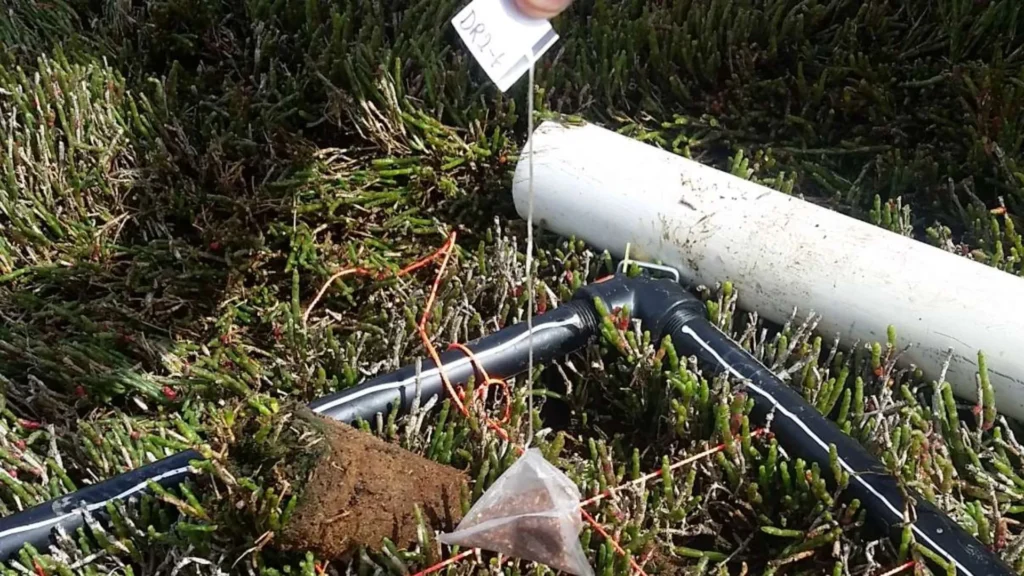
Rising temperatures are reducing wetlands' ability to store carbon, study finds

The new catalyst increases the conductivity of the material tenfold, which improves the rate of the oxygen evolution reaction (OER).
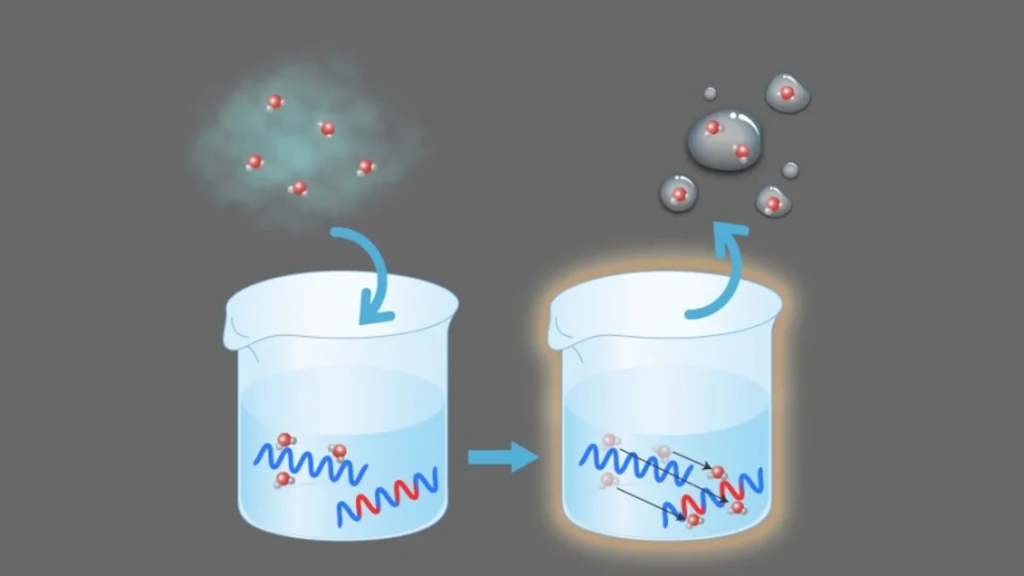
The research is based on the use of random copolymers of polyethylene glycol and polypropylene glycol.
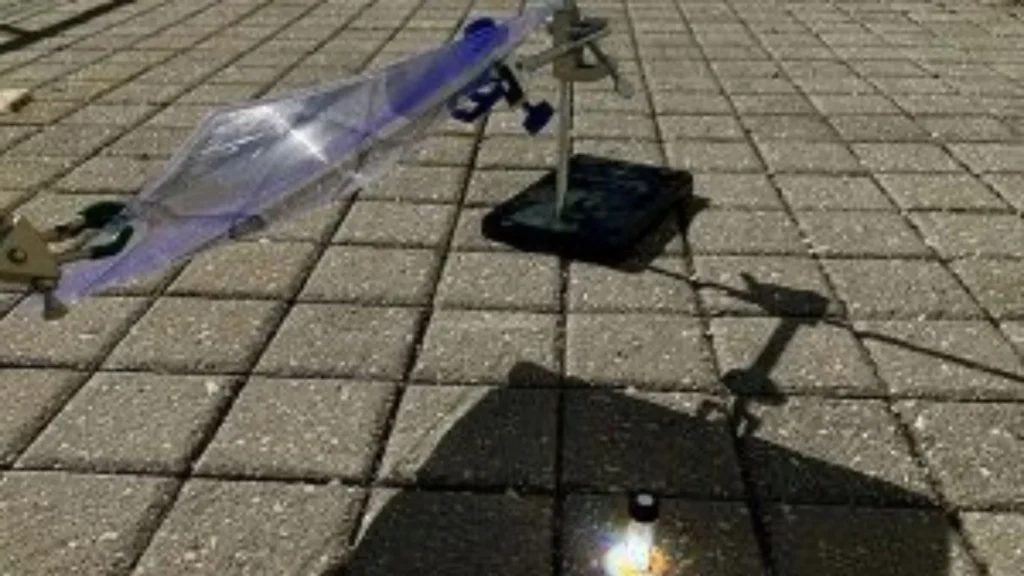
Researchers demonstrate how sunlight can recycle black plastics, creating an efficient and sustainable recycling system.