
News
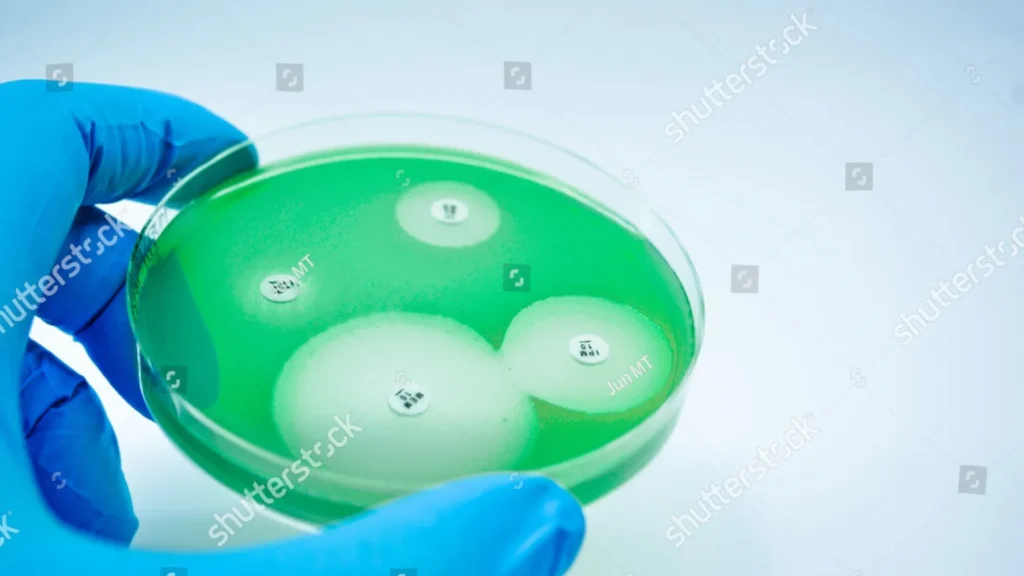
Fluorescent bacteria can detect microplastics in hours
This bacterium is commonly found in the environment and can naturally establish biofilms on plastic materials.
This bacterium is commonly found in the environment and can naturally establish biofilms on plastic materials.
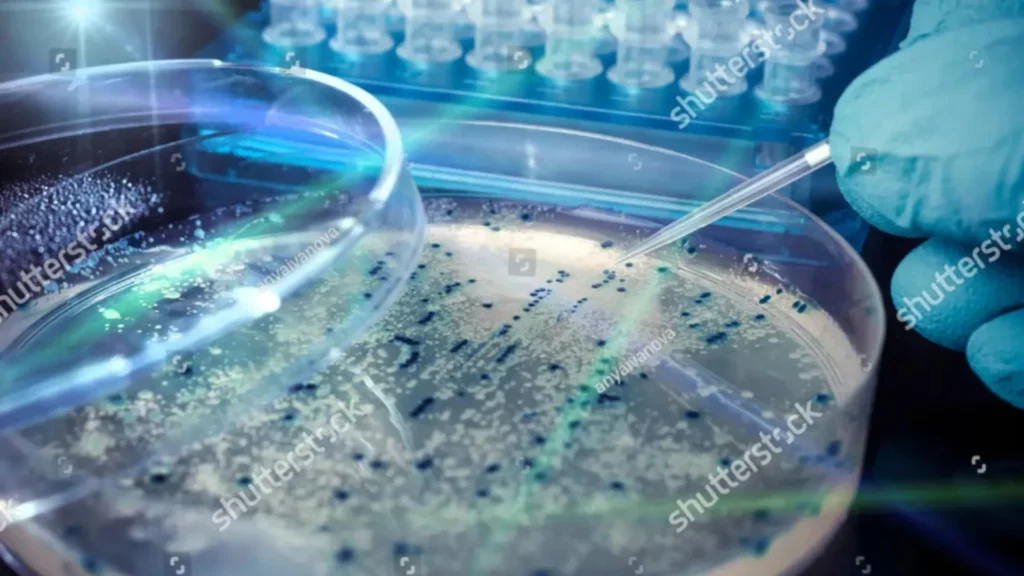
PDCA produced with bacteria could replace PET due to its improved efficiency, purity and physical properties.
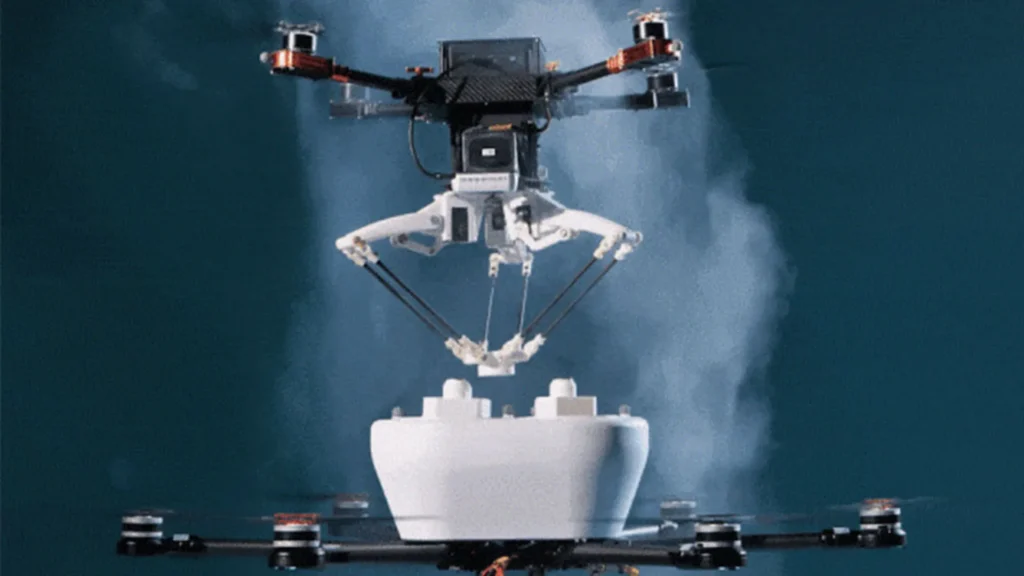
Researchers compare the dynamics of drones to the interaction between a surgeon and a nurse during an operation.

The clock is ticking towards December 2026 and chemical plants must accelerate their plans to meet WGC BREF requirements.
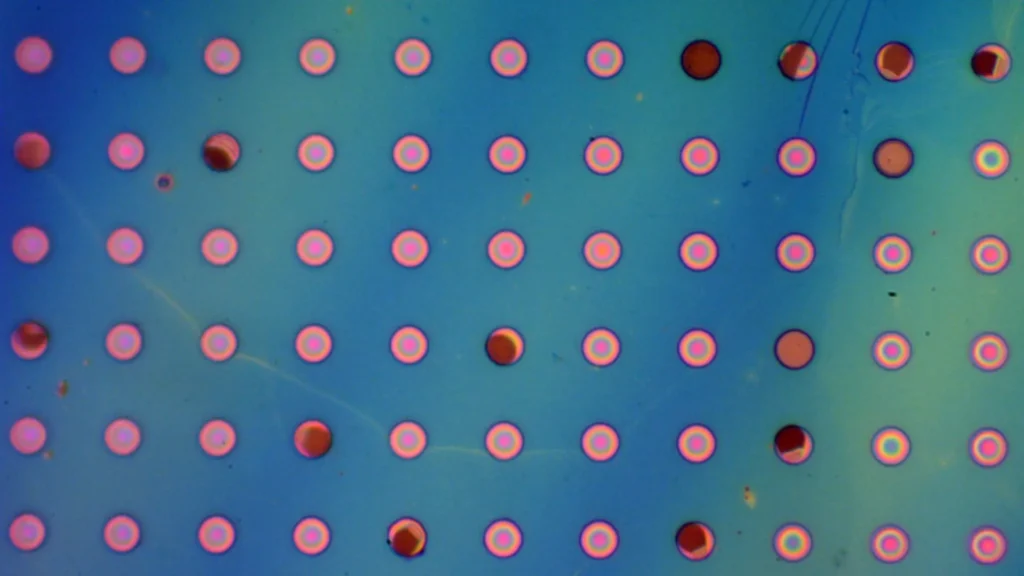
Because it is nearly impervious to gases, the polymer coating developed by MIT engineers could be used to protect solar panels, machinery, infrastructure and more.

This material is highly stable under extreme conditions and has the ability to self-repair.

AIMPLAS applies in vitro bioassays to detect risks in bio-based materials whose complexity prevents a complete chemical characterization.
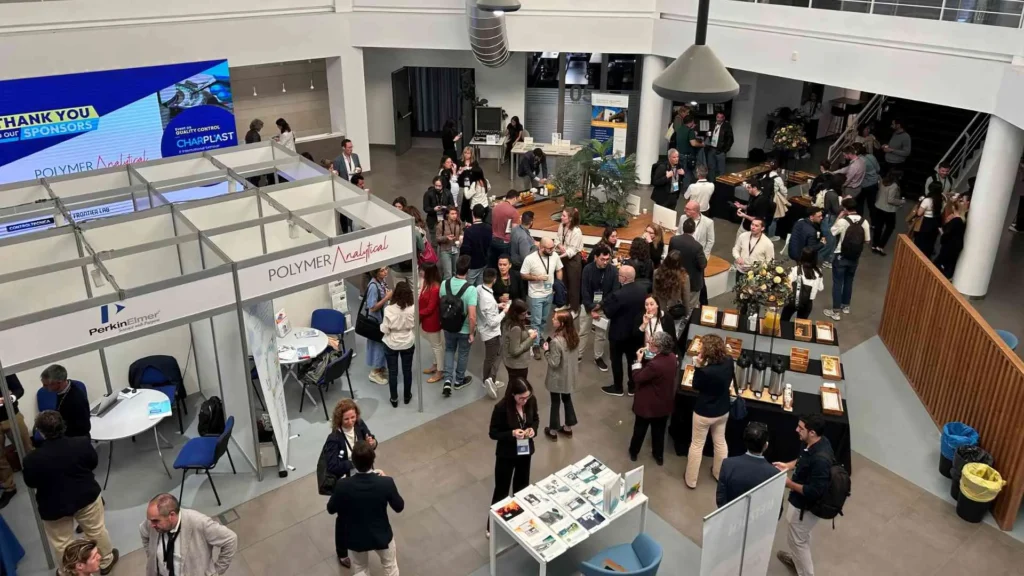
Visits by specialists to the technical facilities and the exhibition area strengthened the transfer of knowledge and the generation of professional collaboration networks.

XAS spectroscopy confirmed that the metals recycled from the plastic act as individual atoms, improving their catalytic efficiency.
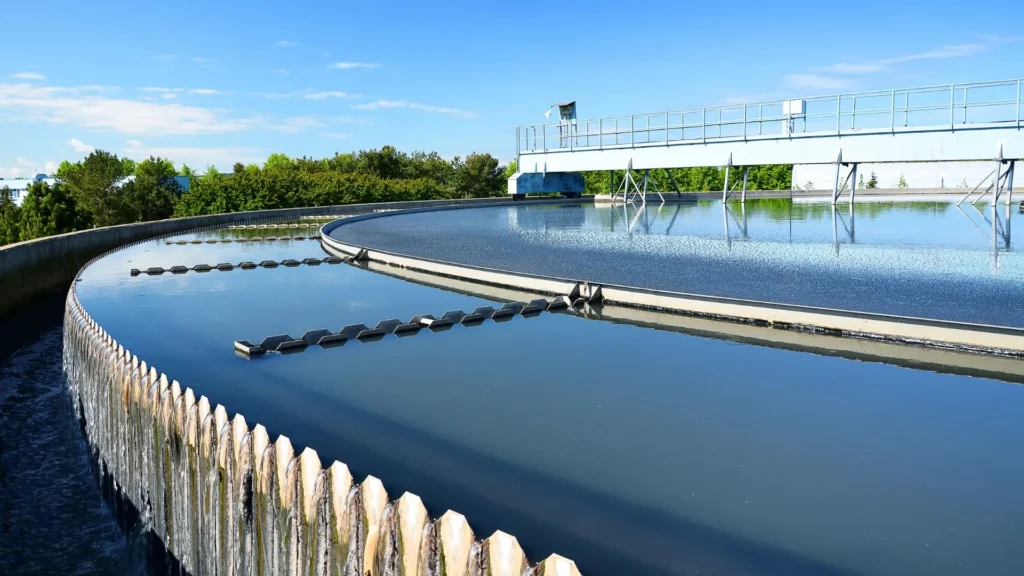
The flax-based material removed up to 95% of the pentachlorophenol and was reused for six cycles without loss of efficacy or iron leakage.

The bacteria keep their production process active even when ammonia levels are high.
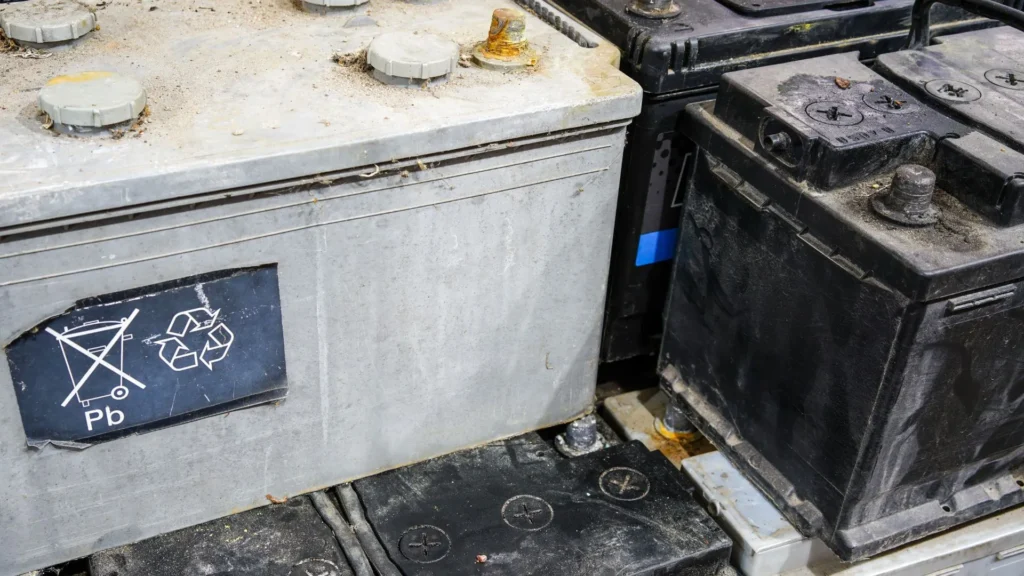
An acidophilic bacterium extracts useful materials from spent batteries without toxic products or intensive industrial processes.