
News
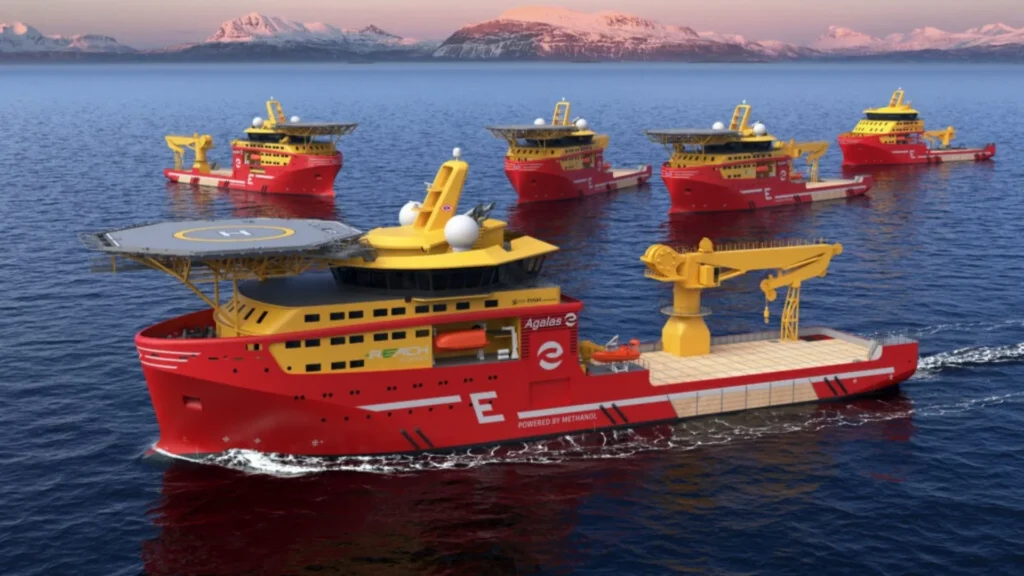
Eidesvik obtains approval for design of ammonia fuel system on vessel
The project also seeks to expand the fuel cell capacity from 100 kW to 2 MW of power.
The project also seeks to expand the fuel cell capacity from 100 kW to 2 MW of power.
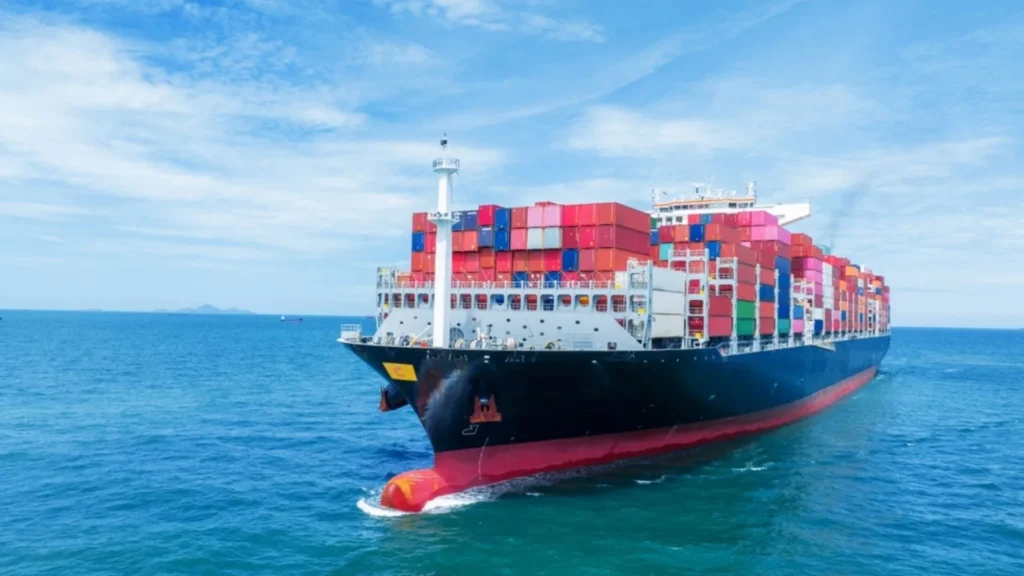
Authorities have assured that the air quality and drinking water supply in the affected areas remain safe.
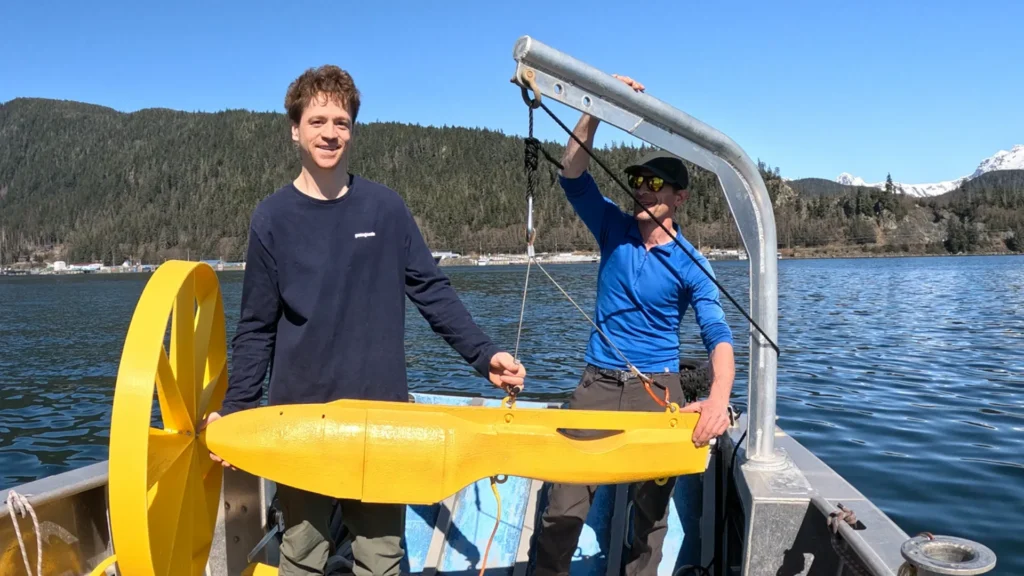
The Alaska project aims to boost economic growth and increase energy independence for coastal communities.
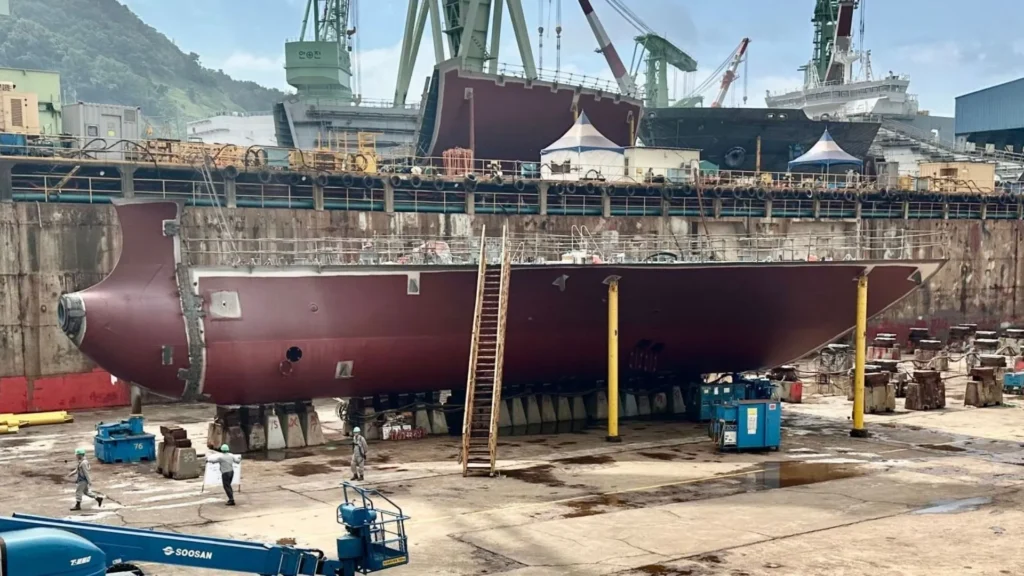
This initiative positions EXMAR and HD Hyundai Mipo in the quest to reduce greenhouse gas emissions by 2030.
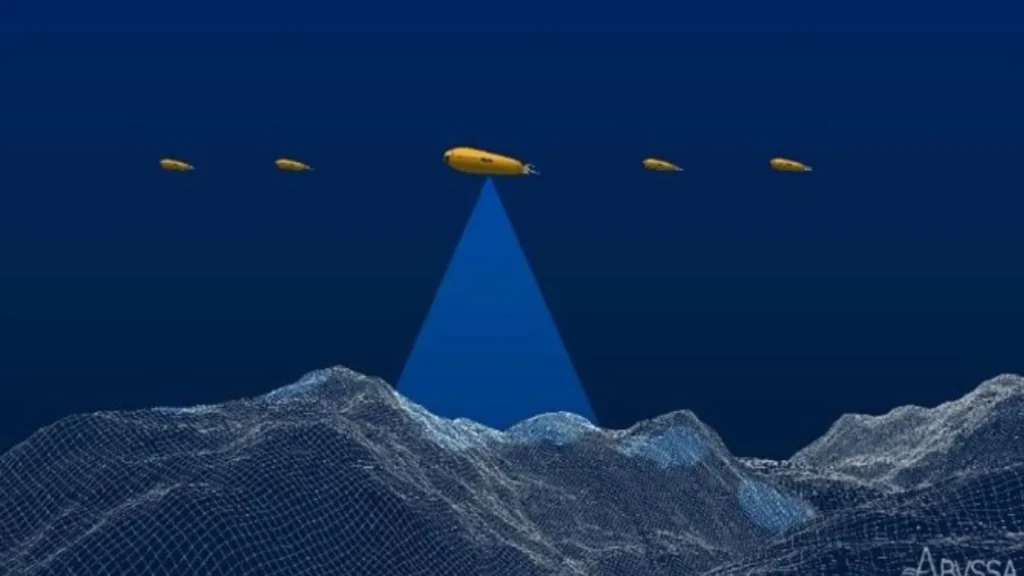
The CARMA project will enable precise navigation and exploration of the seabed at depths of up to 3,000 meters.
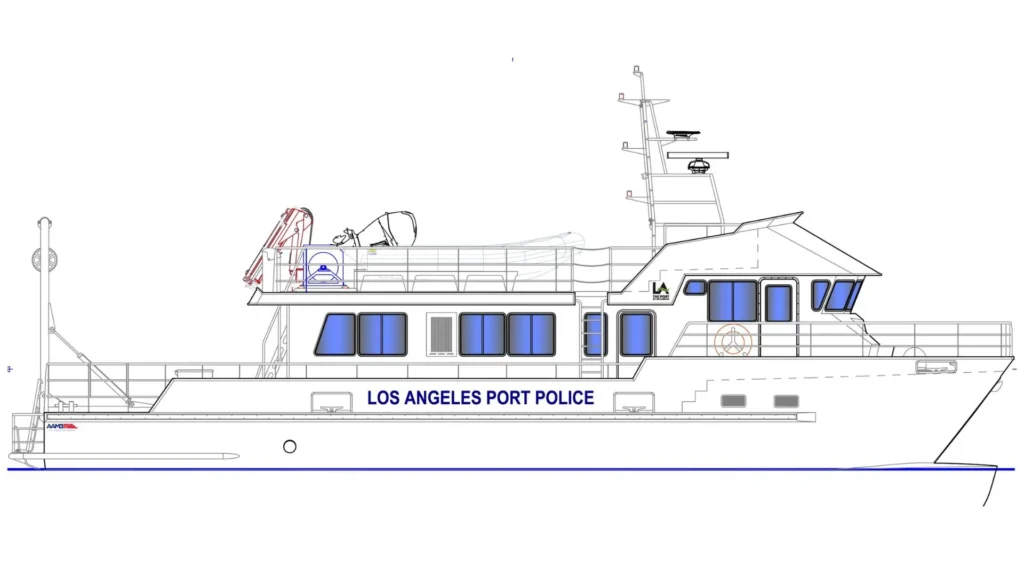
The new catamaran incorporates a "green bow" design that improves stability and fuel efficiency, a first for the Los Angeles Harbor Police fleet.
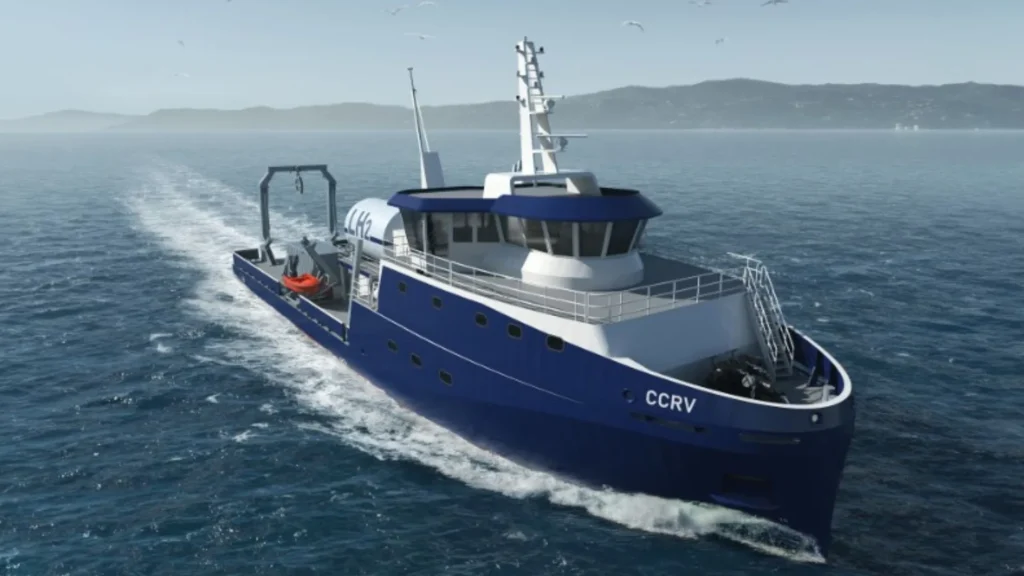
CCRV will use hydrogen fuel cells for 75% of its missions, setting a new standard in sustainable oceanographic research.
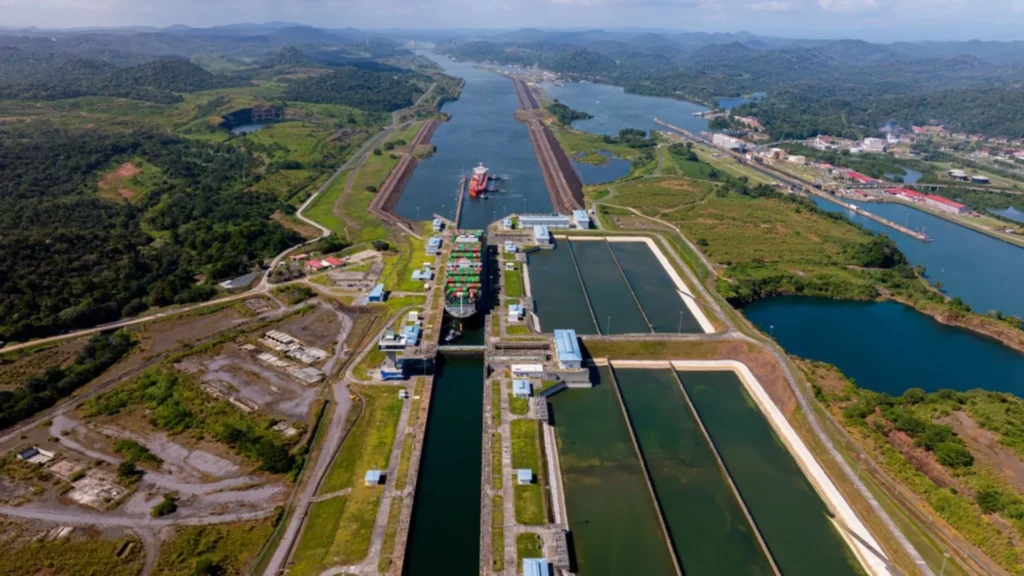
The increase in depth of the Panama Canal to 48 feet will facilitate the passage of larger, more heavily laden vessels.
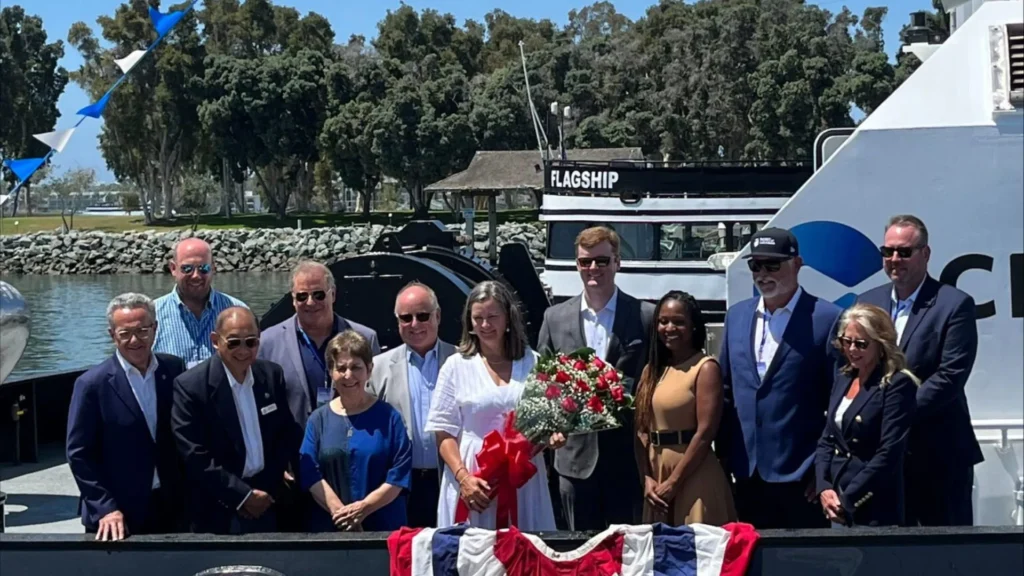
The eWolf can operate a full day on a single charge, eliminating the need for more than 30,000 gallons of diesel annually and significantly reducing emissions.
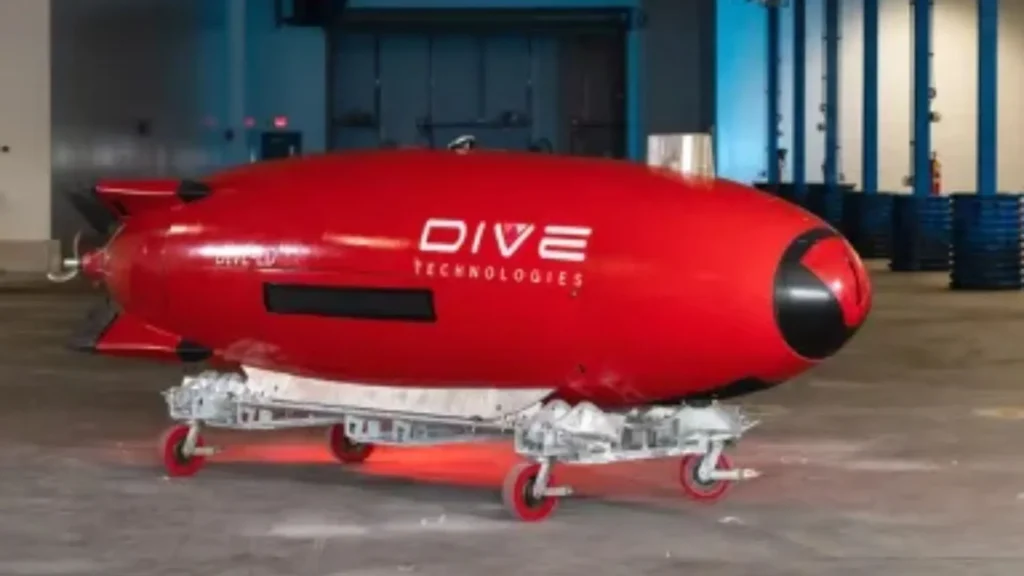
The new plant will enable the production of more than 200 underwater drones per year.
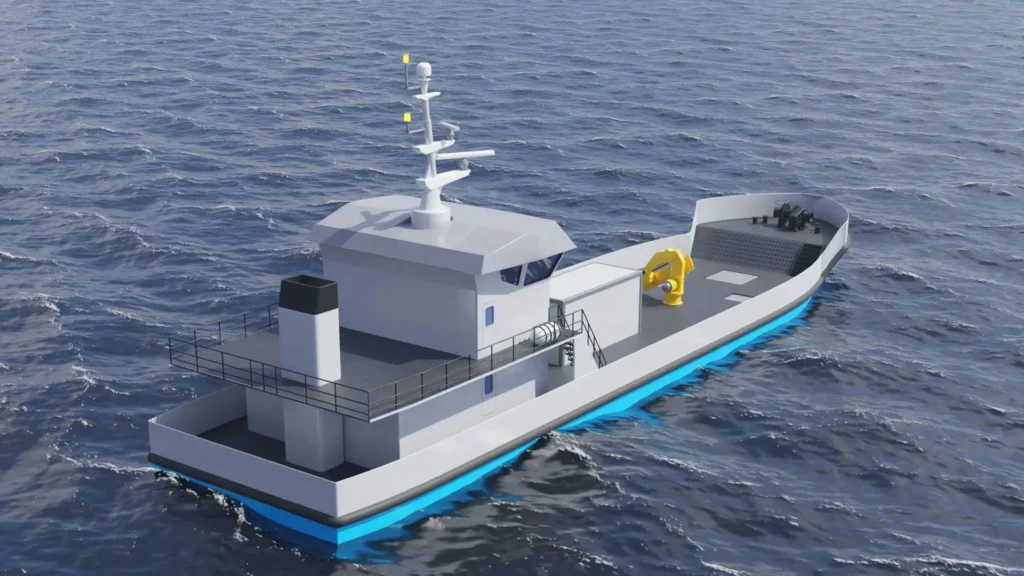
This will be the first ship in Lithuania not only to use green hydrogen, but also to clean other ships without leaving an environmental footprint.
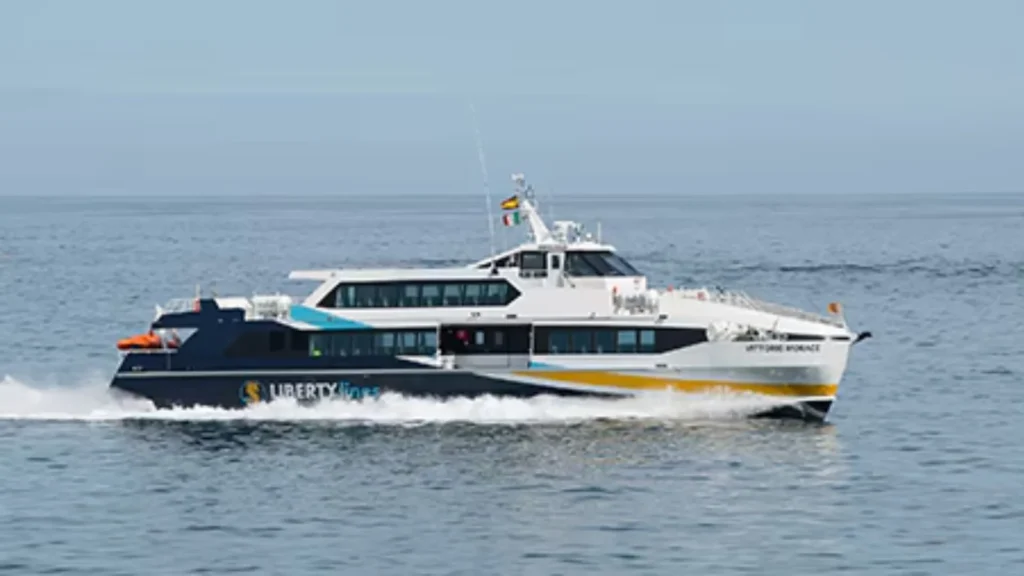
This ferry has a length of 39.5 meters, and has the capacity to carry 251 passengers, reaching speeds in excess of 30 knots.