
News
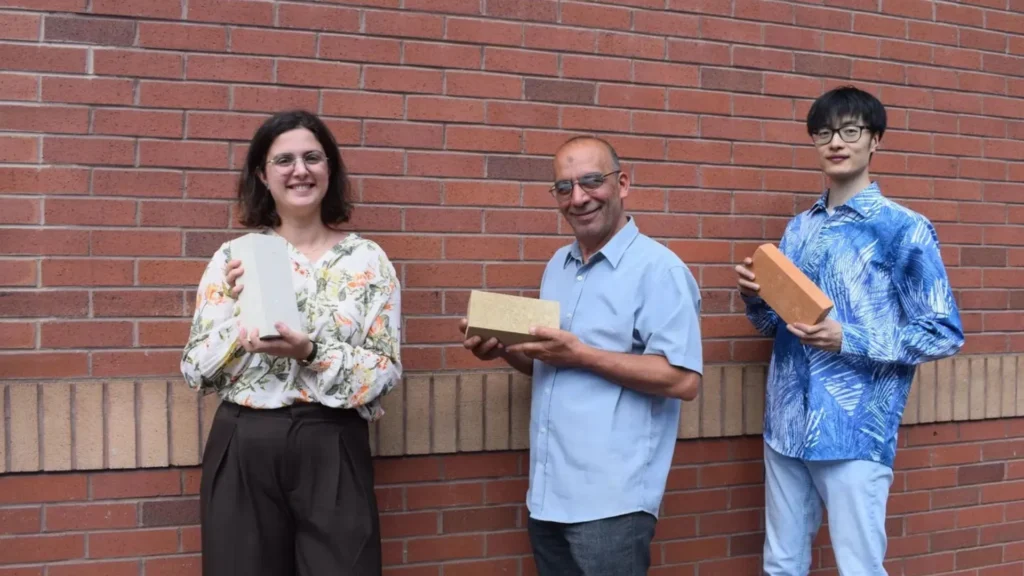
Earth4Earth improves construction with carbon-capturing bricks
A new technology promises to turn buildings into carbon sinks through materials that absorb CO₂ directly from the air.
A new technology promises to turn buildings into carbon sinks through materials that absorb CO₂ directly from the air.
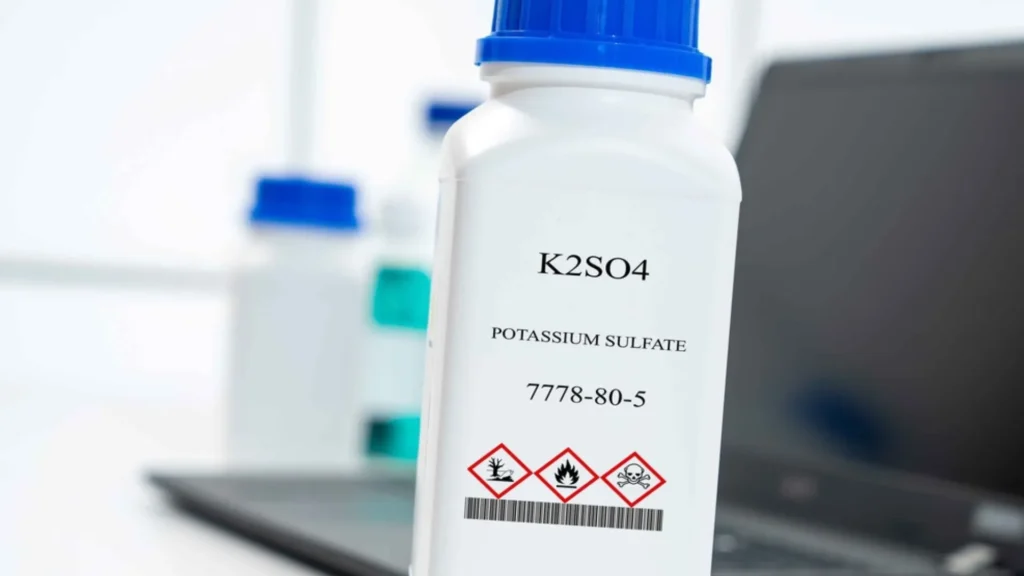
The company plans to leverage its potash mining licenses and concessions at Tuxford, Whiteshore and Lydden Lake Alkali as a primary input.
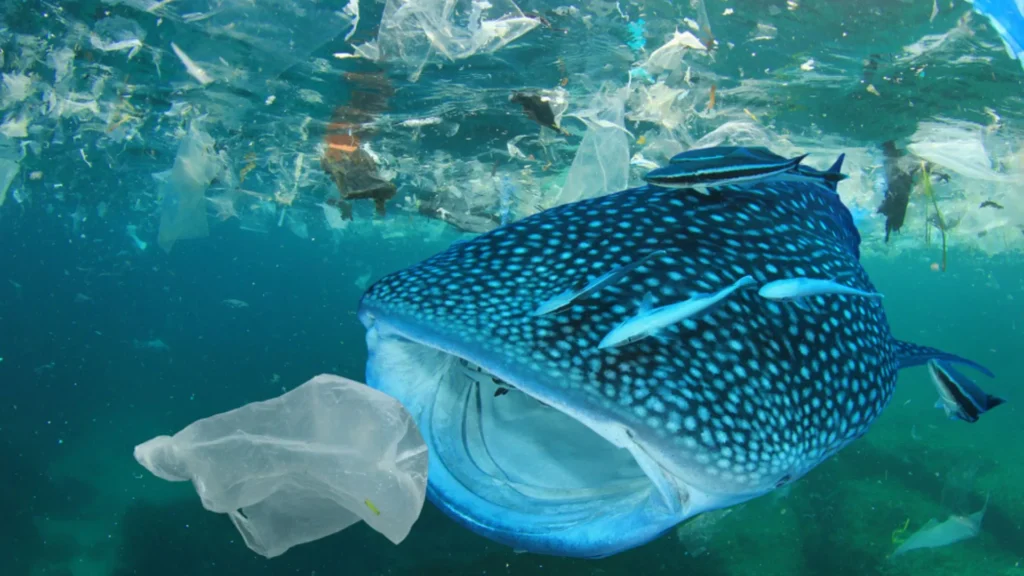
Millions of microscopic plastic particles have been found at all depths of the North Atlantic, even in remote areas of the ocean floor.
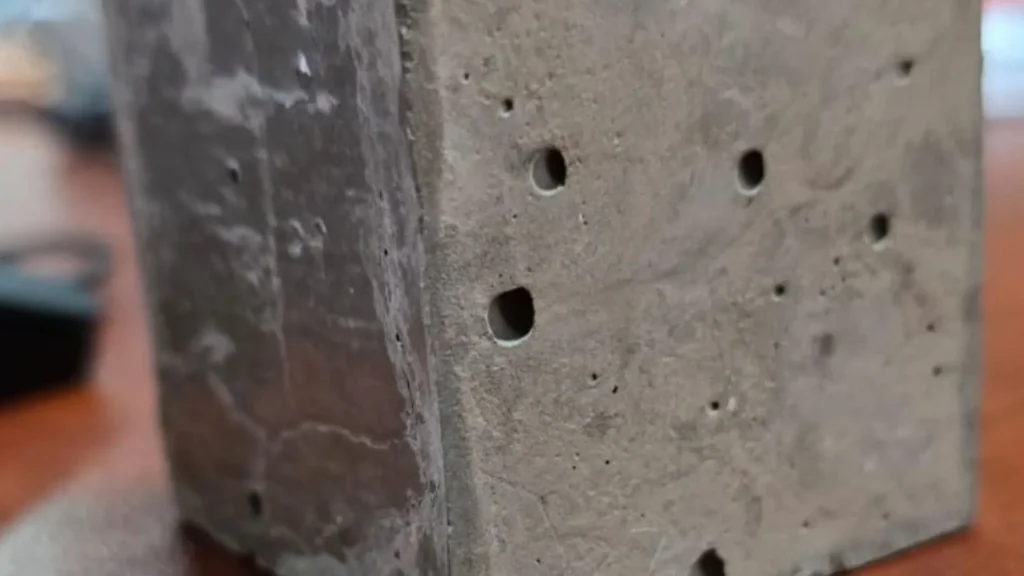
An alliance between the state-owned company and two Chilean universities has succeeded in reusing slag tailings as a cementitious material, with promising results for the environment…

The final financial reconciliation will be submitted by CPRA and NOAA upon completion of the closeout activities.
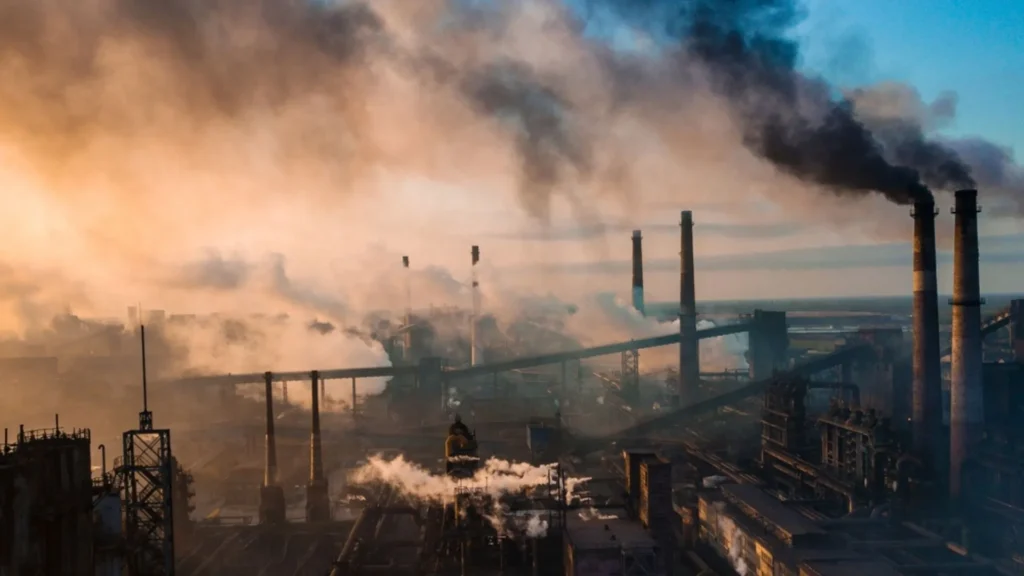
The company expects to capture and store up to 2 million metric tons of CO₂ per year.
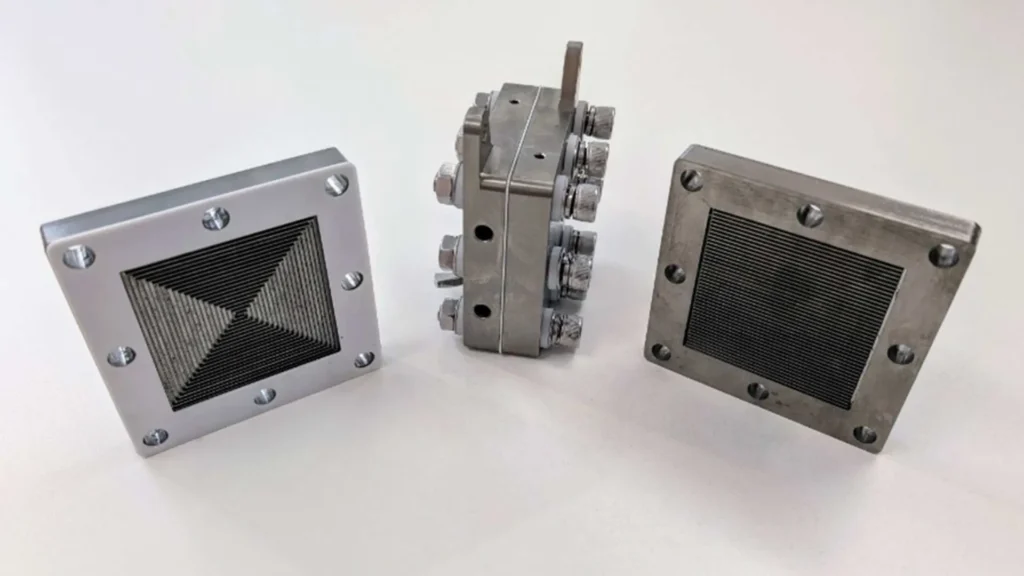
The University of Sydney team has been refining this approach for six years and is currently working on improving the efficiency of the electrolysis component.
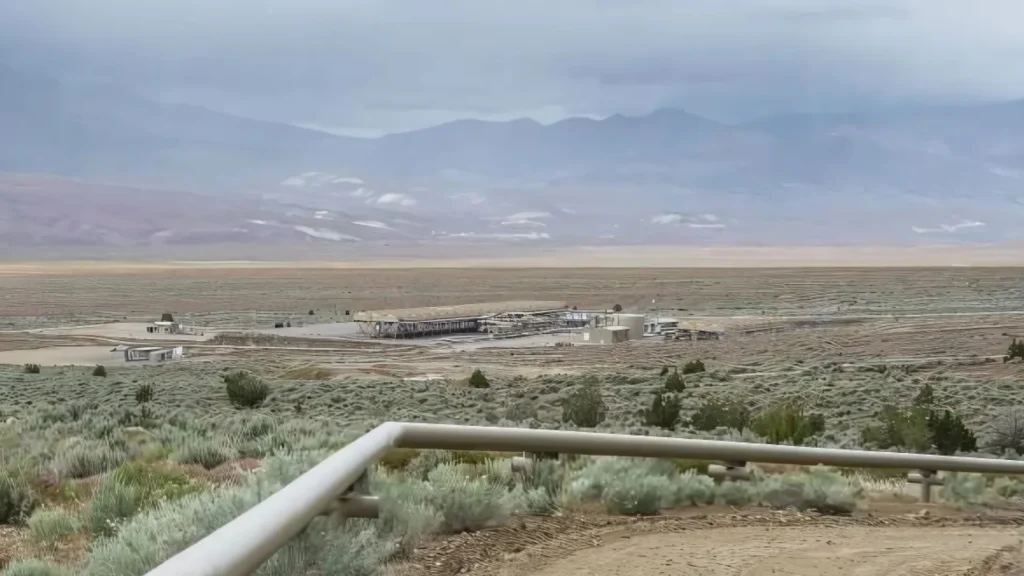
By integrating infrastructure such as pipelines with clean technologies such as geothermal energy, the United States is strengthening a resilient energy model that is less dependent…
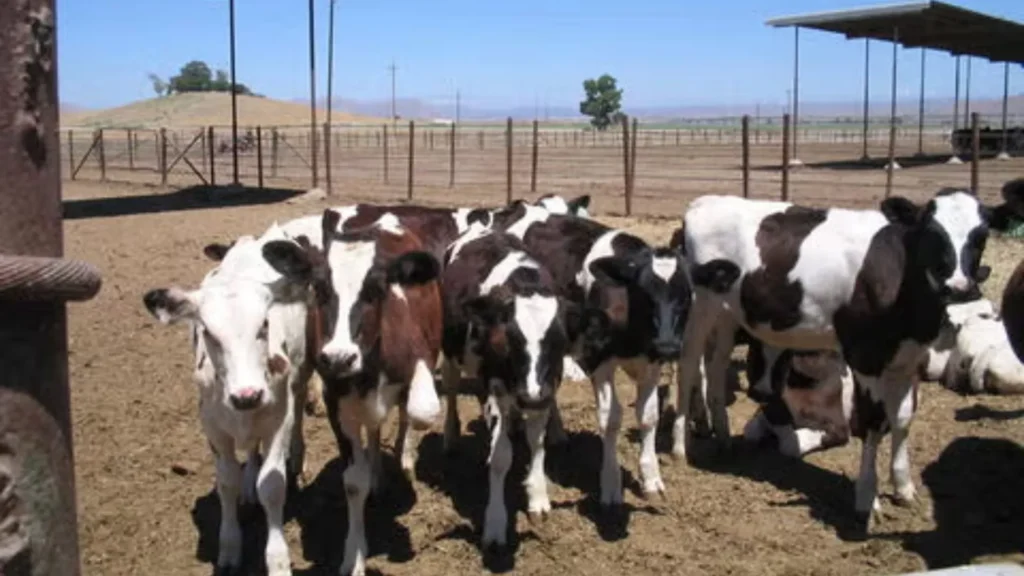
The captured methane was transformed into fuel to replace diesel in long-haul trucks.
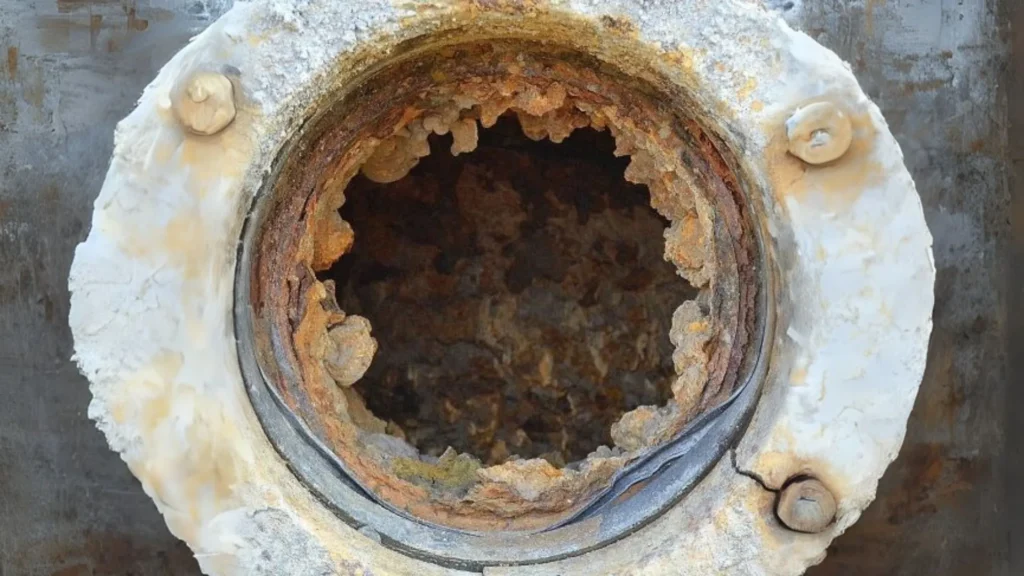
This innovation is based on the use of sludge from drinking water treatment combined with blast furnace slag to create a more resistant and environmentally friendly…
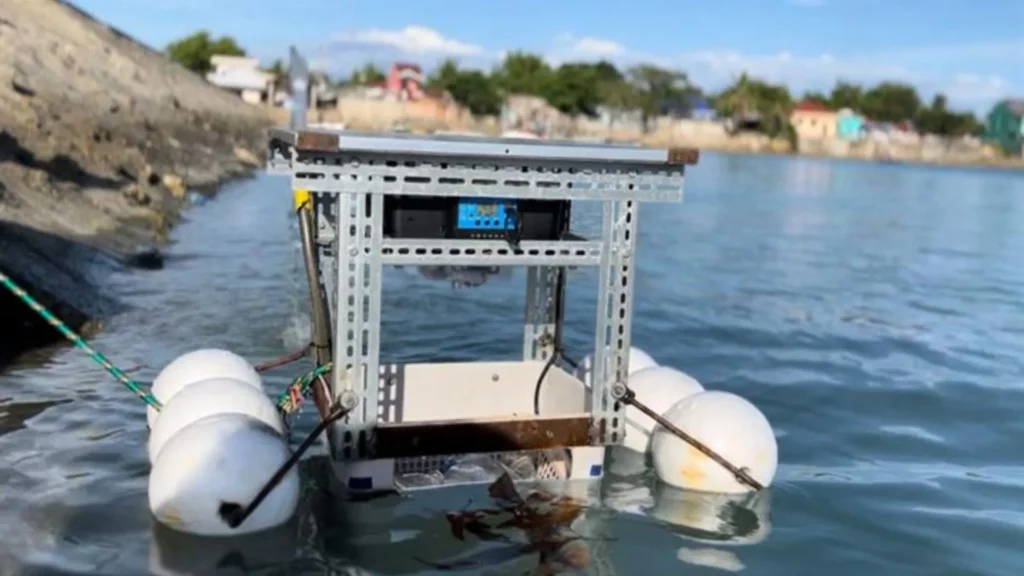
SeaGBin can operate even on cloudy days thanks to its gel battery and transmit real-time location, trash level and river conditions.
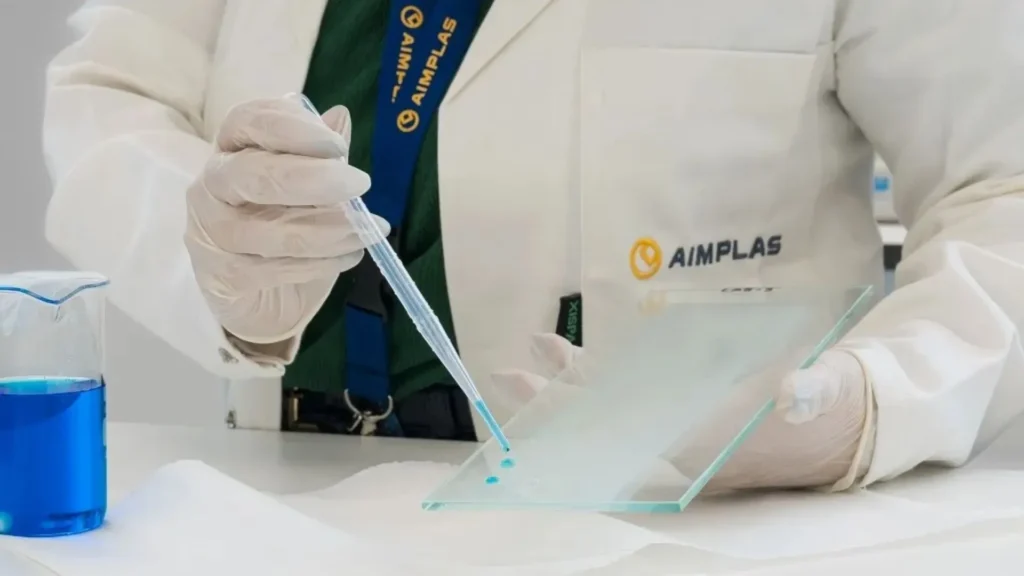
The joint objective of this initiative is to generate viable solutions for the market that contribute to cleaner cities.