
News
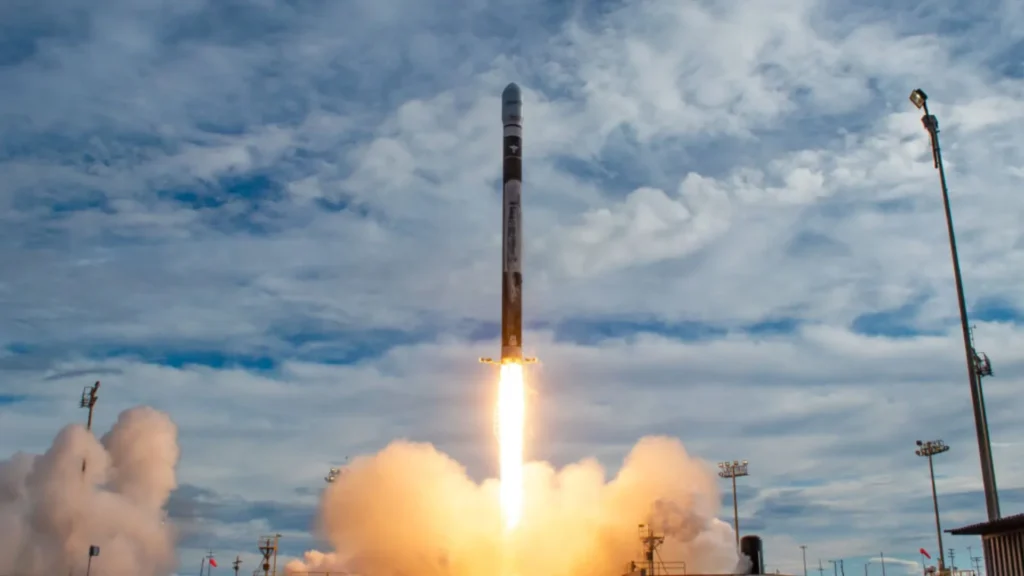
Firefly Aerospace prepares to launch Alpha FLTA006 with the LM 400 satellite
Firefly has demonstrated its ability to deliver innovative technologies in the aerospace sector.
Firefly has demonstrated its ability to deliver innovative technologies in the aerospace sector.
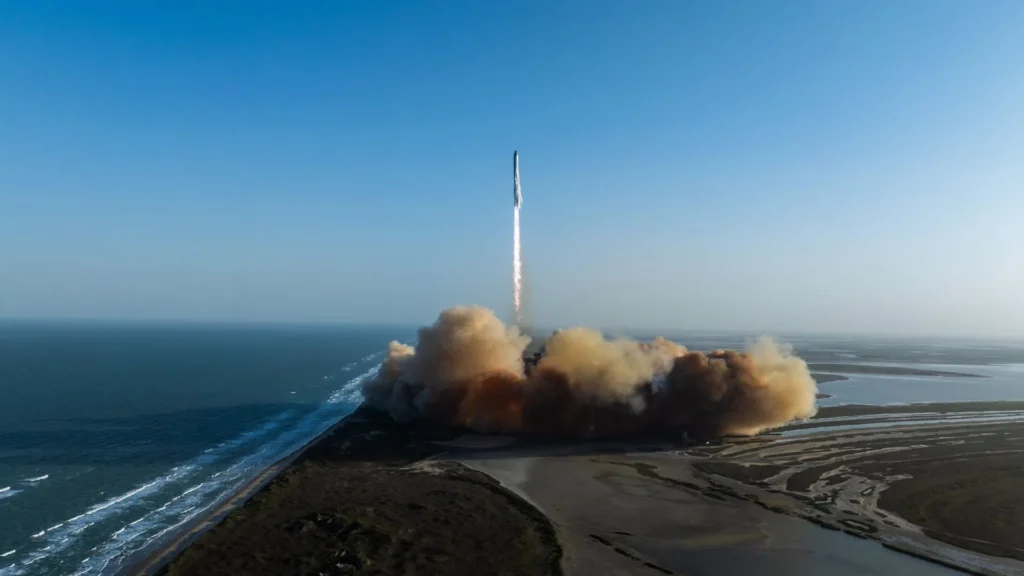
A malfunction caused the engines to fail, causing them to explode in the air.
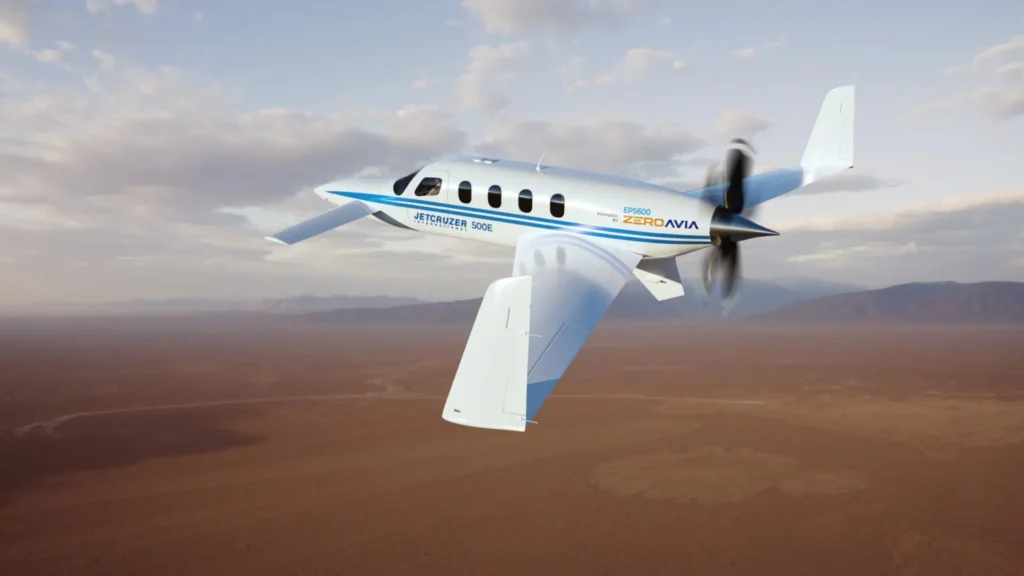
The aircraft, which will incorporate ZeroAvia's electric propulsion system, is based on a design from the 1990s.
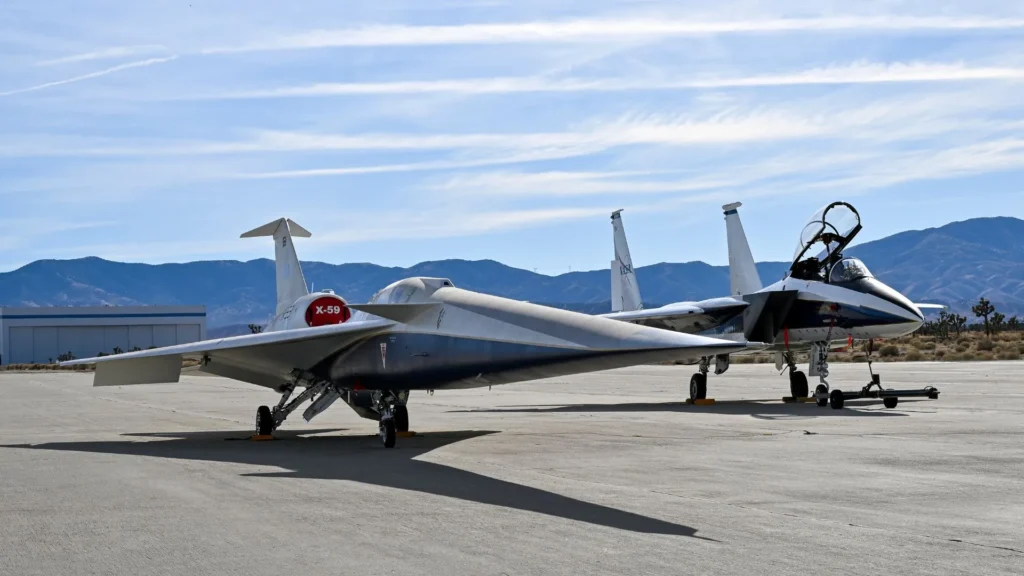
The X-59 was placed in front of a NASA F-15D at different distances to test its electromagnetic compatibility, simulating close flight conditions.

The company is seeking to optimize its production of aerospace components and ensure greater operational efficiency in the future.

Following landing, Firefly and NASA will hold a press conference to discuss the results and next steps of the mission.
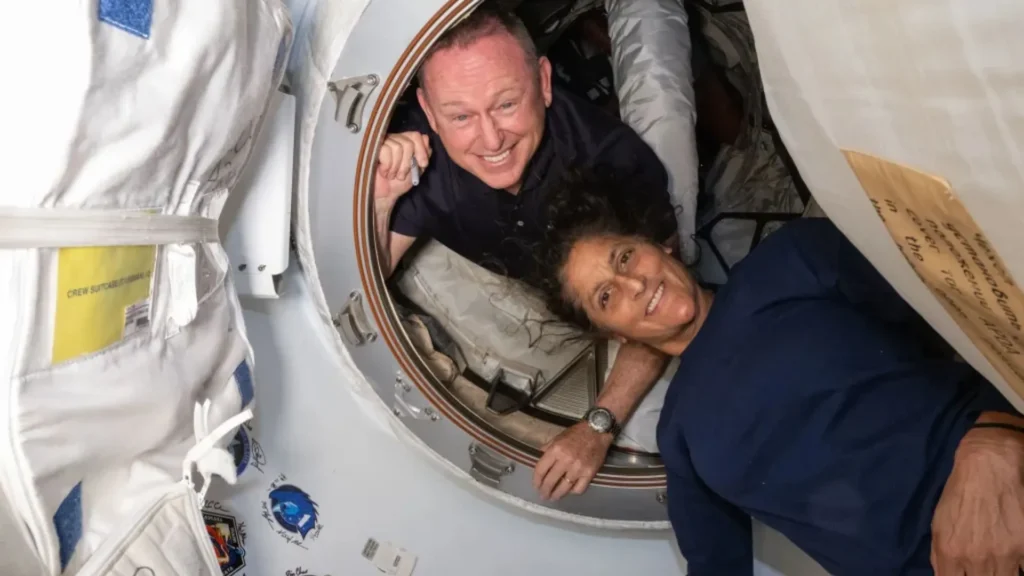
NASA has opted to switch to SpaceX for the return of astronauts after months of waiting due to failures with Boeing's Starliner.
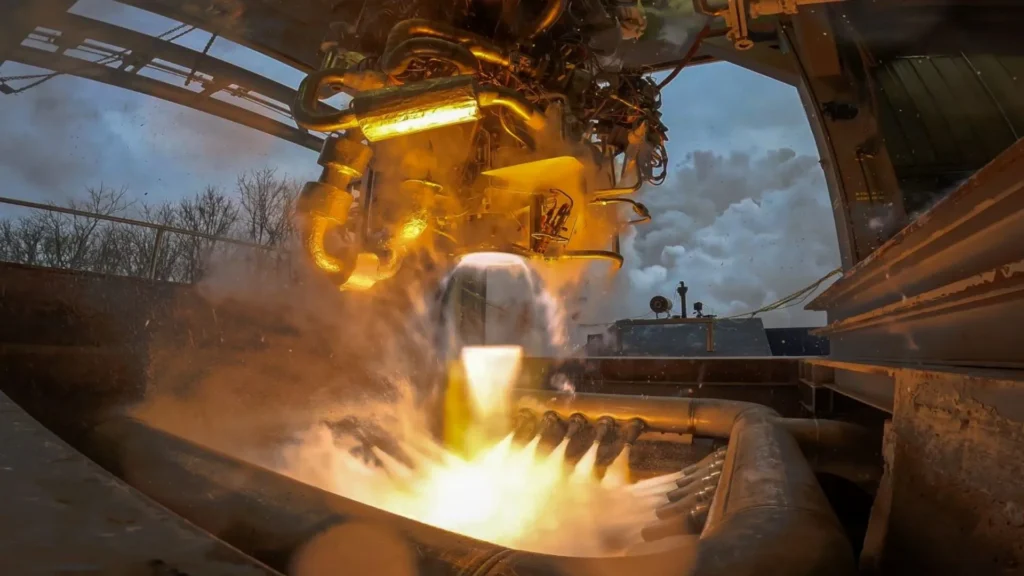
The VR35K-A engine marks a significant advancement in space propulsion, enabling unparalleled performance on national security missions.
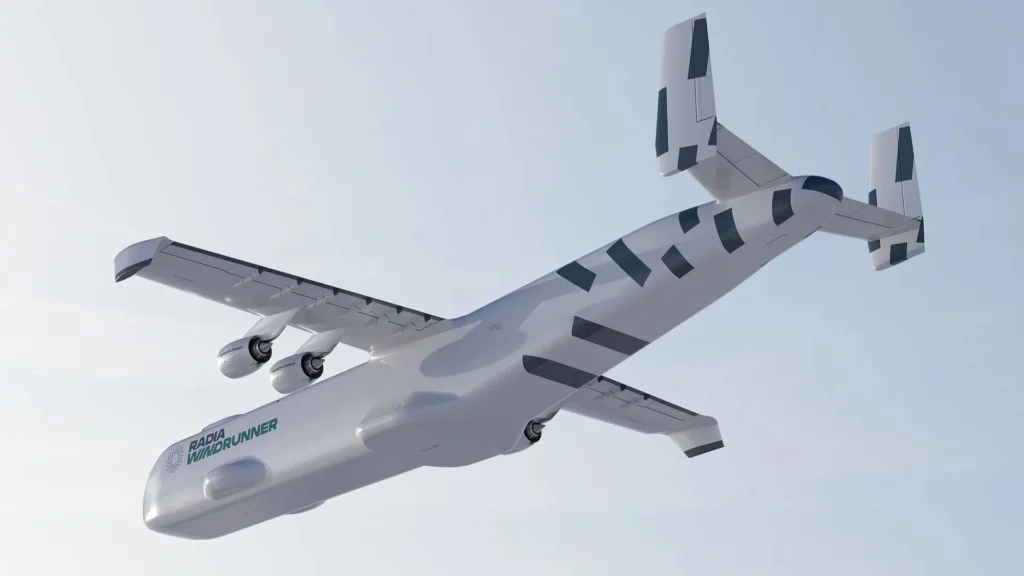
It will be the largest cargo plane in the world, measuring 108 metres in length and capable of transporting wind turbine blades measuring over 100 metres.
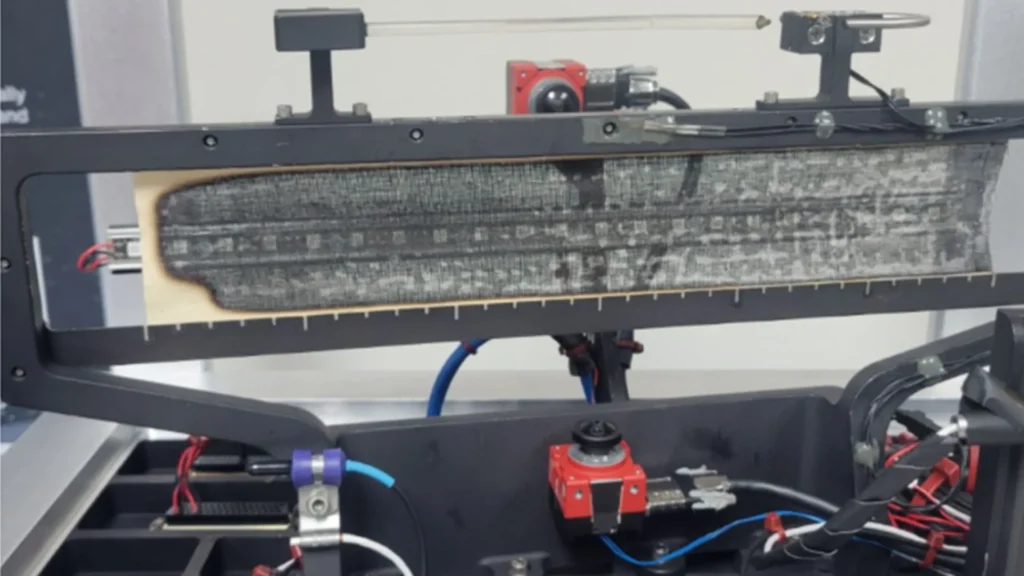
To simulate lunar gravity, the mission's payload capsule rotated at a specific speed during flight.

The James Webb telescope will analyze asteroid 2024 YR4 to refine calculations about its trajectory and assess its potential risk.
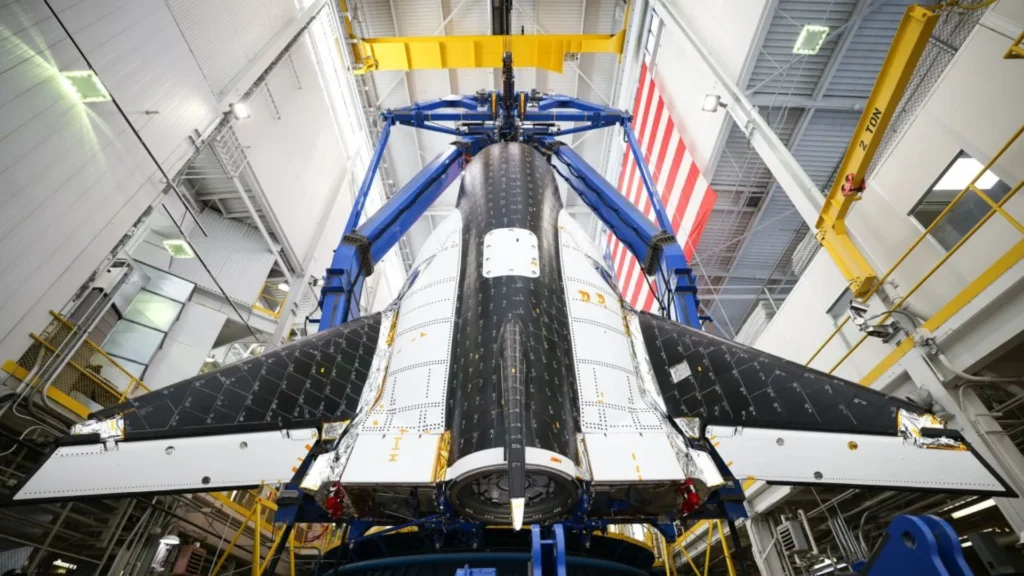
Dream Chaser is moving forward in development after passing crucial tests for its first mission to the International Space Station.