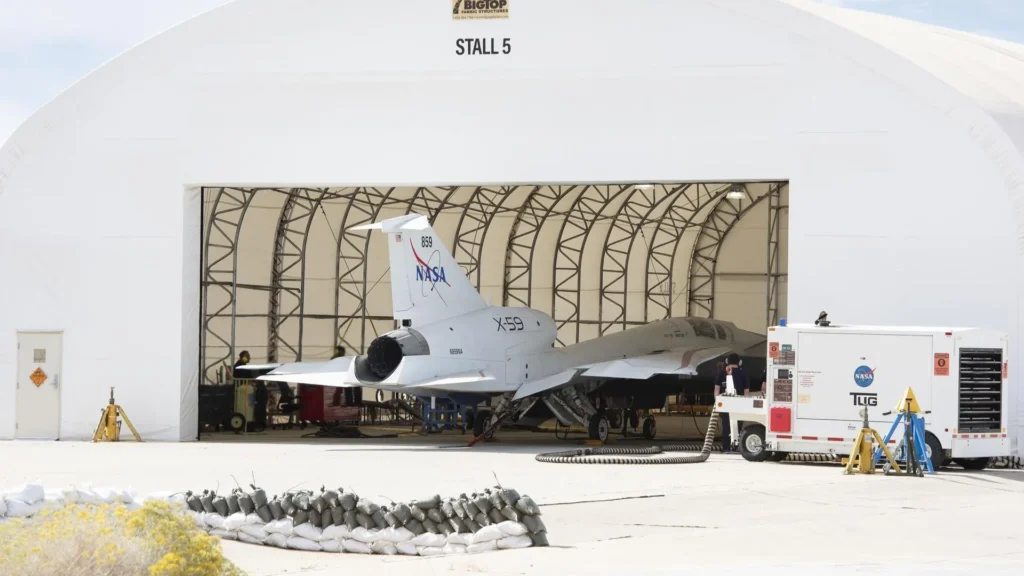
NASA’s X-59 Moves Toward Flight With Successful Testing of Its Supersonic Engine
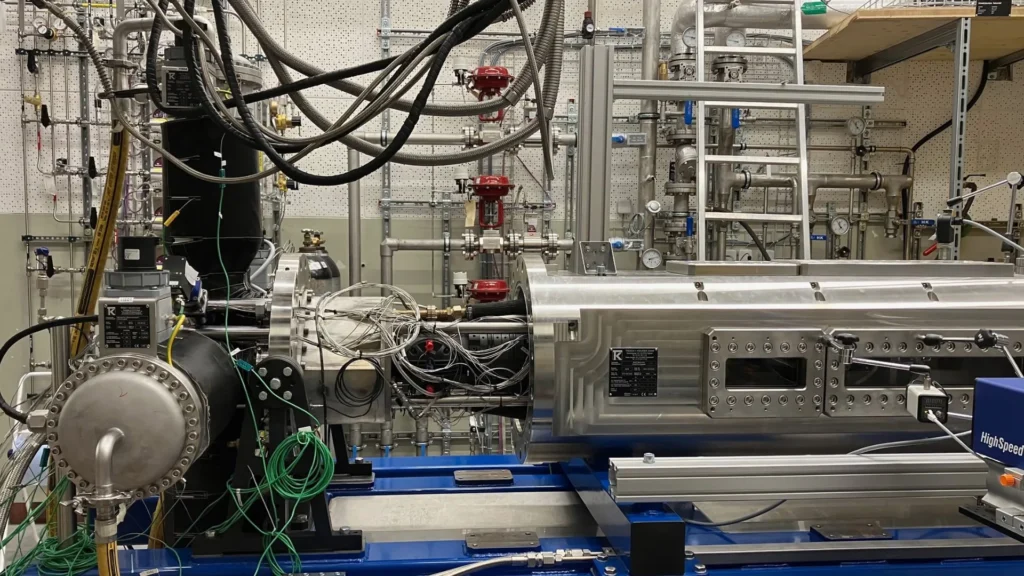
The X-59, with its 22,000-pound-thrust F414-GE-100 engine, promises to reach Mach 1.4 without the characteristic boom.
The X-59, with its 22,000-pound-thrust F414-GE-100 engine, promises to reach Mach 1.4 without the characteristic boom.

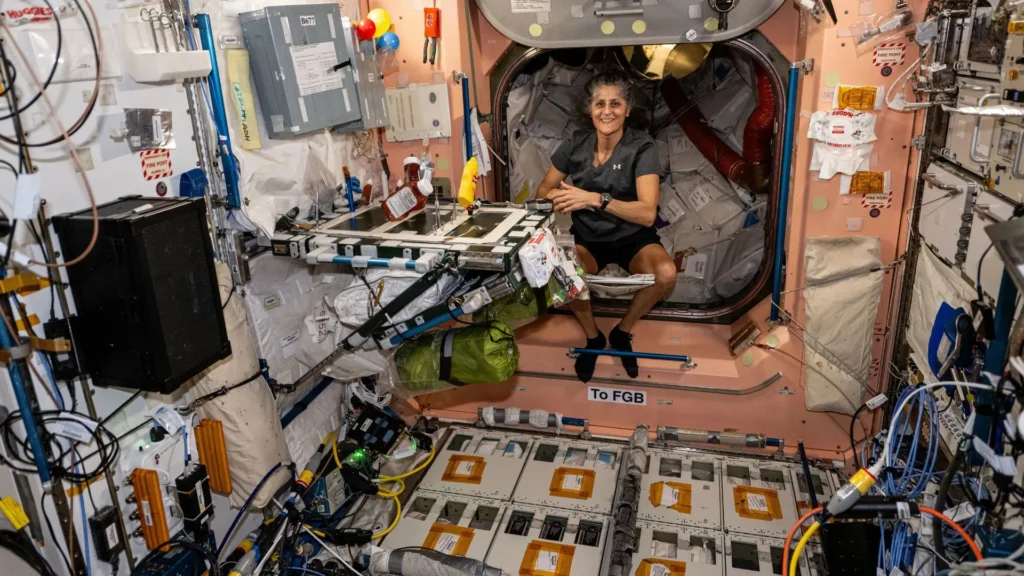
Both she and her partner must consume between 3,500 and 4,000 calories a day just to maintain their weight.

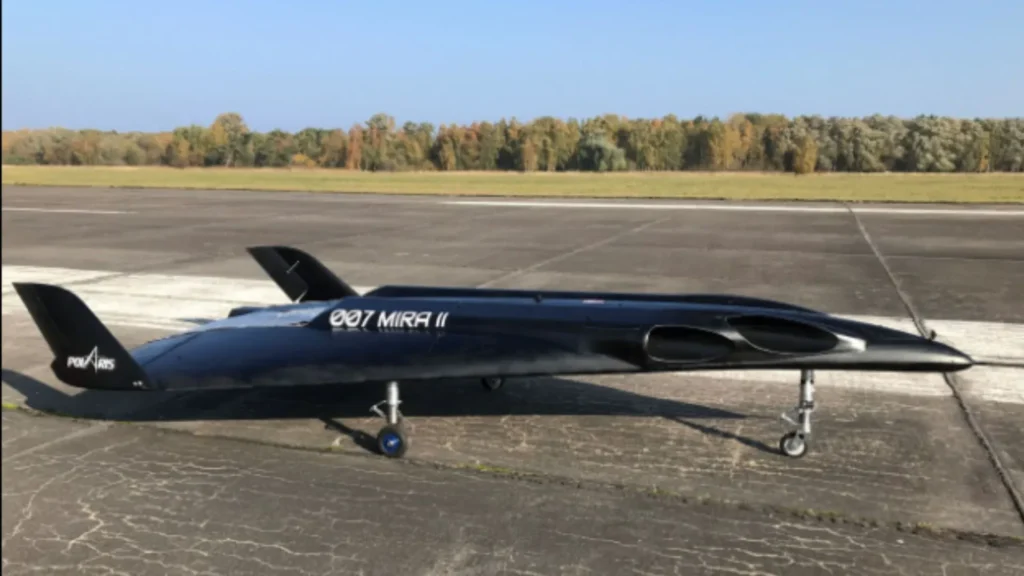
MIRA II becomes the first vehicle to ignite an aerospike in mid-flight.

Optical fibers created in microgravity could transform space communications and advance precise medical treatments on Earth.

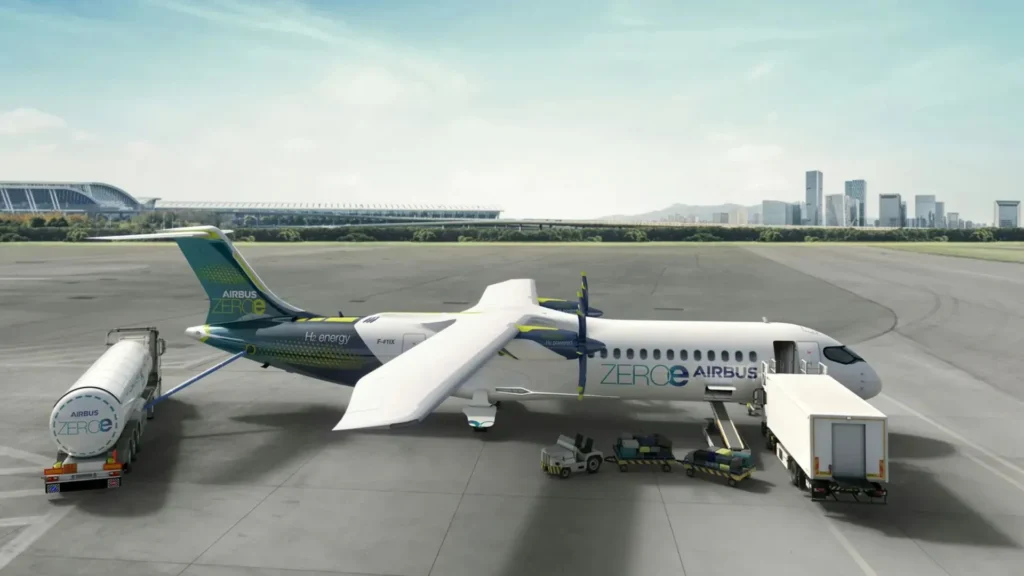
A hydrogen-powered plane can store energy 30 times faster than batteries.

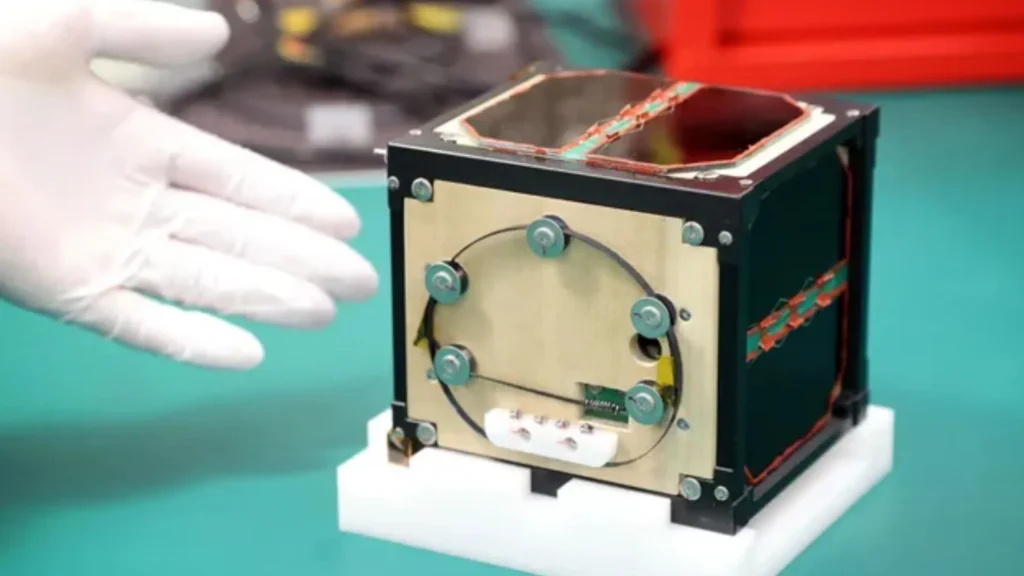
The LignoSat is made of magnolia wood, a technology inspired by samurai sword sheaths.

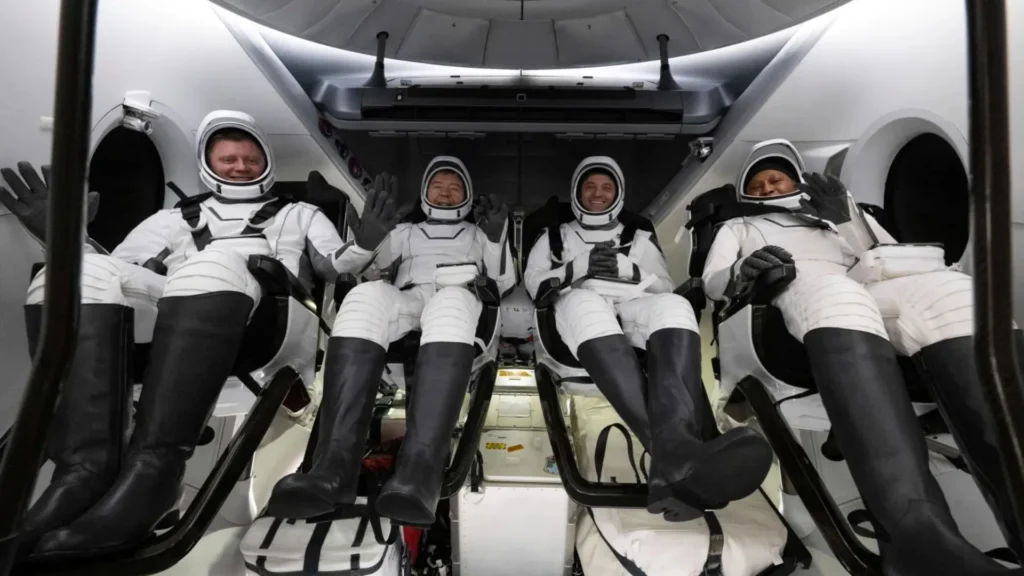
China's vision and plan is to increase its space research by launching new missions to the Tiangong Space Station.

These commercial missions consolidate public-private collaboration in the space sector, paving the way towards self-sufficiency in future explorations.

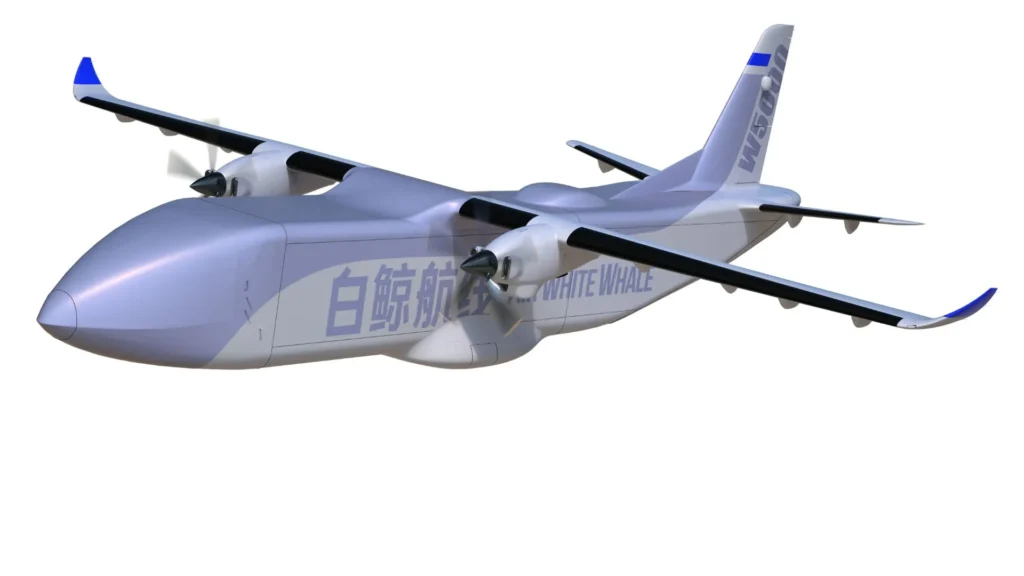
It features an optimized cargo hold that increases space utilization by more than 15% compared to traditional cargo aircraft.

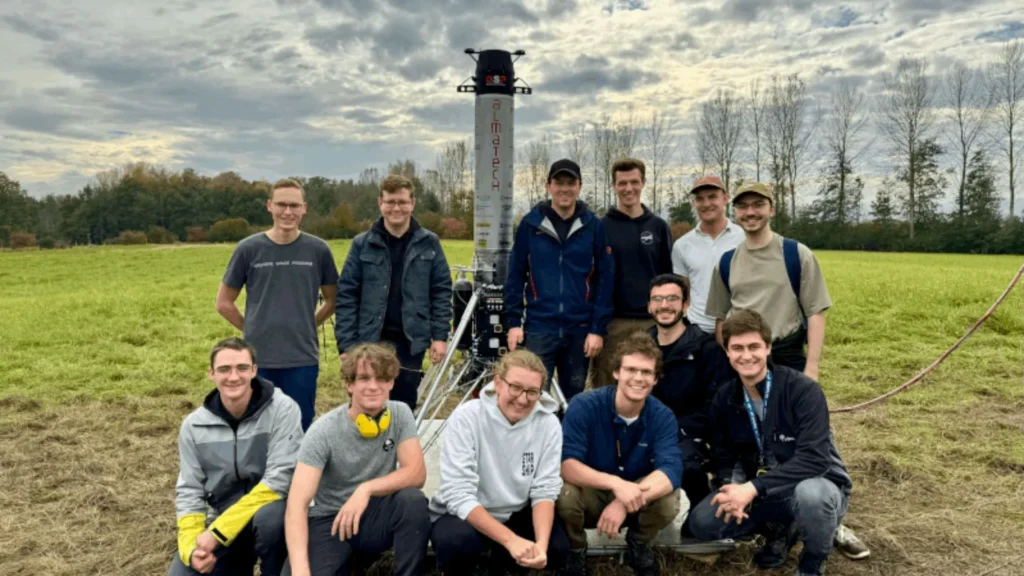
The Colibri rocket completed its first successful flight for less than 250,000 Swiss francs.

The three companies project that Japanese airports could need several tons of hydrogen a day by 2050 to power aircraft.

This discovery could reduce the amount of materials that would need to be transported from Earth, facilitating the creation of extraterrestrial settlements.