
News
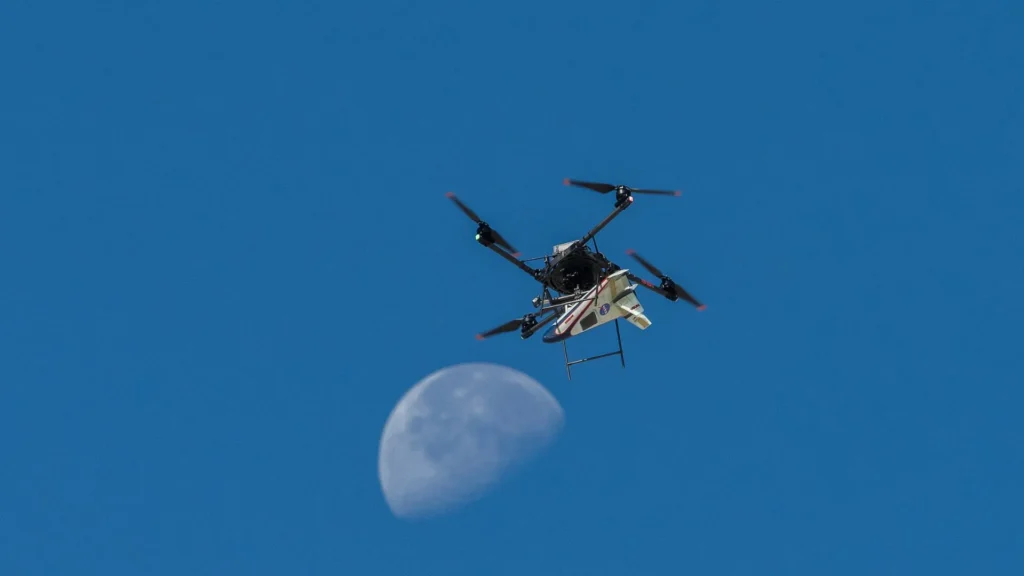
NASA launches its atmospheric probe from a drone in a historic flight
NASA successfully tests its new drone-launched atmospheric probe, opening up new possibilities for planetary exploration.
NASA successfully tests its new drone-launched atmospheric probe, opening up new possibilities for planetary exploration.
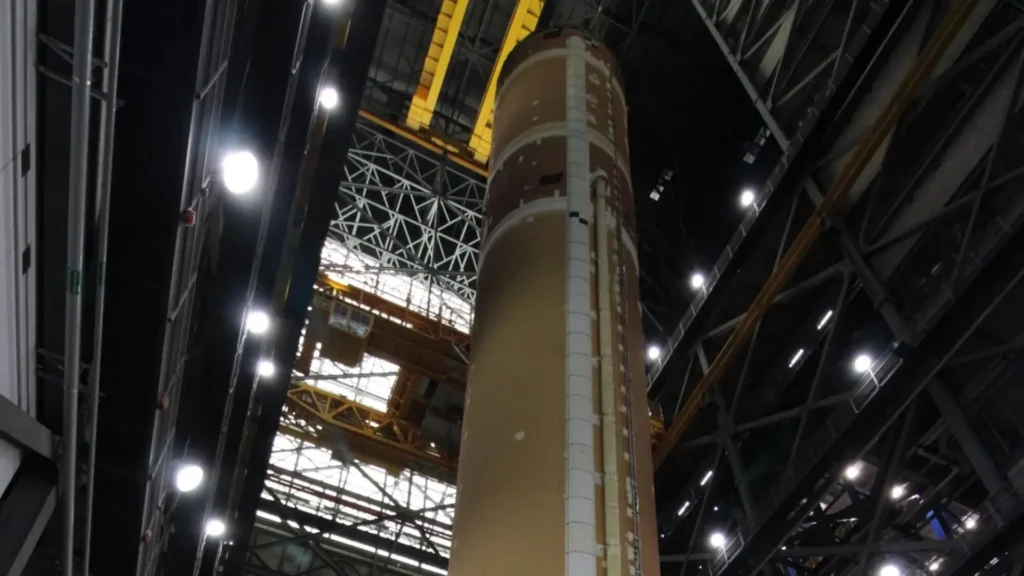
This test flight will evaluate the capabilities of the SLS rocket and prepare astronauts for future lunar exploration missions.
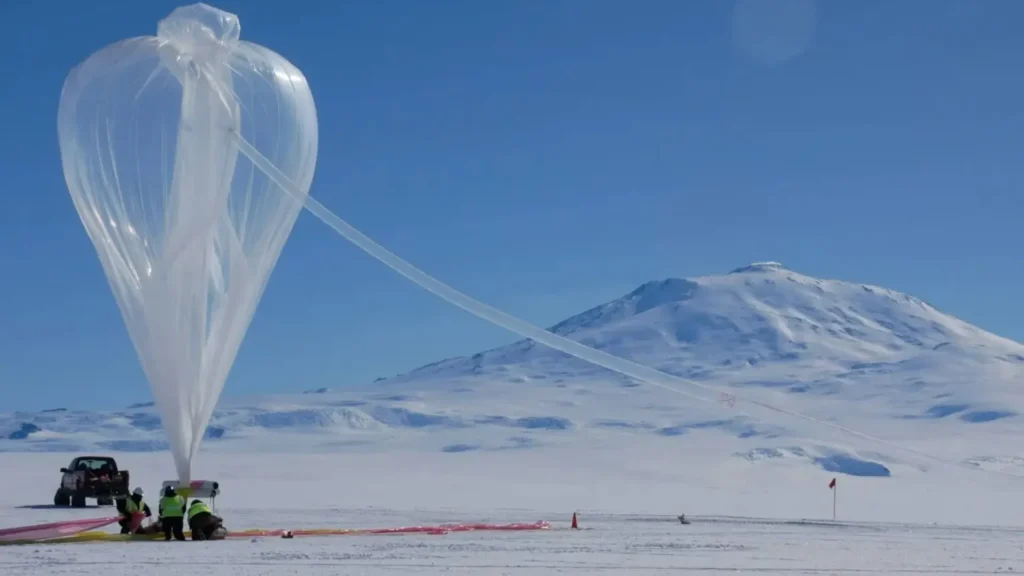
NASA's Science Balloon Program launches key missions from Antarctica to study dark matter, climate change and more.
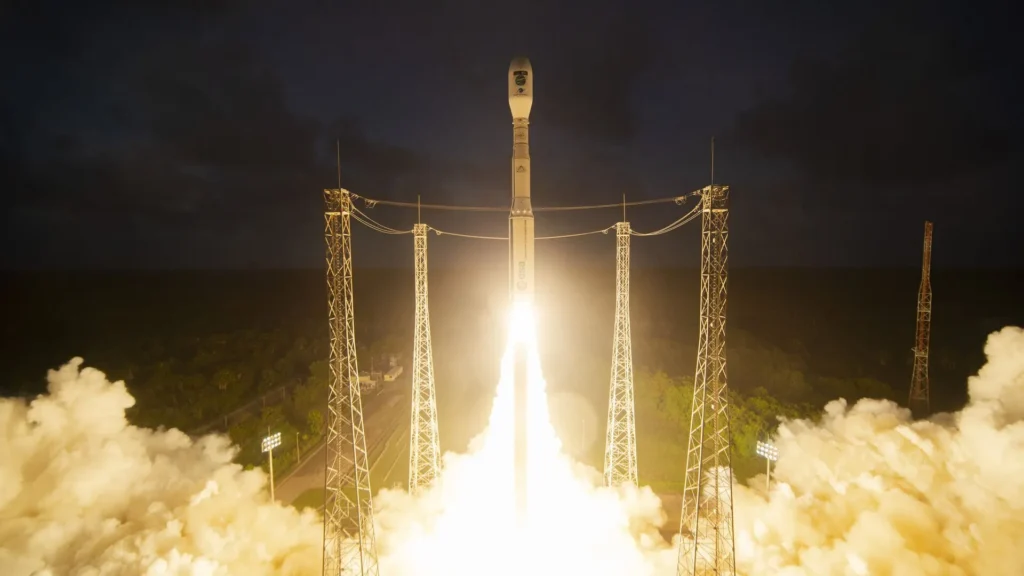
With the triumphant return of Vega-C to space and the new Sentinel-1C mission, Europe is consolidating its position as a benchmark in space exploration and scientific…
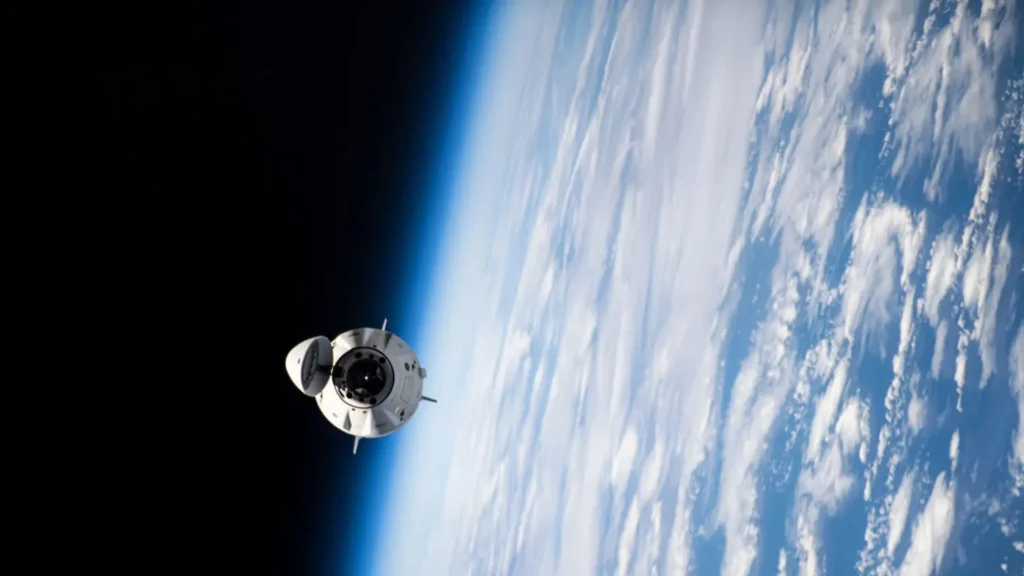
SpaceX Dragon returns to Earth with key scientific investigations, including samples on microbial DNA and space radiation.

Blue Origin continues its advance in space exploration, successfully completing its 28th crewed mission in the New Shepard program.
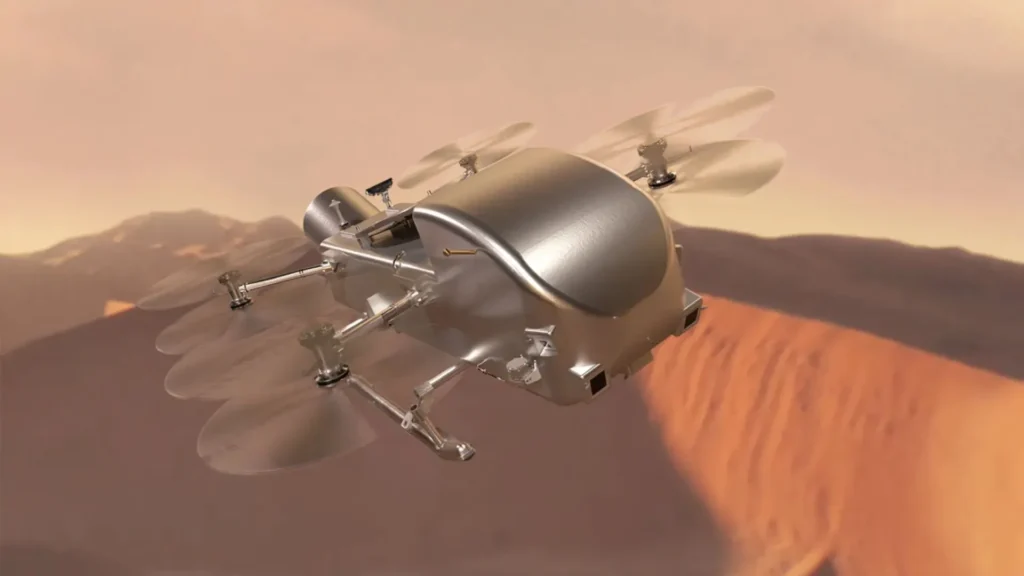
During the mission, the Dragonfly autonomous vehicle will take samples of materials and study the organic elements present on Saturn's satellite.
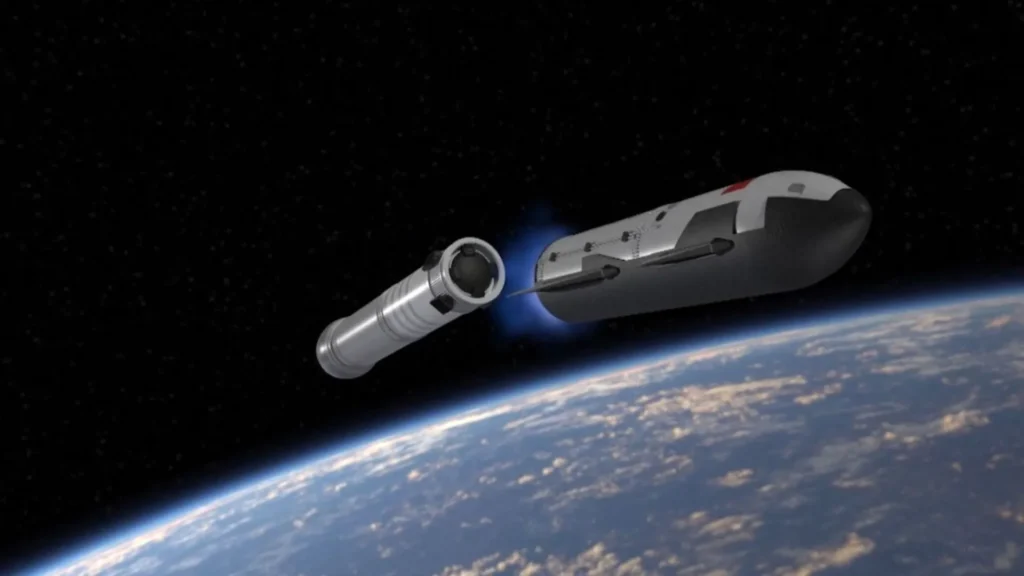
This rocket has a load capacity of 100 tons in low orbits and will be used for space exploration missions and the construction of strategic infrastructure.
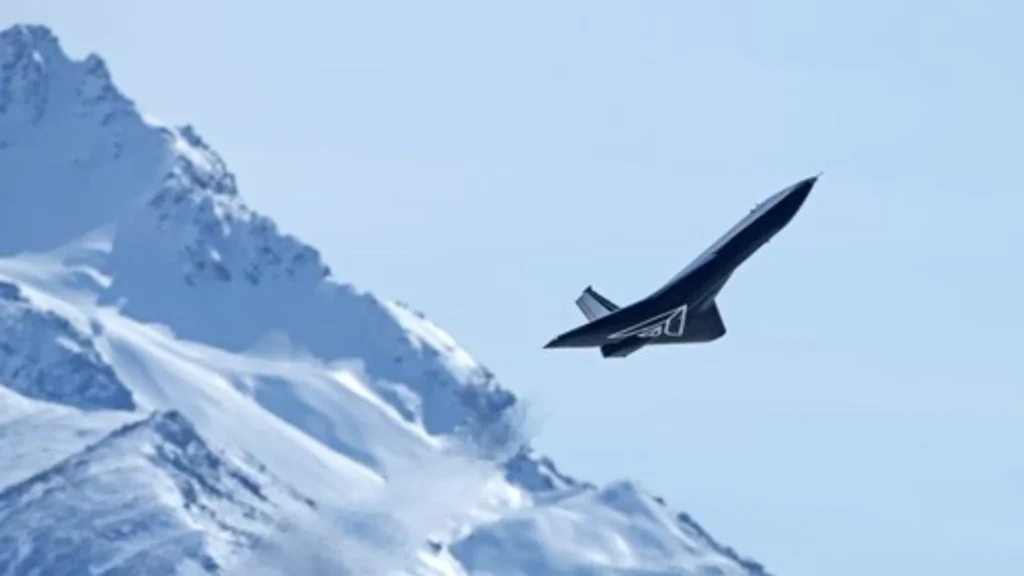
Its pure propulsion engine provides thrust-to-weight ratios 20 times higher than conventional engines.
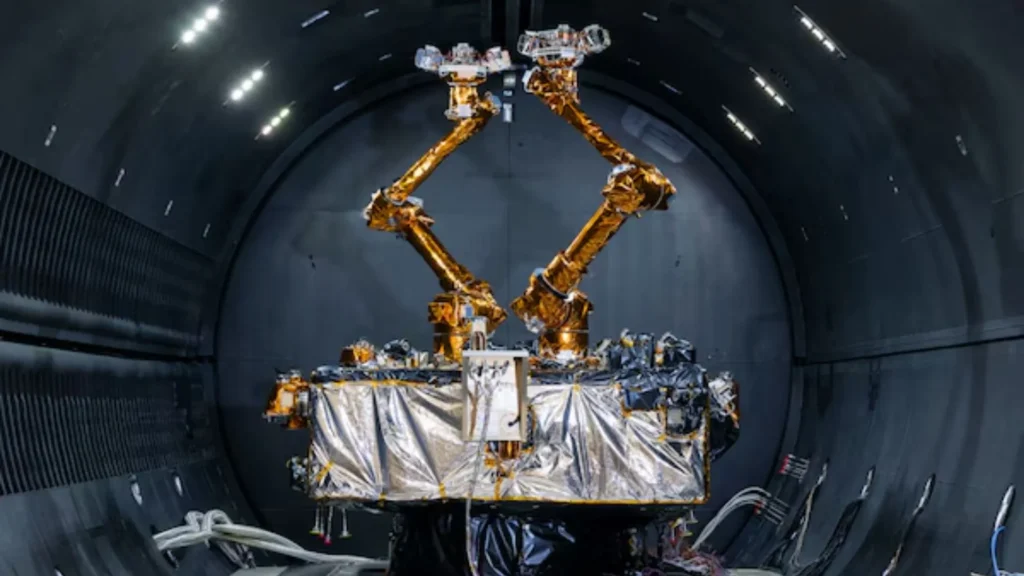
NRL robotics revolutionizes satellite repair, ensuring resilience and sustainability in space.
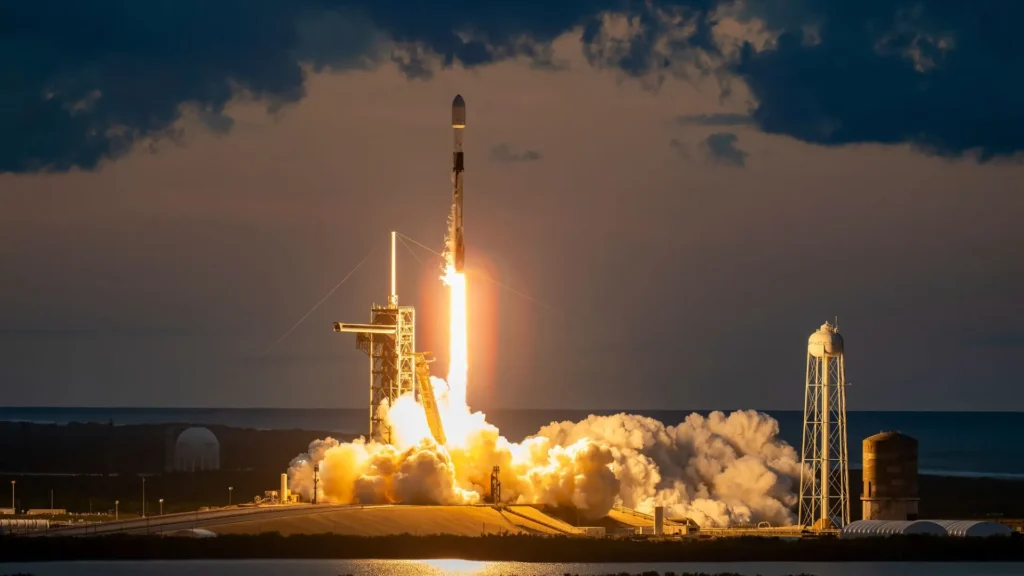
Each successful achievement reaffirms SpaceX's dominance on the Space Coast with its vast aerospace experience.
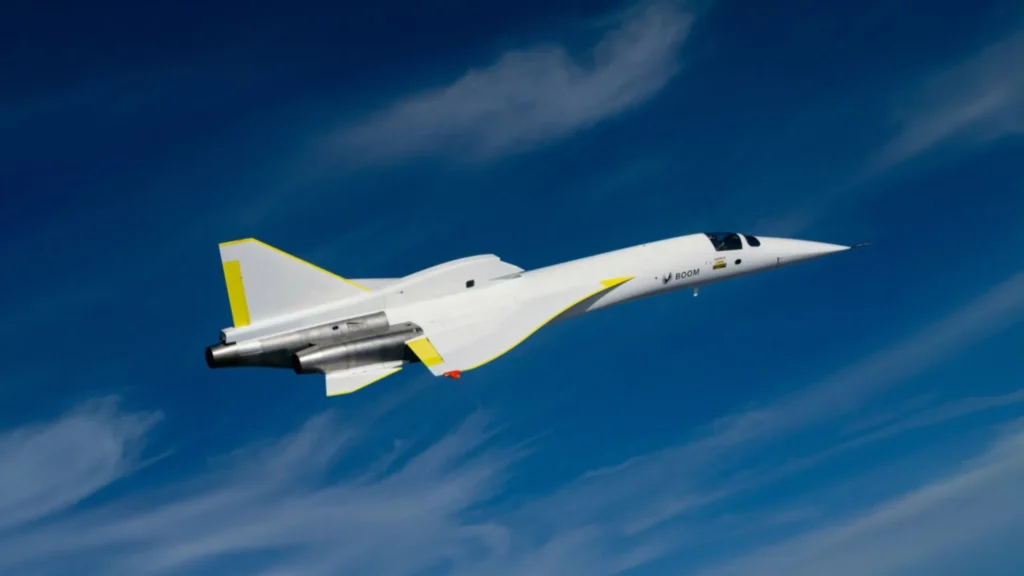
The XB-1 reaches Mach 0.82 and extends its altitude to 23,015 feet, approaching supersonic speed