
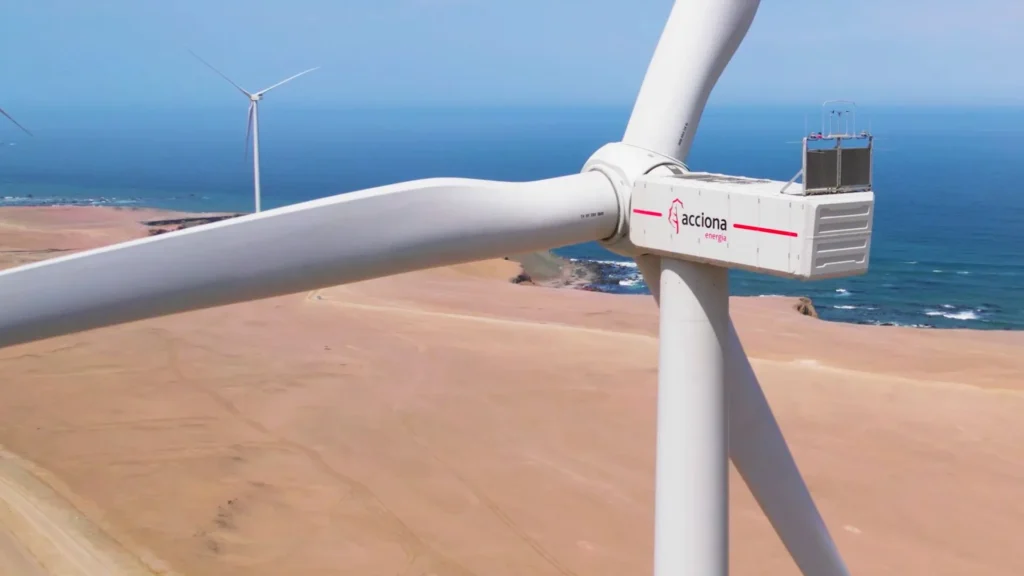
Acciona Energy sells San Juan de Marcona wind farm to Luz del Sur
The sale strengthens Acciona's financial position and expands Luz del Sur's renewable presence in the Peruvian market.

I am a civil engineer and I work in the writing area. I have a deep passion for civil works. I constantly seek to update myself on new engineering technologies to integrate them into my work, since my main interest is exploring how innovations in the industrial sector can improve and transform the world.
The sale strengthens Acciona's financial position and expands Luz del Sur's renewable presence in the Peruvian market.
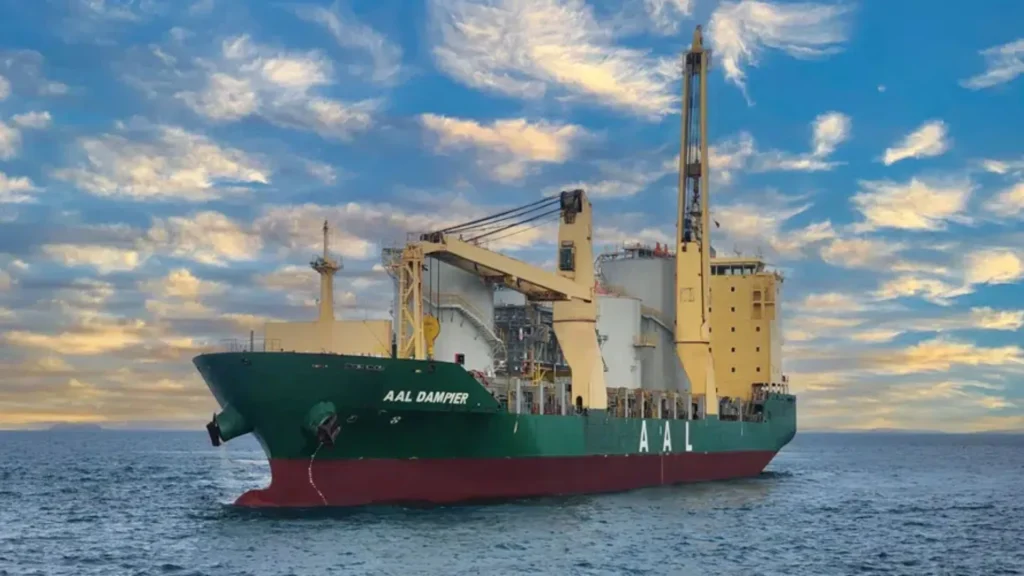
The logistics operation pushed the capabilities of the AAL Dampier vessel to its technical limits with components of up to 100 tons and 20 meters.
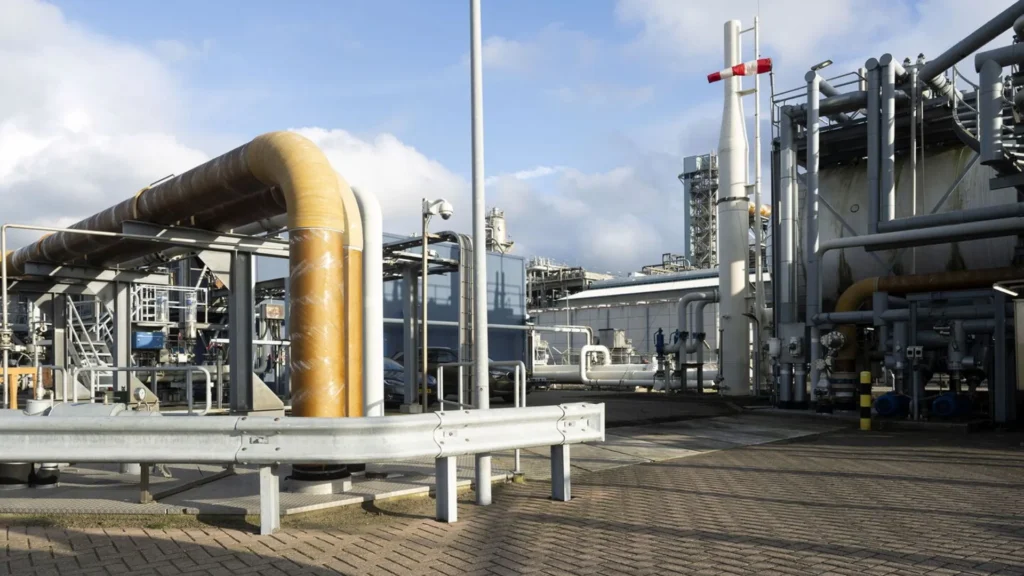
Shell and Linde integrate their electrical operations in Rotterdam through an industrial e-hub in the face of grid saturation.
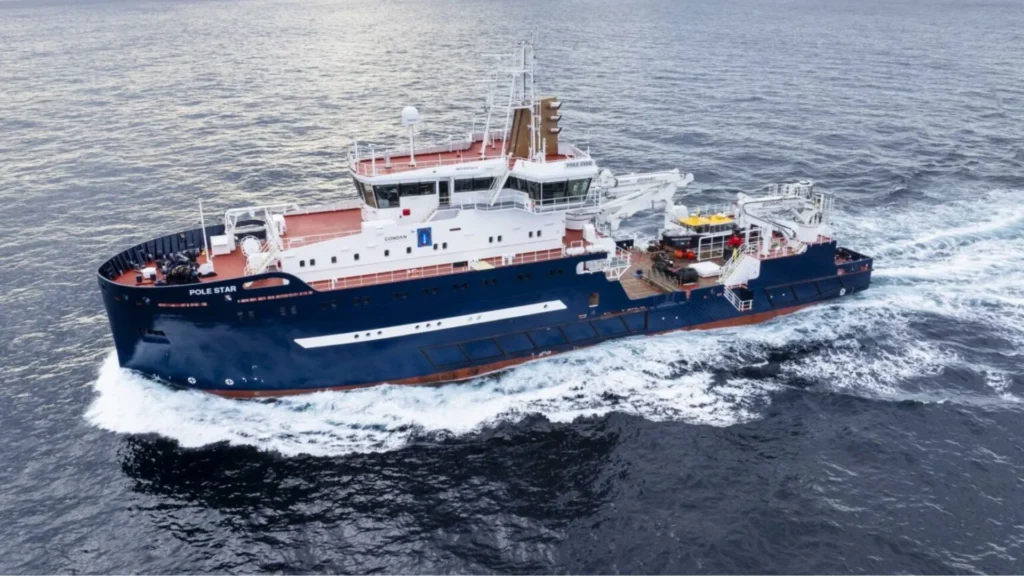
Delivery of the Pole Star strengthens the NLB's operational capability with hybrid technology and coastal navigation support systems.
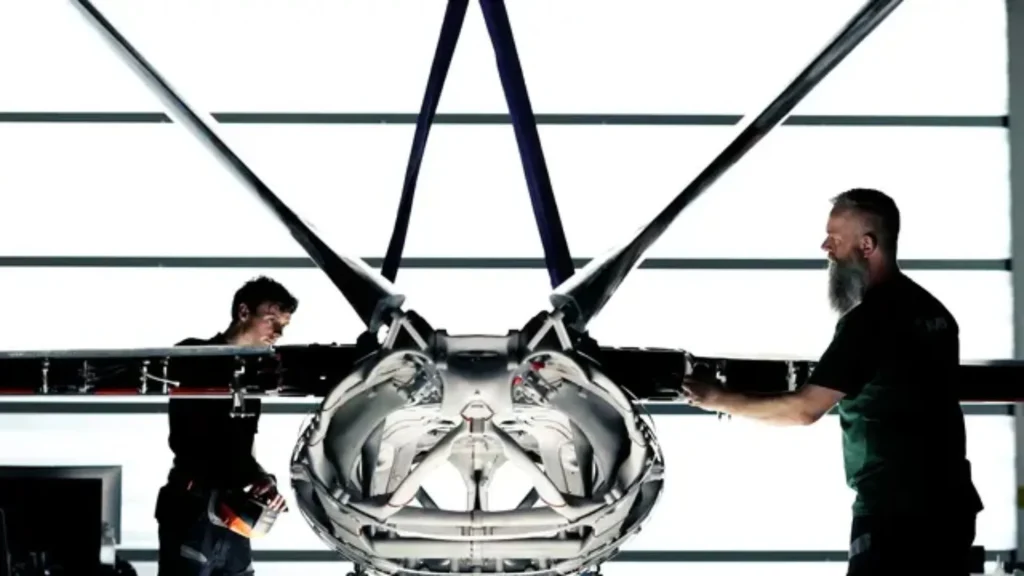
4.5-meter fuselage, 3D printed and assembled without tools, will fly in 2026 as an autonomous drone.

The 580-meter arch was closed at 310 meters above sea level, over one of the most complex canyons in Chongqing.
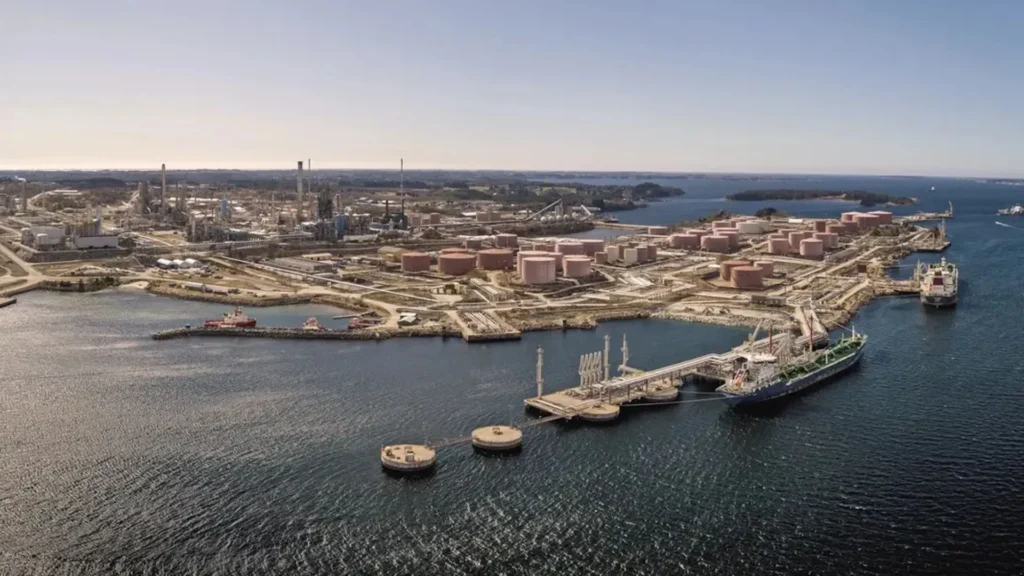
The company is facing a lawsuit after self-reporting past emissions in Mongstad, which resulted in sanctions by Økokrim.
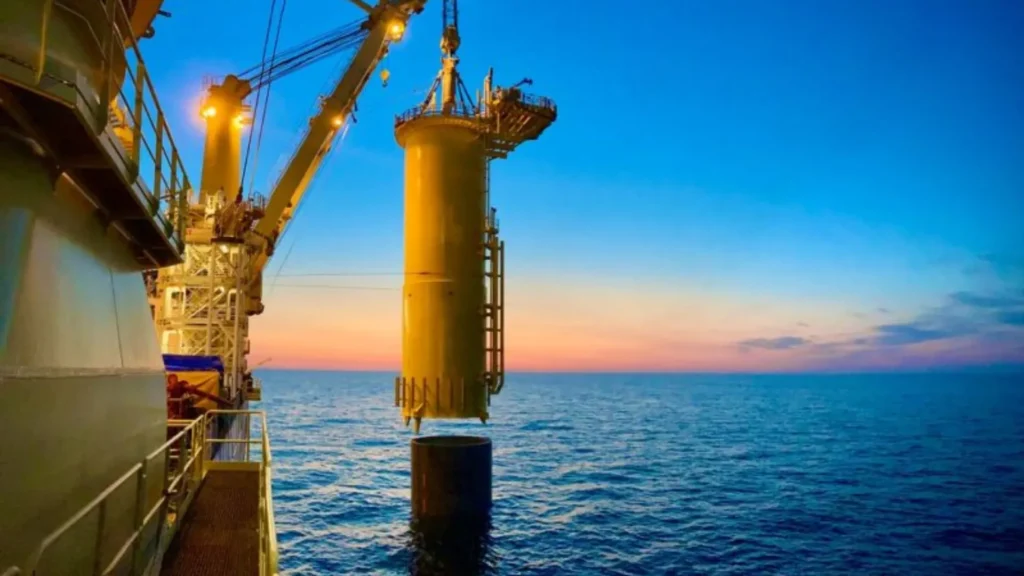
The company will coordinate the total logistics of transition parts at a new offshore wind farm.

8 new methanol-powered containerships will drive Hapag-Lloyd's energy transition to a cleaner and more efficient fleet.
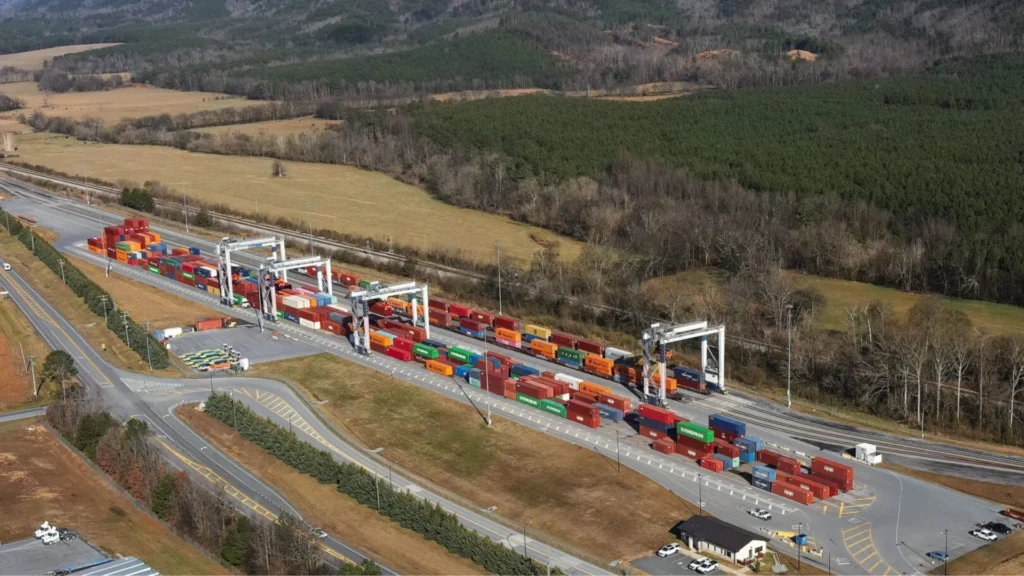
The ARP moved 3,876 containers in November, consolidating its key role as an intermodal logistics hub in the southeast U.S.
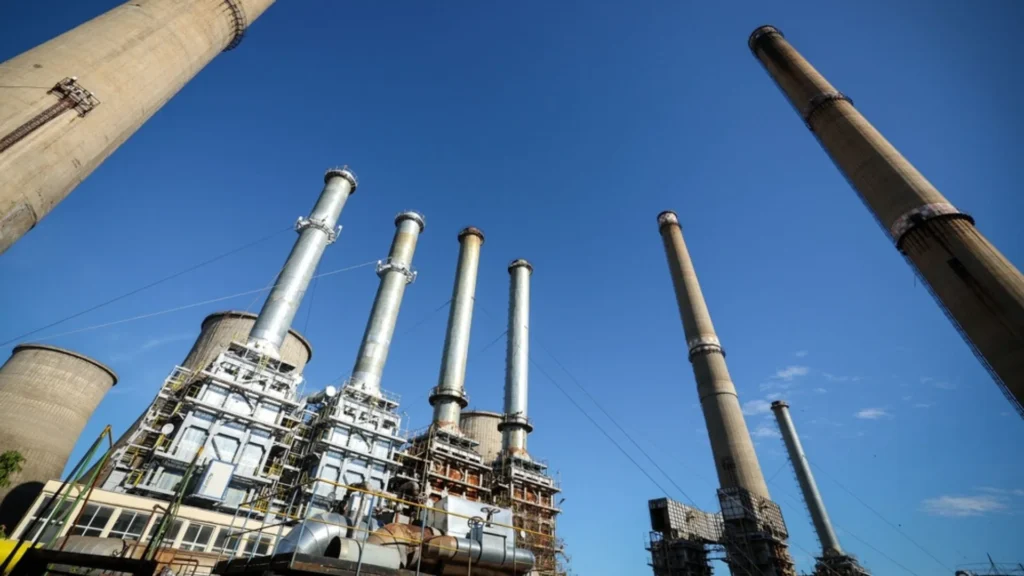
CELEC faces critical failures in Esmeraldas III and evaluates breaking contract with ATM due to damages to the national energy system.

BP connects two new subsea wells to the Atlantis platform and anticipates production in the Gulf of Mexico.