
ISO 27001 and cybersecurity: Key to managing digital risks
ISO 27001 establishes requirements for implementing an Information Security Management System, protecting assets through risk management.

Doctor in Administrative Sciences and management consultant with a solid background in Industrial Engineering, quality management and productivity engineering. His academic experience spans almost two decades, being a professor at various institutions and the author of books and numerous scientific articles in areas such as quality management, strategic foresight and business models.
ISO 27001 establishes requirements for implementing an Information Security Management System, protecting assets through risk management.

Risk-based environmental management links storage tank integrity and inspection planning, to prevent spills in industrial facilities.

Integrating business analysis helps to understand needs and anticipate economic impacts, ensuring solutions that are aligned with corporate strategy.
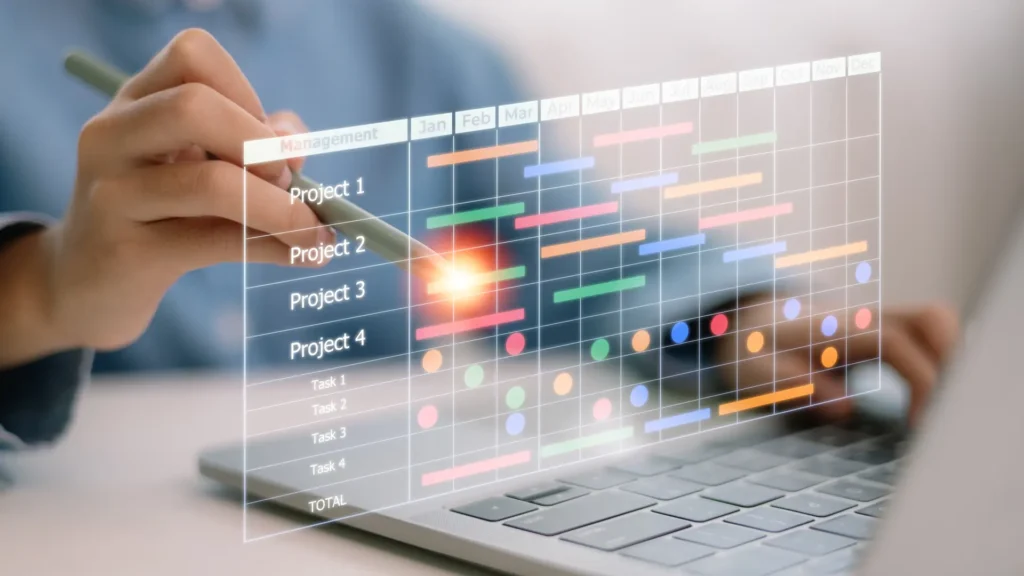
The strategic PMO acts as a link between strategy and execution, optimizing the use of resources to achieve organizational objectives.

Multigenerational Leadership connects experience and innovation in modern engineering.
ISO 9001 evolves in the digital era with Quality 4.0, integrating smart technologies that strengthen quality management, decision-making, and operational efficiency.

Staff expertise and judgment are essential to prevent risks and maintain reliable operations.

Integrating the SCRUM methodology to improve agility and effectiveness in project management, including the implementation of management systems.

ISO 14001 promotes strategic environmental management, replacing reactive approaches with a preventive model that anticipates incidents and strengthens corporate sustainability.
Learn how remote audits apply ISO 19011 and IAF MD 4, their benefits, challenges, and the impact of emerging technologies on the industrial sector.
ISO 9001:2015 facilitates structured and strategic change management by promoting organizational improvements aligned with continuous improvement.

Today, soft skills are necessary for professionals capable of communicating, solving problems creatively and adapting in a changing work world.