

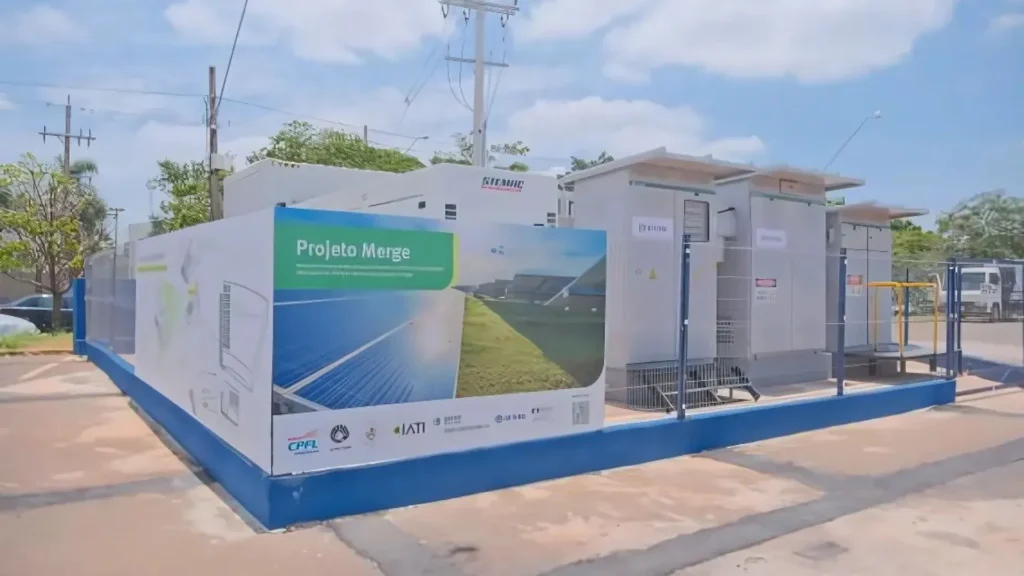
CPFL Energia’s CampusGrid project improves microgrids at Unicamp
With CampusGrid, CPFL Energia and its partners are innovating and laying a solid foundation for the integration of renewable energies on university campuses.
With CampusGrid, CPFL Energia and its partners are innovating and laying a solid foundation for the integration of renewable energies on university campuses.
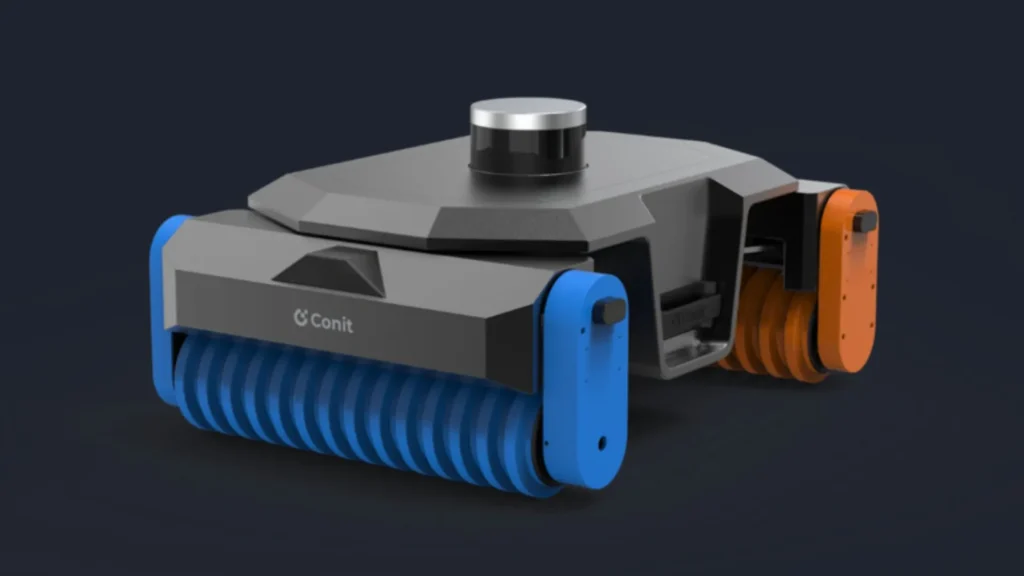
This robot integrates sensors, such as LiDAR and ultrasound, along with cameras and an inertial measurement unit (IMU).

The company expands its fleet and implements advanced training programs and cutting-edge technology to optimize its operations.
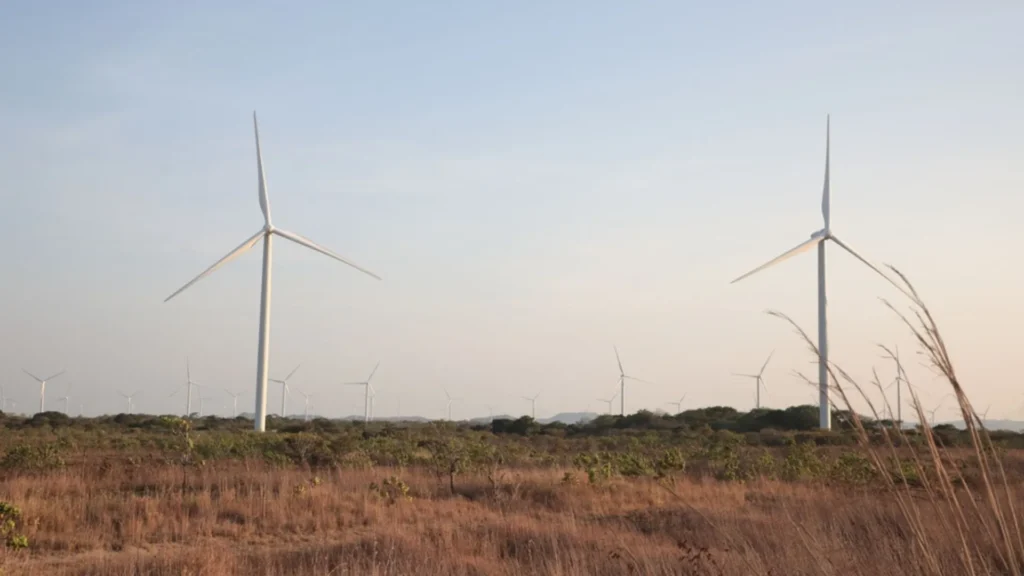
The projects represent a solution for the stability of the electrical grid and the transition towards renewable energy sources.
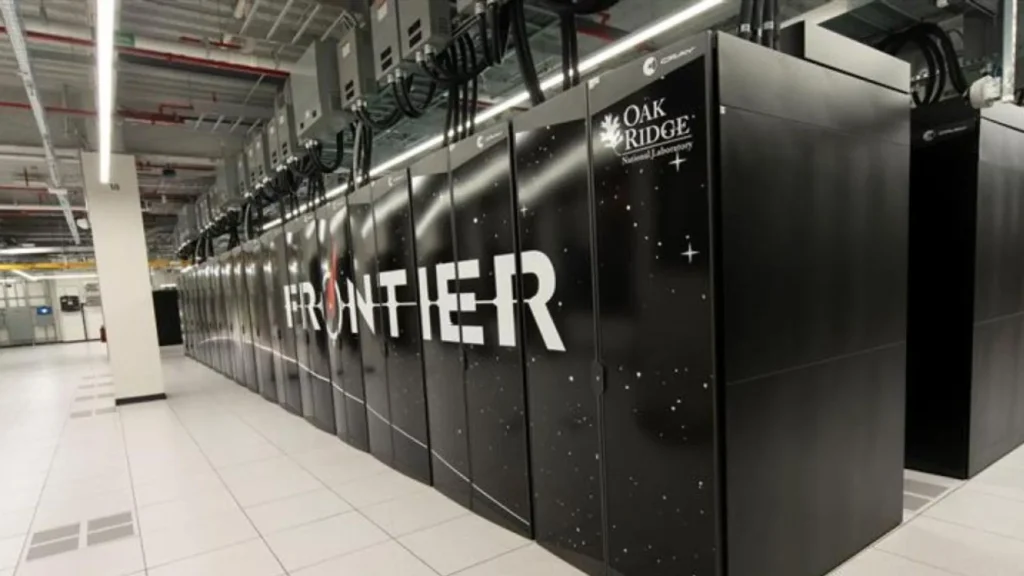
This technological advancement brings about major changes in the way scientists and developers approach research, exploring new research possibilities in a fraction of the time required.
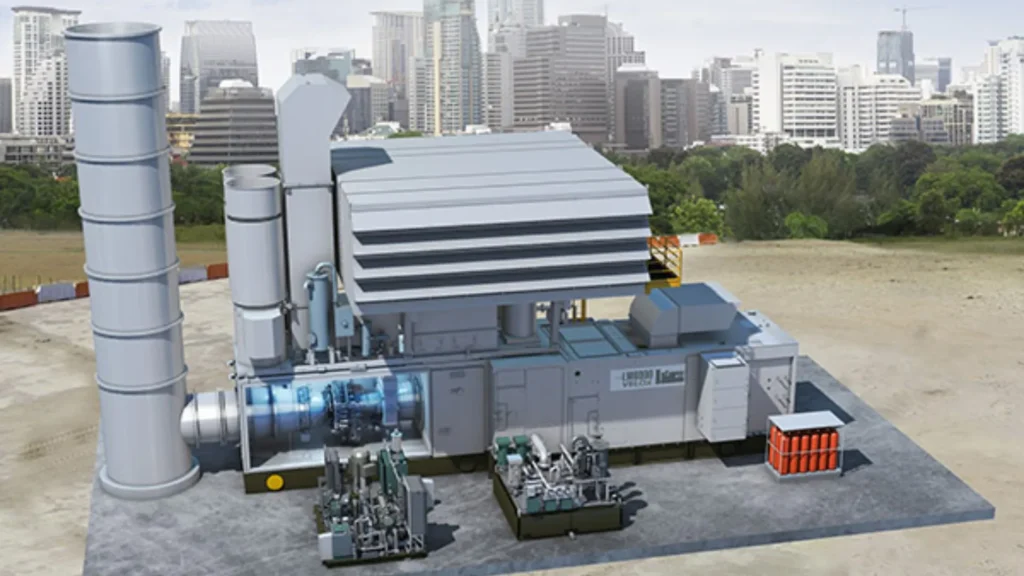
The project was developed to harness and use renewable hydrogen produced locally using solar and wind energy.
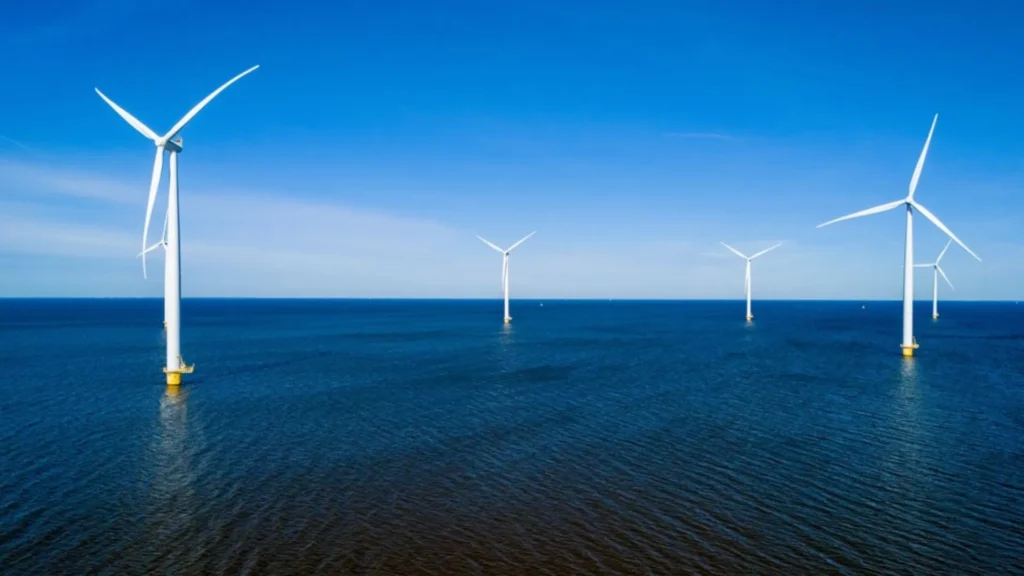
The project will deploy semi-submersible turbines to operate in deep waters, a requirement for Japan due to its historical seismic records.
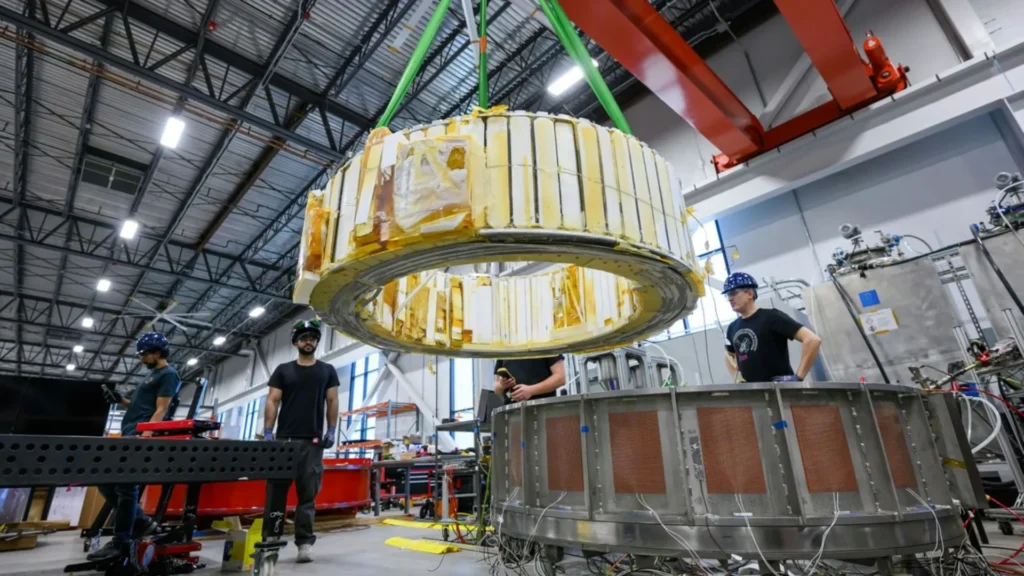
PIT VIPER wire manufacturing is important for pulsed power magnets, which could redefine the global energy industry.
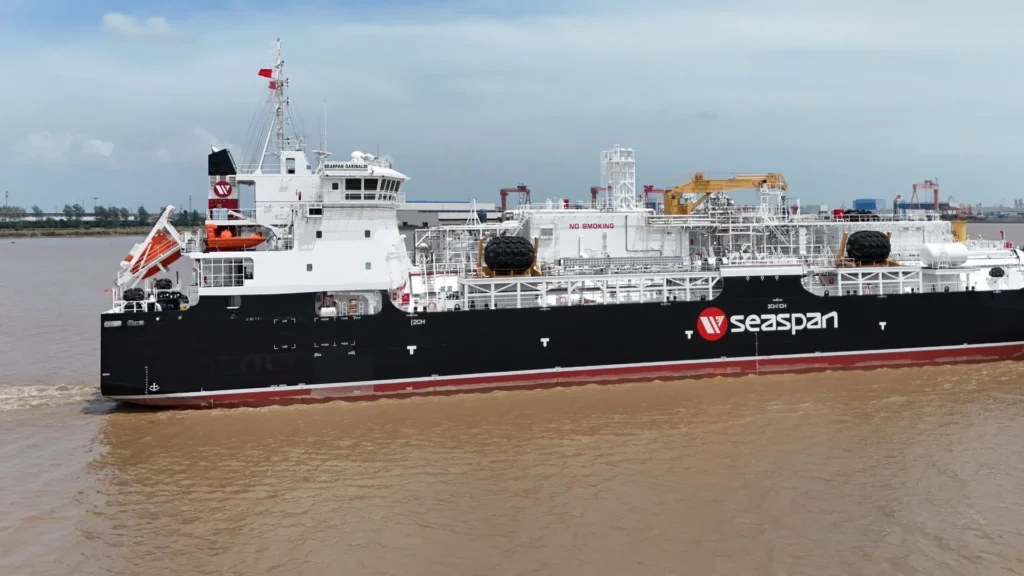
With the start of operations of its fleet, Seaspan Energy plans to optimize the supply of clean marine fuels.
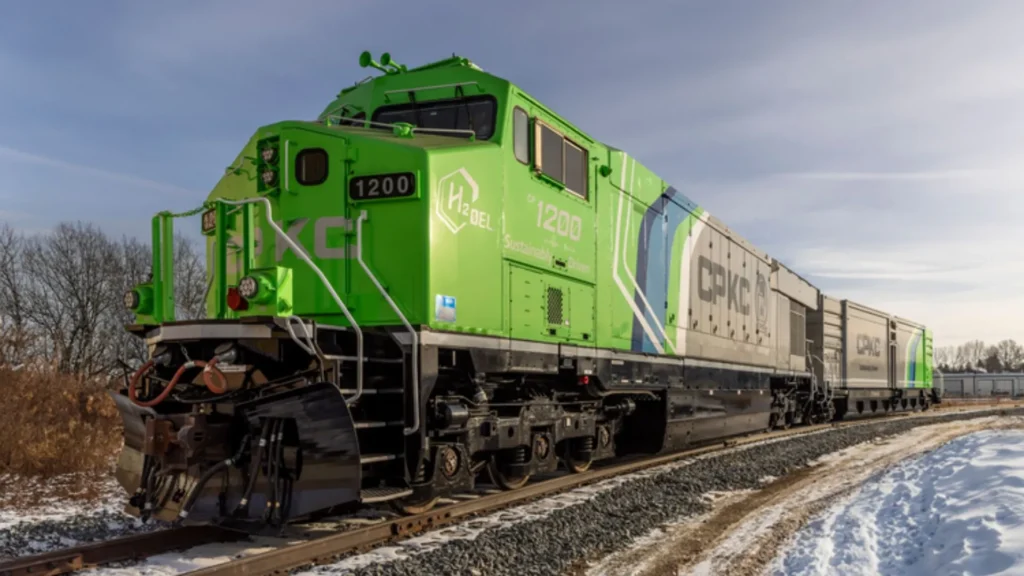
CPKC continues to develop solutions in hydrogen, carbon capture and renewable energy.

This new agreement with SAI Flight and Greenville Downtown Airport seeks the commercial adoption of these vehicles to improve air mobility in the region.
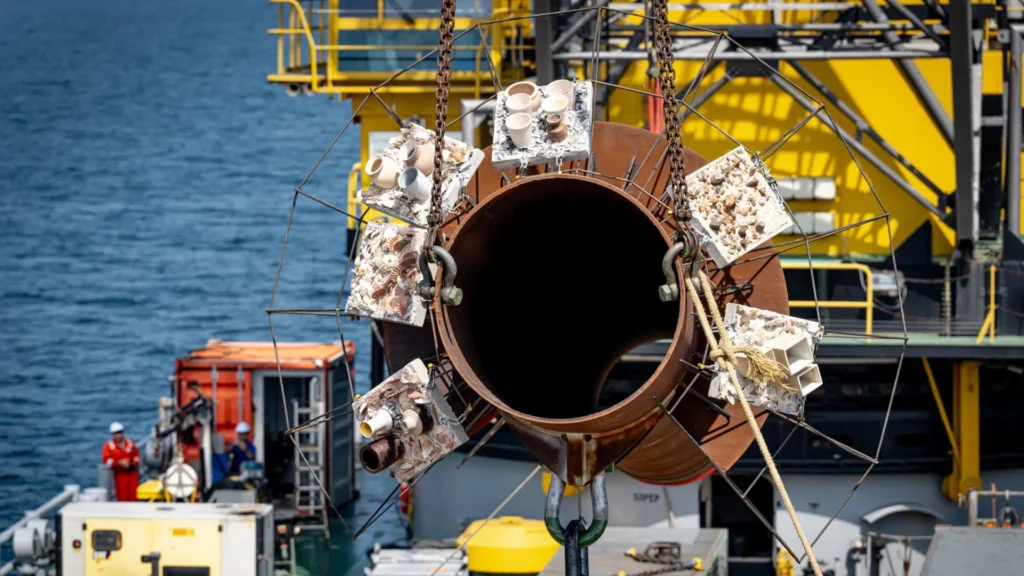
This project is located 18 kilometres off the coast of Scheveningen in the North Sea, to demonstrate the technical and commercial viability of offshore algae cultivation.