

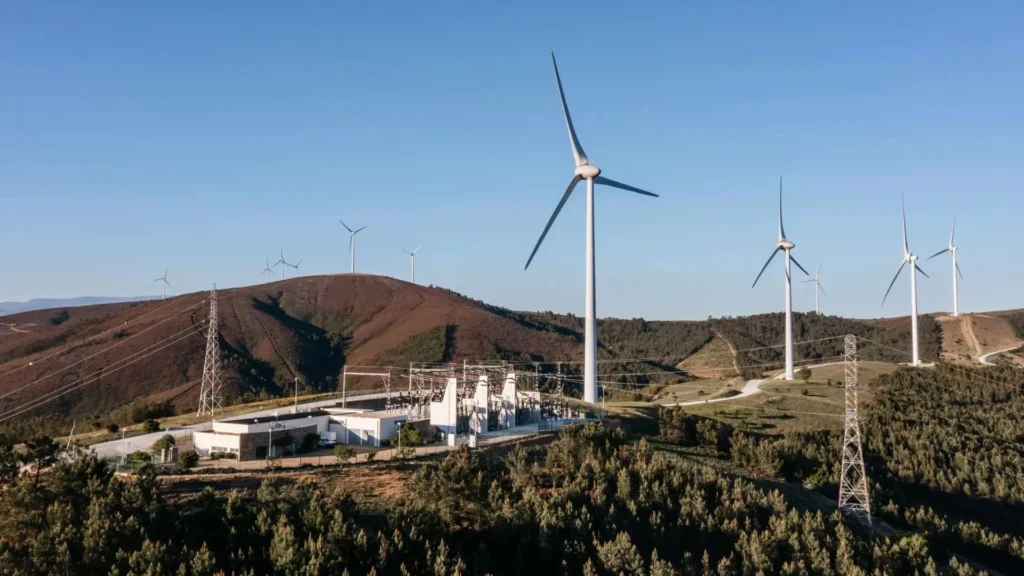
REN reports that renewable energy production reaches historic highs in Portugal
Multiple renewable energy sources have enabled Portugal to move forward in its transition towards a cleaner and more sustainable energy system.
Multiple renewable energy sources have enabled Portugal to move forward in its transition towards a cleaner and more sustainable energy system.
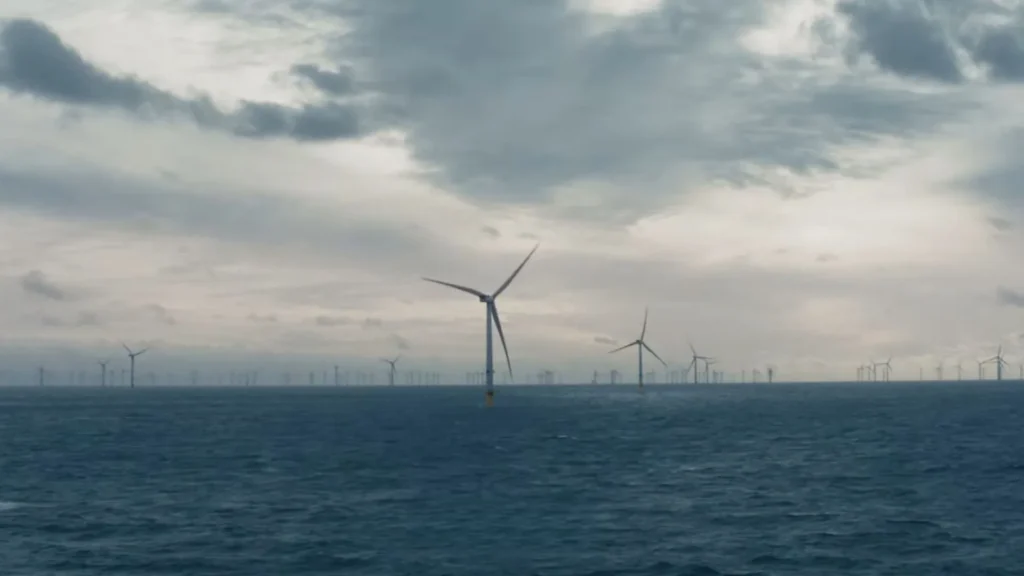
This project is located approximately 50 km north of the island of Juist, with installation of the turbines for phase B of Nordseecluster estimated to begin in mid-2028, with commercial operation scheduled for early 2029.
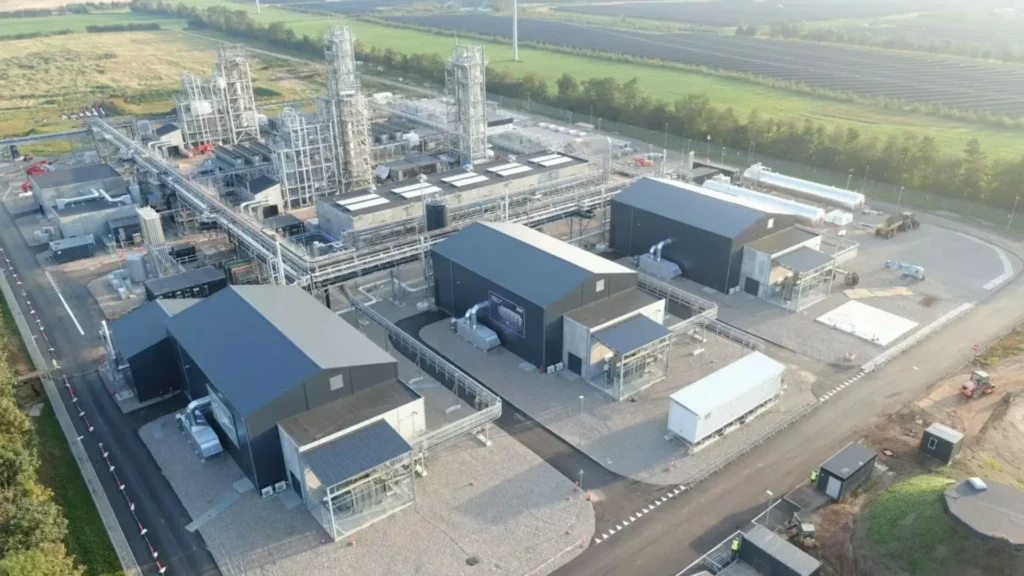
E-methanol has the potential to become one of the most sustainable fuels, especially in industrial sectors that are difficult to decarbonise, such as maritime transport.
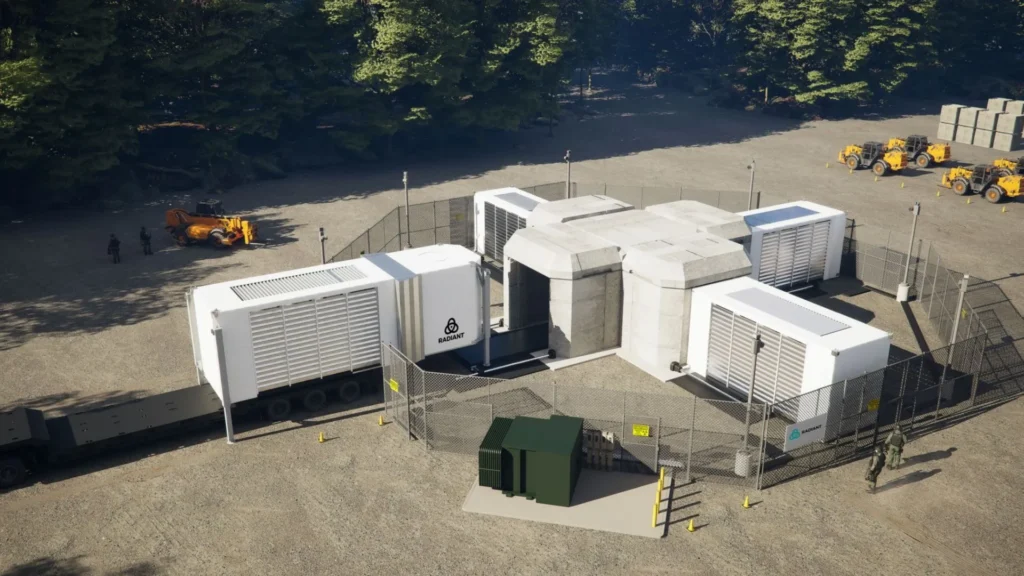
The installation of microreactor tests is an example of the commitment of both institutions to promoting safe nuclear energy.

Seawater storage technology is set to play a key role in improving the reliability and accessibility of clean energy sources, bringing Europe one step closer to achieving its decarbonisation goals.
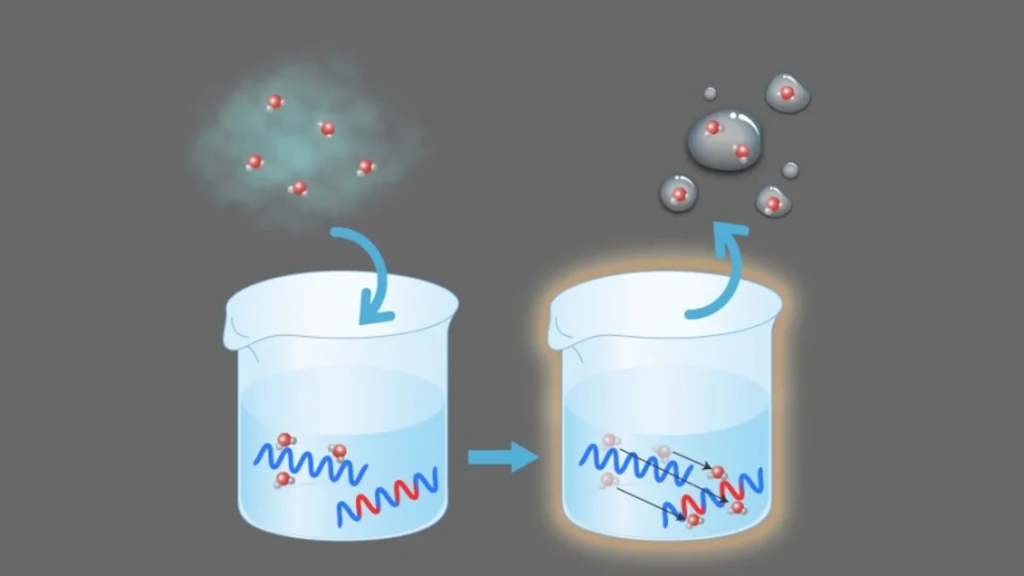
The research is based on the use of random copolymers of polyethylene glycol and polypropylene glycol.
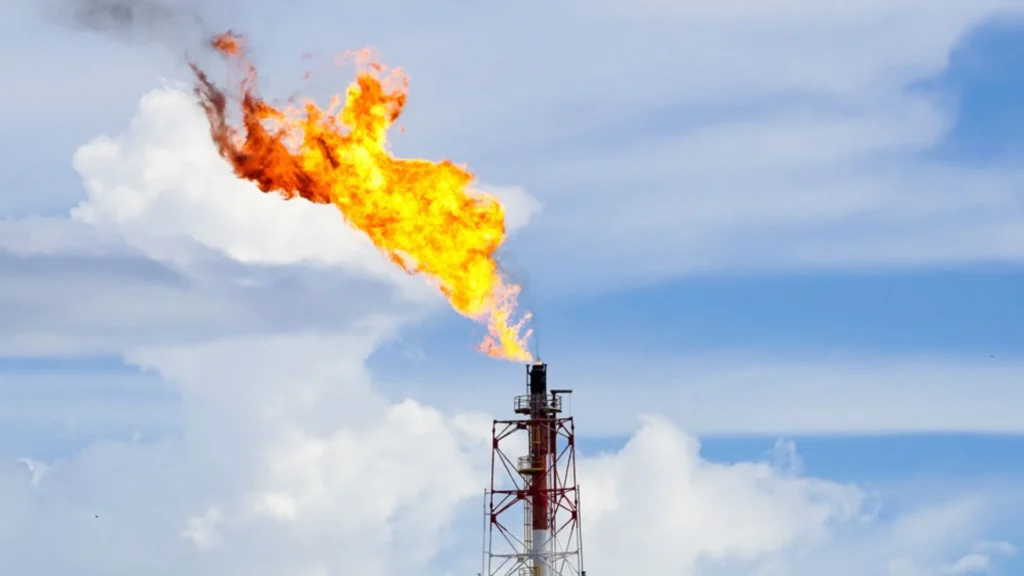
Drilling is now in the evaluation phase, which will include logging and core extraction, as well as testing for hydrocarbon detection using specialized tools.
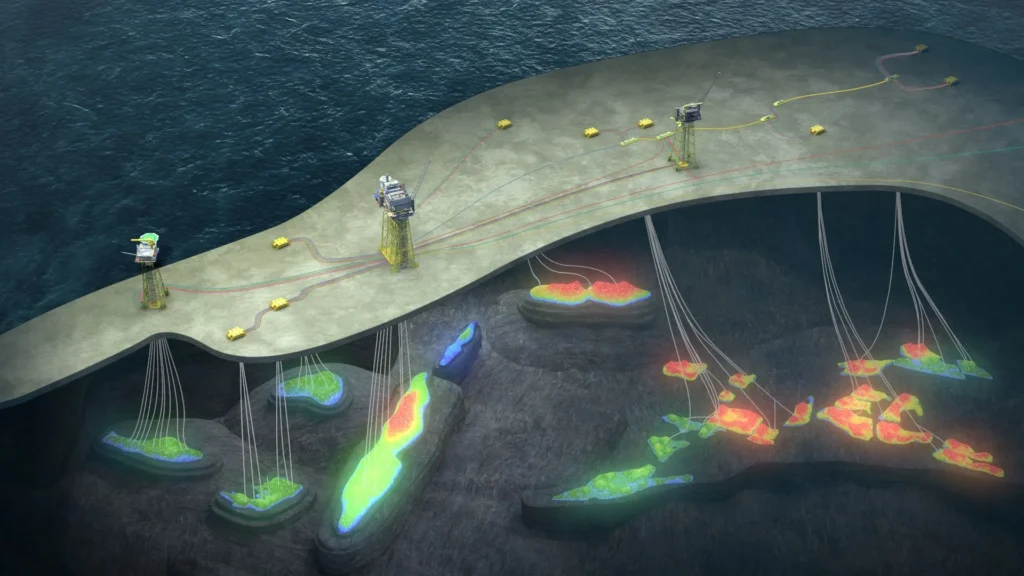
The luminaires supplied by Glamox are designed to withstand the extreme conditions of the North Sea.
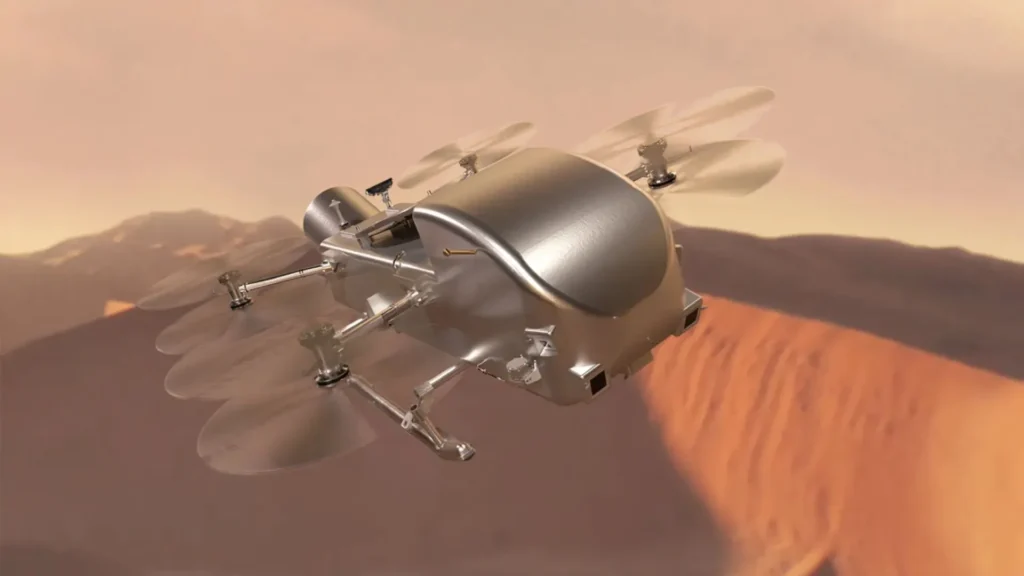
During the mission, the Dragonfly autonomous vehicle will take samples of materials and study the organic elements present on Saturn's satellite.
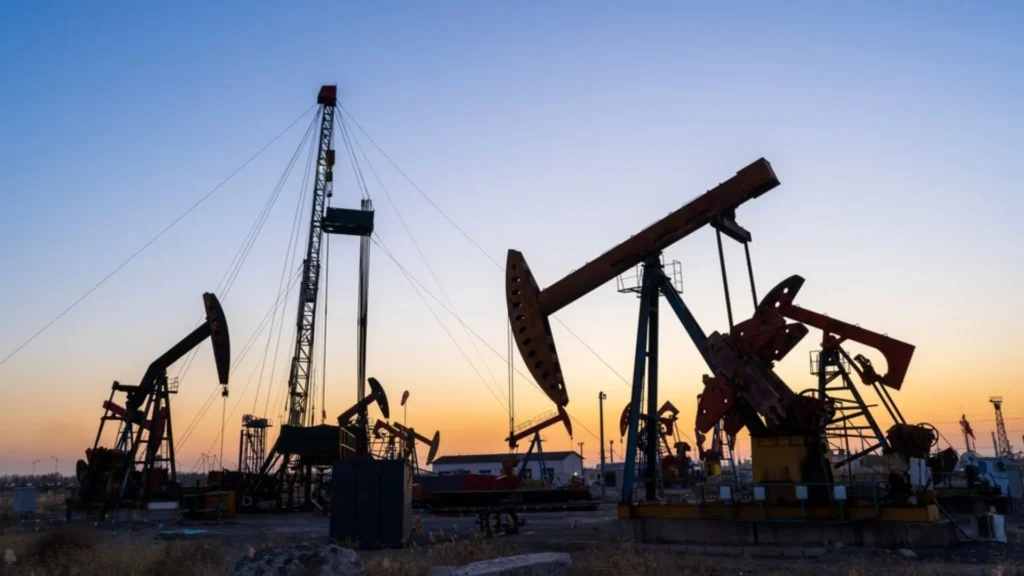
This drilling project is part of Falcon Oil & Gas and its partners' efforts to advance unconventional gas production in a sustainable manner.

As global demand increases in the maritime industry, both companies are looking for solutions to reduce the negative impact of supply routes.
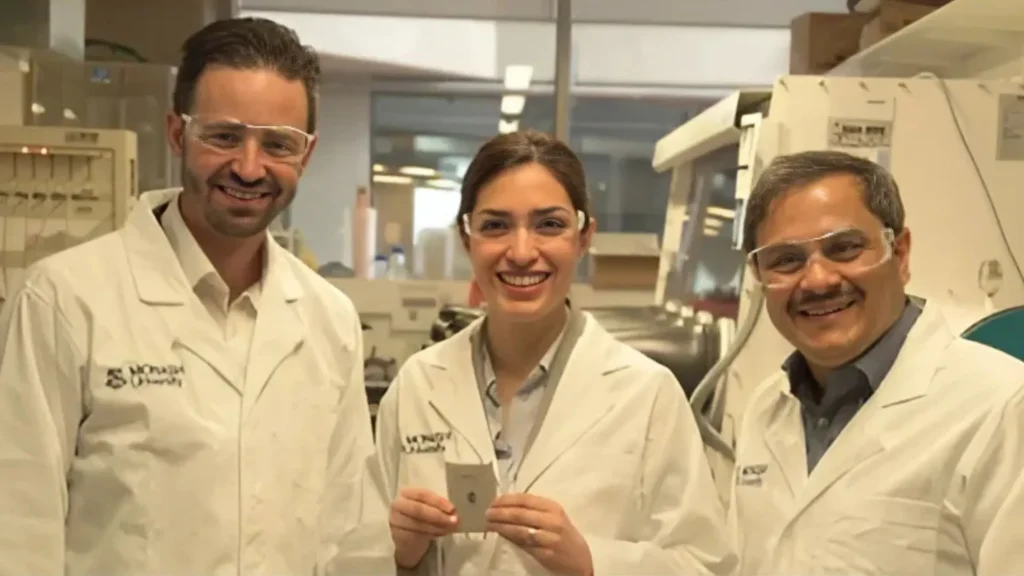
The research team is working on new additives that can further improve charging times and optimize the efficiency of lithium use.