
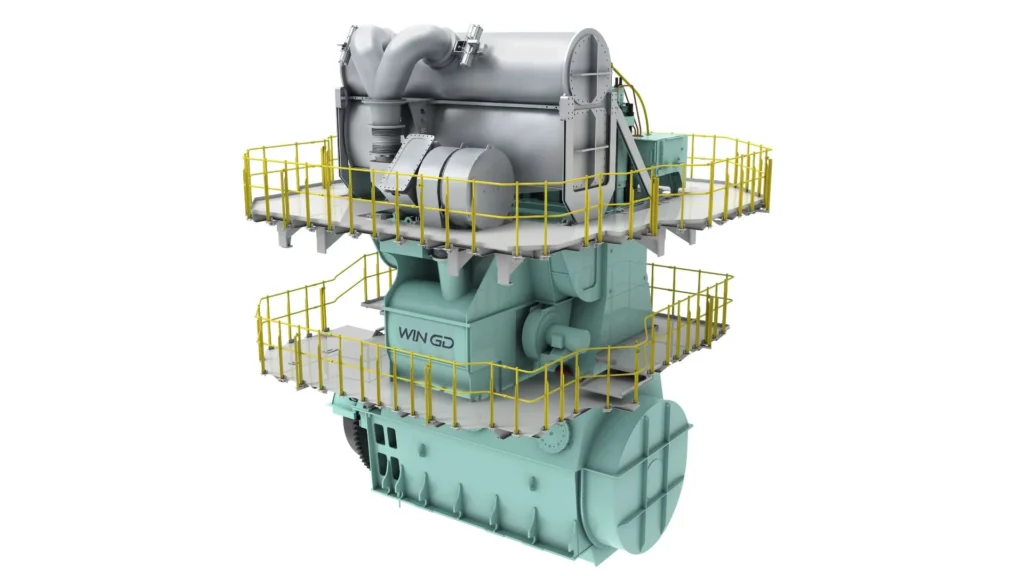
WinGD’s innovative NOx reduction technology in engines will enter the market
This innovation increases WinGD and CSSC Group's commitment to improving maritime transport, ensuring more efficient and environmentally friendly engines.
This innovation increases WinGD and CSSC Group's commitment to improving maritime transport, ensuring more efficient and environmentally friendly engines.
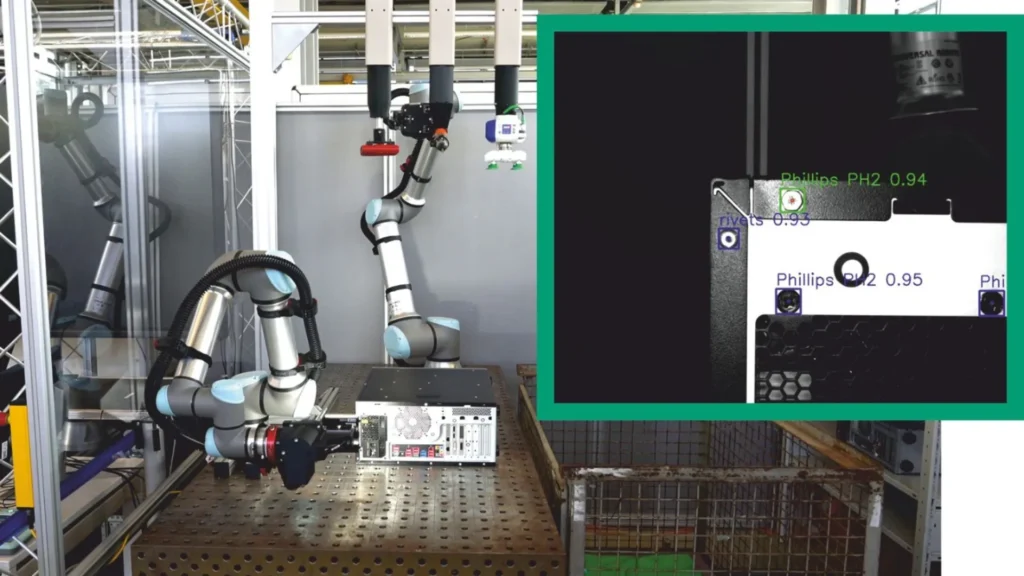
This procedure is based on high-precision optical metrology and machine learning, scanning devices to identify materials, reusable parts and valuable components.

Powered solely by sunlight, this technology represents a major advance in the production of fuels and chemicals without additional carbon emissions.
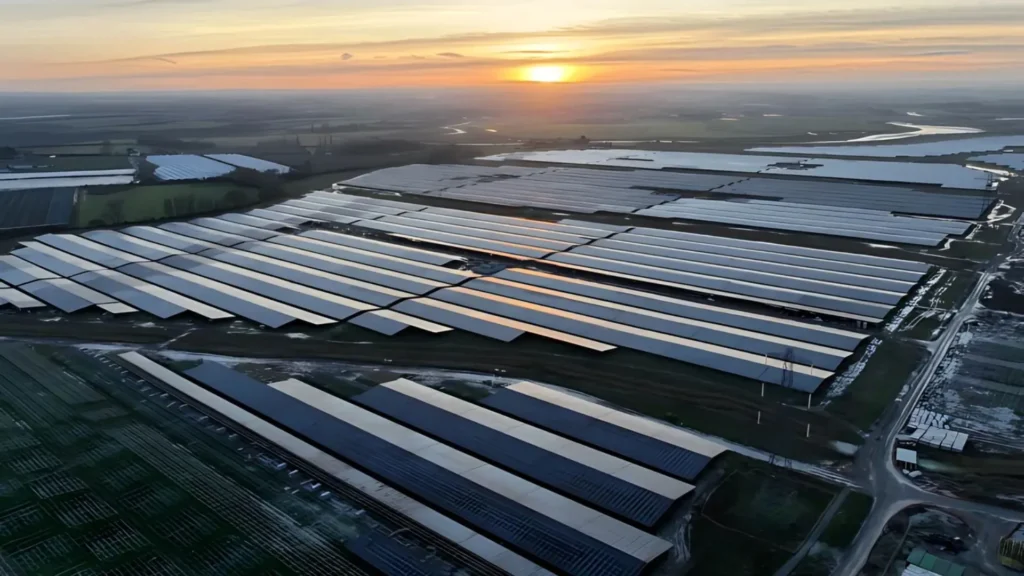
The next phase for Quinbrook and its subsidiary Private Energy Partners will be to advance detailed design, construction planning and equipment procurement for Mallard Pass.
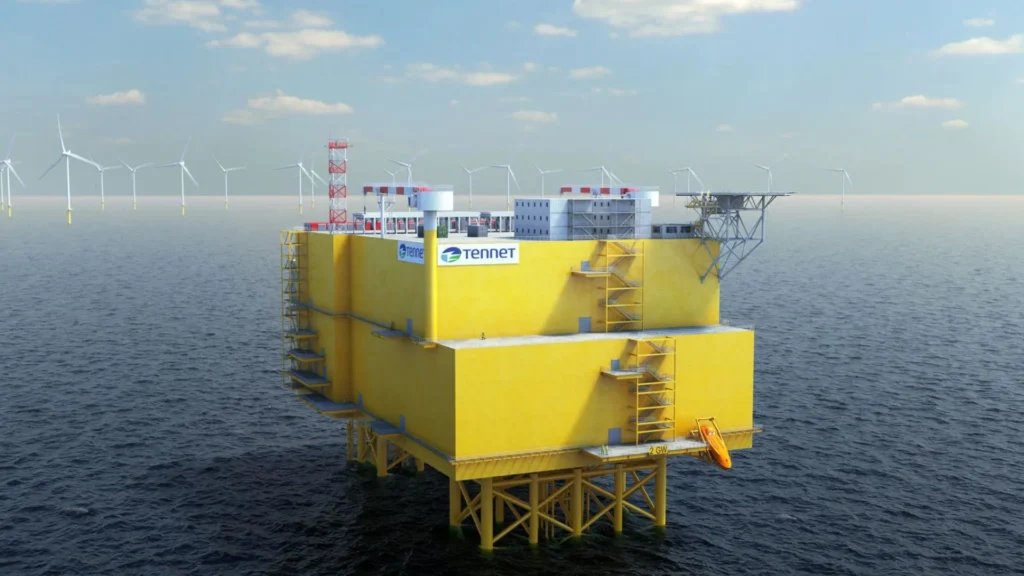
One of the highlights of the project is its focus on protecting the marine ecosystem.

The second prototype will be integrated into the flight test program, expanding the validation of its performance and regulatory certifications.
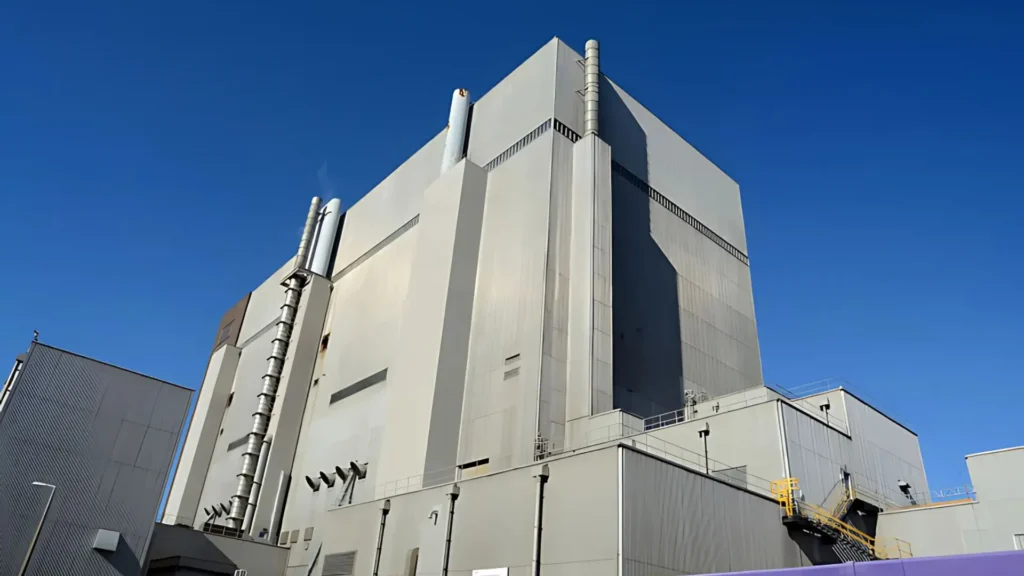
The results of the research could contribute to the design of more durable and resistant materials for other applications, such as space exploration or extraterrestrial infrastructure.
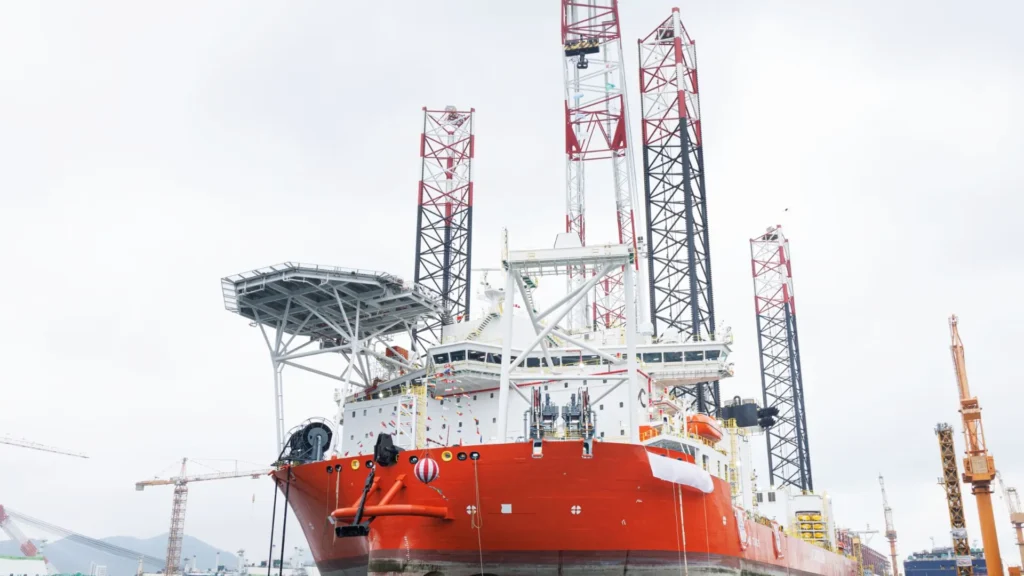
The delivery of the Wind Maker is part of an expansion plan that includes the arrival of its sister ship, Wind Mover, scheduled for late 2025.
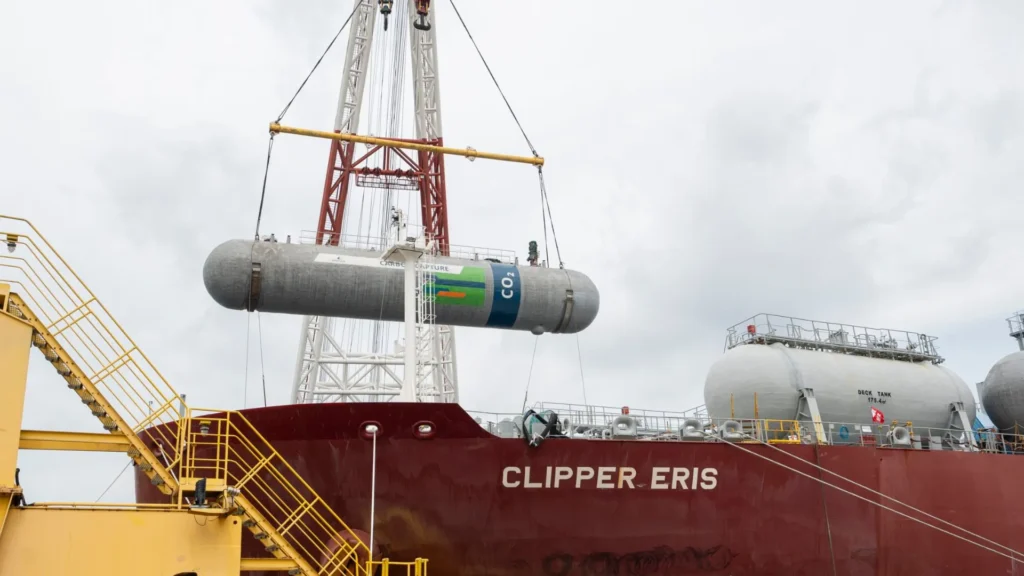
Following successful pilot tests of the Clipper Eris, Solvang ASA plans to incorporate this technology into seven new vessels under construction.
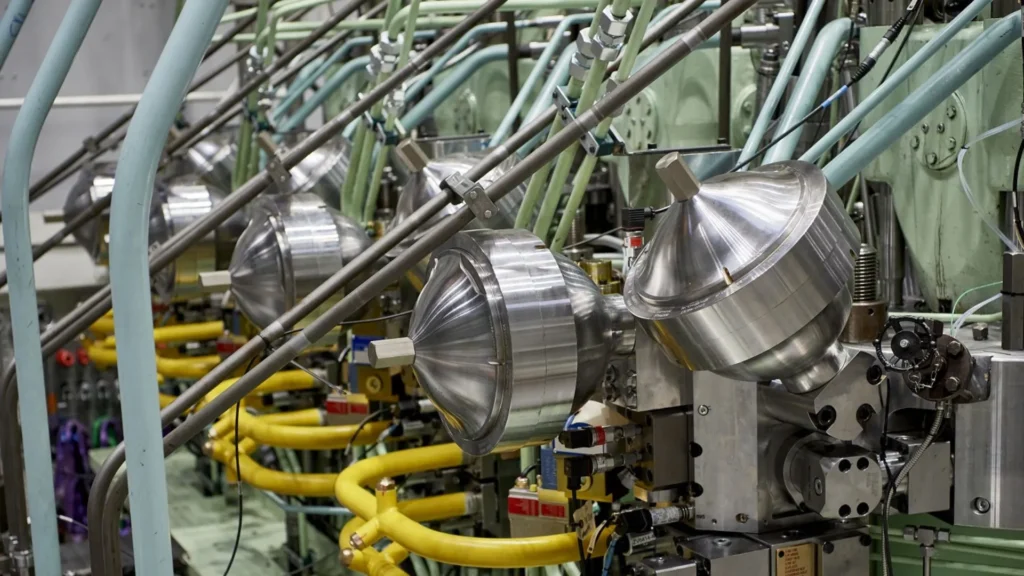
Tests of the ME-LGIA two-stroke engine confirm its viability as a sustainable alternative in the maritime sector.
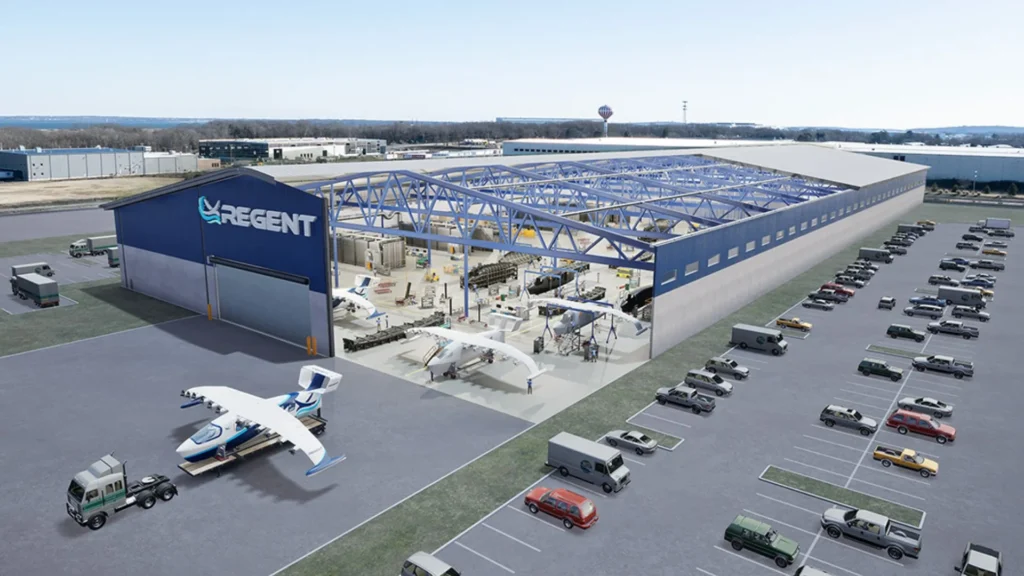
The company is preparing for the first sea trials of its full-scale prototype.
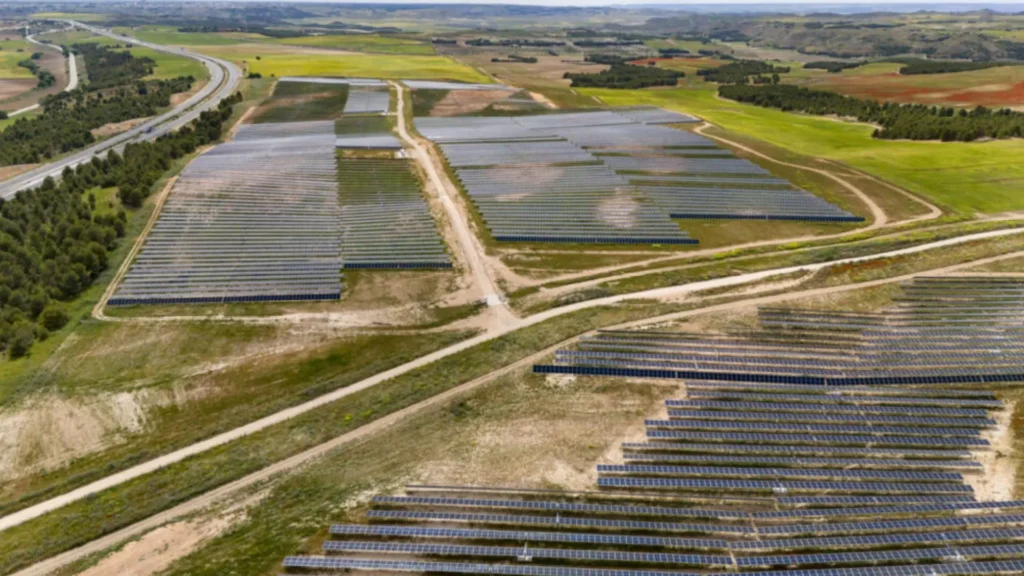
This project represents a growth in installed solar capacity, while establishing the state of Texas as a renewable energy hub.