

Wake control: Strategy for increasing the energy output of wind turbines
Wake control is based on inducing a controlled misalignment of the nacelle relative to the direction of the wind.

He has more than 40 years in the oil and gas industry and is an expert in Level I Ultrasonic maintenance and inspection. His commitment to excellence ensures the reliability of critical equipment. He stands out for his vast experience, comprehensive understanding of methodologies and adaptability to new technologies.
Wake control is based on inducing a controlled misalignment of the nacelle relative to the direction of the wind.

China intensifies inspections of Panamanian-flagged vessels, raising logistics costs and straining global trade on key Canal routes

OTS simulation will enable validation of the BECCS process and operator training before startup, reducing risks and optimizing CO₂ capture.

Lynas is betting on Vietnam to secure metallization—the critical link in the rare earths chain—amid growing global demand.
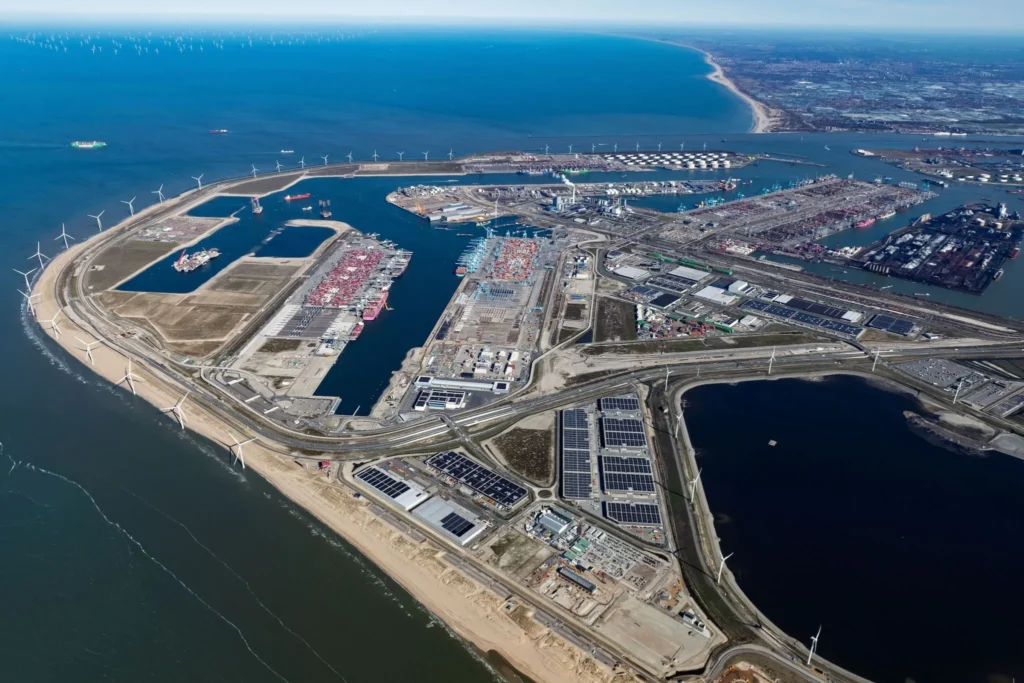
Rotterdam electrifies 8 km of quay with EIB support, redefining port energy consumption and maritime decarbonization.
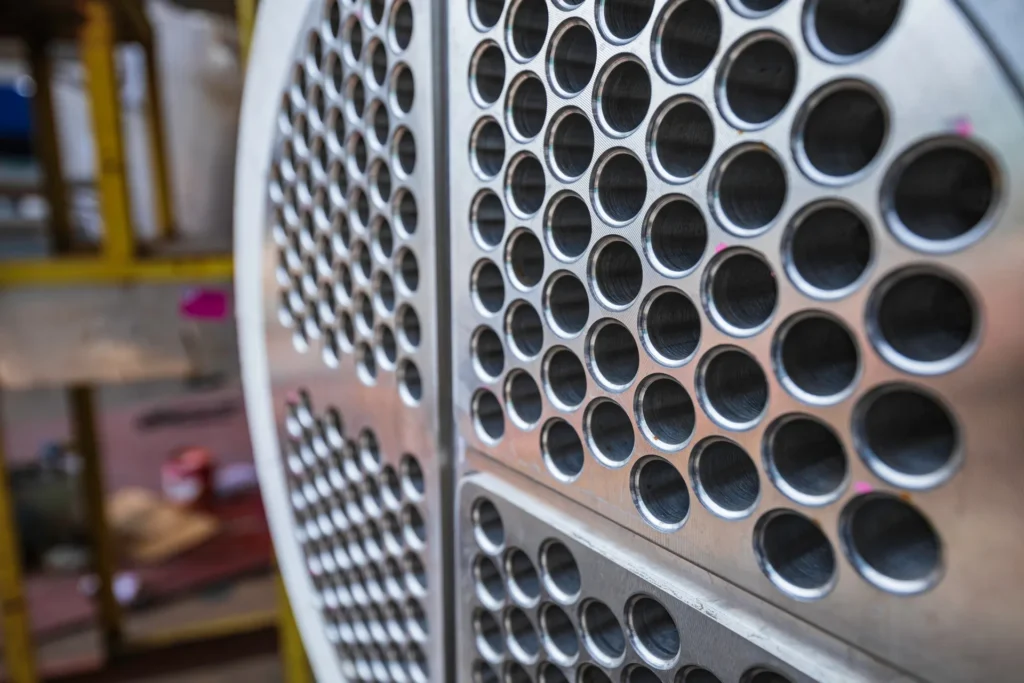
Econotherm introduces heat pipe heat exchanger in Asian refineries, highlighting its design without critical failures and high efficiency in thermal recovery.

A Nissan 2D AI model anticipates thermal failures with high precision, correcting data biases and redefining battery safety.
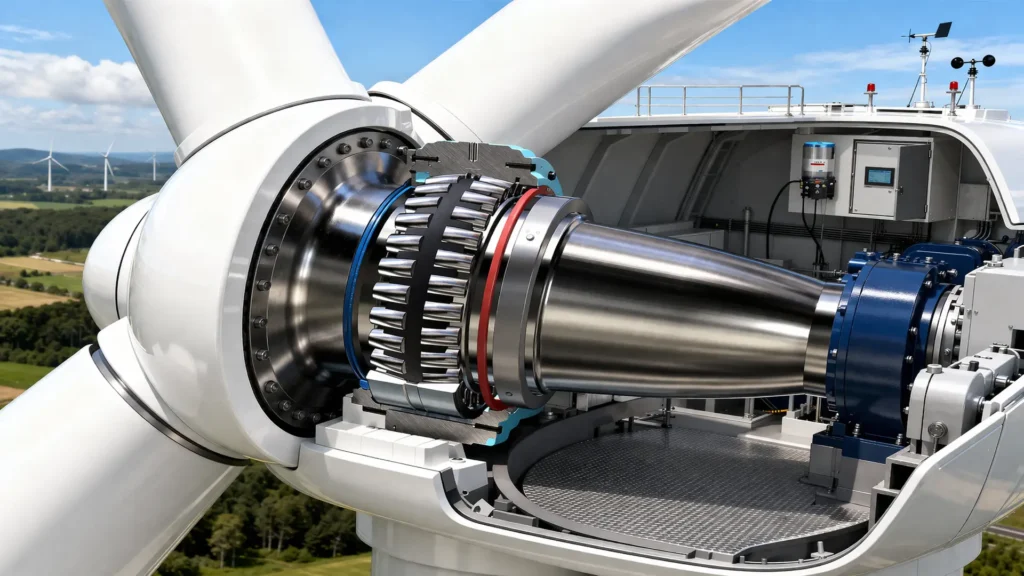
In high-stress environments, high-performance bearings ensure the structural and operational integrity of large-capacity wind turbines.
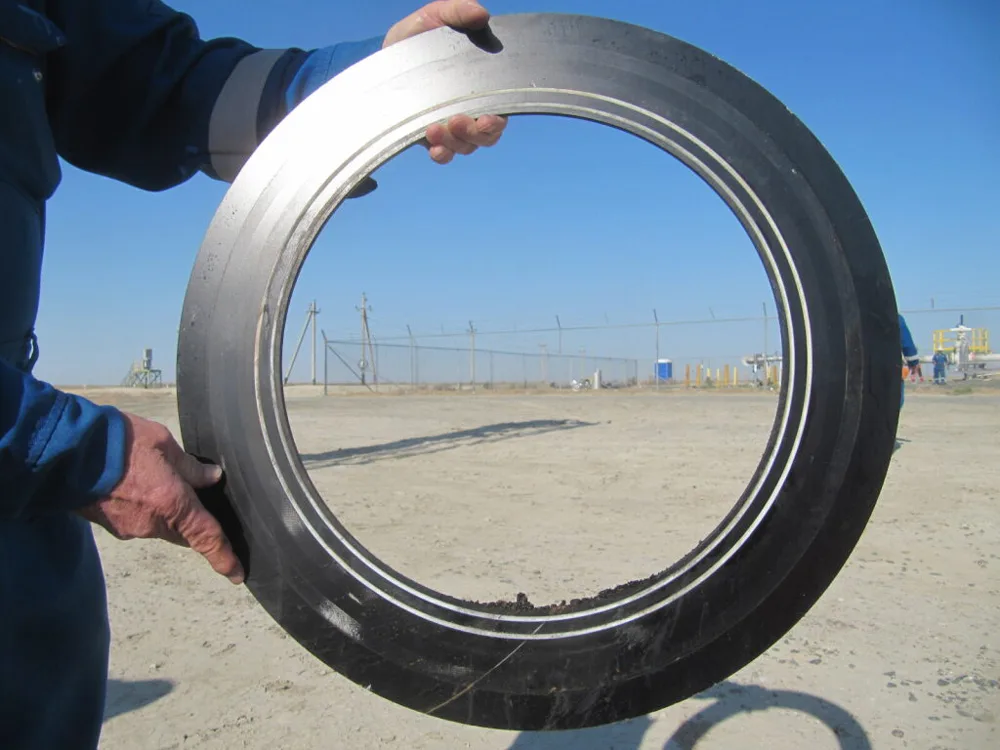
Black powder generates electrical bridges in pipelines, allowing leakage currents that degrade cathodic protection and accelerate corrosion.

The country imports approximately 95% of its energy
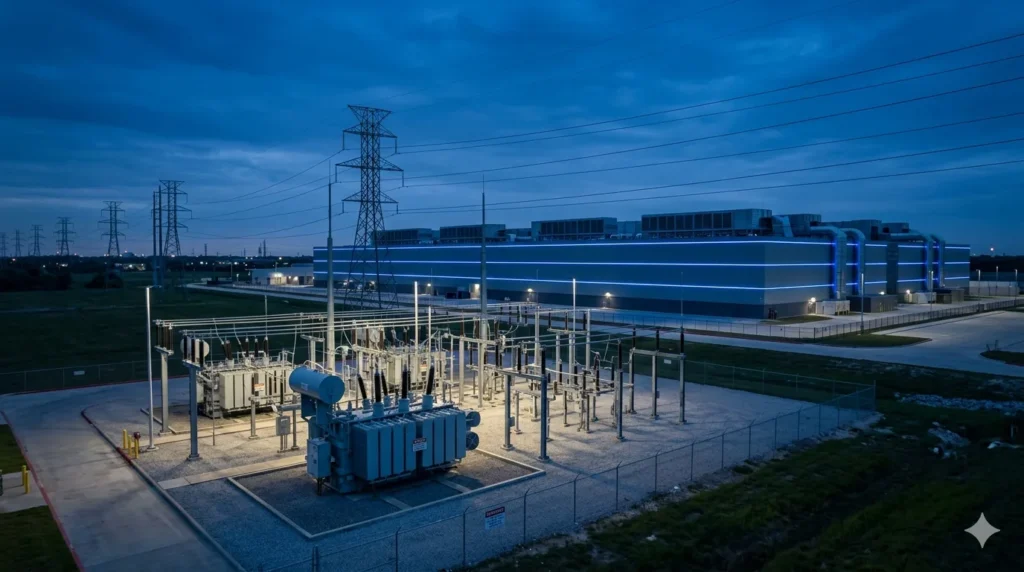
AI is already surpassing installed electrical capacity. CERAWeek 2026 highlights grid risks and solutions to sustain digital growth.
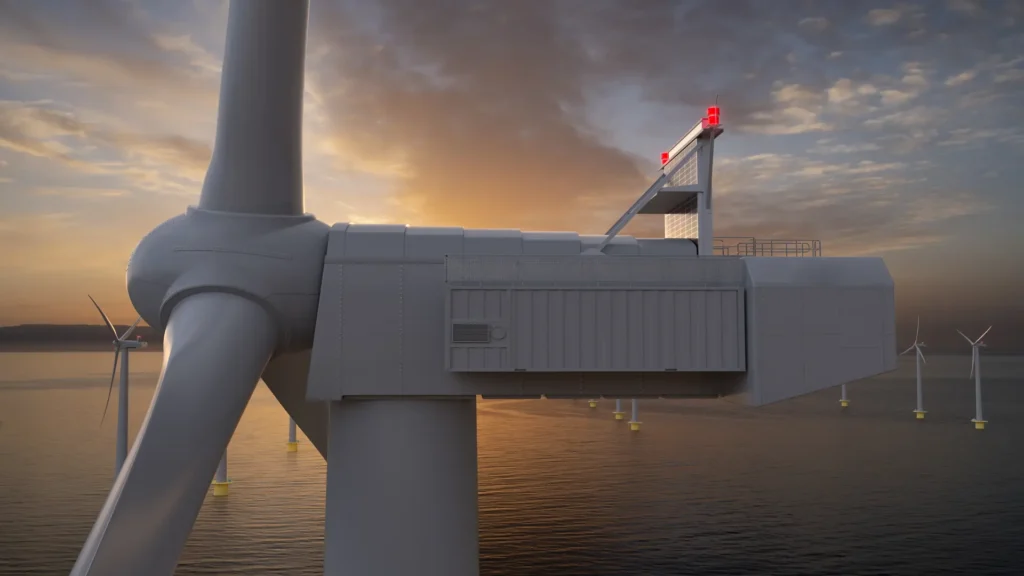
Wind turbines have evolved from being “large” generators into mechatronic and digital systems.