
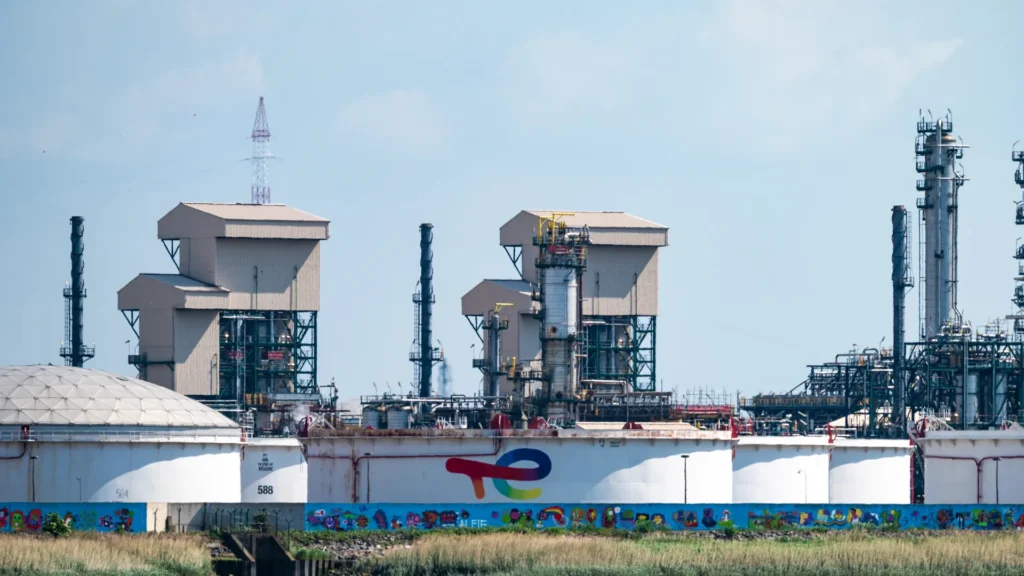
TotalEnergies and Data4 close renewable supply agreement in Spain
The contract guarantees a renewable supply of 610 GWh for data centers in Madrid with Clean Firm Power technology.

He has more than 40 years in the oil and gas industry and is an expert in Level I Ultrasonic maintenance and inspection. His commitment to excellence ensures the reliability of critical equipment. He stands out for his vast experience, comprehensive understanding of methodologies and adaptability to new technologies.
The contract guarantees a renewable supply of 610 GWh for data centers in Madrid with Clean Firm Power technology.

Hoxo replicates critical human tasks in nuclear zones with autonomous navigation and technical precision backed by artificial intelligence.

Transportation of U.S. gas from Polish terminals to Ukraine strengthens ORLEN's role as a regional energy operator.
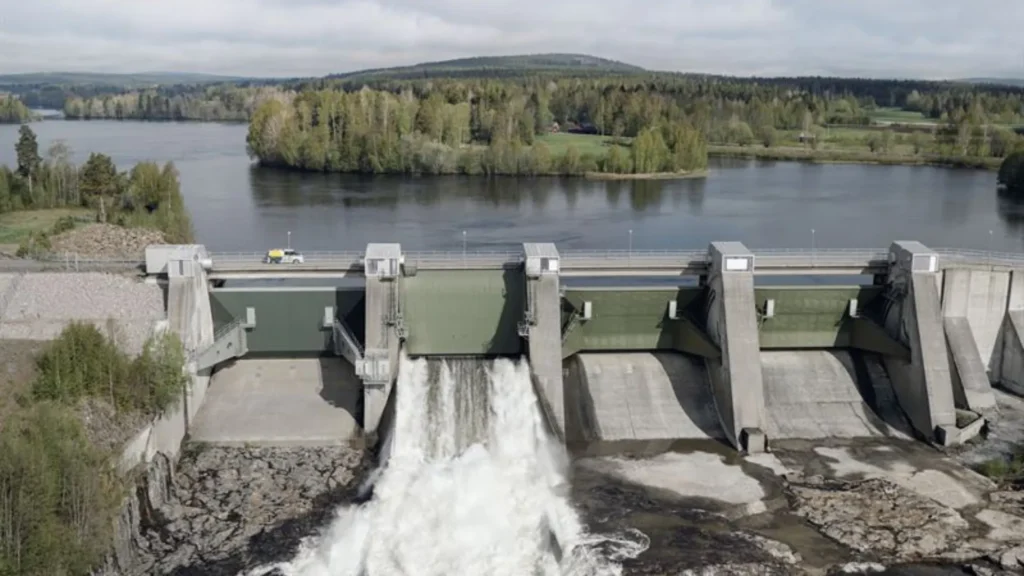
Stornorrfors will be the first hydroelectric power plant to install an all-steel penstock with no fossil emissions thanks to Hybrit technology

The Taurob Inspector robot completed autonomous offshore inspections, validating its remote control from the operations center in Stavanger.
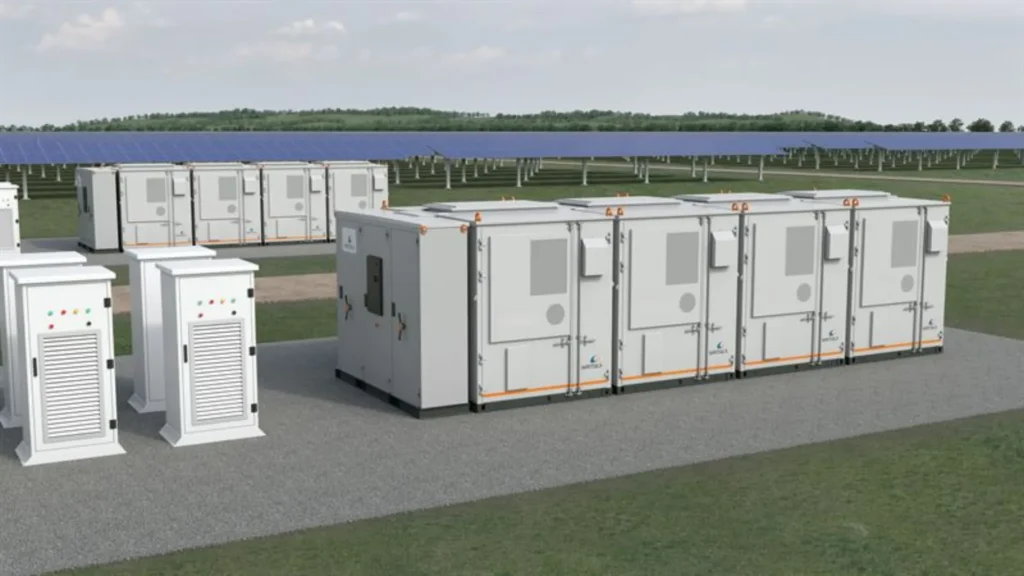
The new system will store solar energy on a large scale for efficient integration into the Australian power grid from 2028.
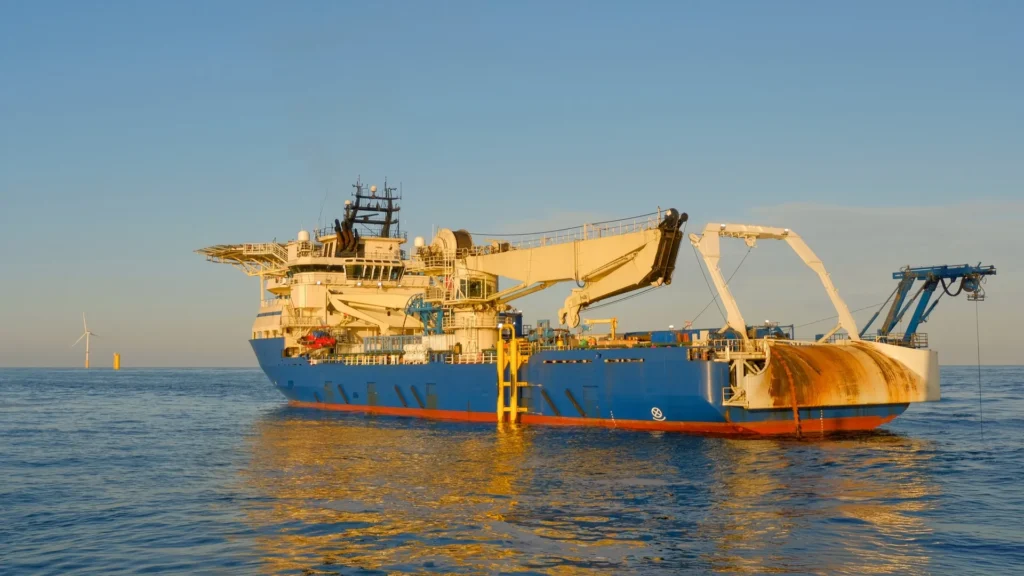
With 1,500 MW of capacity, Marinus Link will connect Tasmania and Victoria with a subway and subsea electrical and digital system.

The first shipment of LNG from Congo marks its entry into the global energy market and strengthens its link with Europe.

Hammerhead will add 18 wells and 150,000 barrels per day to offshore production from the Stabroek block starting in 2029.

RoboFalcon2.0 achieves the first autonomous robotic takeoff that reproduces the real mechanics of vertebrate birds.
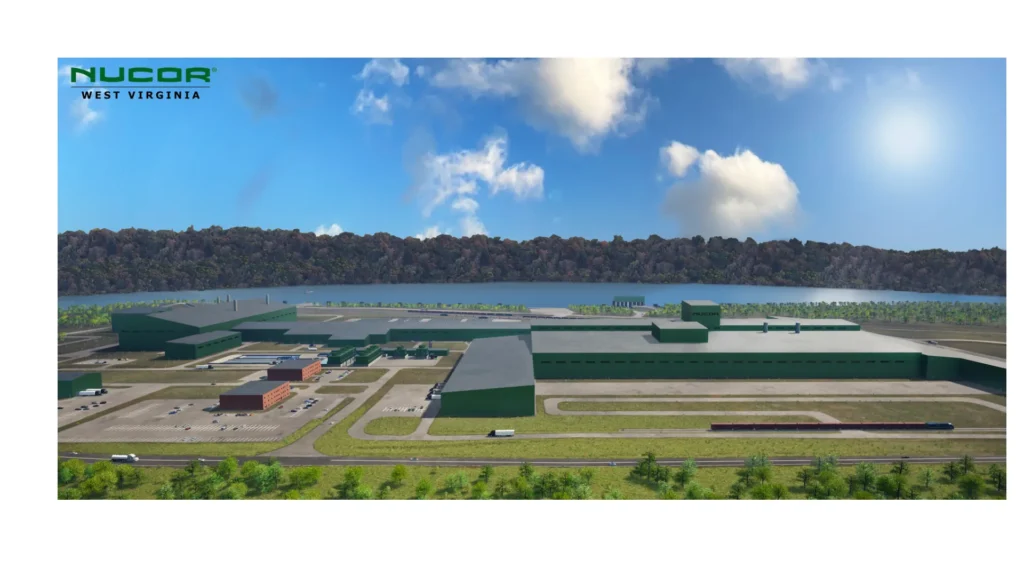
Nucor's new plant will produce 3 million tons of steel per year with a lower carbon footprint and automotive focus.

The plant will produce 10 million solar panels per year from 2027 and will be central to the European solar strategy.