
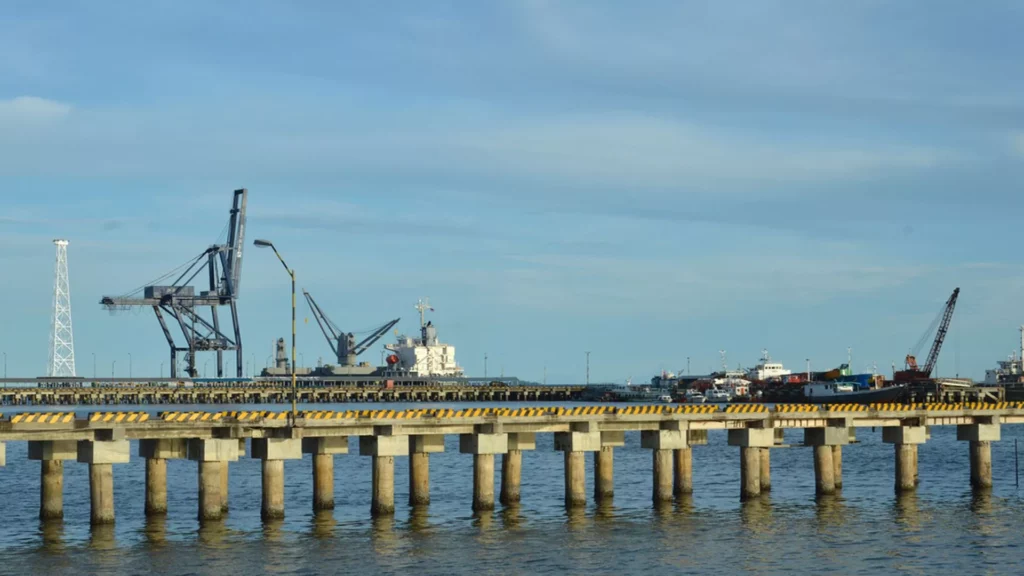
Evaluation and structural analysis of springs
Structural analysis of springs: key to safe and efficient port operations.

Mechanical Engineer with specialization in industrial maintenance. 43 years of experience in the oil, petrochemical, gas, metalworking and food industries. Content developer, expert analyst in equipment and corrosion inspection and plant shutdown technical management. Qualified and certified in non-destructive testing techniques UT, PT, VT, MT, RT.
Structural analysis of springs: key to safe and efficient port operations.
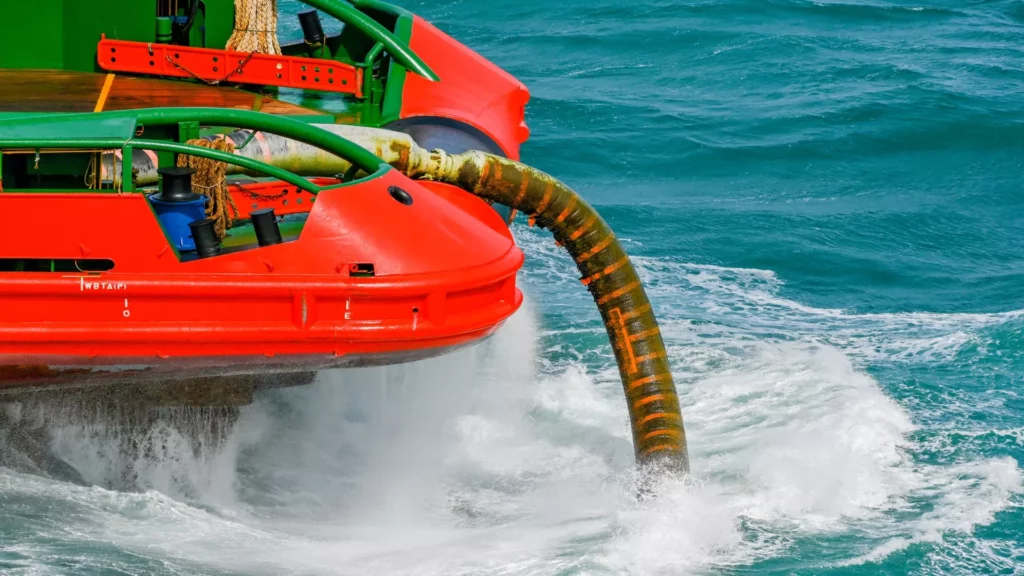
Key criteria for designing hoses for the safe transport of liquid hydrocarbons.

Comparison between ecological inhibitors vs. traditional for sustainable solutions.

Examination of API Q1 and Q2 standards and how they drive process improvement, risk management, and operational efficiency in industrial systems.

Formation of iron sulfides and hydrogen sulfide as critical causes of degradation in hydrodesulfurization units.
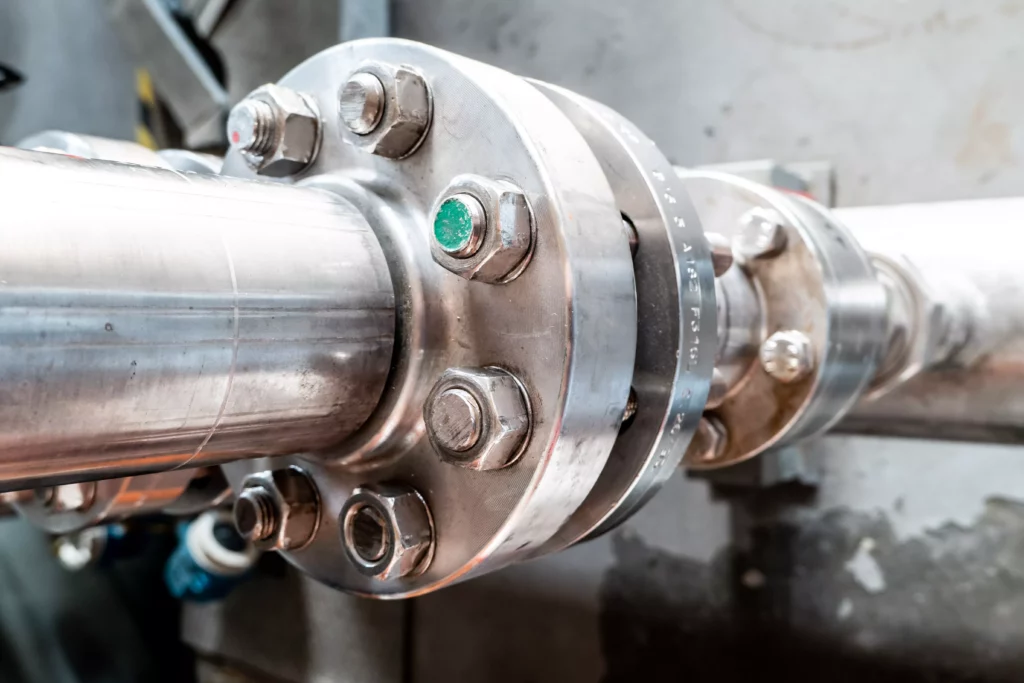
Author Ing. Euclides Quiñonez, March 21, 2024. Flanged joints are key elements in process piping systems, allowing secure and flexible connections for ease of maintenance, inspection, and system modification. Despite their importance, these joints are prone to various failures that can significantly compromise the safe and efficient operation of industrial facilities.

Digital tools enable real-time monitoring, failure prediction, and optimized corrosion control strategies for industrial sectors.

Establishment of API technical standards and policies for safety, operational quality, and regulation in the hydrocarbon sector.

Analysis of the physical, chemical, and operational factors that affect the integrity of industrial valve internals.

Description of causes and technical solutions to failures in flanged joints used in high-pressure processes in the oil sector.
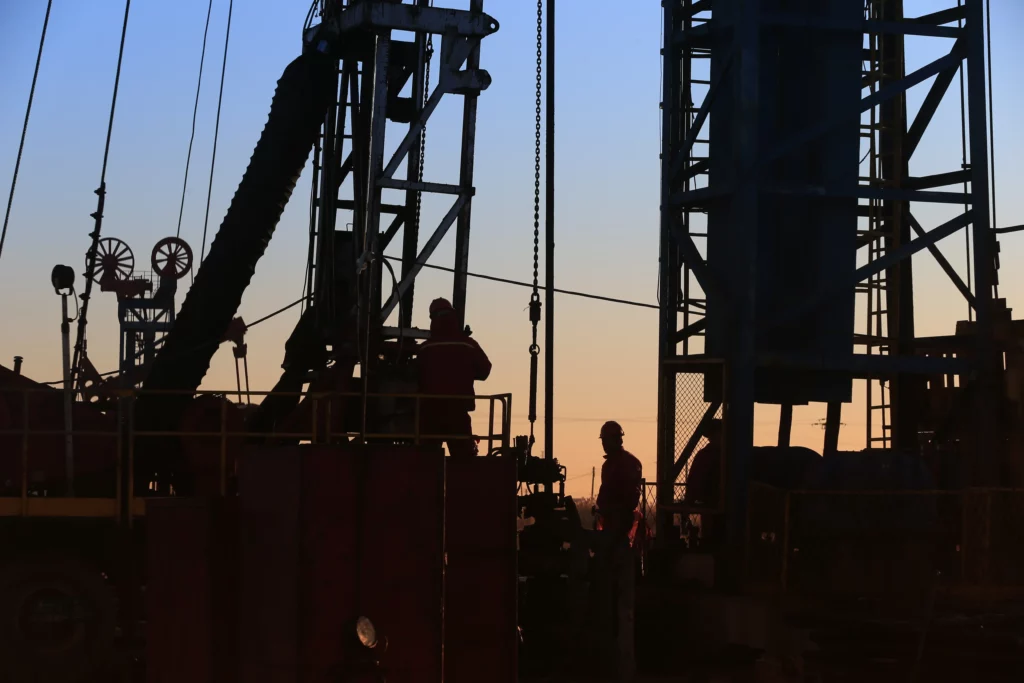
Author: Ing. Euclides Quiñonez, February 11, 2024. The upstream oil and gas sector faces constant challenges to ensure the safety, reliability and efficiency of its assets. Zero-based inspection emerges as a fundamental strategy to address these challenges, allowing for a thorough assessment of assets at an early stage without relying on background information.

CO₂ corrosion in hydrocarbon pipelines can be controlled by selecting specific inhibitory materials and techniques.