

Transforming the flow: Latest innovations in hydropower
Redesigned turbines and real-time automation enhance energy performance and predictive monitoring of hydroelectric power plants.
Redesigned turbines and real-time automation enhance energy performance and predictive monitoring of hydroelectric power plants.
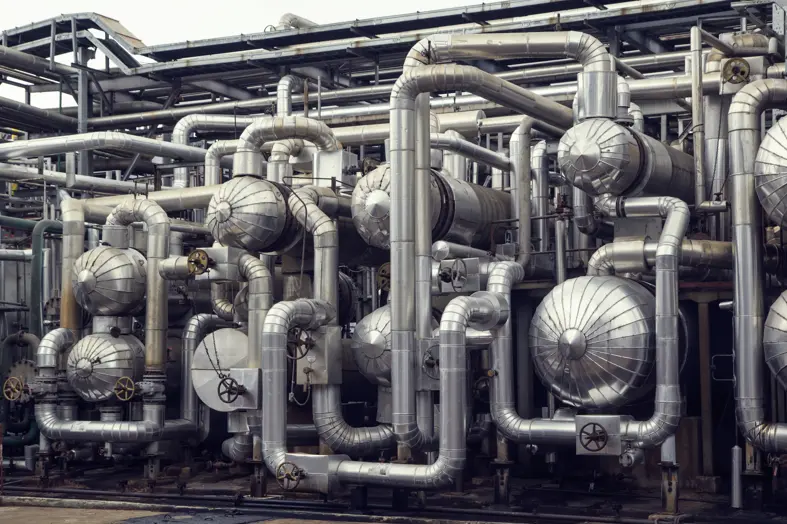
The API 660 standard has been a key reference for the manufacture of heat exchangers, guaranteeing quality, safety and efficiency.

Inspenet, December 29, 2023. In the dynamic and demanding world of refineries, inspection and maintenance are crucial to ensure operational efficiency and safety. Traditionally, these tasks required a considerable investment of time, human and financial resources, in addition to exposing workers to significant risks.
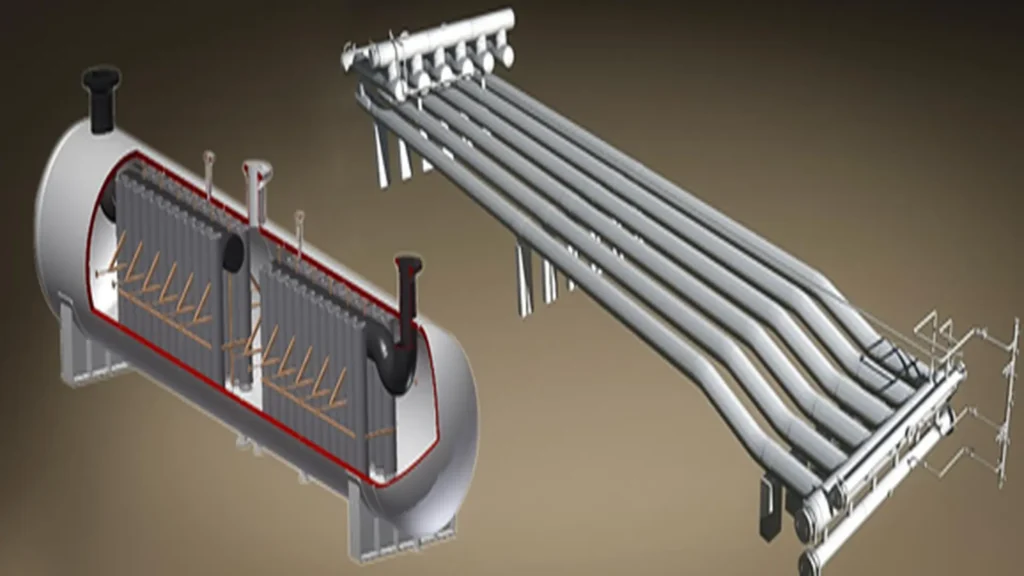
Inspenet presents a technical guide on slug catchers, their types, common risks such as corrosion, and best practices for industrial maintenance.

Electrification of transportation contributes to meeting climate goals by reducing dependence on fossil fuels.

Innovations in industrial inspection are essential to meet the challenges of aging infrastructures and the growing demand for sustainable practices.

Key aspects of API RP 2001 for managing fire risks in refining operations.
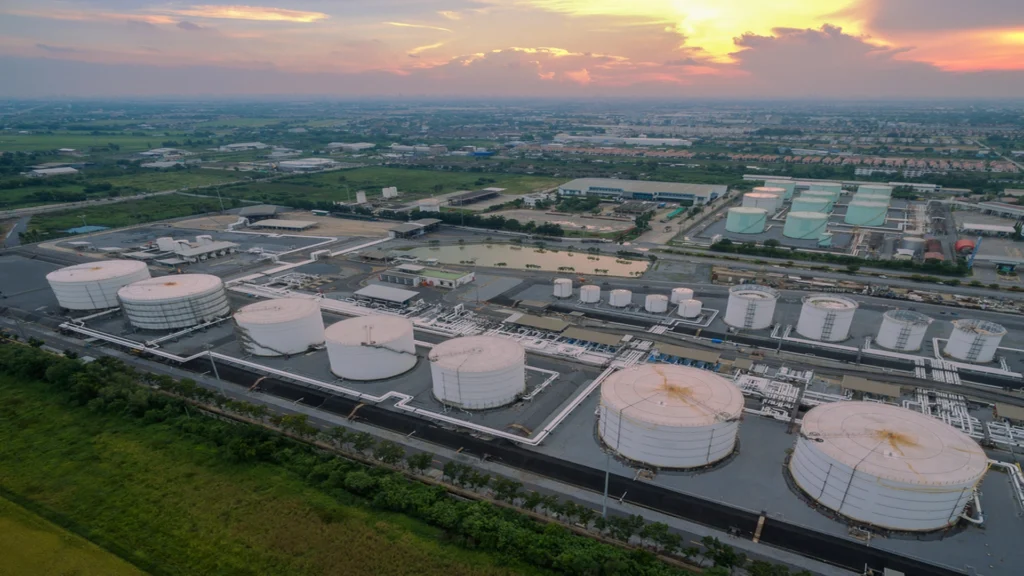
Midstream oil and gas connects production and refining through pipelines, storage and processing, ensuring efficiency, safety and energy supply continuity.
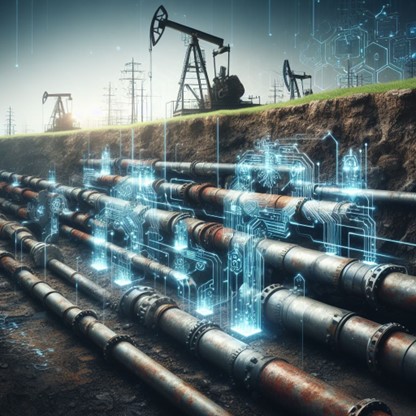
Corrosion mitigation in buried pipelines now integrates advanced coatings, cathodic protection and real-time monitoring for long-term asset reliability.

Digitalization strengthens operational safety and improves efficiency in the oil industry.

Their resistance to thermal and chemical shocks makes them essential in furnaces, boilers and reactors in the oil and gas industry.

Monitoring and predictive analytics application to anticipate failures and improve the performance of critical industrial assets.