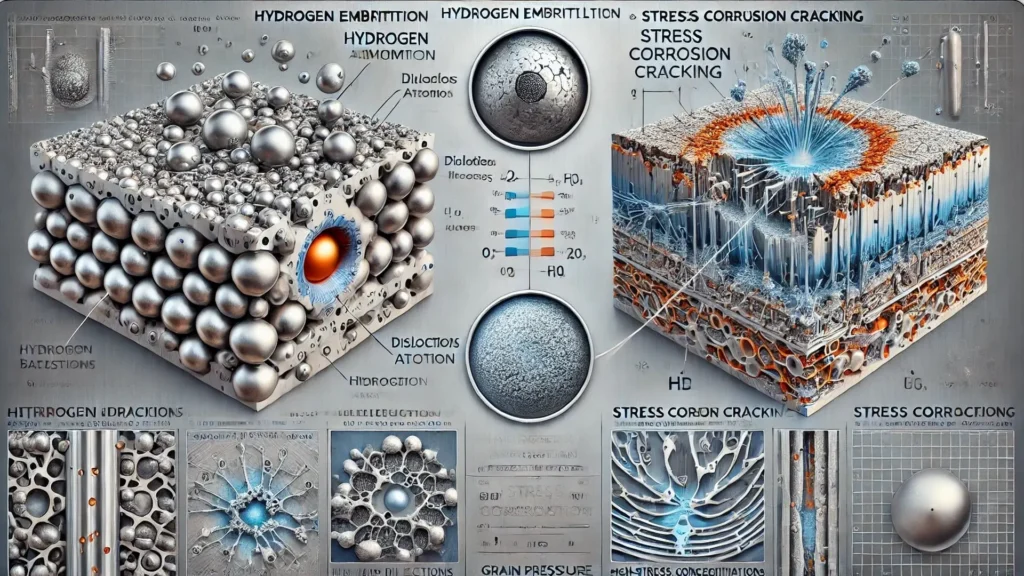
Hydrogen embrittlement vs. stress corrosion cracking
Distinguishing between hydrogen embrittlement and SCC allows for the assessment of mechanical and environmental risks in metals exposed to loads or corrosives.
Distinguishing between hydrogen embrittlement and SCC allows for the assessment of mechanical and environmental risks in metals exposed to loads or corrosives.
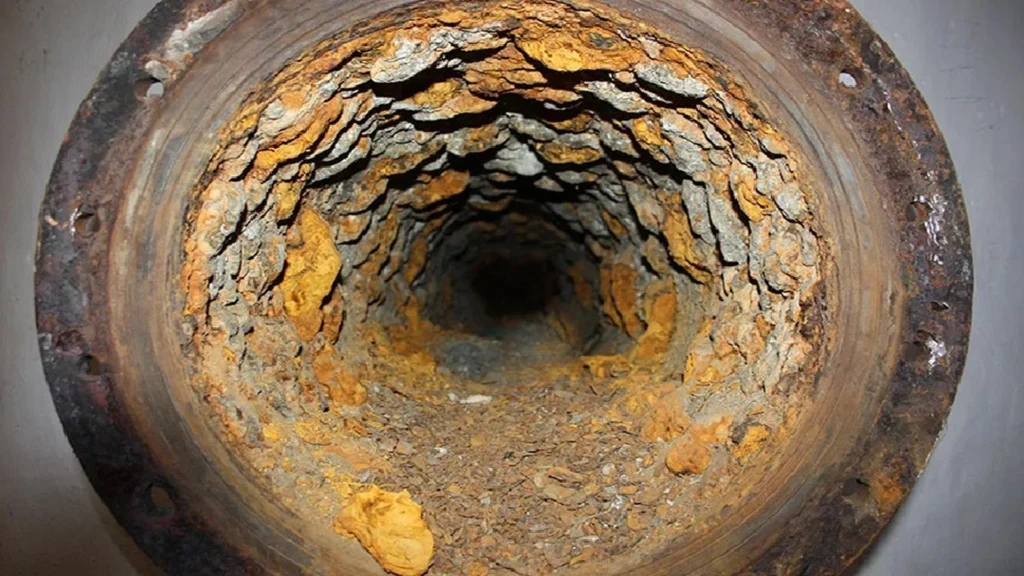
MIC corrosion deteriorates metals in industrial sectors by microorganisms, with electrical (EMIC) and chemical (CMIC) mechanisms that compromise their safety and durability.
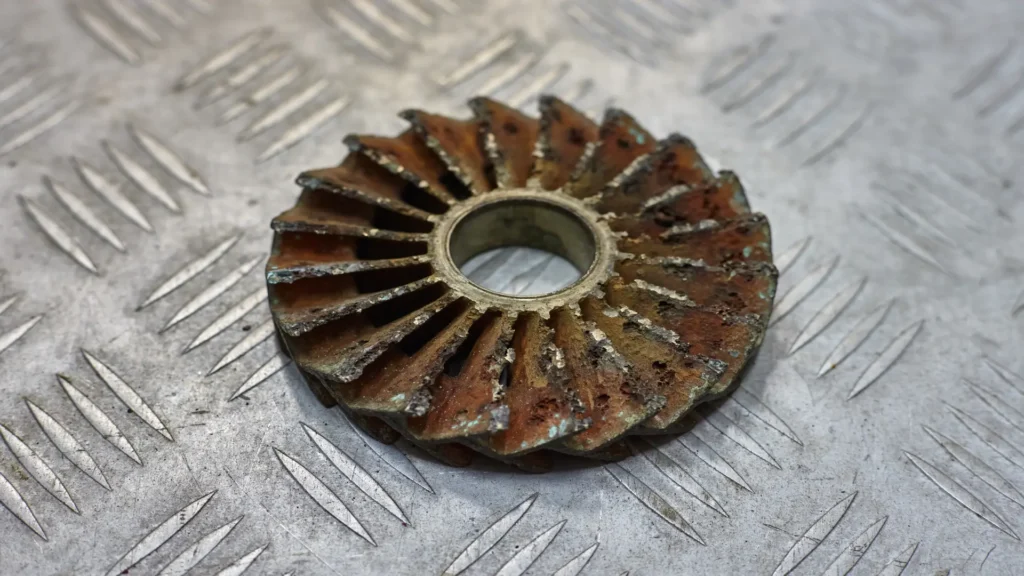
Explaining how cavitation corrosion generates pitting and fracture in hydraulic and mechanical equipment, affecting its useful life.
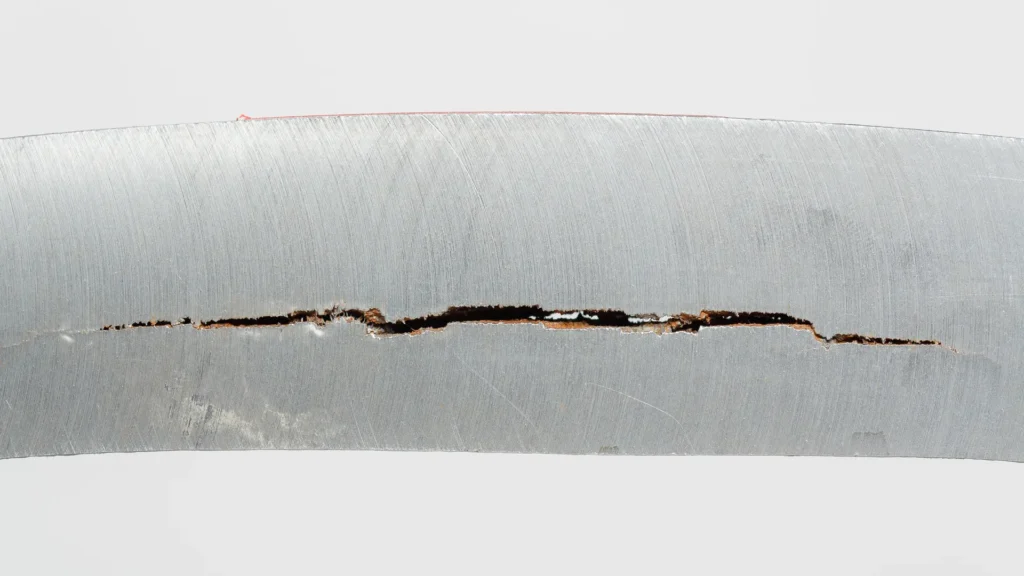
Hydrogen embrittlement is a phenomenon that weakens the mechanical properties of materials exposed to hydrogen.
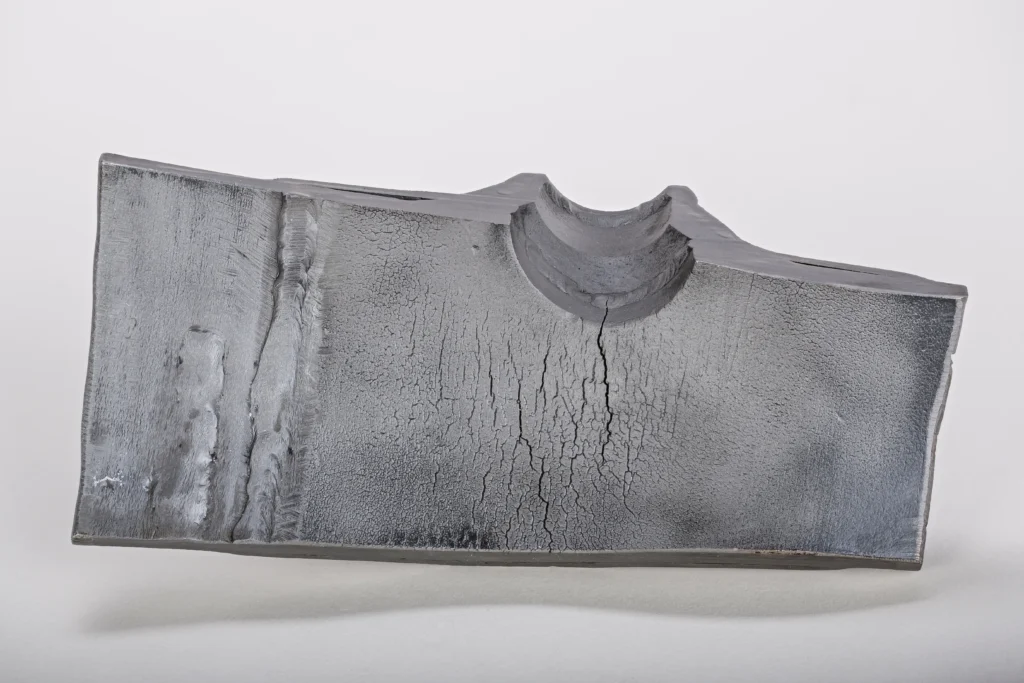
Causes and prevention of stress corrosion cracking in metals exposed to corrosive environments.
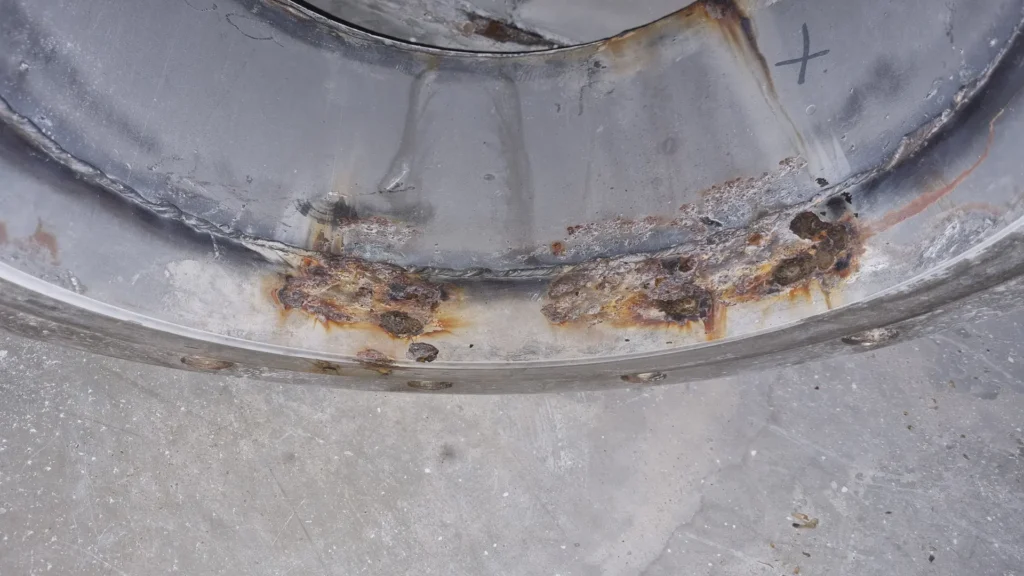
Analyzing and addressing pitting corrosion in metallic materials, focusing on prevention and repair.
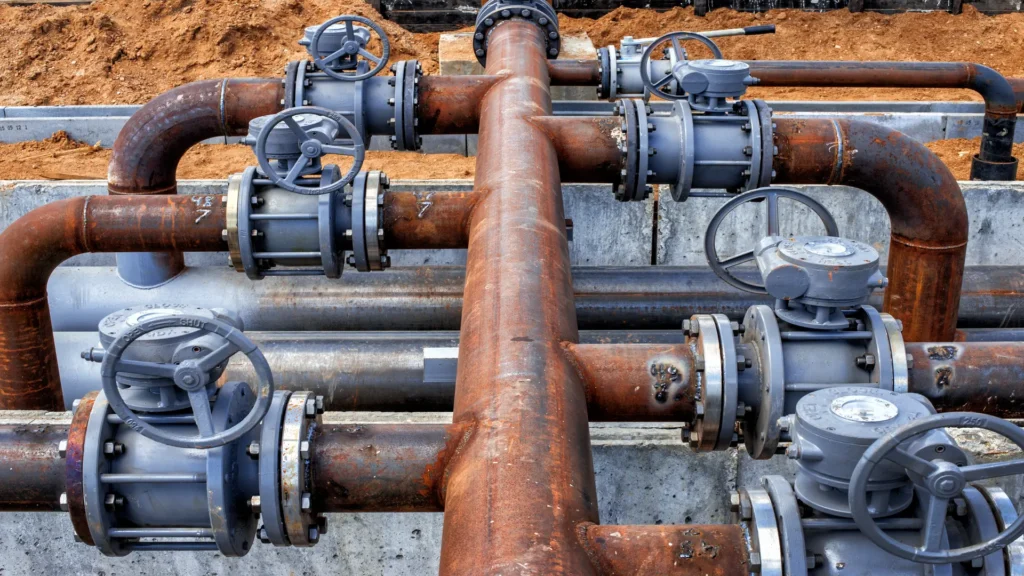
Galvanic corrosion, derived from the electrochemical galvanic reaction between metals, affects the durability of industrial structures, increasing the risk of failure and material damage.
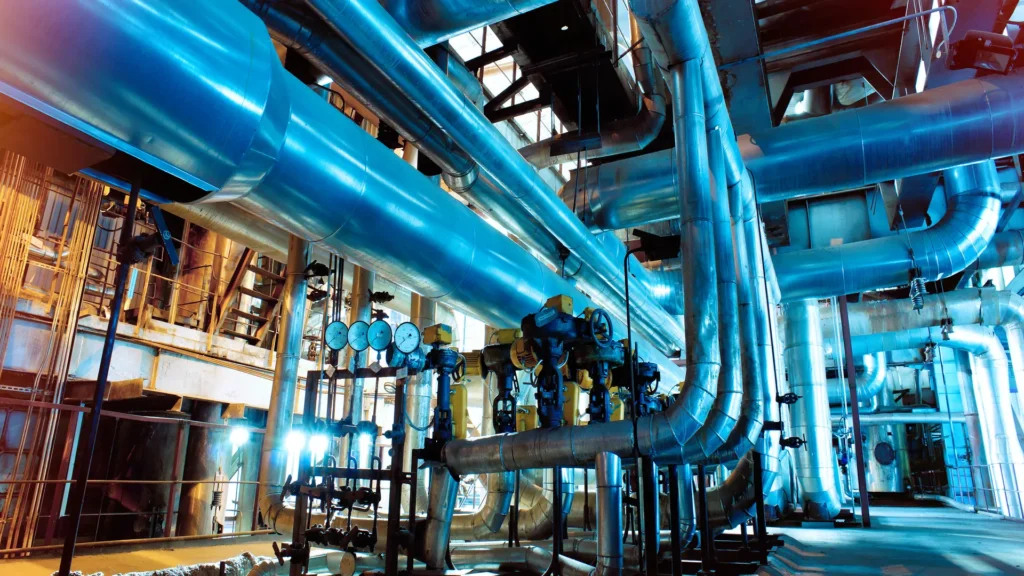
Dead legs in piping systems are critical areas for corrosion. Learn how to assess and control them to improve system integrity and efficiency.
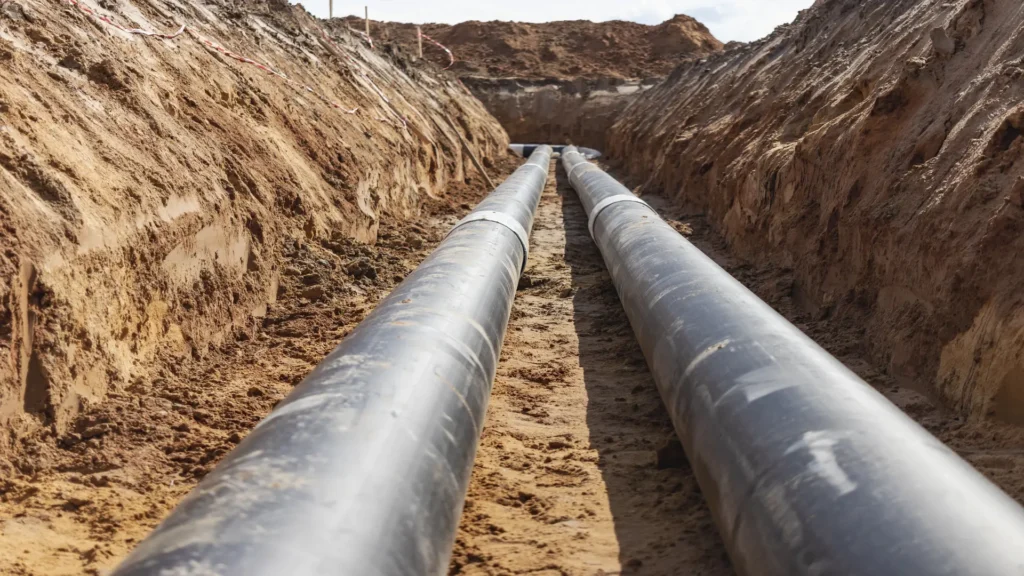
Corrosion in buried pipelines is a critical issue for operational safety and efficiency in industries.
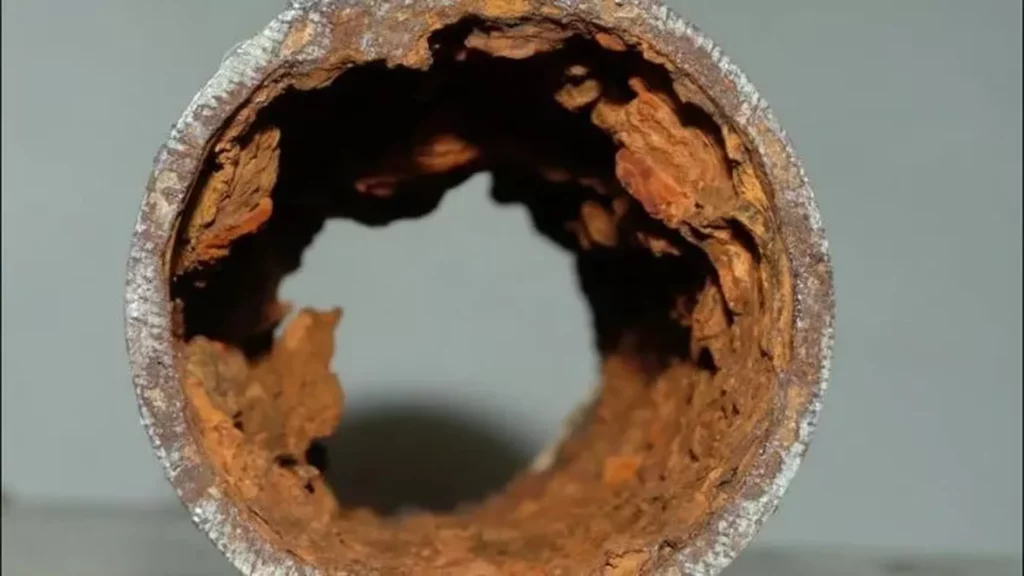
Uncover the roles and challenges of MIC and MID, focusing on electrochemical processes and microbial impacts.