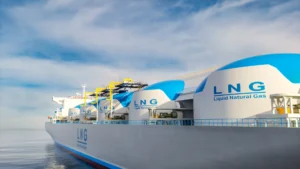
The oil and gas sector encompasses the entire energy value chain, including exploration, production, transportation, refining, and distribution of hydrocarbon resources. Its scope integrates engineering, geoscience, asset integrity, processing technologies, and operational management to ensure a reliable supply that supports global industry, mobility, and infrastructure.
Across the United States, Latin America, and Europe, this sector aligns advanced technologies with demanding regulatory systems and initiatives aimed at efficiency, safety, and emissions reduction. Its relevance lies in converting subsurface resources into usable energy for industrial systems and communities.
What you’ll find in this section
This category provides comprehensive technical content covering the full spectrum of oil and gas operations. Key topics include:
- Value chain operations: upstream, midstream, and downstream; integrated workflows and cross-sector challenges.
- Asset integrity and reliability: corrosion, inspection, RBI programs, API/ISO standards, and asset management.
- Processing and conversion: separation, treatment, compression, and refining technologies.
- Transportation and logistics: pipelines, terminals, measurement, custody transfer, and storage operations.
- Innovation and digitalization: IIoT, advanced monitoring, automation, and data analytics.
- Safety and environment: emission control, spill prevention, regulatory compliance, and operational safety.
- Economic and strategic drivers: supply/demand dynamics, global markets, and energy resilience.
The section offers technical articles, comparative analyses, real-world insights, and interconnected trends that shape energy infrastructure.
Oil and gas remains the operational foundation supporting industrial systems, mobility, petrochemical production, and large-scale energy demand. The sector faces challenges related to well and pipeline integrity, operational safety, process efficiency, emissions control, and regulatory adaptation—areas that require applied engineering and informed decision-making.