
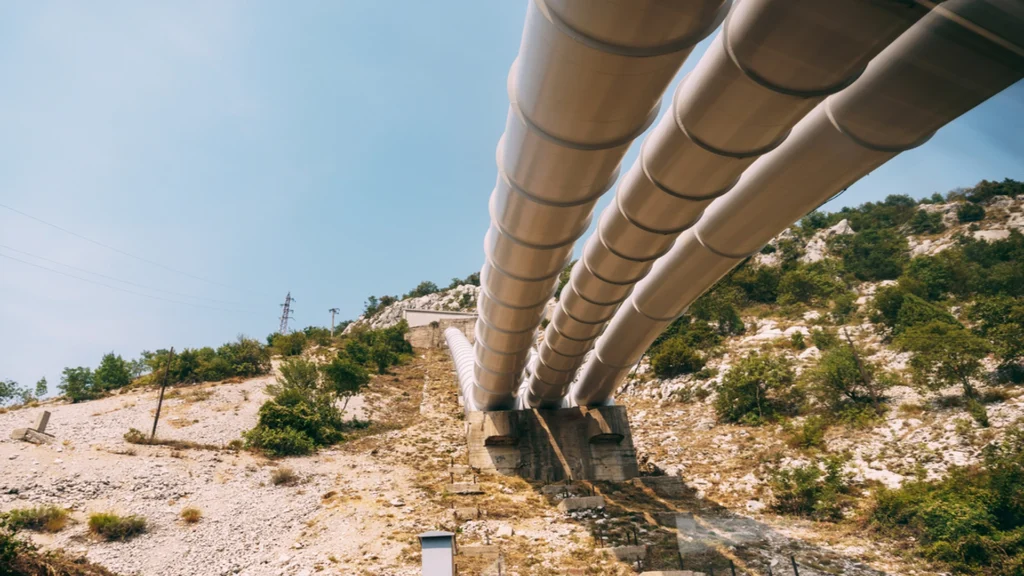
Pipeline landslide risk management: API 1187 Recommendations
Key analysis and recommendations for managing landslide risks in pipelines according to API RP 1187.
Key analysis and recommendations for managing landslide risks in pipelines according to API RP 1187.
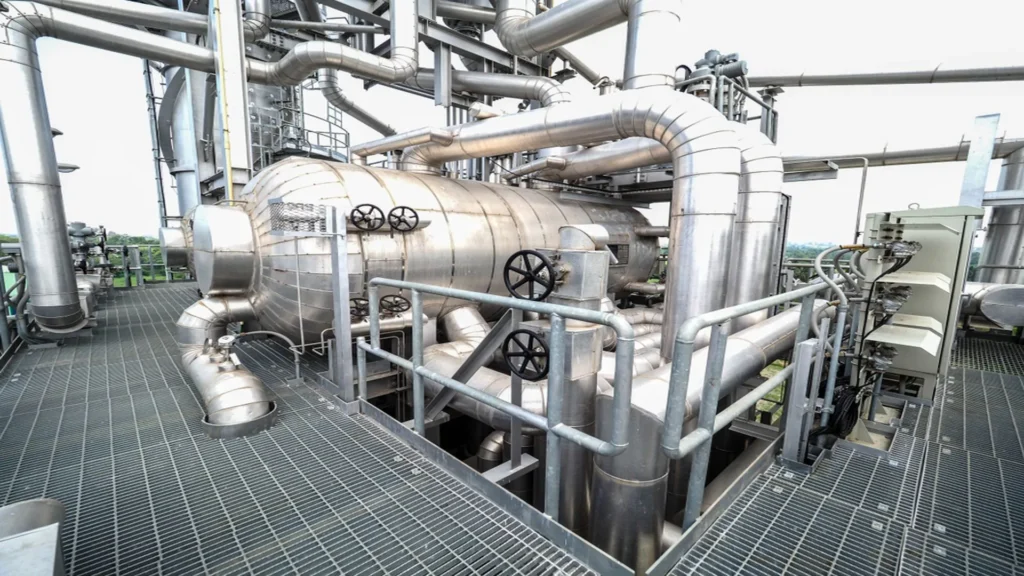
The standardization of NDT by ASME ensures reliable inspections, highlighting the importance of the code in the industry.

Introduction In the oil and gas industry, operational safety and efficiency are paramount. The concept of “Fitness For Service” (FFS) refers to evaluating the operational capacity…

Examination of API Q1 and Q2 standards and how they drive process improvement, risk management, and operational efficiency in industrial systems.
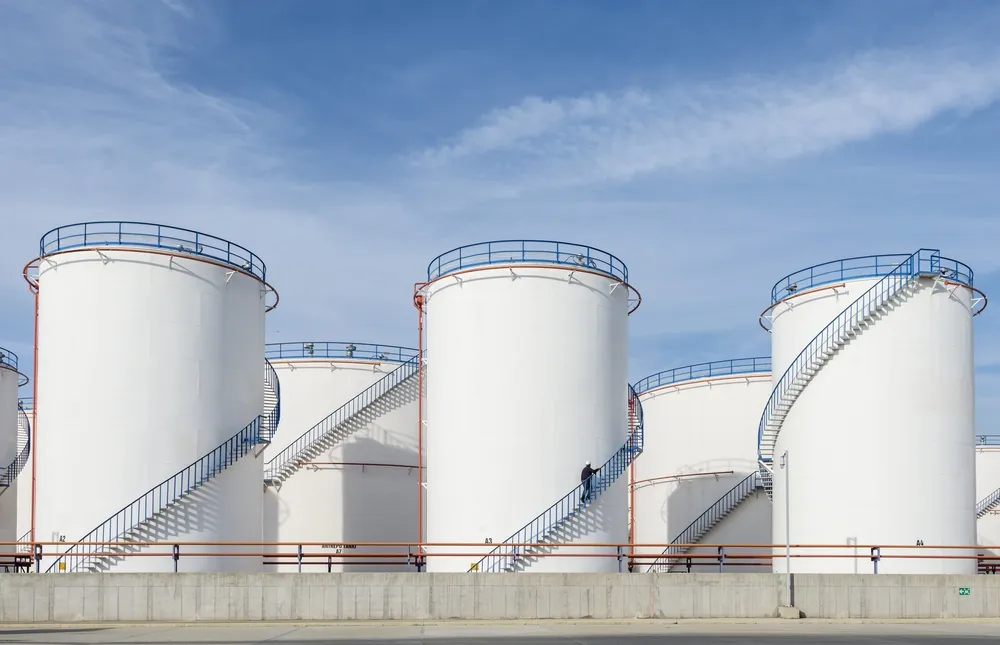
Author: Ing. Mayuly Rodriguez, March 26, 2024. Ensuring the integrity of these containers through the requirements of API 653 is essential for the continuity of operations,…

Establishment of API technical standards and policies for safety, operational quality, and regulation in the hydrocarbon sector.
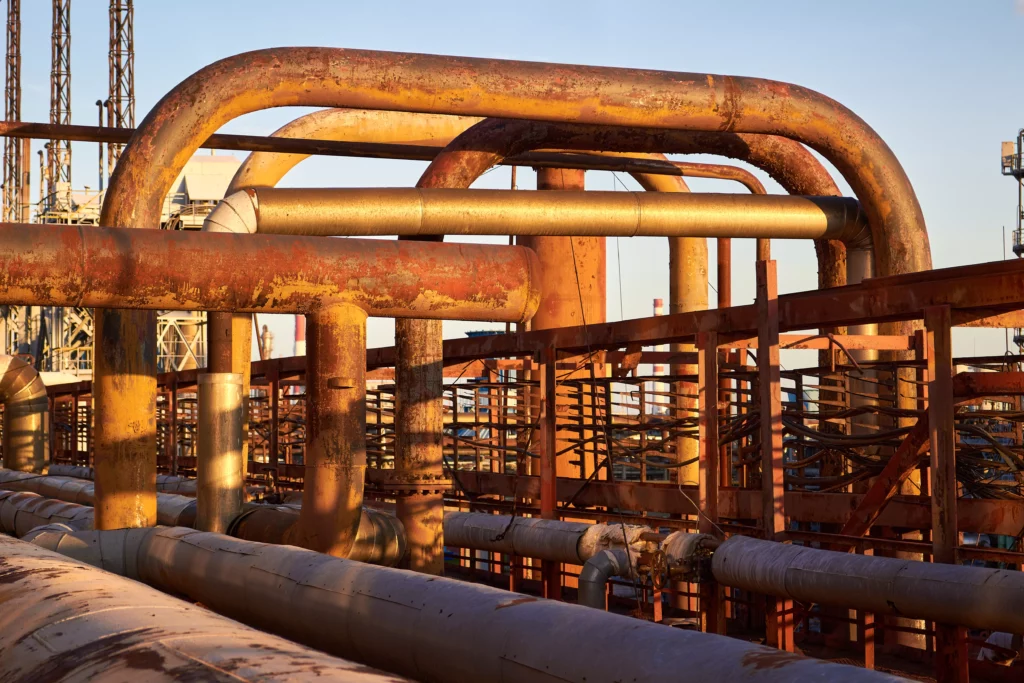
Corrosion in the oil industry causes failures and high costs. AMPP helps prevent damage and maintain operational efficiency.
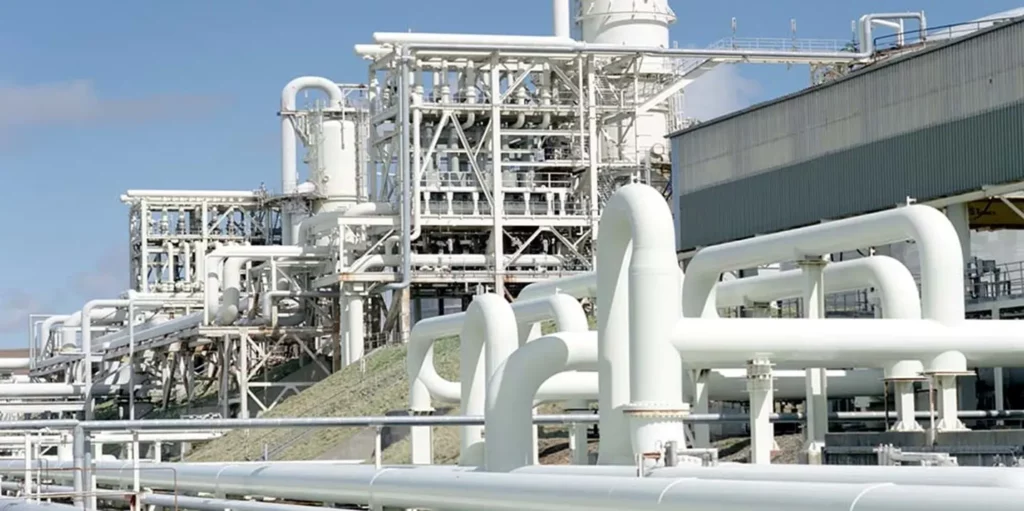
The integration of robotics in the API RP 581 methodology improves safety, efficiency and accuracy in inspections, optimizing structural integrity assessment.
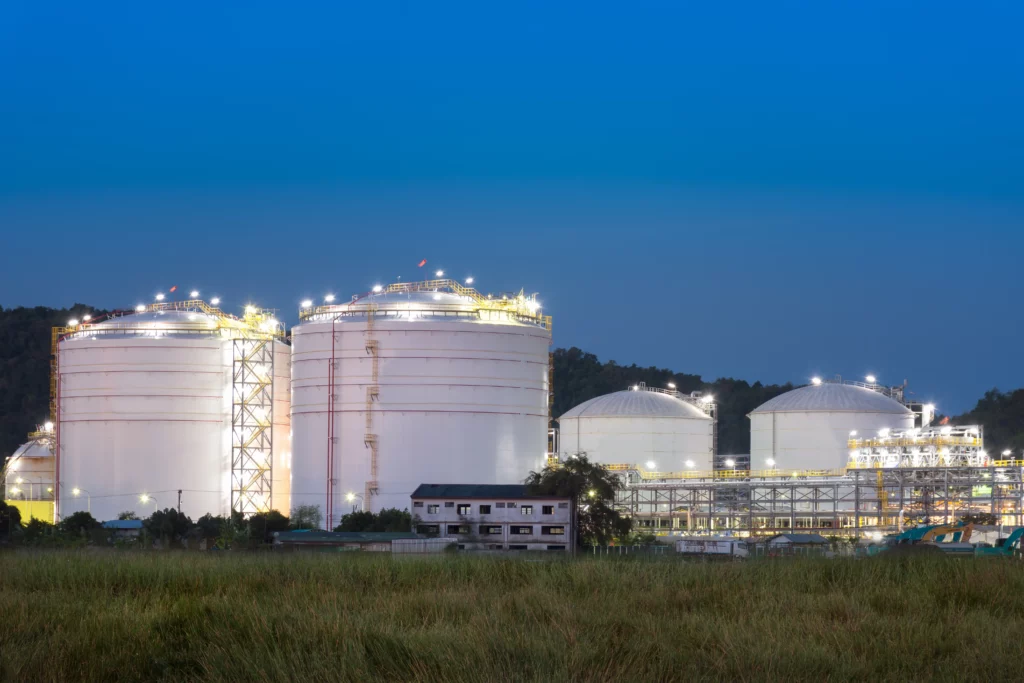
API RP 651 provides guidelines for cathodic protection of oil tanks, focusing on preventing corrosion on tank floors.
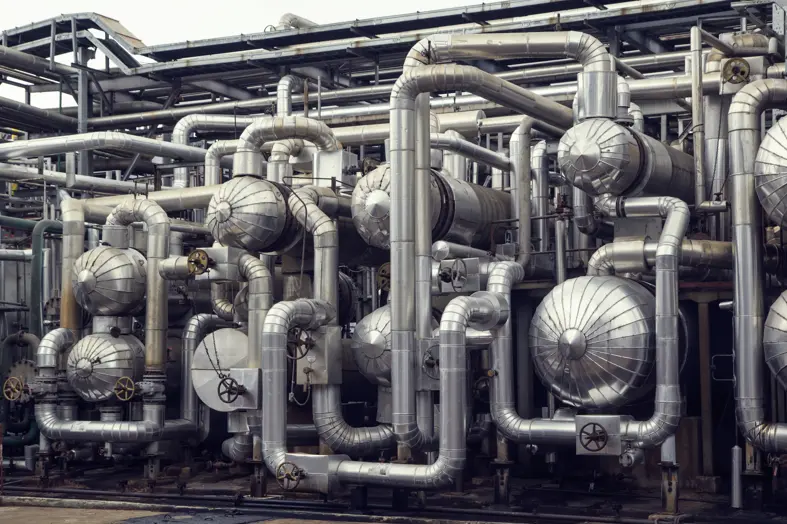
Antonio Zavarce Franciosi, January 6, 2024. The API 660 standard, recognized for its rigor and comprehensiveness, establishes a comprehensive framework for the design, manufacture and operation…