
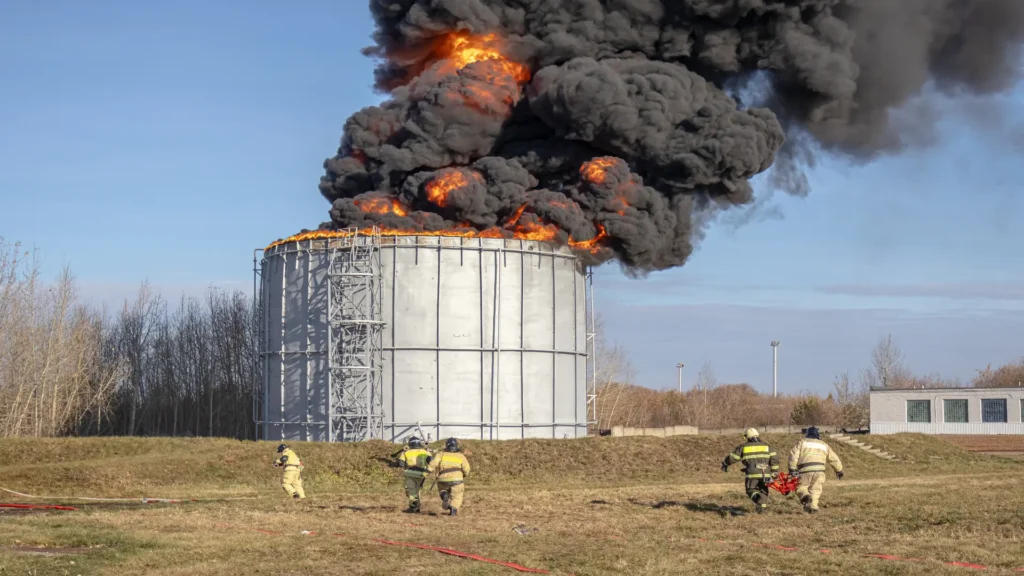
NFPA 30 on the design and manufacture of storage tanks
Ensuring tank safety by complying with NFPA 30 in design and operation.
Ensuring tank safety by complying with NFPA 30 in design and operation.
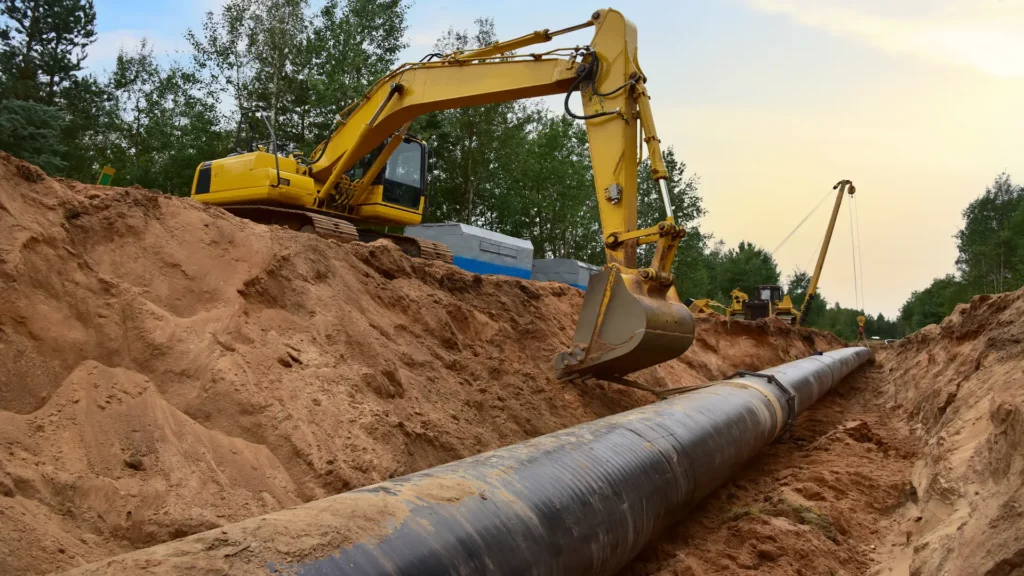
Learn how to apply API 1169 in piping projects, improve safety, avoid failures and excel professionally.
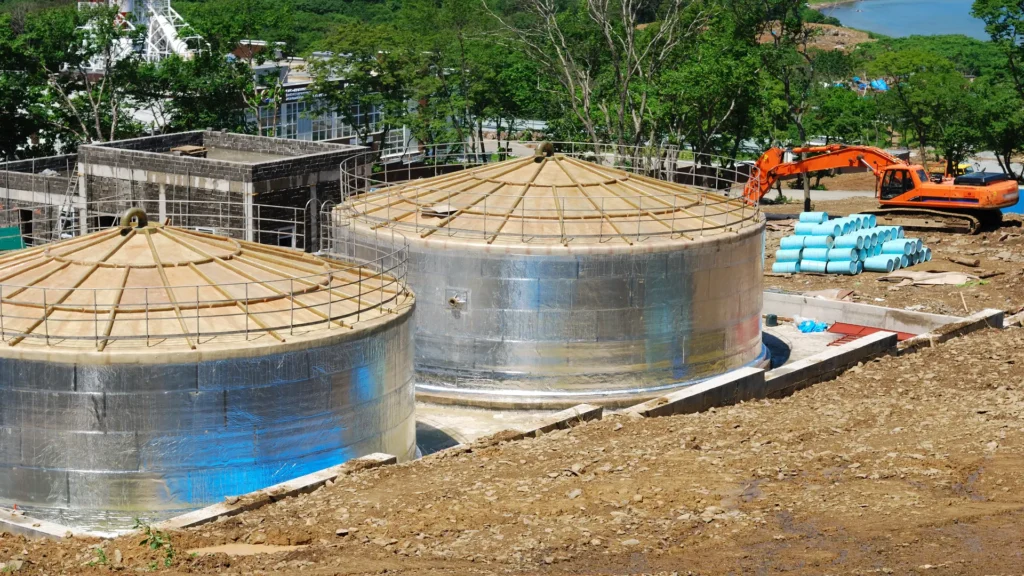
API Standard 650 in the petroleum industry: History, benefits and scope, with emphasis on the manufacturing processes, tests and acceptance tests that ensure the quality and…
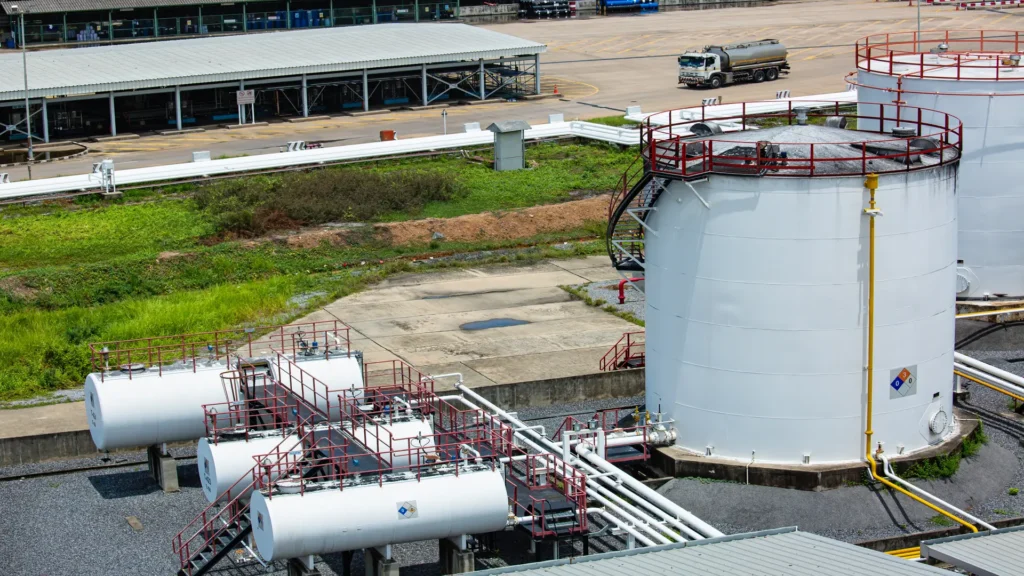
The choice between STI SP001 and API 653 should be based on a detailed technical analysis considering dimensions, manufacturing standard, operating conditions and criticality of the…
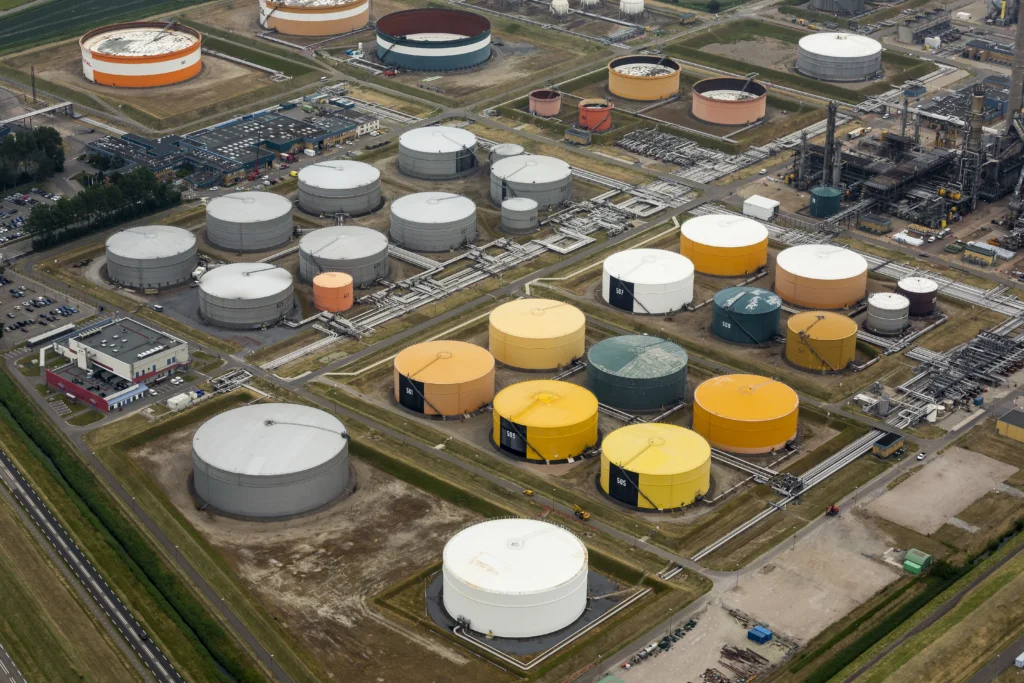
API 653 ensures inspection, repair, and safety in storage tanks.
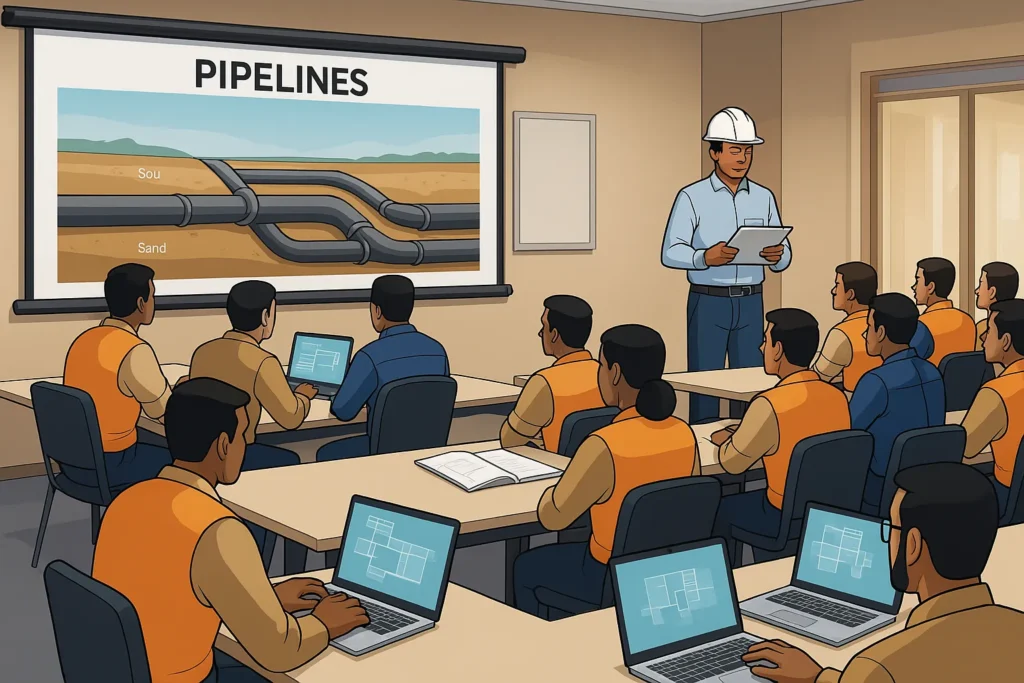
Adequate training of operators in pipeline safety is essential to mitigate risks and ensure operational continuity.
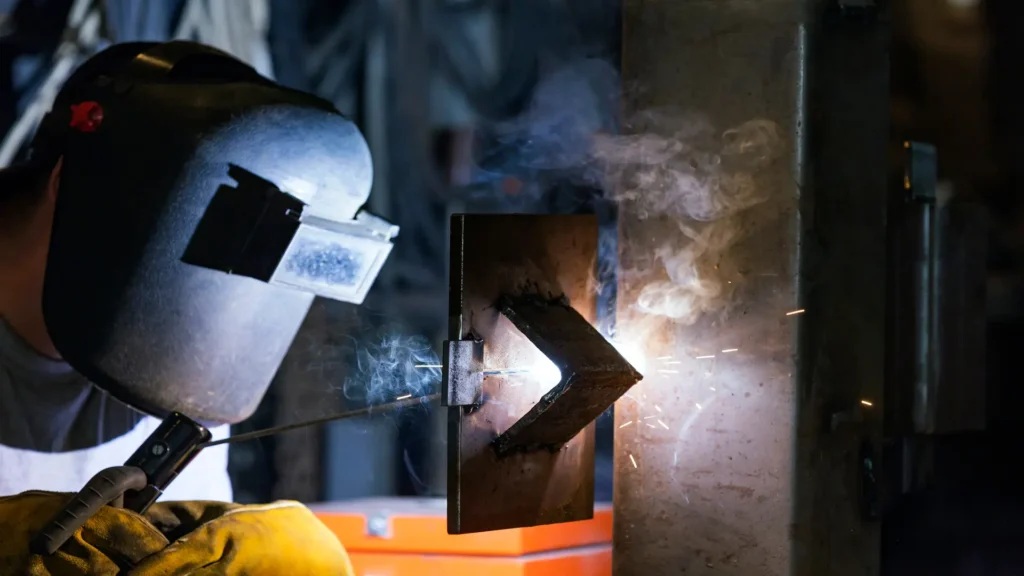
Highlighting the impact of the American Welding Society (AWS) on innovation and excellence in welding for the energy sector.
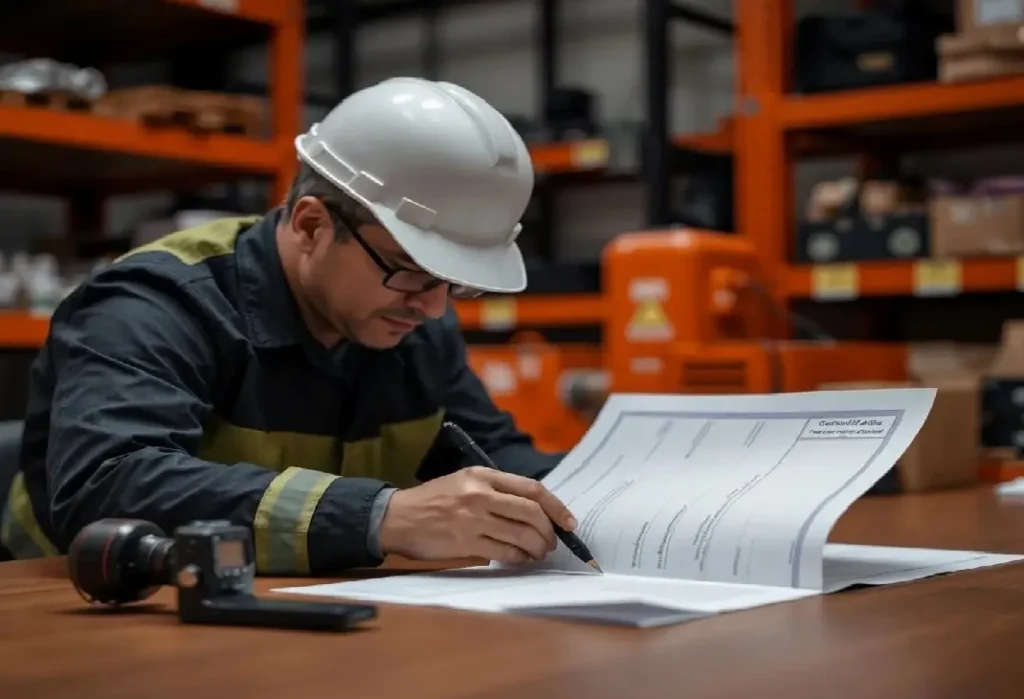
Learn how obtaining API certification can open doors in the industry, increase your salary and ensure compliance with key standards.
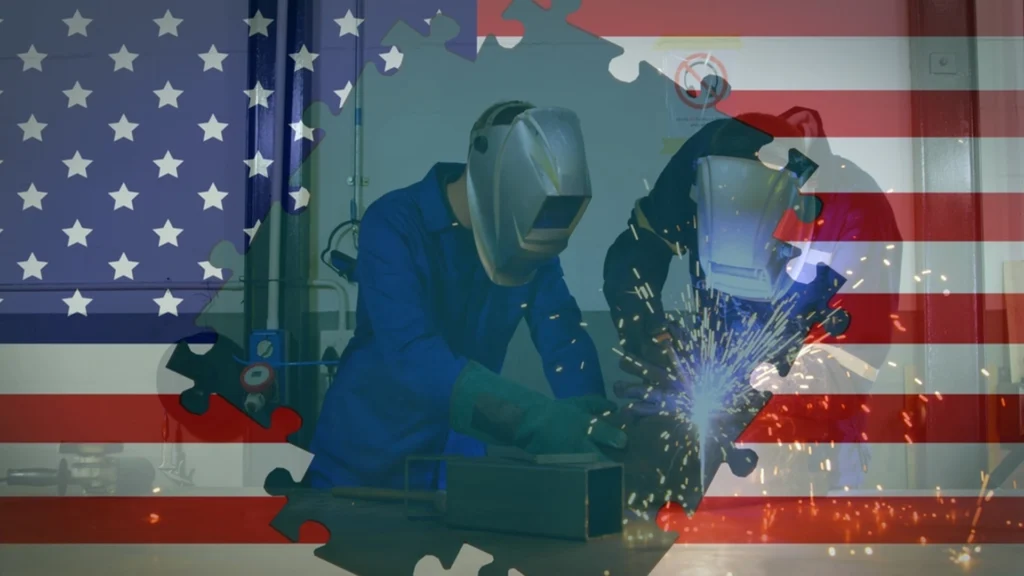
Highlighting the history of the American Welding Society (AWS), its impact on the industry and its leadership in welding.

The American Society for Nondestructive Testing, founded in 1941, aims to standardize non-destructive inspection methods in industry.