

API Inspections: Essential practices of API 510, 570, and 653
Comprehensive inspection API (510, 570, 653). Mechanical integrity in the Oil & Gas industry (NDT and Certified Inspector). Reduce failures, optimize costs, and ensure reliability.
Comprehensive inspection API (510, 570, 653). Mechanical integrity in the Oil & Gas industry (NDT and Certified Inspector). Reduce failures, optimize costs, and ensure reliability.

API 626 establishes a clear framework for inspecting and evaluating cryogenic tanks in the face of the increasing use and storage of LNG.

API 578 establishes a standardized framework for positive material identification (PMI) in the process and petroleum industries.

API 500 guides electrical classification in hazardous oil and gas areas to ensure safety and protect equipment.
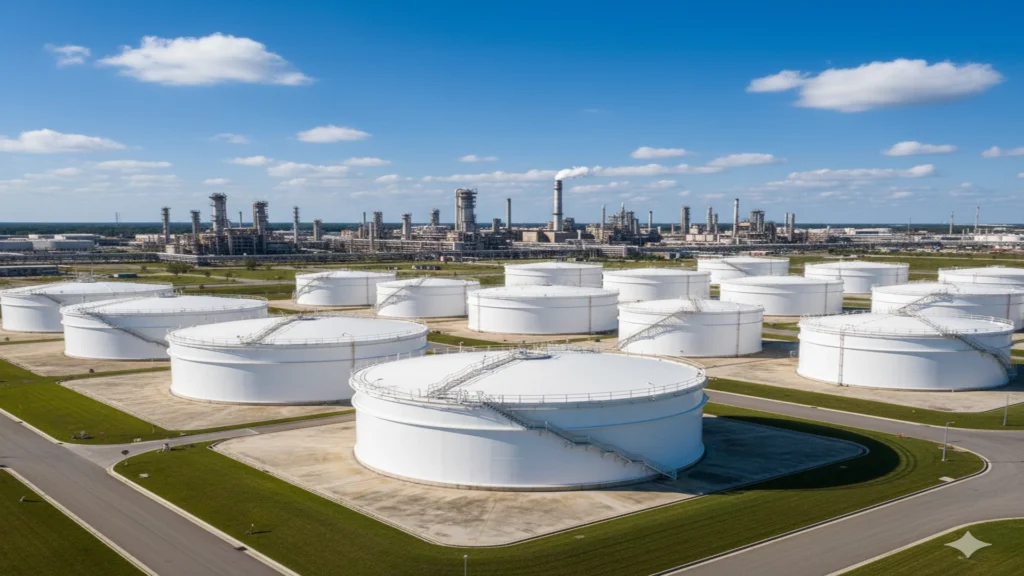
API TR 655 establishes guidelines for applying VCI inhibitors to reduce soil-side corrosion in storage tank bottoms.

API 617 and API 619 are key standards that define minimum design, material and maintenance requirements for compressors in the energy and industrial sector.

API 651 and AMPP SP0193 standards set the basis for advanced cathodic protection, reducing corrosion losses and improving the integrity of critical assets.
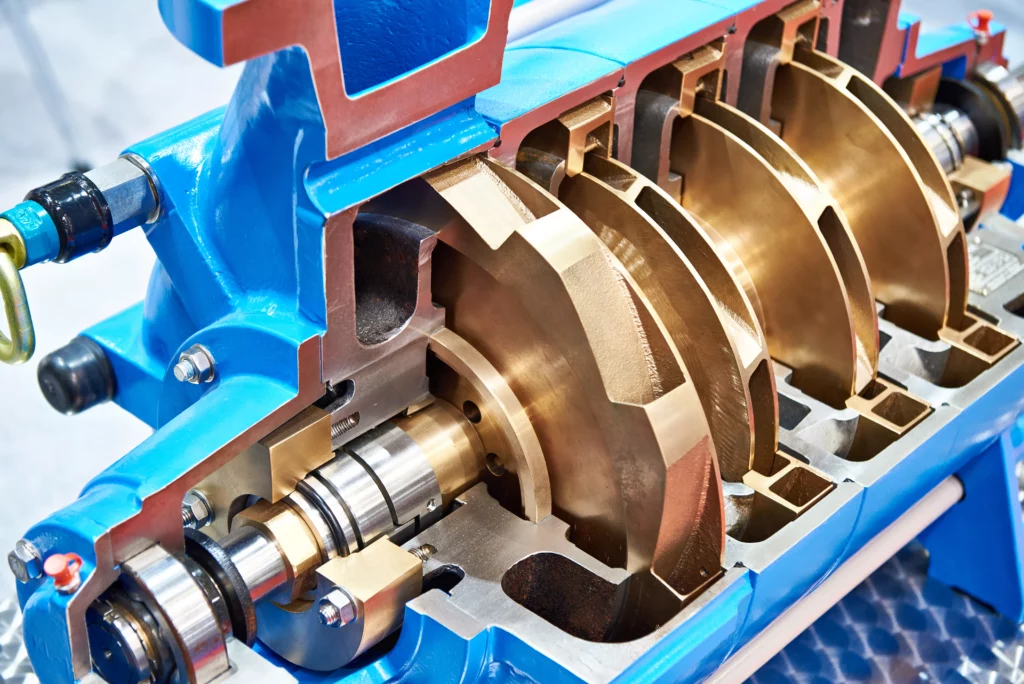
This comprehensive guide covers API 610, 674, 676, 682, and 685 standards, helping you make informed decisions for critical process applications.

Texas will host the twentieth edition of the API 2025 Conference, dedicated to strengthening oil and gas cybersecurity.

API 537 guides the safe and sustainable design of flare systems, optimizing combustion and reducing methane and VOC emissions.