
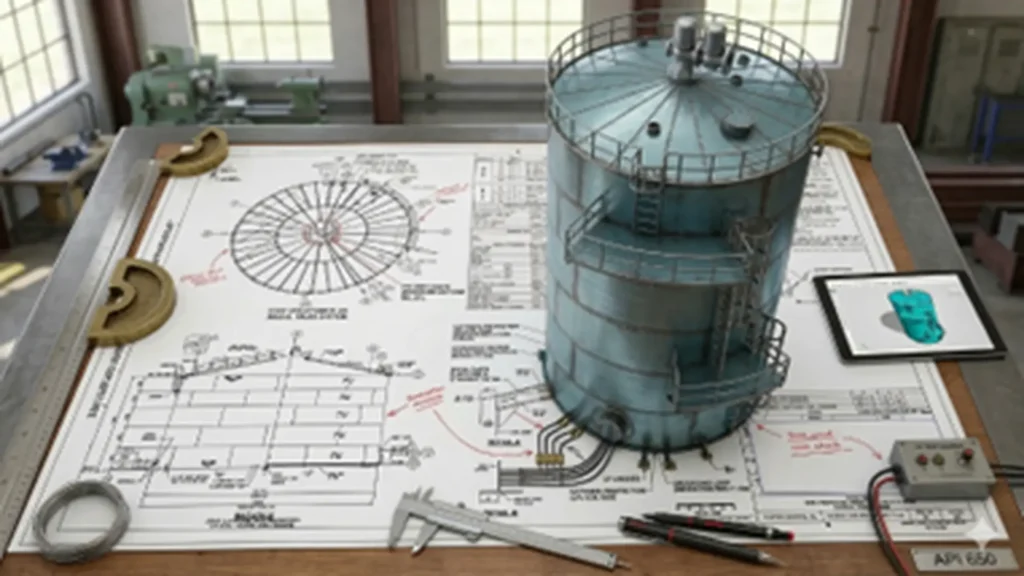
API 650: Guide for the design, inspection, and assembly of steel tanks
API 650 standardizes the design, manufacture, assembly, and inspection of steel atmospheric tanks, ensuring structural integrity and leak tightness with verifiable criteria.
API 650 standardizes the design, manufacture, assembly, and inspection of steel atmospheric tanks, ensuring structural integrity and leak tightness with verifiable criteria.
Interview with Alan Thomas, CEO of AMPP, on global strategy, digitization, and certifications in materials protection.
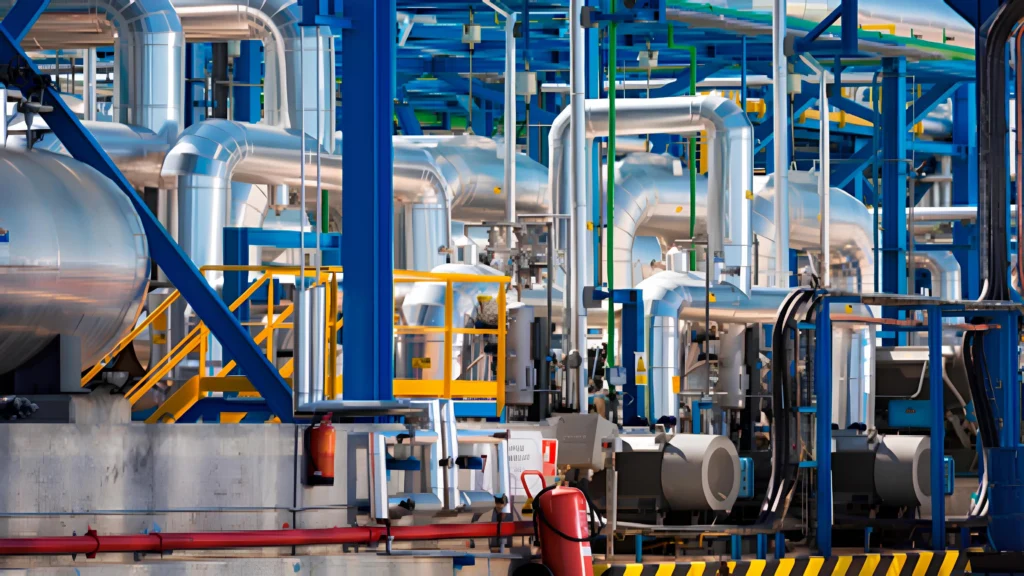
ASNT leads the transformation of NDT through global certification, AI adoption, new skills, and strategies to strengthen the international workforce.
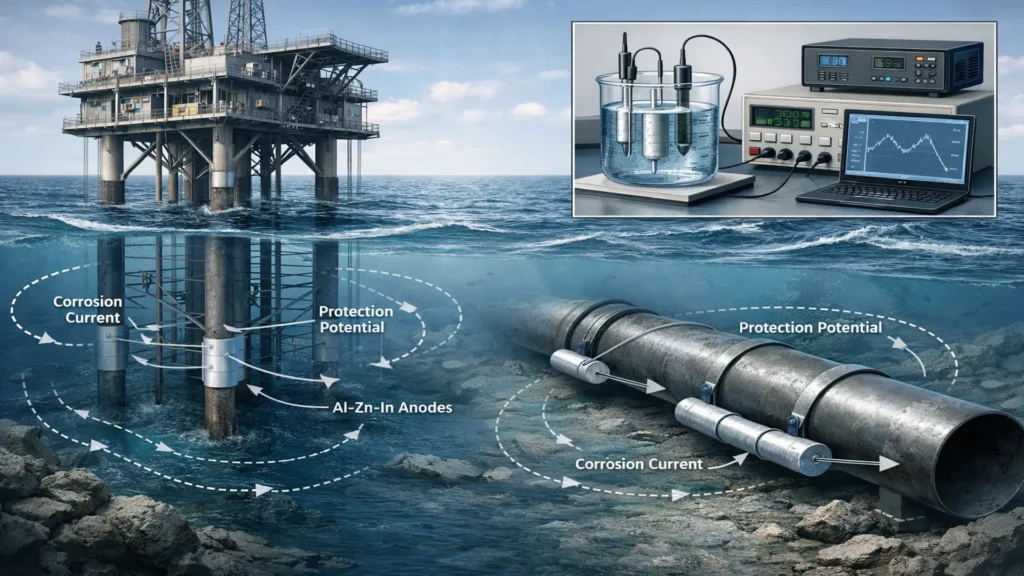
The NACE TM0190 standard defines the test for validating the electrochemical performance of aluminum anodes.
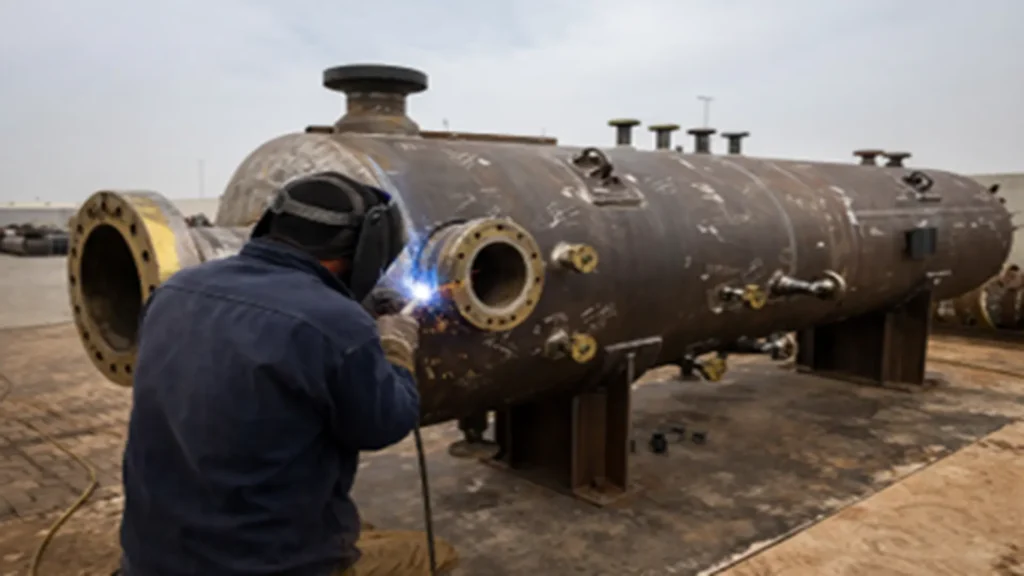
ASME Section IX governs welding in pressure vessels, ensuring technical qualification, document traceability, and BPVC compliance during industrial fabrication.
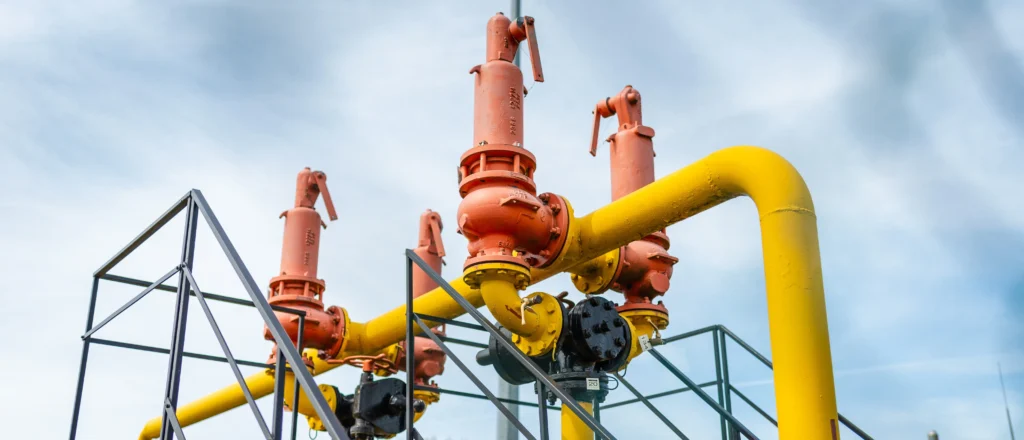
The correct application of API 520 is critical to ensure the protection of pressurized equipment against overpressure scenarios.
GD&T certification aligns design, quality, and production, reducing dimensional conflicts through consistent application of ASME Y14.5.
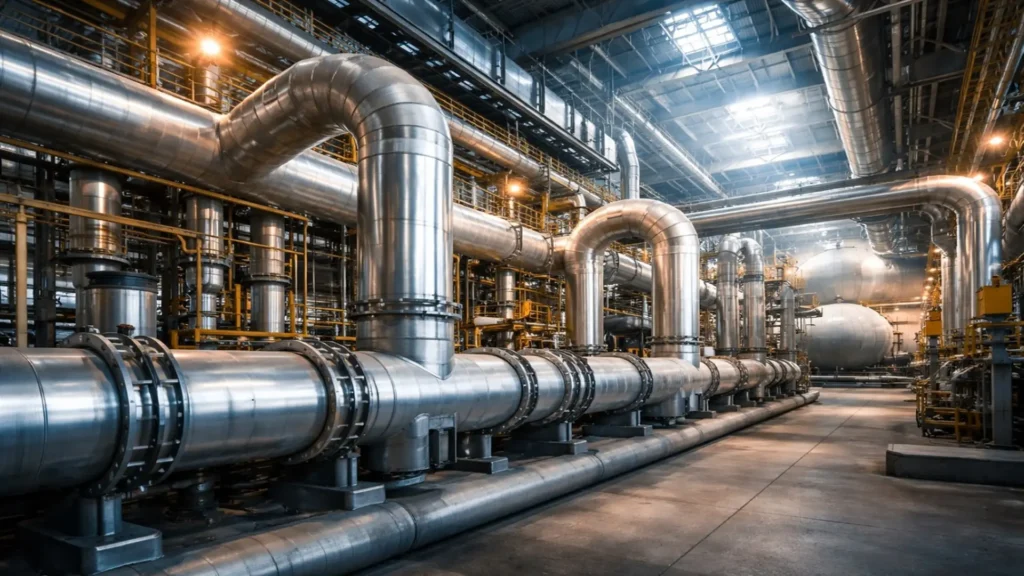
Technical guide on ASME B31.1 applied to the design, manufacture, inspection, and operation of power piping in power plants.

Visual inspection under ASME PCC-3 strengthens the risk-based approach by linking CoF, PoF, and visual data with reliable decisions.
Learn about API 510 best practices to ensure the integrity of pressure vessels in operation.