
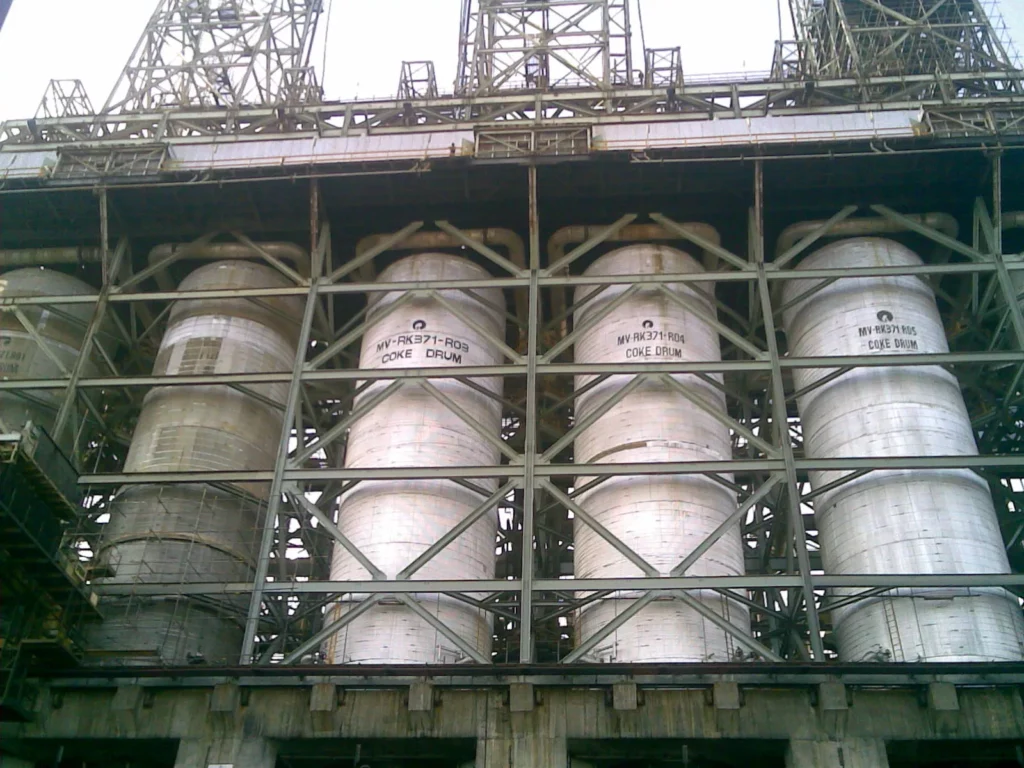
Non-destructive testing methods for inspecting coke drums
In refining, coke drums, subjected to extreme conditions, require non-destructive testing to detect failures.
In refining, coke drums, subjected to extreme conditions, require non-destructive testing to detect failures.

Regular wind blade evaluations are essential to ensure the safety and reliability of wind turbines.
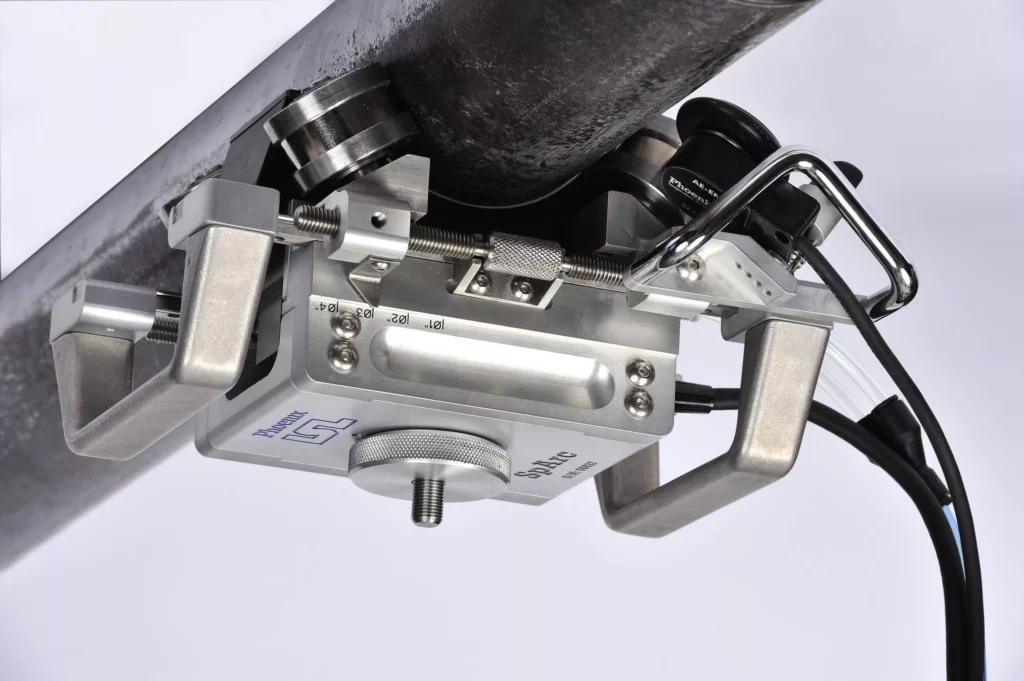
Advanced phased array ultrasound evaluation for corrosion inspection on smaller diameter lines.
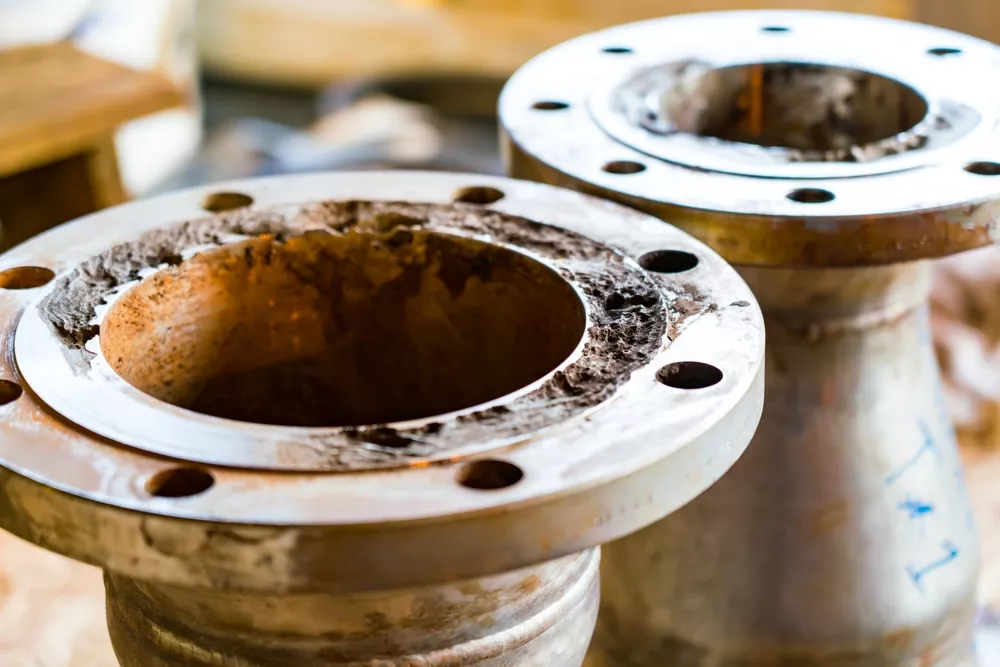
Technical review of the use of phased array ultrasound to evaluate flange defects within pressure and piping systems.
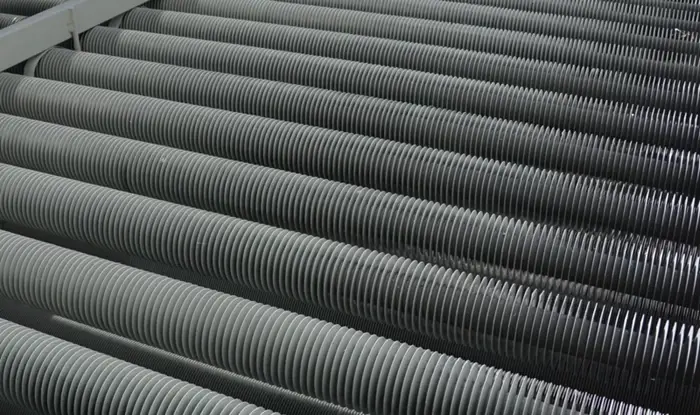
Evaluation of methods for detecting defects and degradation in air-cooled heat exchanger tubes in industrial environments.
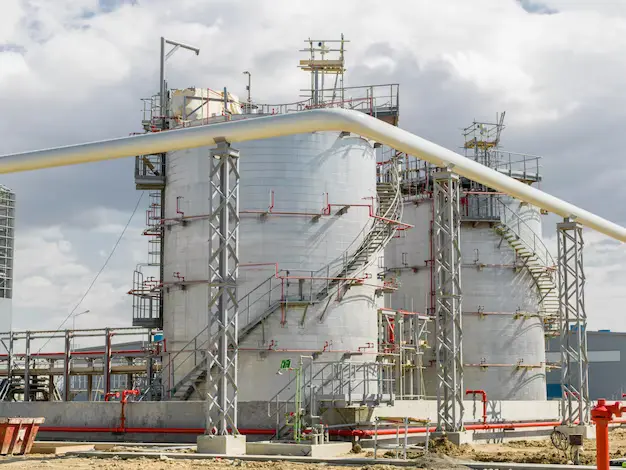
The service life and reliability of Aboveground Storage Tanks depend on ensuring their structural integrity through corrosion mapping.
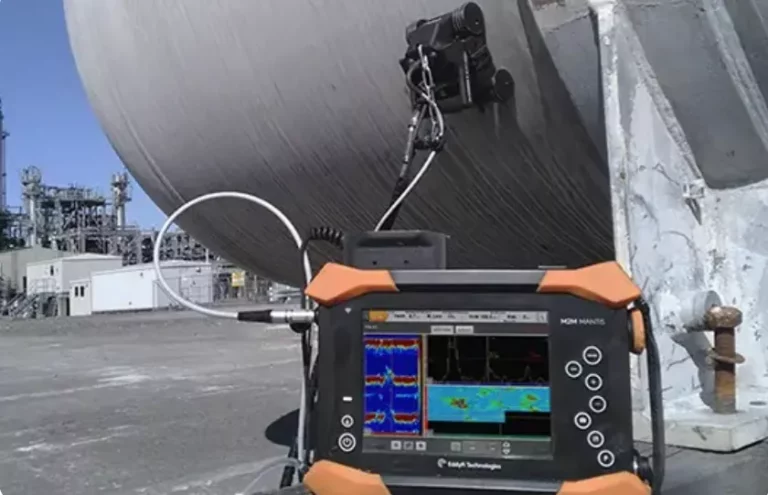
Integration of TFM in ultrasonic testing improves corrosion assessment with accurate 3D imaging and better detection in critical zones.
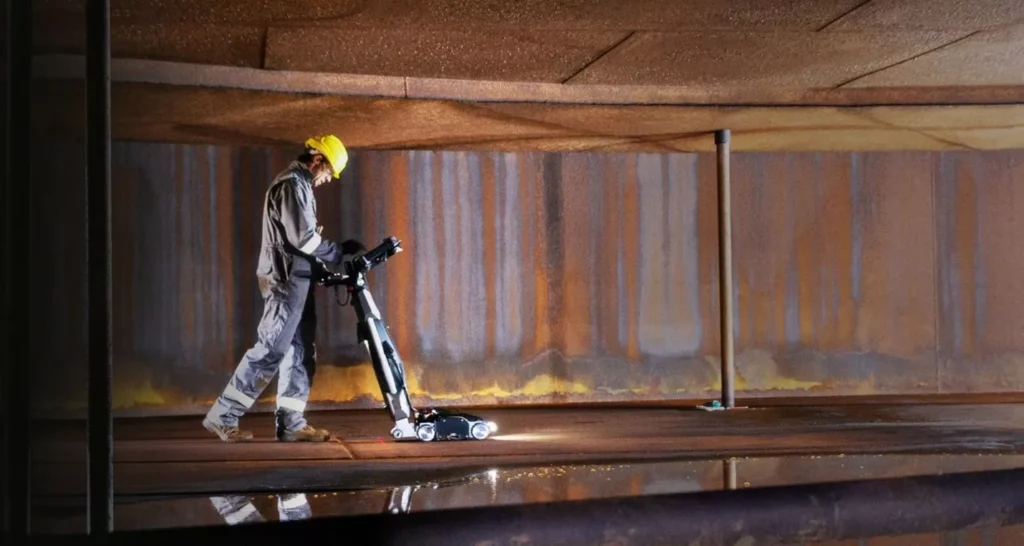
Technical analysis of ACFM, MFL and Eddy current methods applied to electromagnetic corrosion mapping in complex metallic structures.
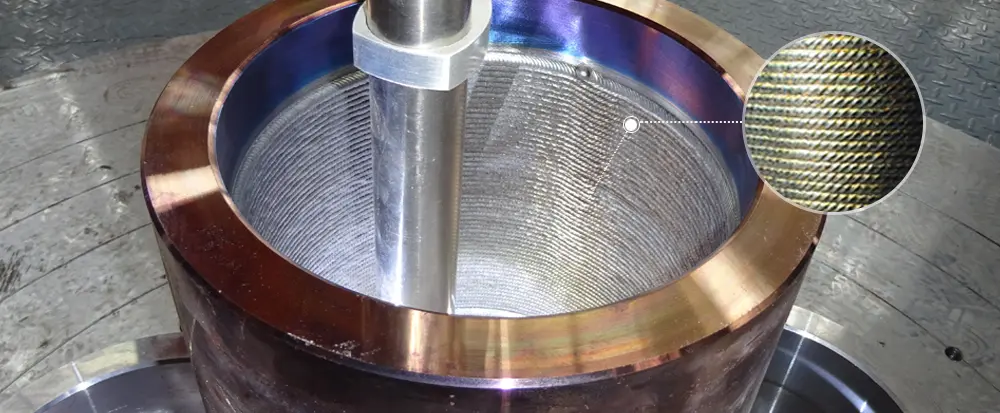
Evaluation of welded joints in stainless and dissimilar steel using phased array ultrasonic testing.

Detailed application of Pulsed Eddy Current technology for detecting corrosion in tank annular rings without removing insulation or coatings.