
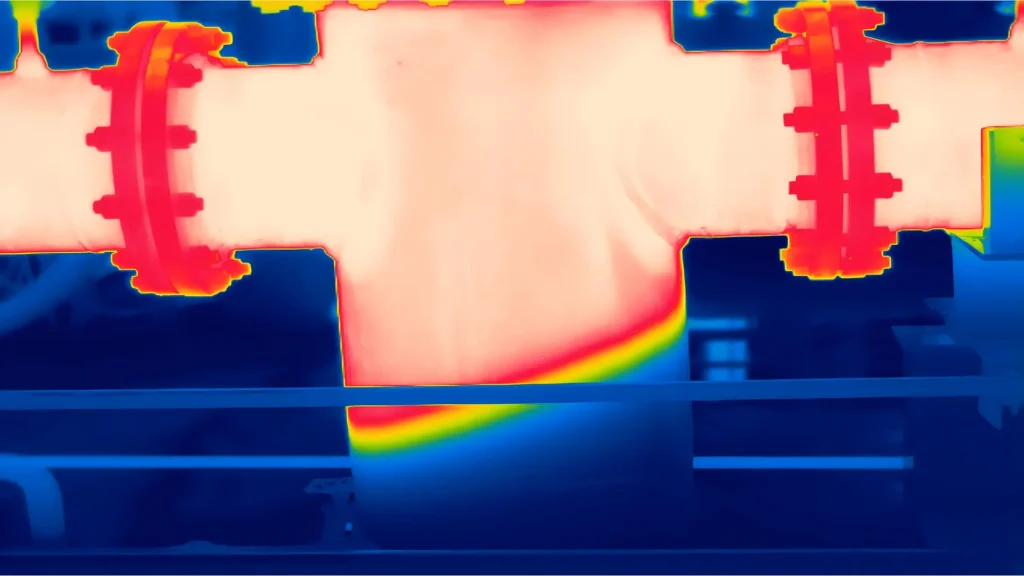
Emissivity and its role in Infrared Temperature measurement
Analyzing the role of emissivity in the accuracy of infrared temperature measurement and how to adjust it correctly.
Analyzing the role of emissivity in the accuracy of infrared temperature measurement and how to adjust it correctly.
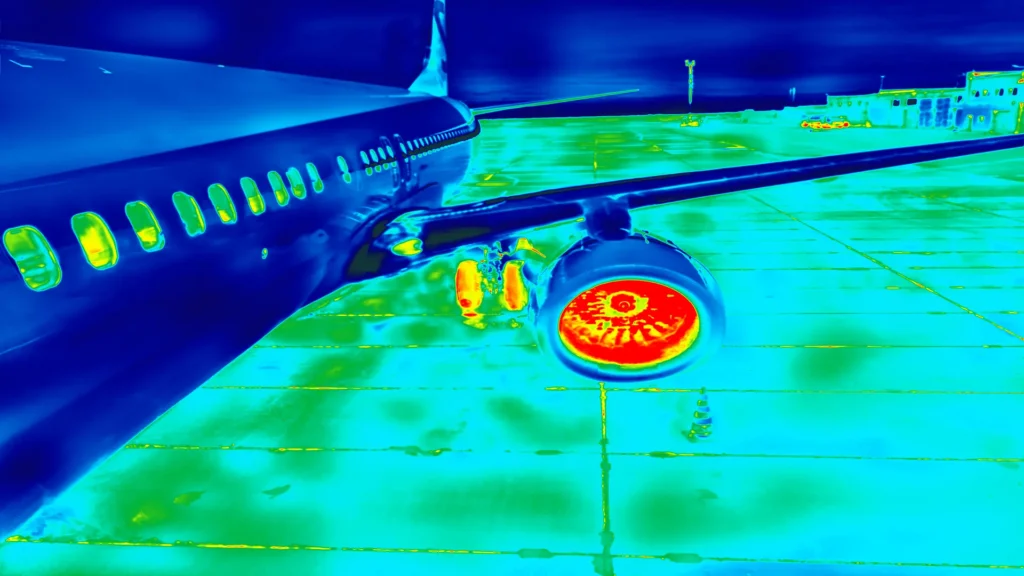
The use of lock-in thermography as an advanced technique for detecting sub-surface faults in complex systems.

Thickness measurement by Eddy Currents in industrial processes in quality control.
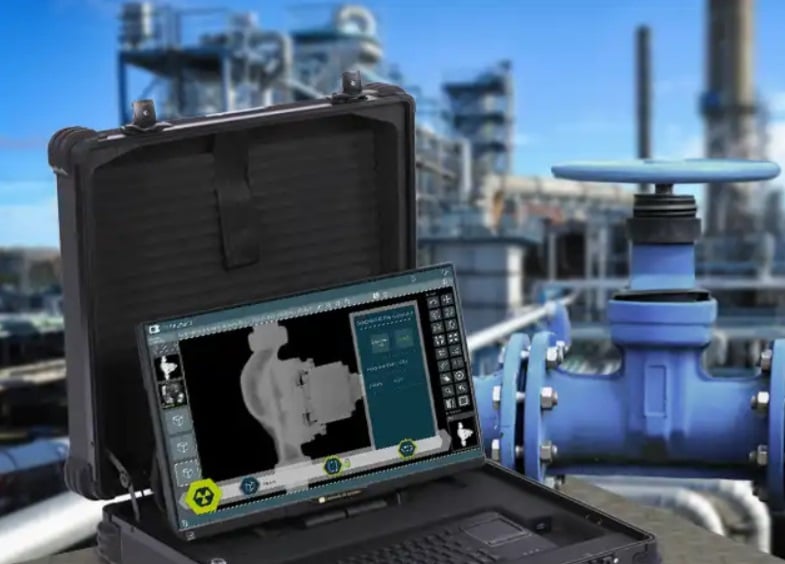
With technological advances, digital radiography has become an essential technique for industrial inspection and quality control.
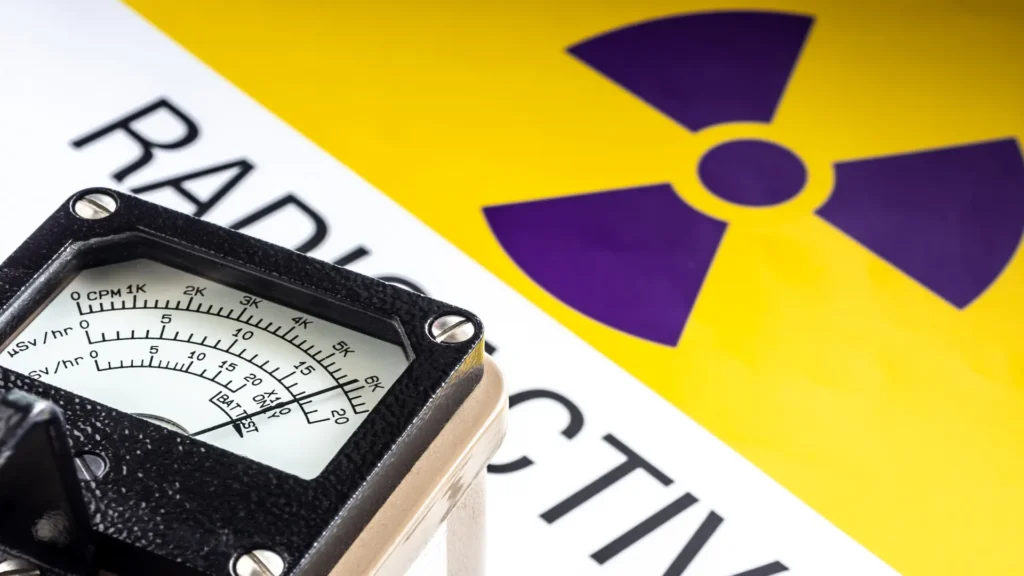
Training candidates for the IRRSP practical exam, ensuring their competence in radiological safety in industrial radiography.
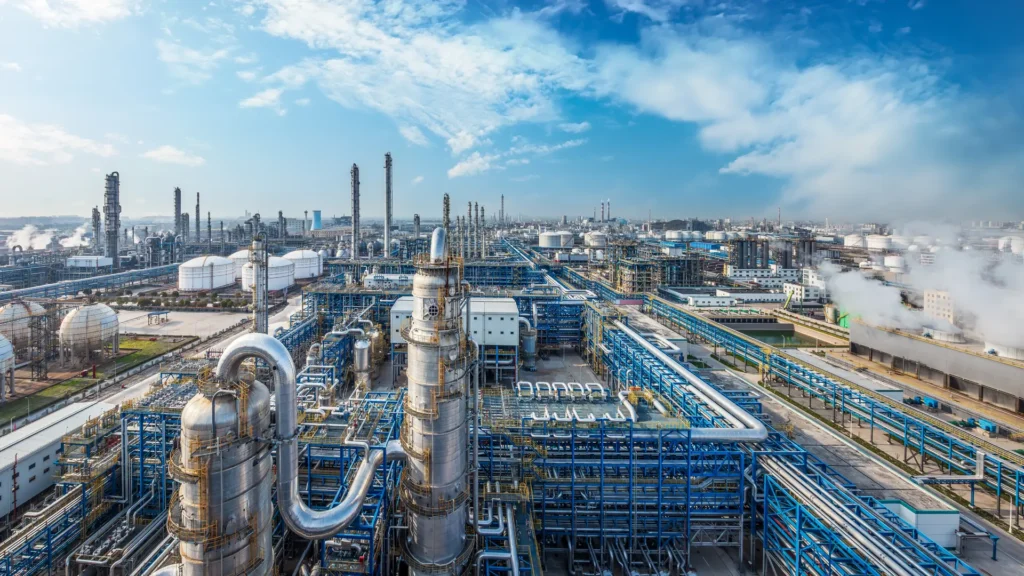
This article provides a detailed analysis of non-destructive testing on carbon and stainless steel.

The oil industry relies on NDT to maintain the integrity of equipment and structures, ensuring continuous operations.

How NDT industry improves integrity, safety and operational efficiency in different sectors.
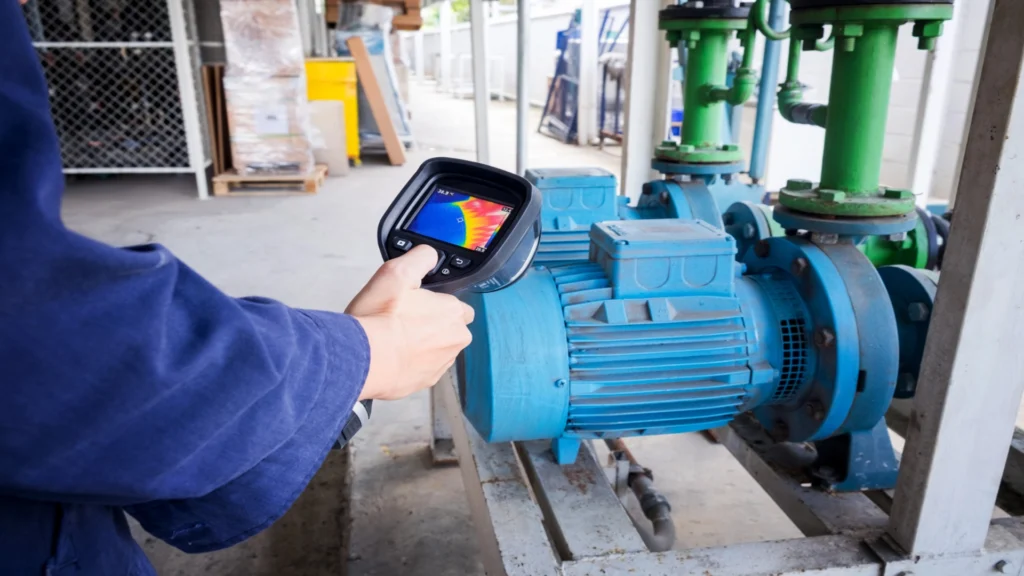
Predictive maintenance reduces downtime and operating costs by anticipating failures through non-destructive analysis of equipment.

Examining the impact of Nondestructive Testing on equipment and pipeline service life.