
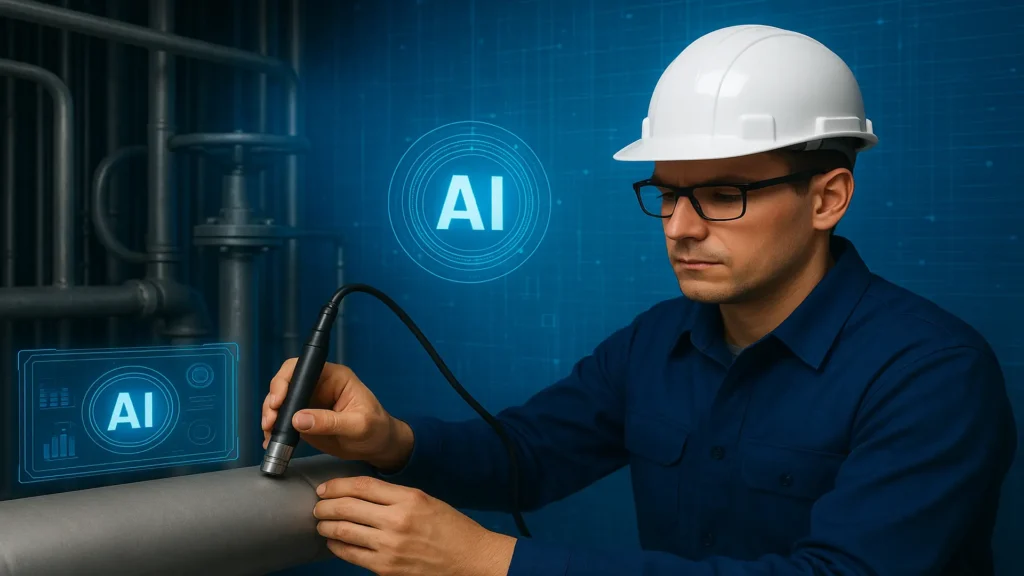
NDT with AI: Smart automation for industrial inspection
AI transforms NDT by automating industrial inspection, improving accuracy, efficiency, and enabling predictive maintenance with human-machine collaboration.
AI transforms NDT by automating industrial inspection, improving accuracy, efficiency, and enabling predictive maintenance with human-machine collaboration.

Preserving heritage requires effective methods of evaluation, diagnosis and monitoring, where Non Destructive Testing (NDT) is crucial.
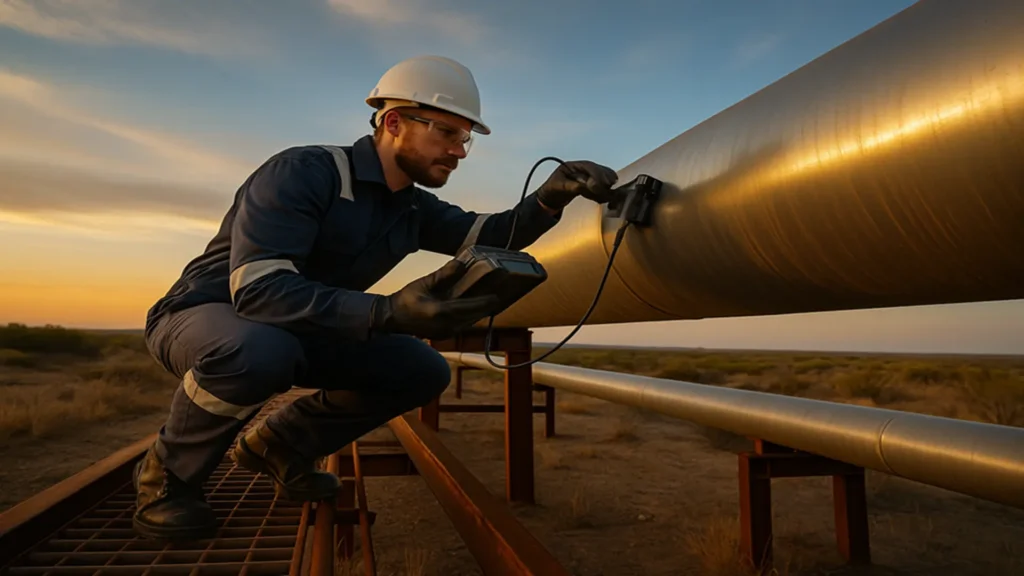
Learn how NDT certifications can open doors to high-paying and in-demand careers worldwide, ensuring safety and innovation.

Technical comparison between wet and dry particles applied to magnetoscopy inspection.

Explaining how industrial radiography is applied in the evaluation of reinforced concrete.

Submerged pipelines are essential in various industries, and ultrasonic guided wave testing ensures their structural integrity.
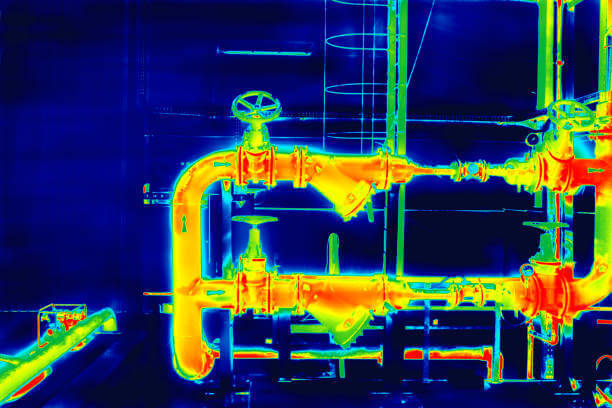
Thermography is one of the most common methods used by the Equipment Inspector in plants in service, to verify the existing conditions of any asset.
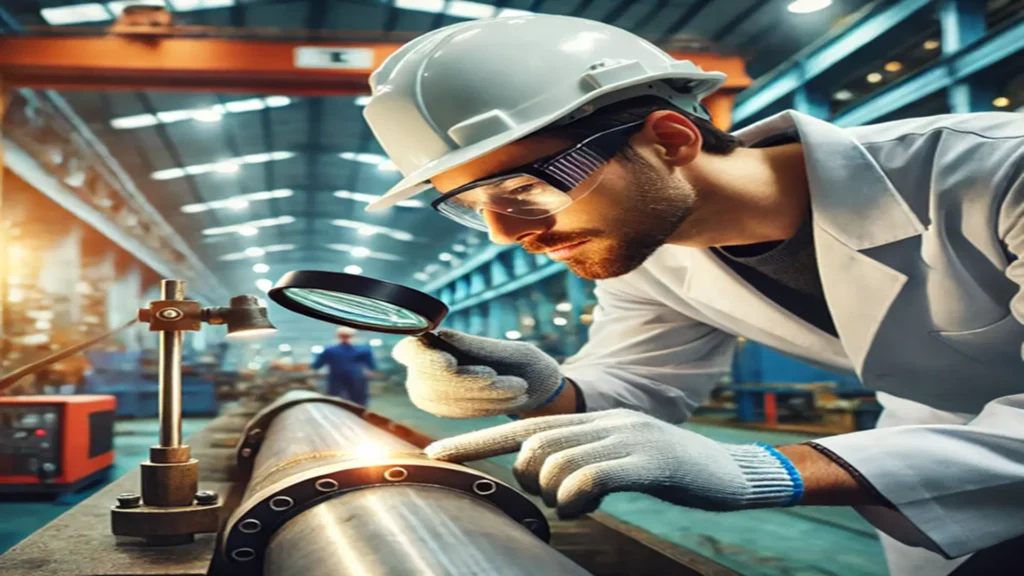
Transforming Visual Inspection into NDT through advanced technologies.
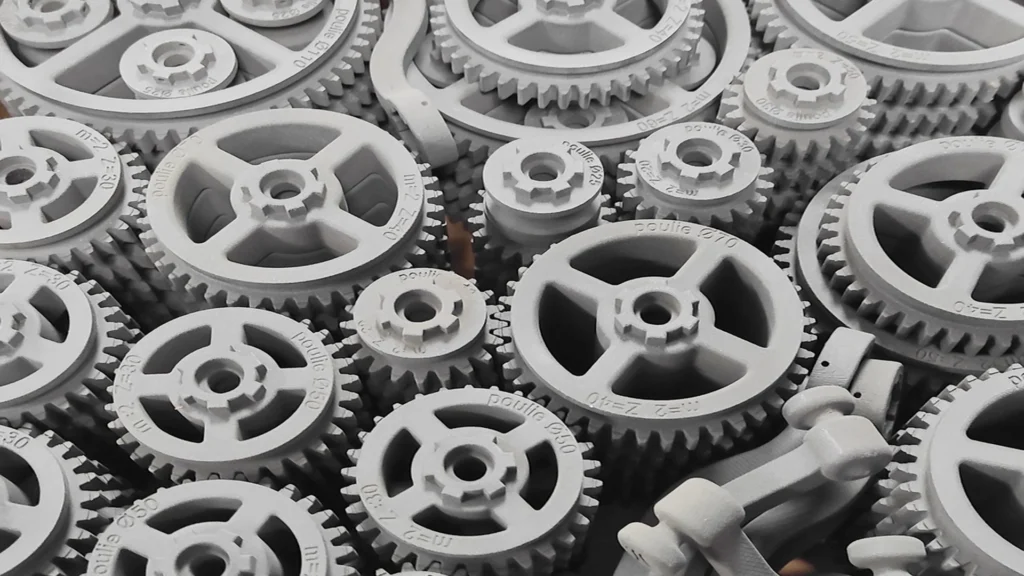
The synergy between NDT and advanced manufacturing is optimizing production processes, driving significant improvements for the future.
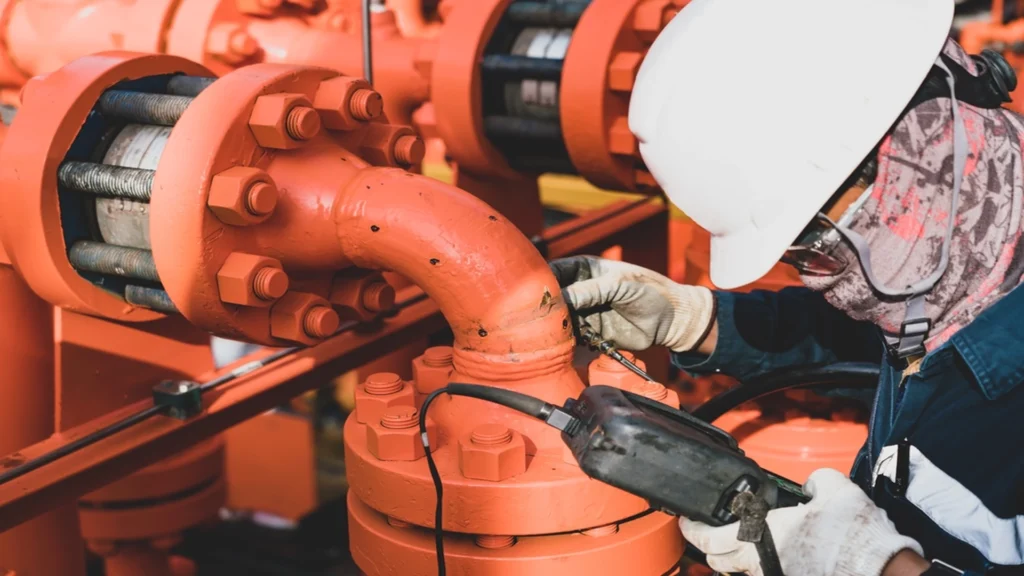
Identifying key locations for corrosion monitoring in process pipelines, improving safety and efficiency.