
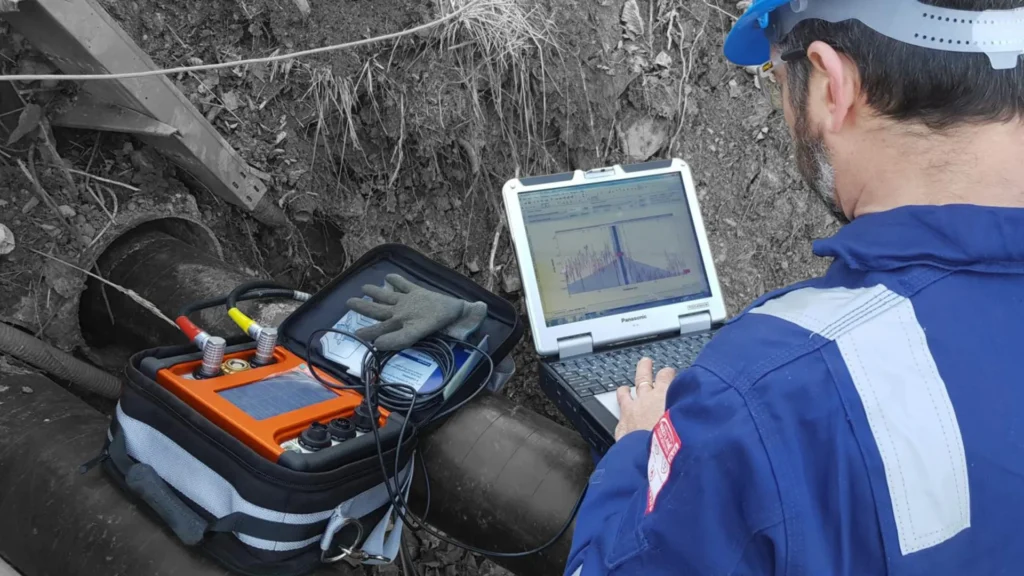
On innovation and the future with Dr David Alleyne
GUL drives large area monitoring with guided waves and AI that anticipate corrosion and optimize inspections on energy assets.
GUL drives large area monitoring with guided waves and AI that anticipate corrosion and optimize inspections on energy assets.
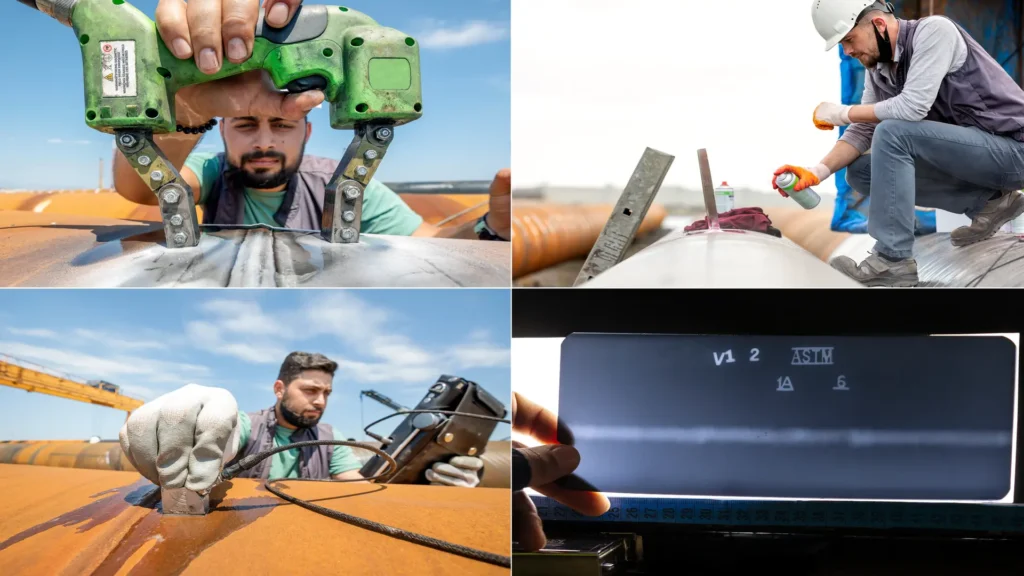
The importance of Non Destructive Testing (NDT) in industrial inspection to improve safety and quality.
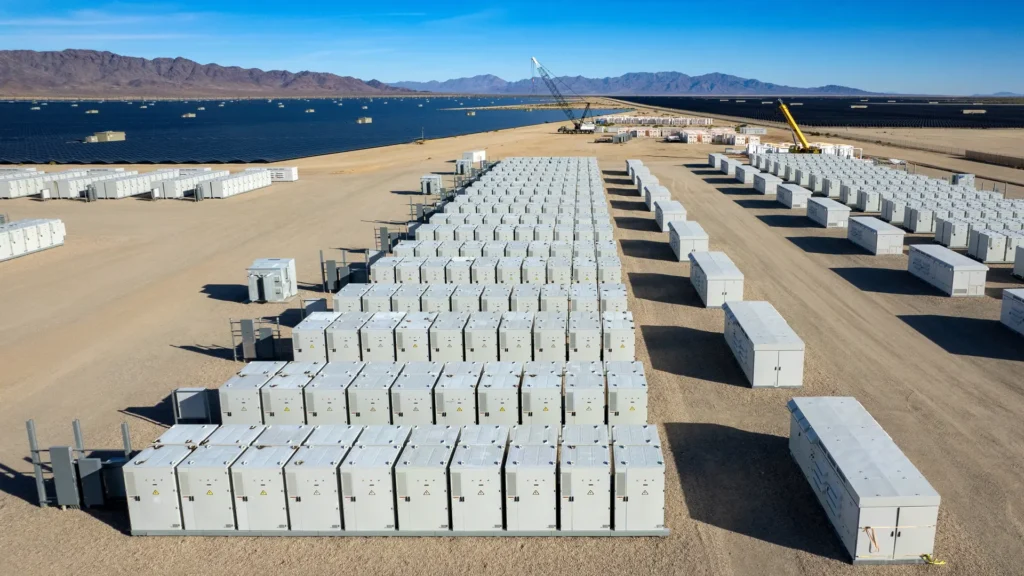
Learn about best practices to protect the performance of stationary batteries in electrical substations and renewable energy applications.

From manual analysis to digital systems, industrial ultrasound has become a key tool for maintenance and non-destructive diagnosis.
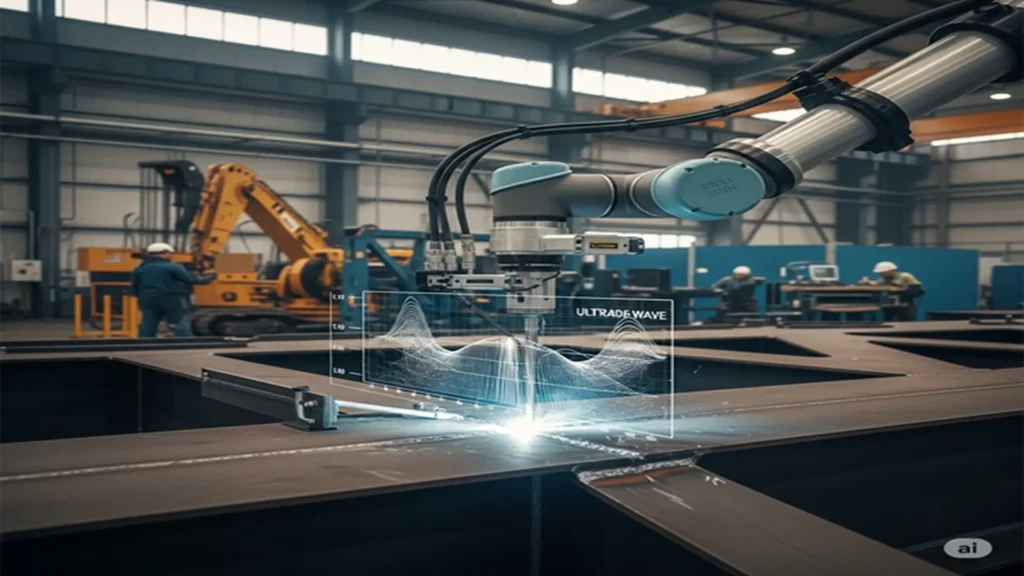
Artificial intelligence generates benefits in ultrasonic weld inspection by redefining its accuracy standards in the industry.
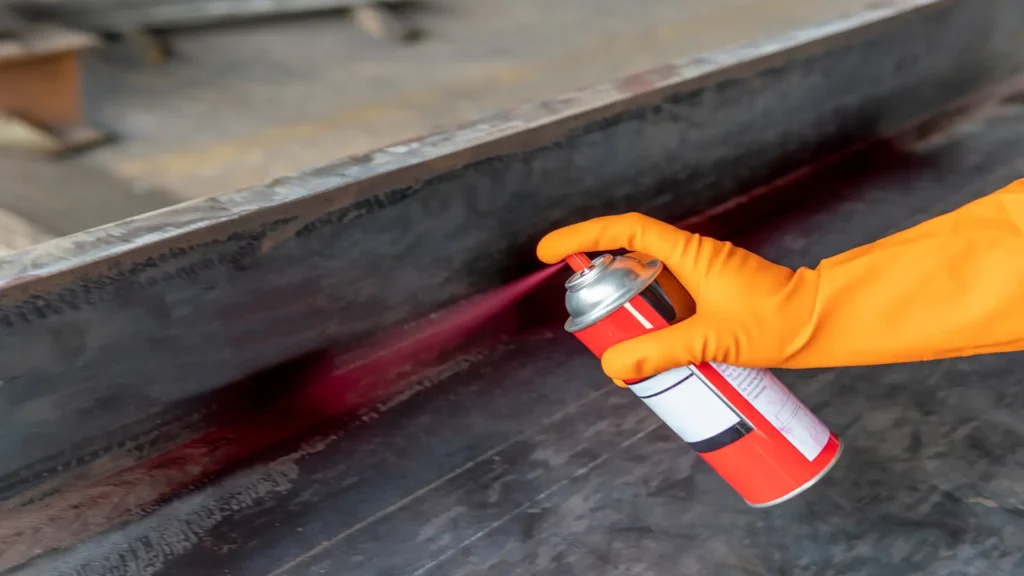
Liquid penetrant testing is essential in NDT to detect surface defects accurately.

Data analysis strengthens Non-Destructive Testing (NDT), to manage defects with greater accuracy and anticipation.
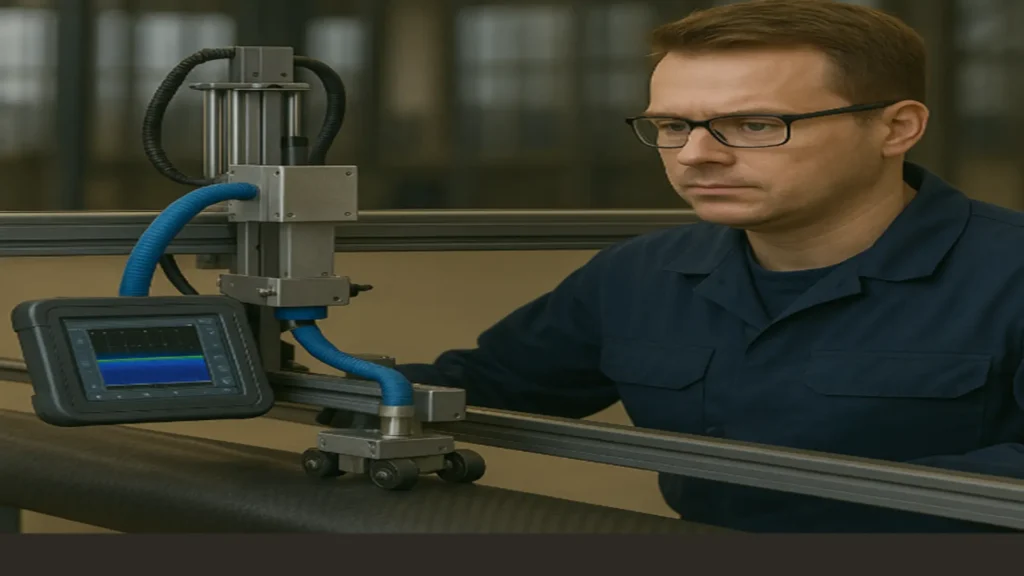
Innovation in CFRP NDT with Ultrasonic Testing by Adaptive Segmentation
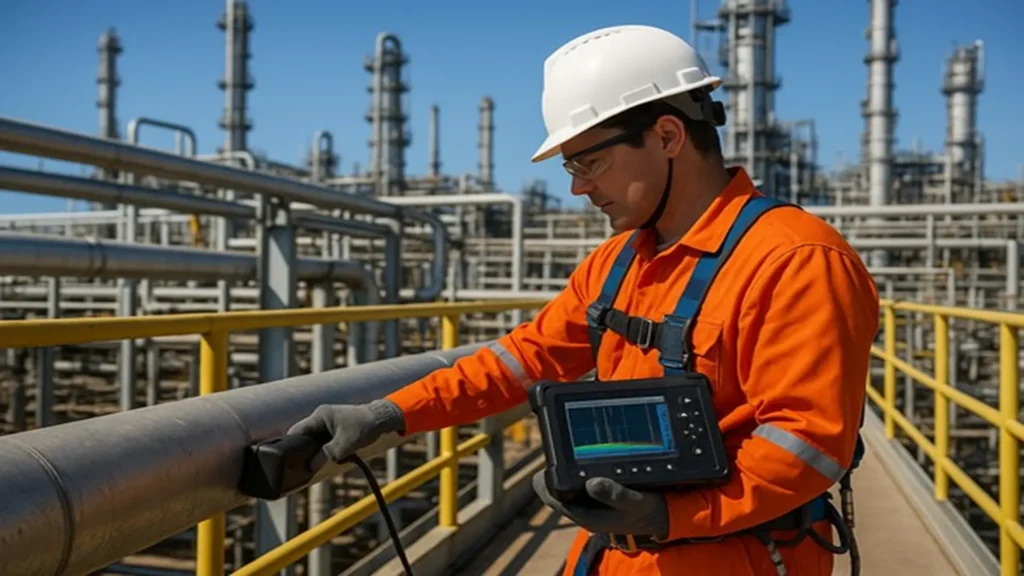
INSPENET presents a technical analysis of the Pulsed Eddy Current method, an innovative solution to detect Corrosion Under Insulation (CUI) in height and critical pipelines.

NDT allows the evaluation of concrete structures without altering them, thanks to its technological evolution, consolidating itself as a fundamental tool in today's industry.