
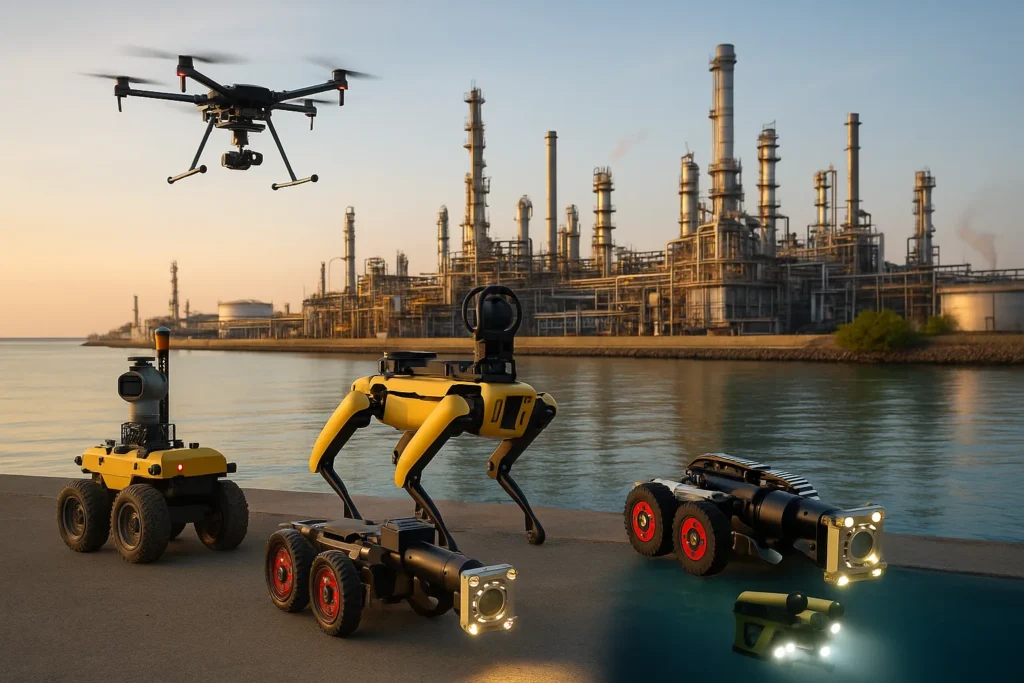
Beyond the inspector’s reach: Automation and the future of NDT
Read the full article at Inspenet Brief and explore how robotic inspection and NDT automation are transforming the future of energy infrastructure.
Read the full article at Inspenet Brief and explore how robotic inspection and NDT automation are transforming the future of energy infrastructure.
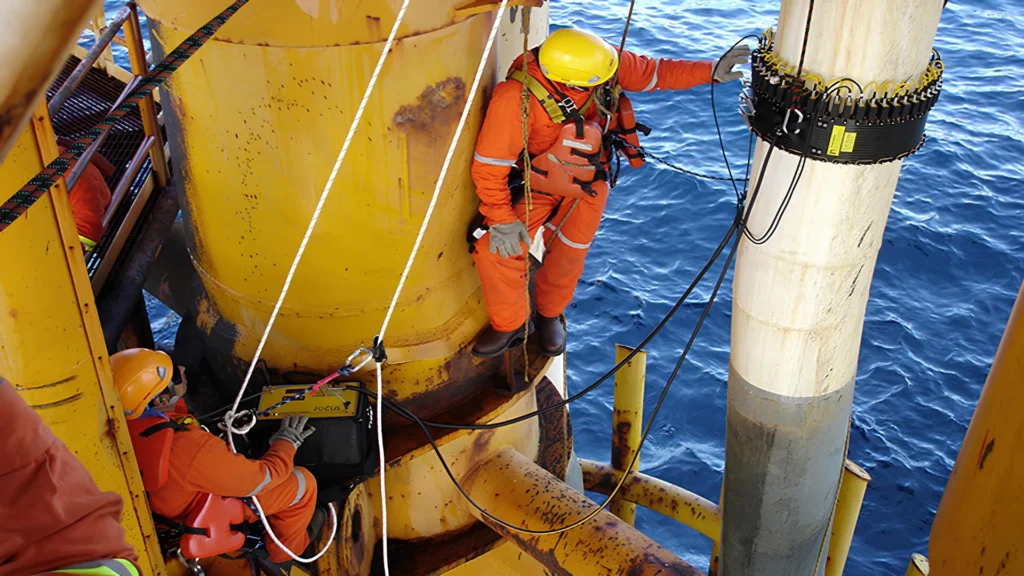
A professional journey through the aerospace and energy industries reveals the technical and regulatory evolution in non-destructive testing.
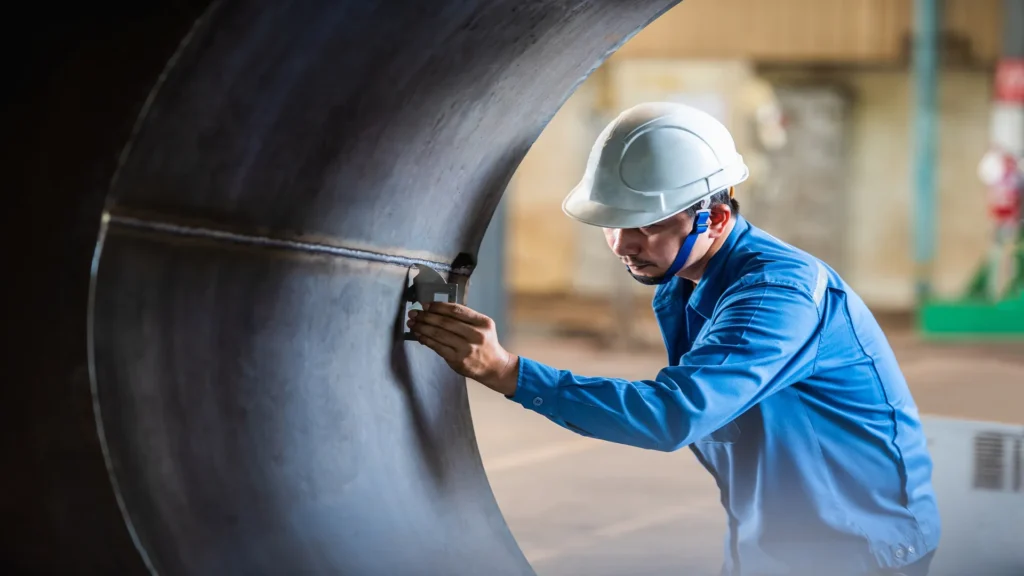
From PANNDT 2025, Neal Couture reveals how ASNT is transforming nondestructive testing through digital innovation, artificial intelligence, and institutional action.
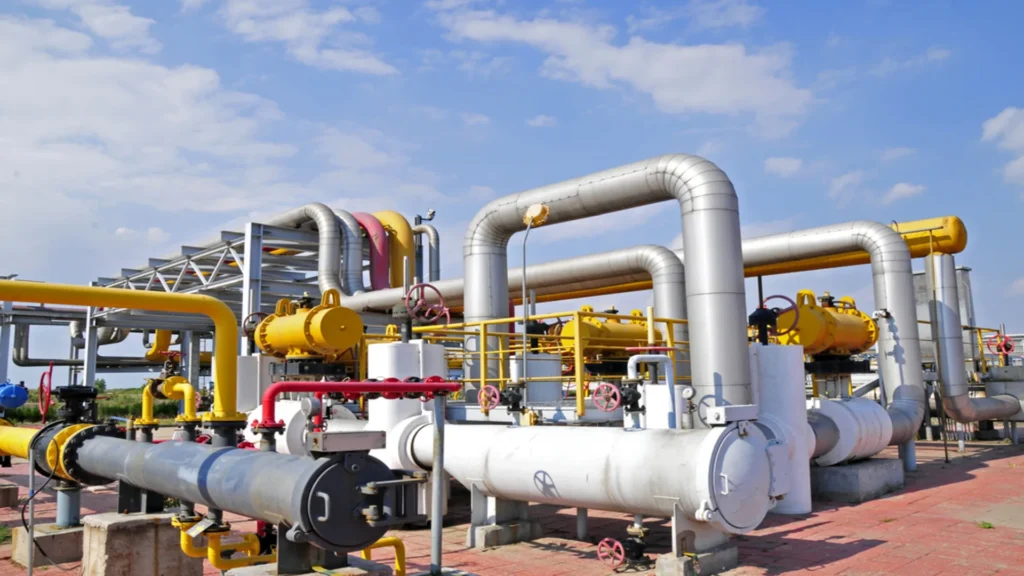
ILI and ECDA are key methods for monitoring external corrosion and managing pipeline integrity
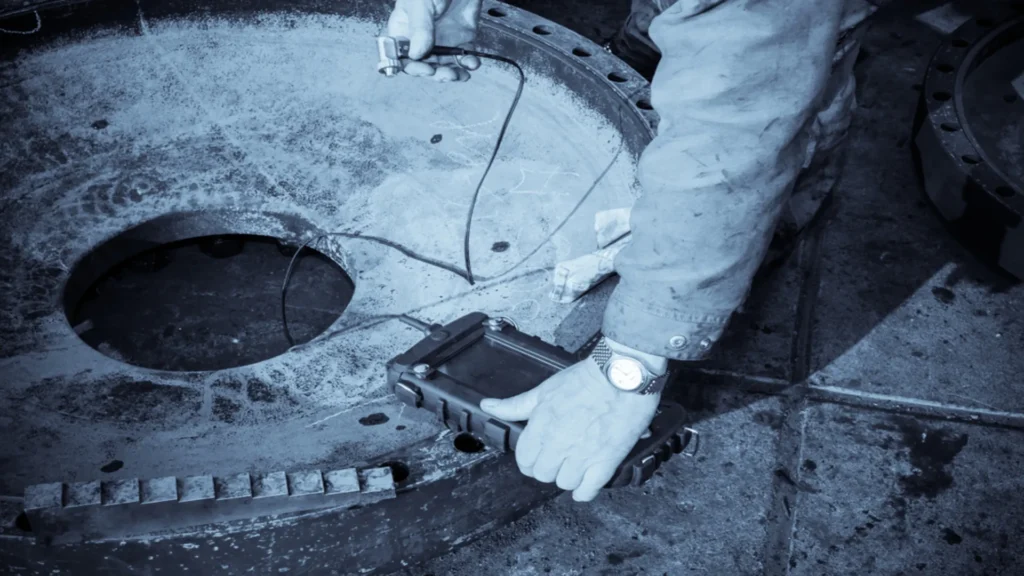
Ignoring Non-Destructive Testing compromises safety, reliability, and innovation in critical industrial sectors.
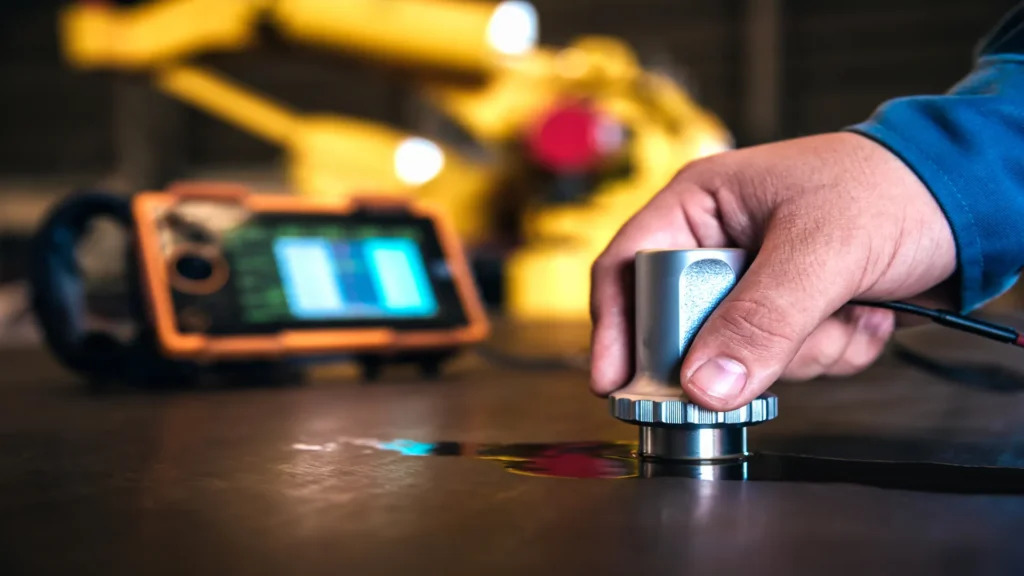
Advanced ultrasound and Eddy current techniques reveal SCC, HIC and SwC, guiding strategic integrity and replacement plans.
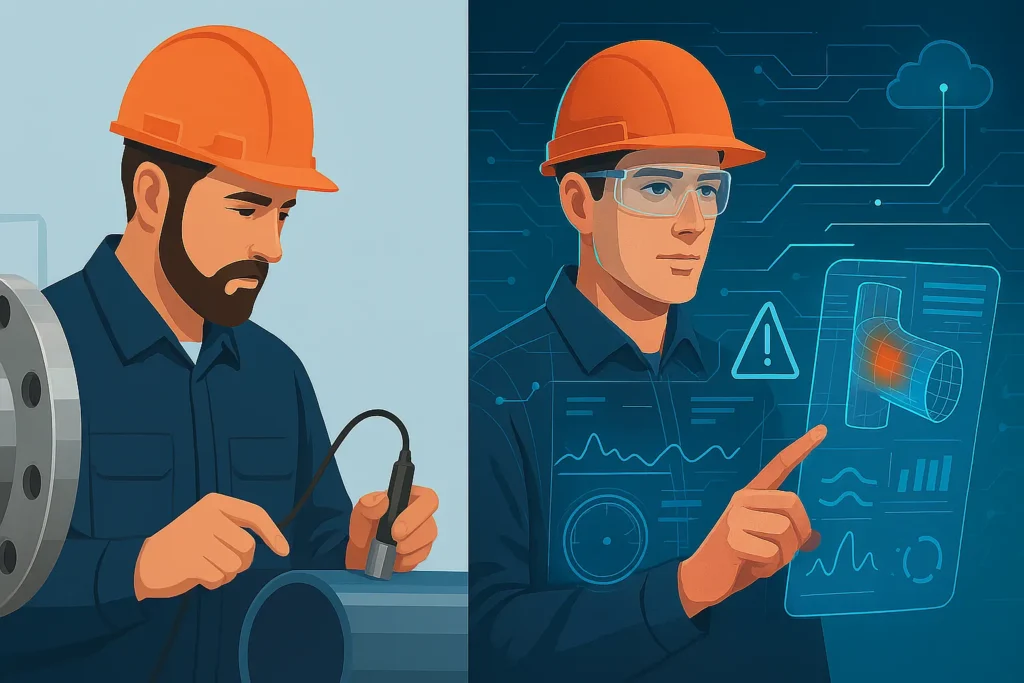
NDT 4.0 introduces IoT, SaaS and AI for remote monitoring, automated analysis and efficient data management in Nondestructive Testing.
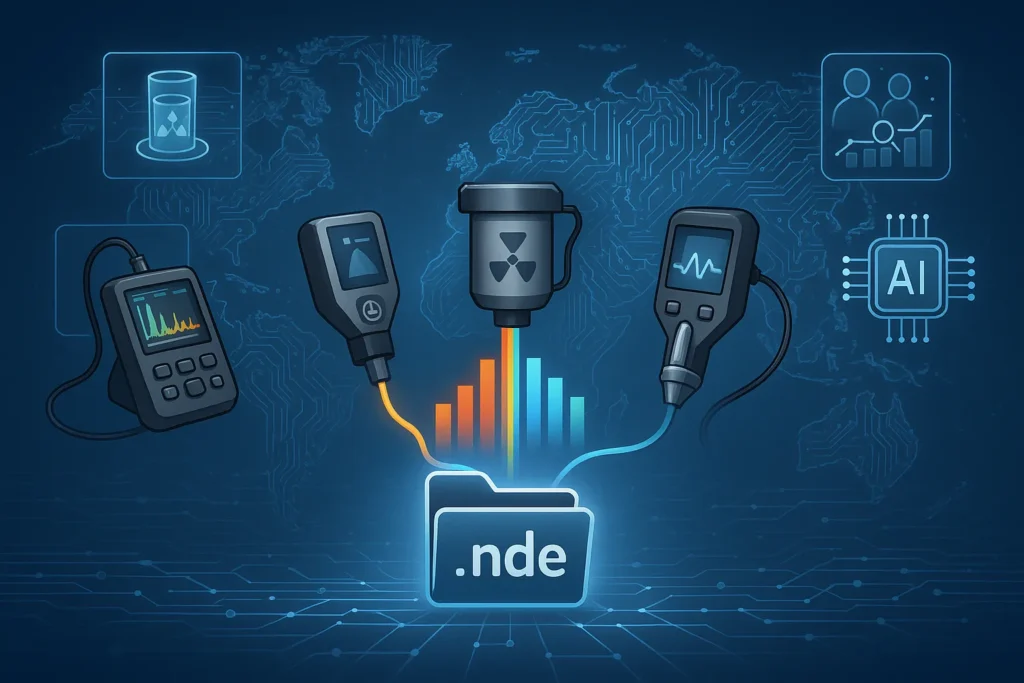
The .nde format improves interoperability in NDT, allowing barrier-free data sharing between equipment, software and management or analysis applications.

AEND certifies NDT personnel with CERTIAEND, offers UNE EN ISO 9712 training and participates in European and global standards.
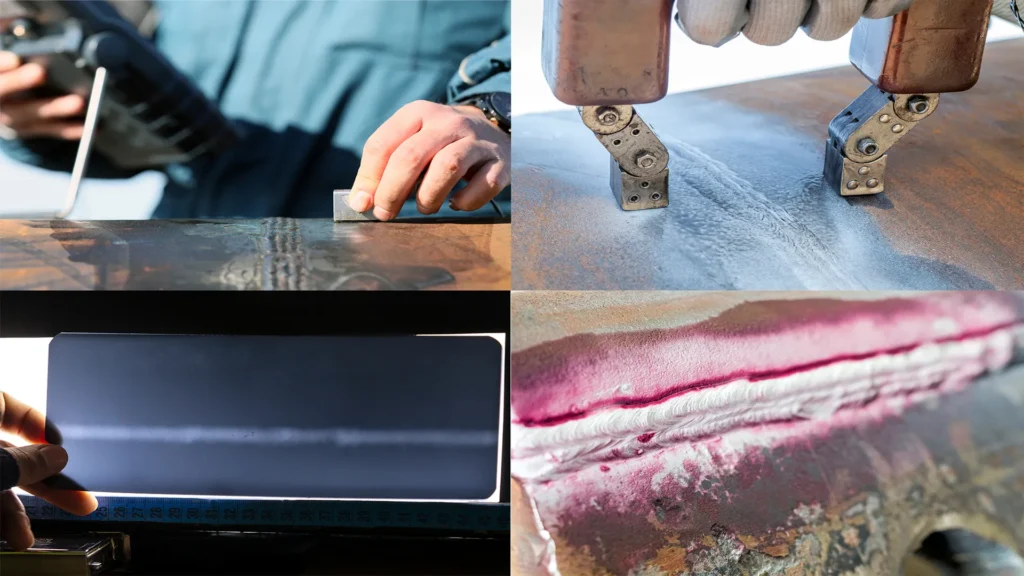
The flexible DR detector allows radiography of complex areas without disassembly, extends coverage, integrates data and facilitates safe industrial decisions.