
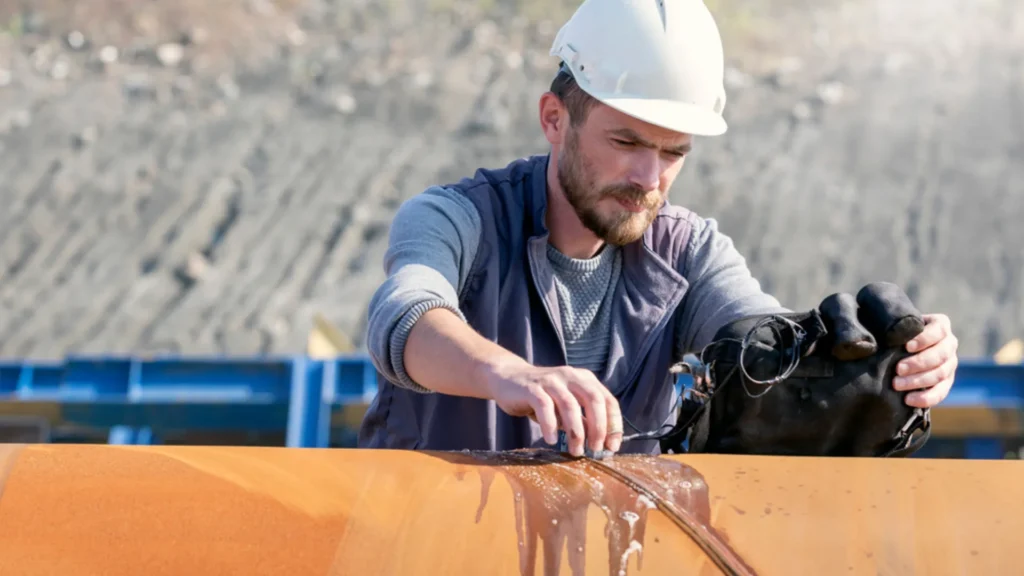
PAUT: Phased array ultrasound for weld inspection
PAUT allows weld defects to be identified with high resolution, speed, and digital traceability, optimizing mechanical integrity in industry.
PAUT allows weld defects to be identified with high resolution, speed, and digital traceability, optimizing mechanical integrity in industry.
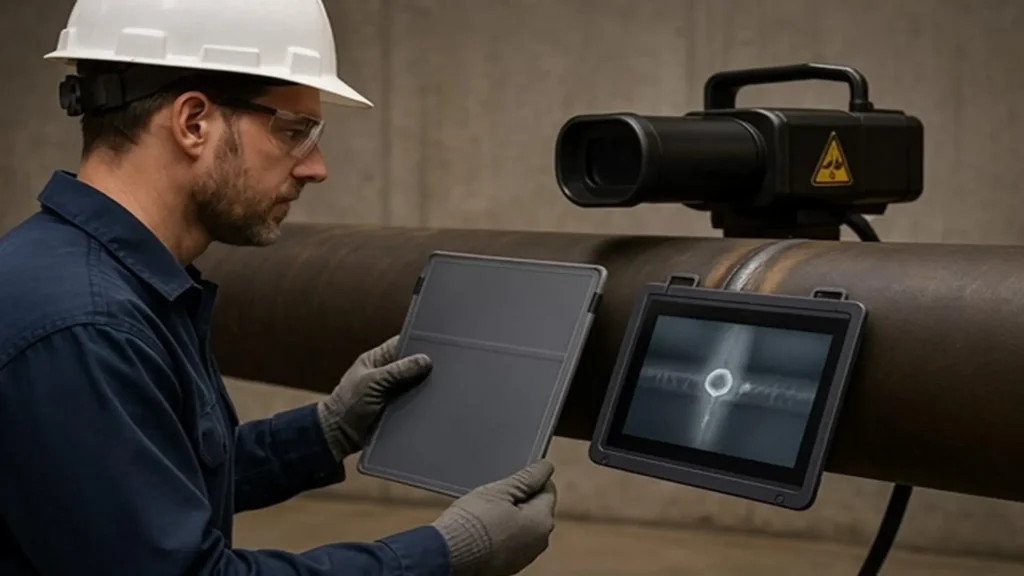
Inspenet presents the evolution of industrial radiography toward intelligent, data-driven inspection, inviting professionals to explore innovation and reliability.
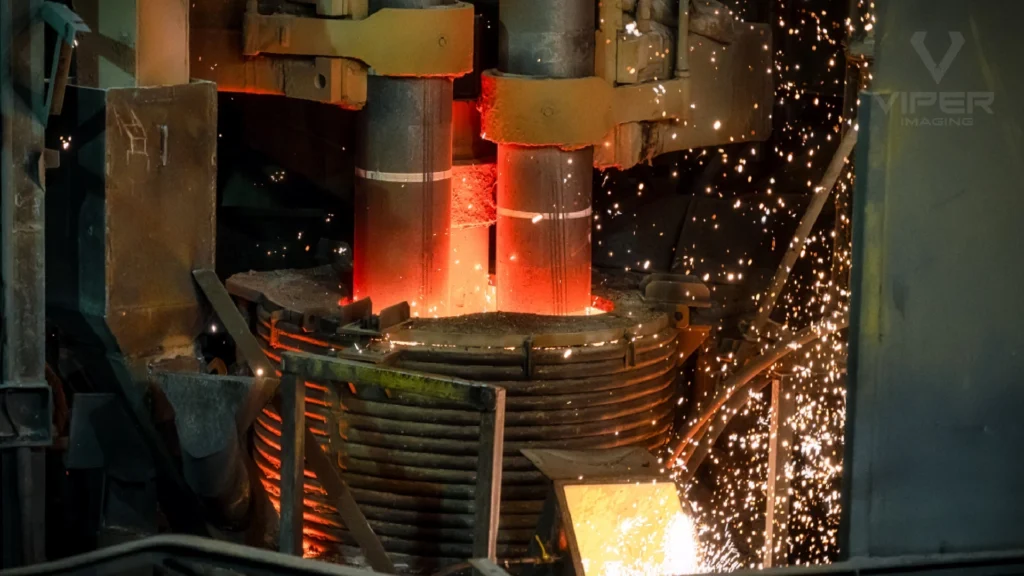
Continuous thermal monitoring helps to reduce costs, anticipate failures and optimize operational safety in the steel industry.

The PCI technique allows the identification of HTHA damage in materials subjected to critical operating conditions.
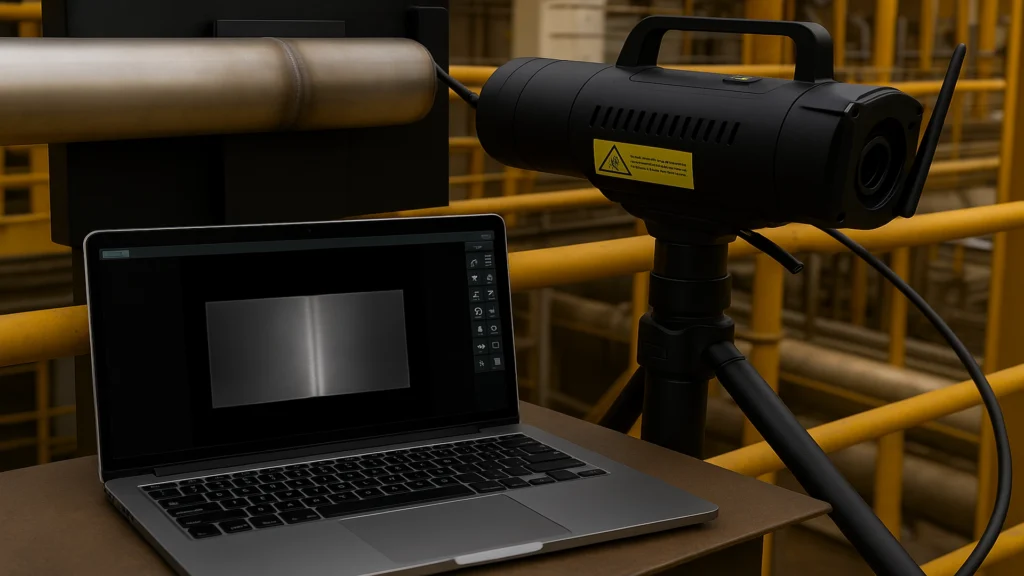
Radiographic testing allows internal inspection without affecting materials, now with CR/DR, digital traceability and artificial intelligence.
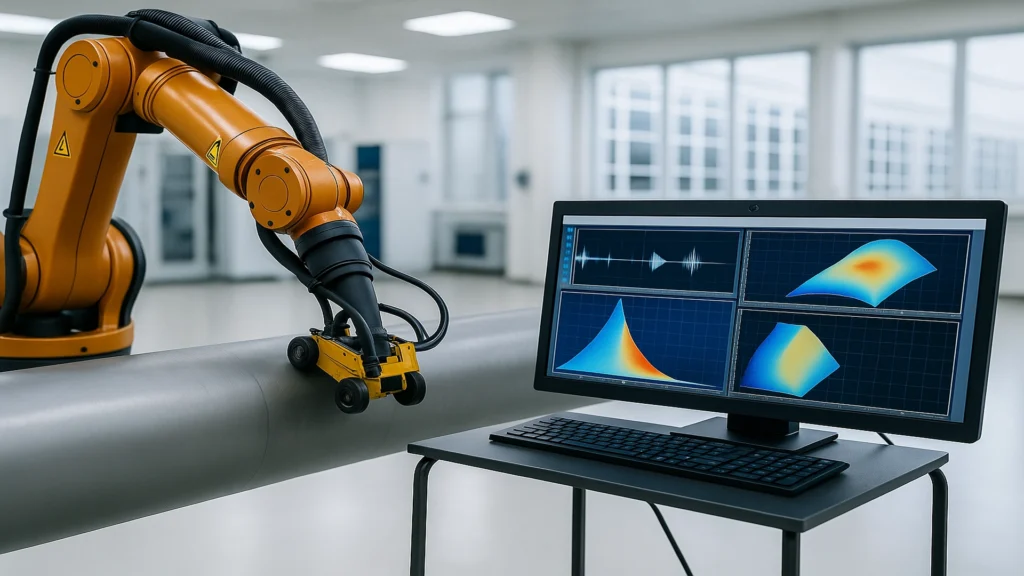
The integration of automated NDT in Industry 4.0 enables real-time monitoring and improves predictive maintenance.
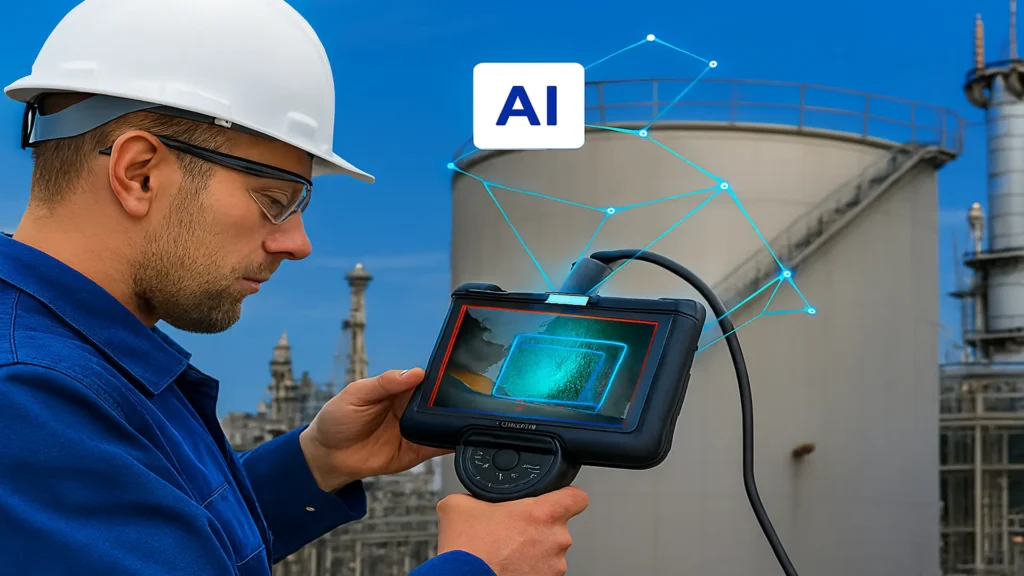
Artificial intelligence enables more efficient remote visual inspections, improving industrial safety, reducing costs and generating valuable visual analysis.
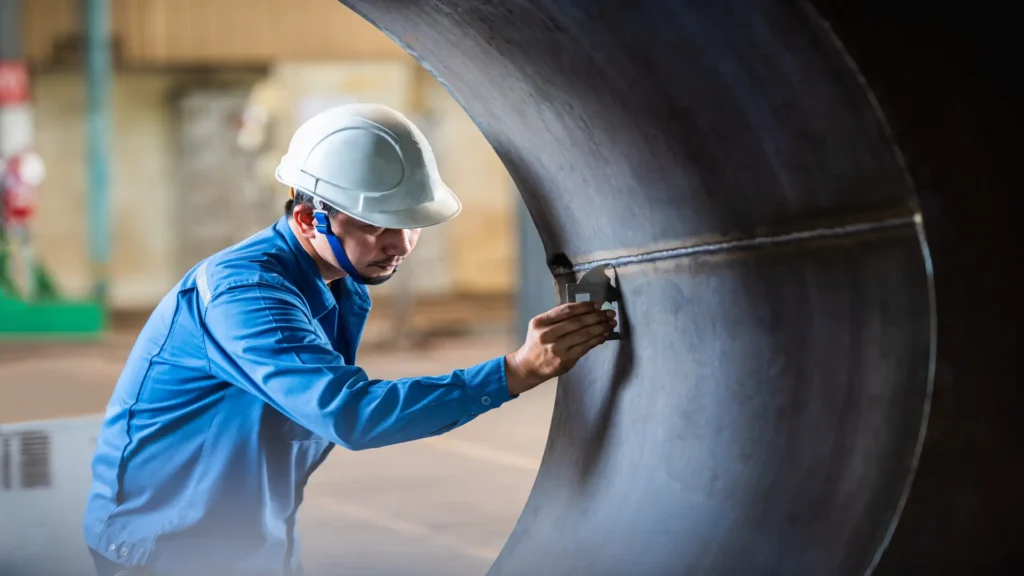
NDE inspection, also known as Non-Destructive Examination, evaluates the integrity and properties of materials without causing damage or disassembly.
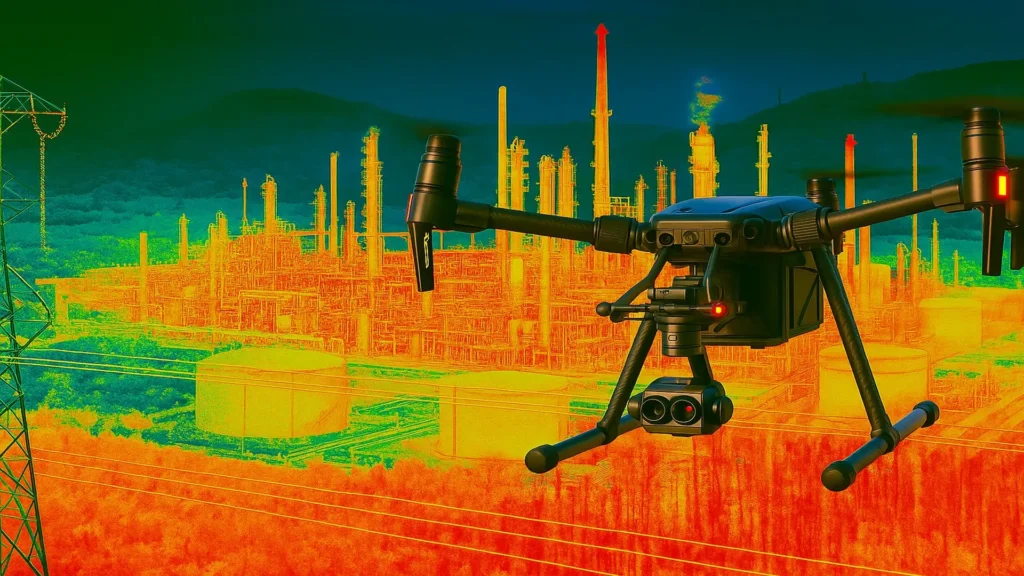
Optimize the inspection of complex surfaces and critical components with laser thermography, robotic systems and infrared sensors for accurate results.
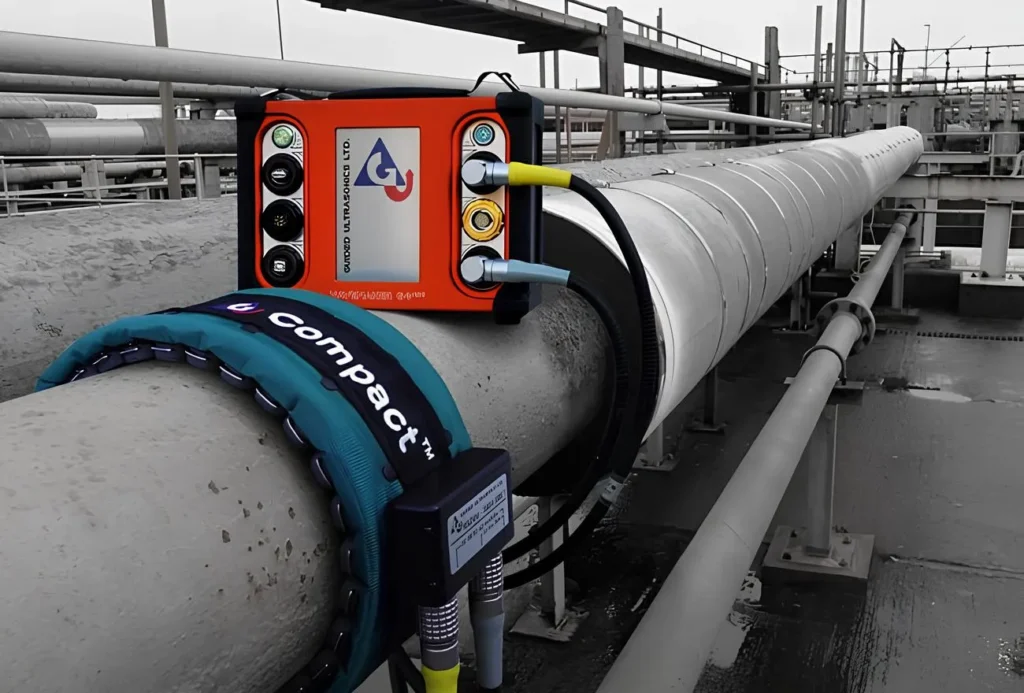
Inspect long sections without excavation or dismantling, maximizing pipeline fault detection with speed, clarity, and minimal impact.