
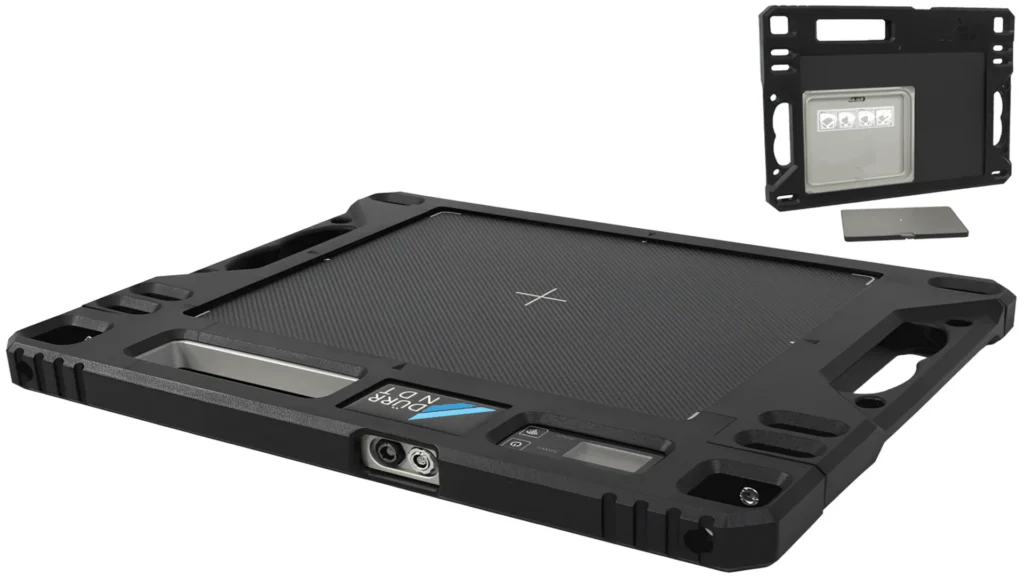
DÜRR NDT D-DR 2430 NDT Digital X-Ray Detector for Isotope Inspections
Enhanced gamma-ray absorption enables accurate wall thickness measurement in pipes with complex geometry during isotope-based radiographic inspections.
Enhanced gamma-ray absorption enables accurate wall thickness measurement in pipes with complex geometry during isotope-based radiographic inspections.
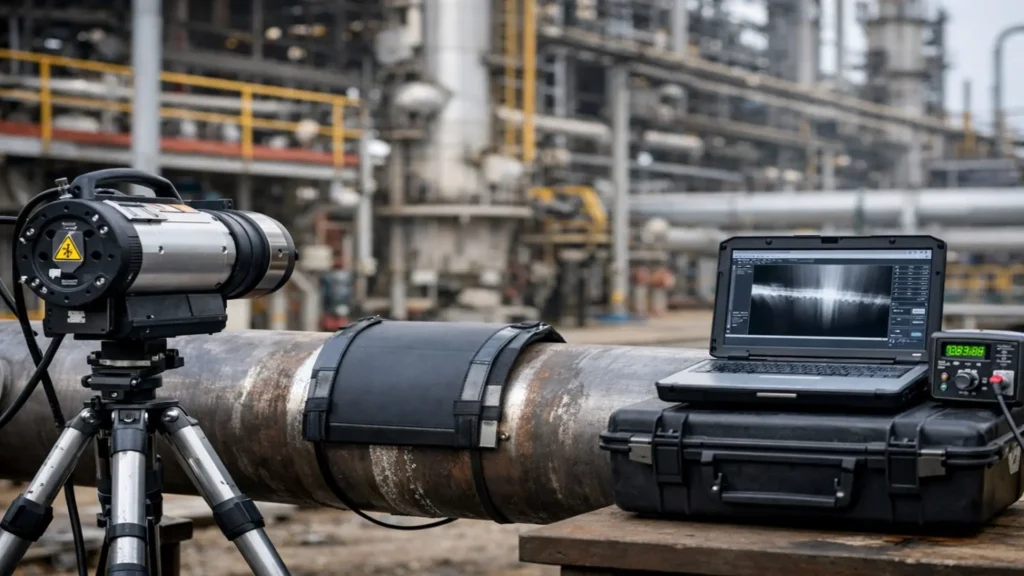
Digital NDT radiography is changing industrial inspection. Understand why radiographic testing remains key in QA/QC.
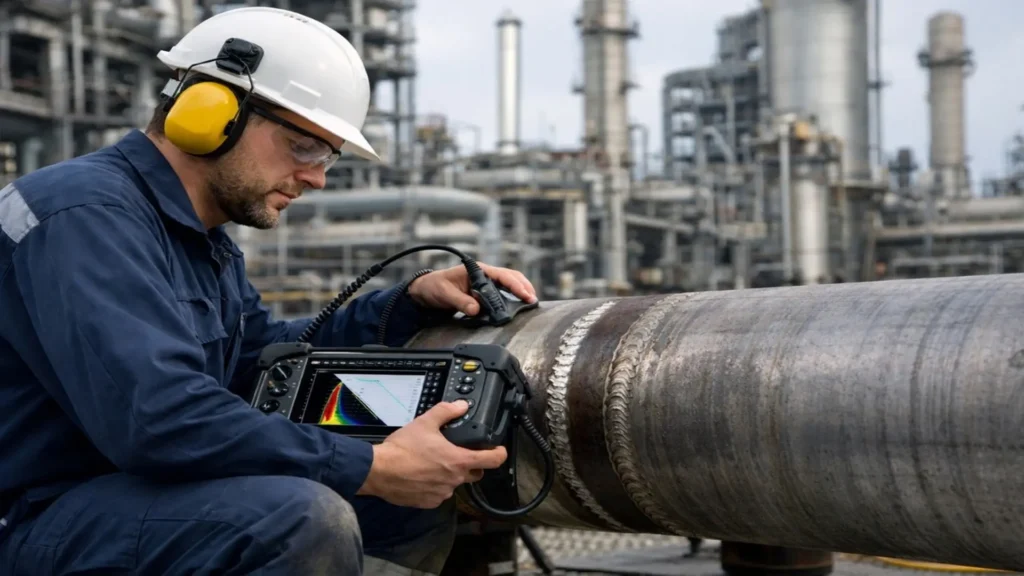
Phased Array Ultrasonic Testing (PAUT) enables accurate defect detection in welds through volumetric imaging, advanced focusing, and compliance with ASME and ISO standards.
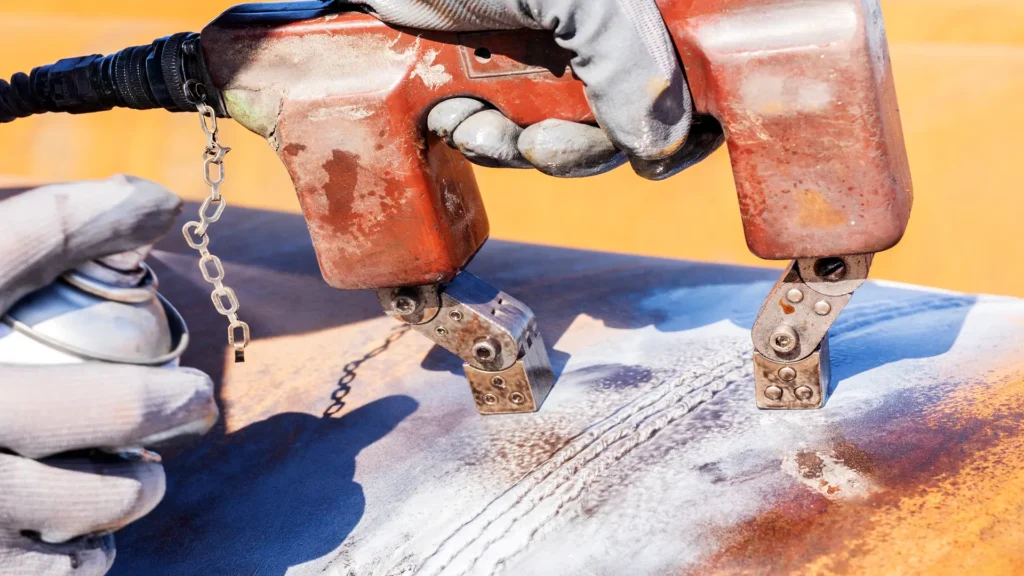
Magnetic Particle Inspection is an effective NDT method for critical components.
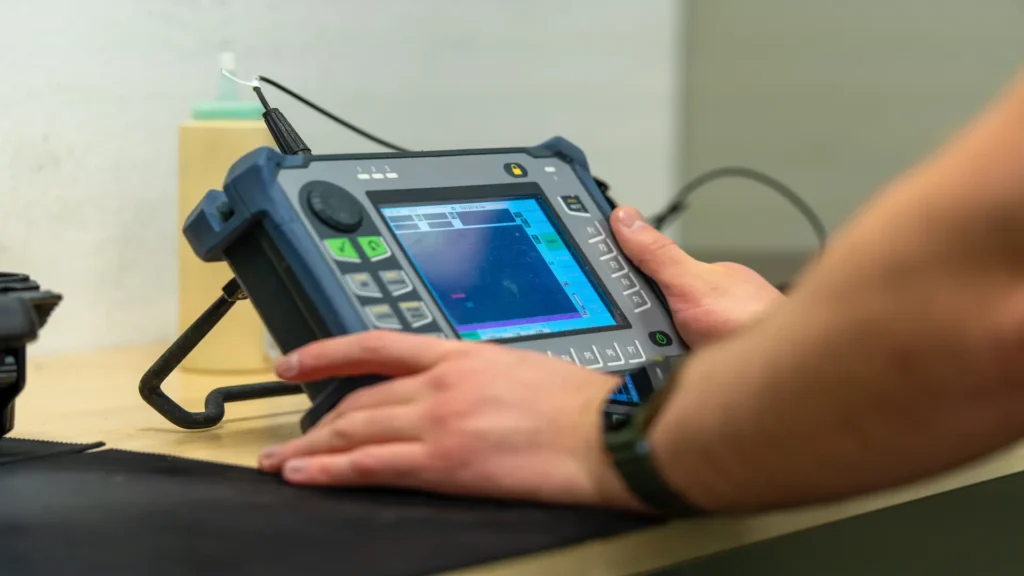
In industrial sectors where an undetected signal can trigger failures or shutdowns with a high economic impact, relying exclusively on the human “pulse” introduces a variability…

Borescopy is an NDT technique for remote visual inspections in inaccessible areas, avoiding costly dismantling of critical industrial equipment.
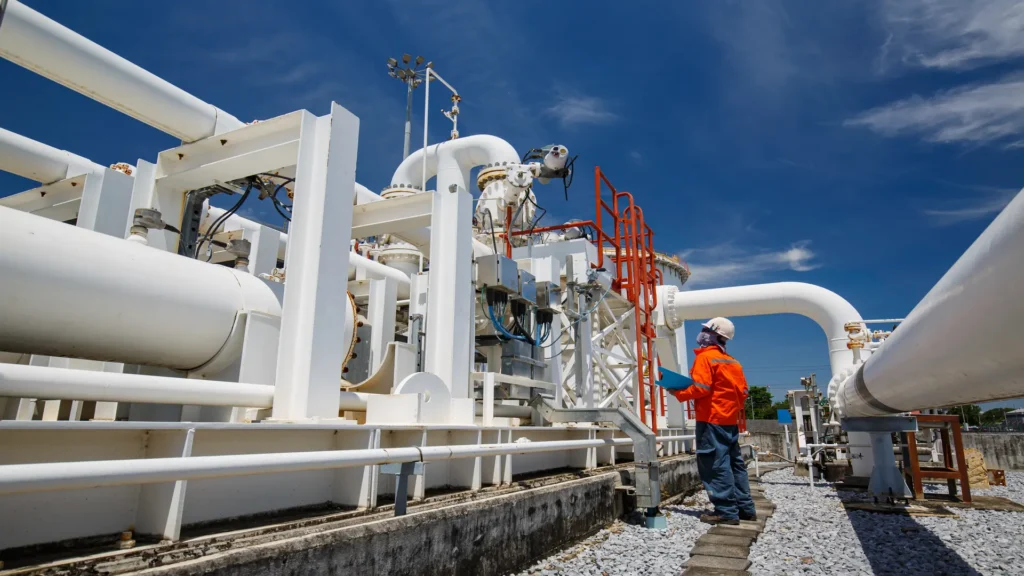
In-service visual inspection provides real evidence to assess external conditions, anticipate failures, and optimize risk-based industrial integrity programs.

Empowering clean energy operations with advanced acoustic imaging, drones, and 24/7 AI monitoring.
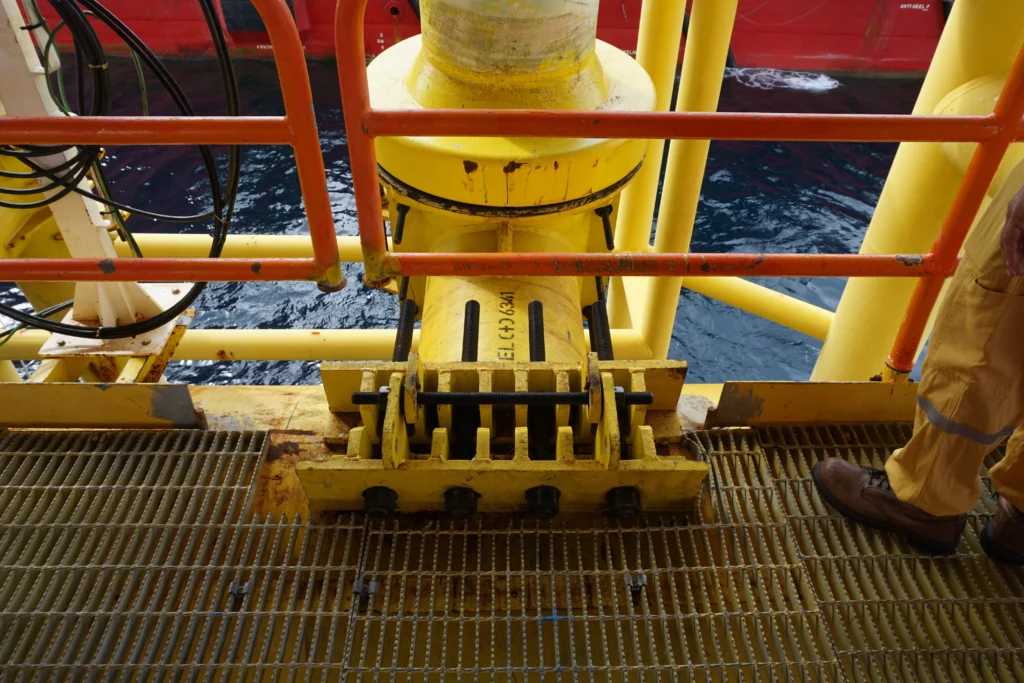
An innovative methodology that allows assessing the integrity of risers without pigging or subsea work, ensuring accurate data even in extreme offshore conditions.
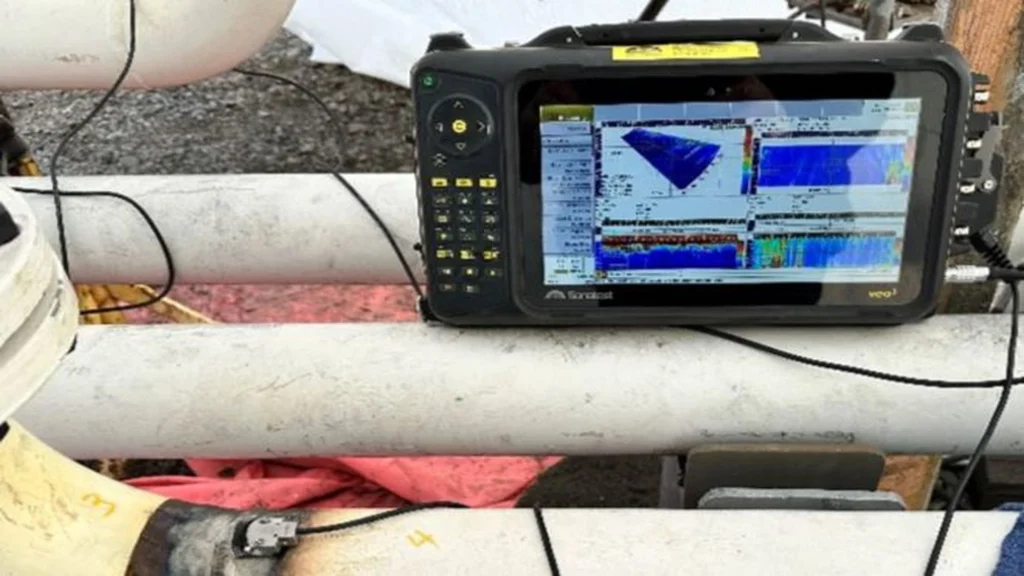
TFMi combines TFM and Full Matrix Capture for accurate, clear, and reliable ultrasonic inspections in critical industries.