

Non-Destructive Testing on bridges and concrete: Key advances
Examines recent methods in non-destructive testing and their contribution to the diagnosis of structural failures.
Examines recent methods in non-destructive testing and their contribution to the diagnosis of structural failures.
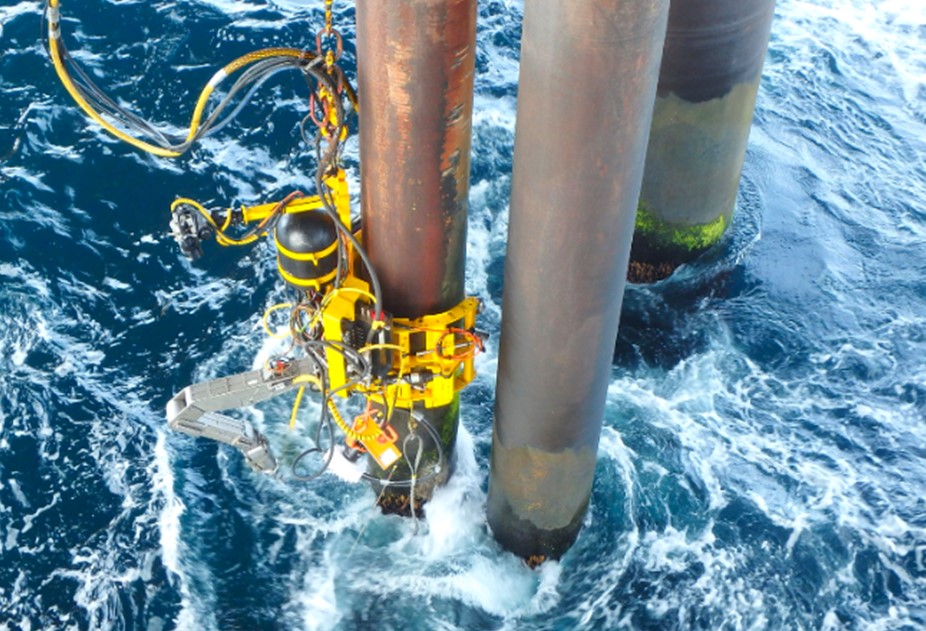
Marine corrosion advances internally in piles without external signs, which requires NDT for early detection.
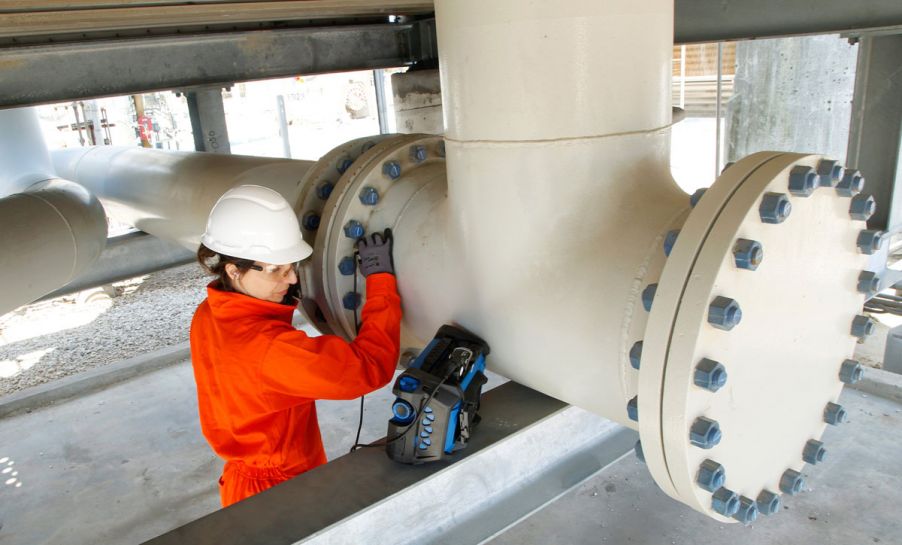
TFM allows for high-resolution identification of defects, evaluating shape, size, and location using real-time capture and processing algorithms.

Non-destructive inspection technologies improve safety, reduce risks, and optimize processes in the oil sector.

Non-Destructive Testing (NDT) allows the quality of materials and components to be evaluated without affecting them.
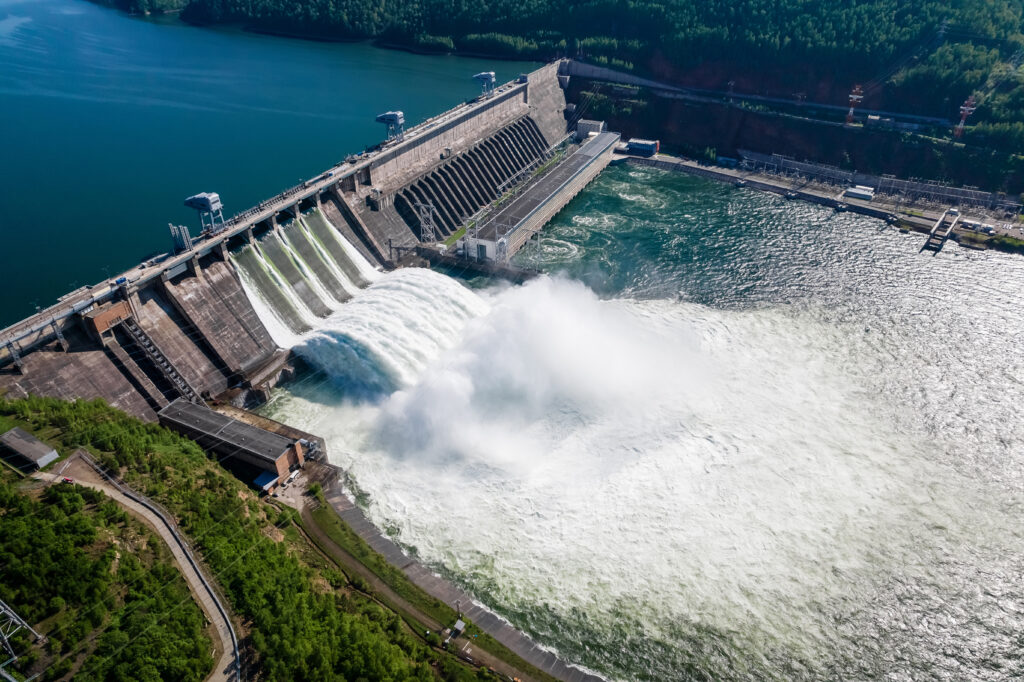
La técnica de difracción de rayos X permite caracterizar tensiones internas en materiales clave de infraestructuras hidroeléctricas.

Industrial challenges require innovative solutions such as NDT to ensure integrity without compromising functionality.

Technical analysis of how non-destructive testing detects discontinuities without affecting the integrity of industrial components.

Non Destructive Testing is a powerful tool for detecting failures in components of process units in the energy industry.

Early detection with ultrasound improves operational reliability and reduces the risk of unplanned downtime.