

Transforming industrial safety: API-574 for pipeline inspection
API-574 provides technical criteria for inspecting pipelines and assessing their integrity in demanding industrial environments.
API-574 provides technical criteria for inspecting pipelines and assessing their integrity in demanding industrial environments.
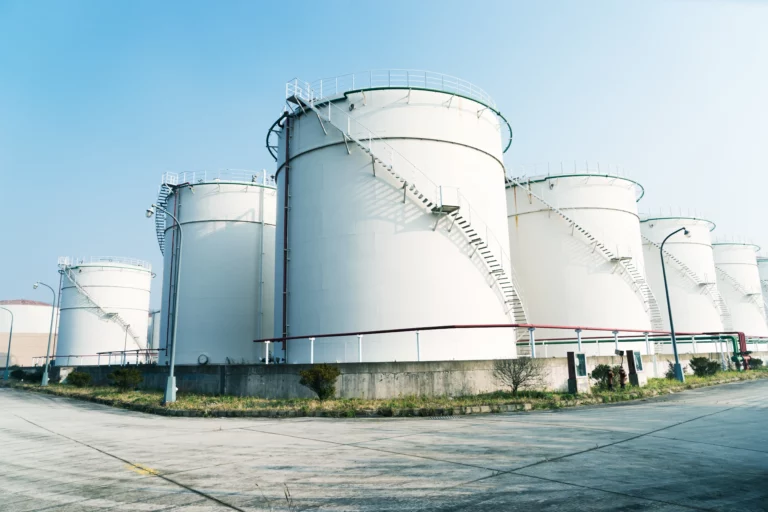
Author: Ing. Euclides Quiñonez, January 2, 2024. Storage tanks play an important role in the supply of processed products in the industry, since they allow the…

The API 579-1 fitness-for-service assessment combines structural integrity, stress analysis and regulatory criteria to define the suitability of a piece of equipment.

API RP 577 standard facilitates the accurate selection of NDT methods in welding inspections.

Author: Ing. Carlos Álvarez, December 10, 2023. Steam reformer tubes used in the refining, petrochemical and fertilizer industries are manufactured by the centrifugal casting process of…

Current techniques for analyzing composite materials in high-performance industrial sectors.
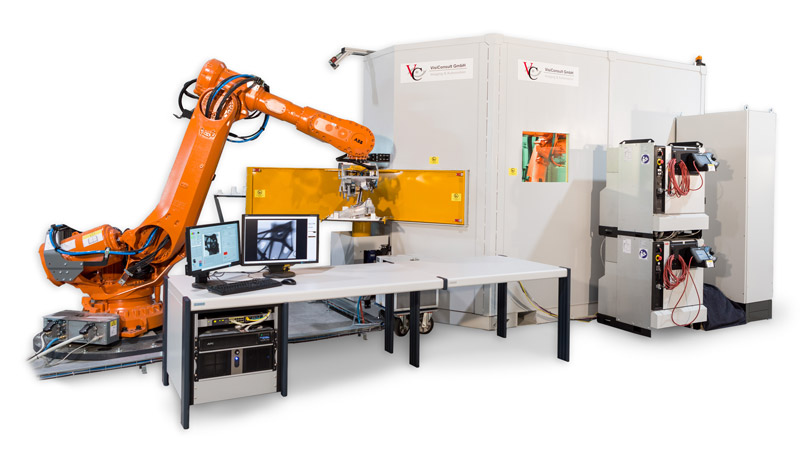
Explore the intersection between NDT 4.0 and manufacturing process optimization, highlighting its impact on quality, productivity and operational excellence.

The application of microwaves improves non-destructive inspection of dielectric materials, offering high sensitivity without altering the properties of the tested object.

Non Destructive Testing allows the evaluation of industrial materials, evolving towards digital solutions driven by artificial intelligence and new technologies.
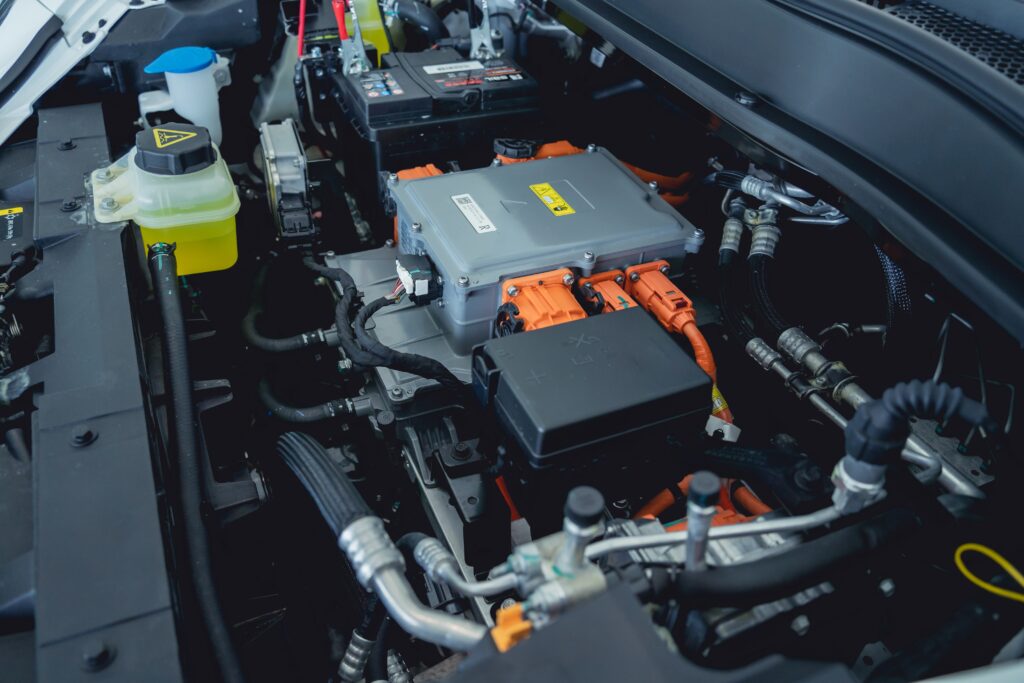
NDTs are essential for verifying the integrity of batteries, charging systems, and electric mobility structures.