
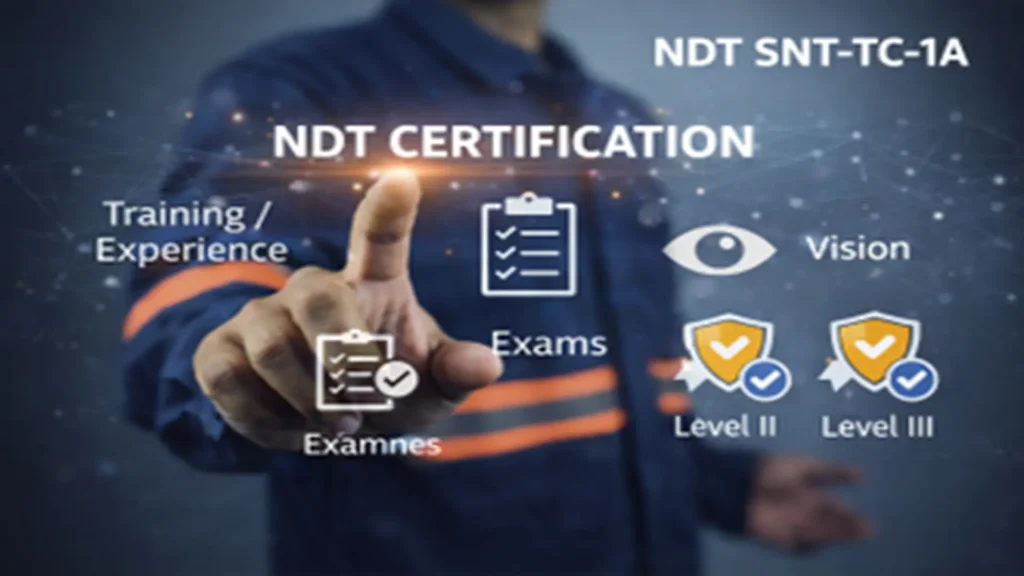
NDT SNT-TC-1A certification: Applied technical guide
SNT-TC-1A certification ensures competence and traceability, allowing companies to define specific scopes by method and procedure without losing control.
SNT-TC-1A certification ensures competence and traceability, allowing companies to define specific scopes by method and procedure without losing control.

Non-magnetic crawler robots for field NDT inspection on coated surfaces and stainless steel, improving asset safety and integrity.

Non-destructive Testing (NDT) enhances shutdown planning by integrating Risk-Based Inspection (RBI), optimizing failure detection and prioritizing critical assets.

Technical guide on portable digital radiography in NDT covering selection criteria, field limitations, radiation safety, and regulatory compliance.
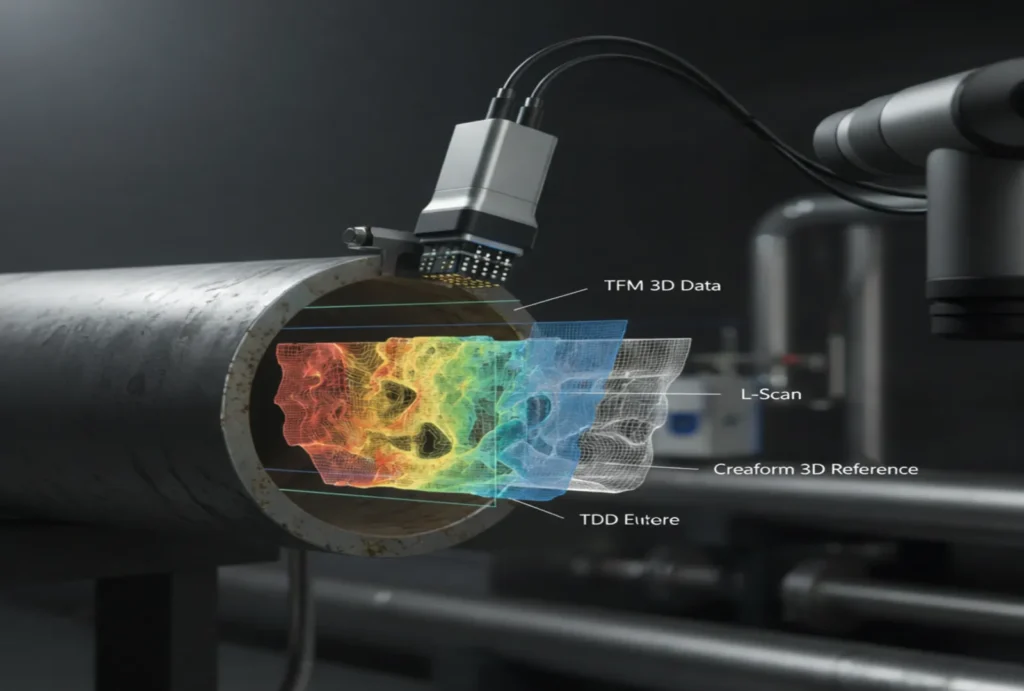
Technical comparison of Total Focusing Method and L-scan for corrosion depth, area measurement, and profile accuracy.
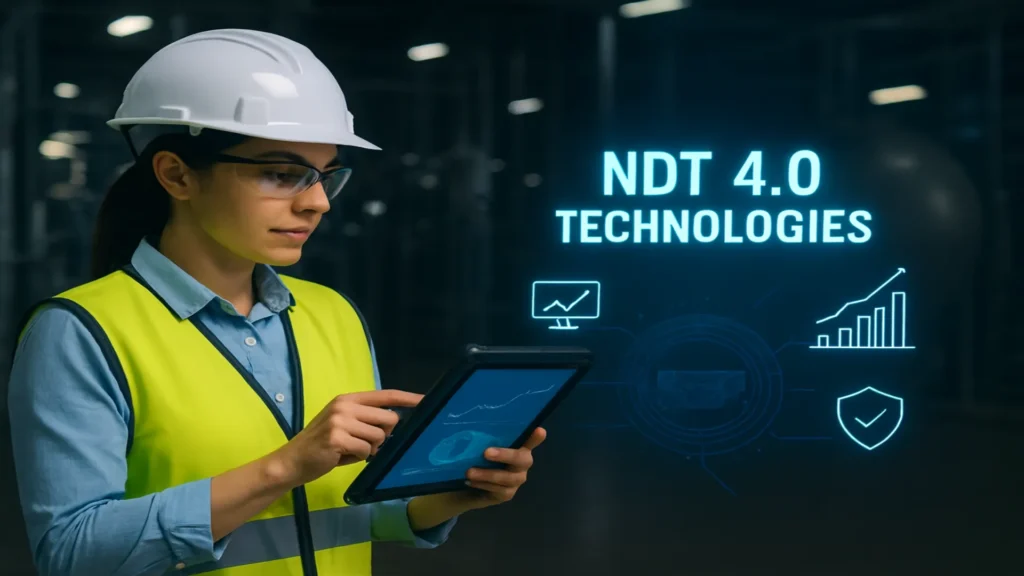
NDT 4.0 enables early detection of damage mechanisms in energy assets through digital inspection and predictive monitoring.
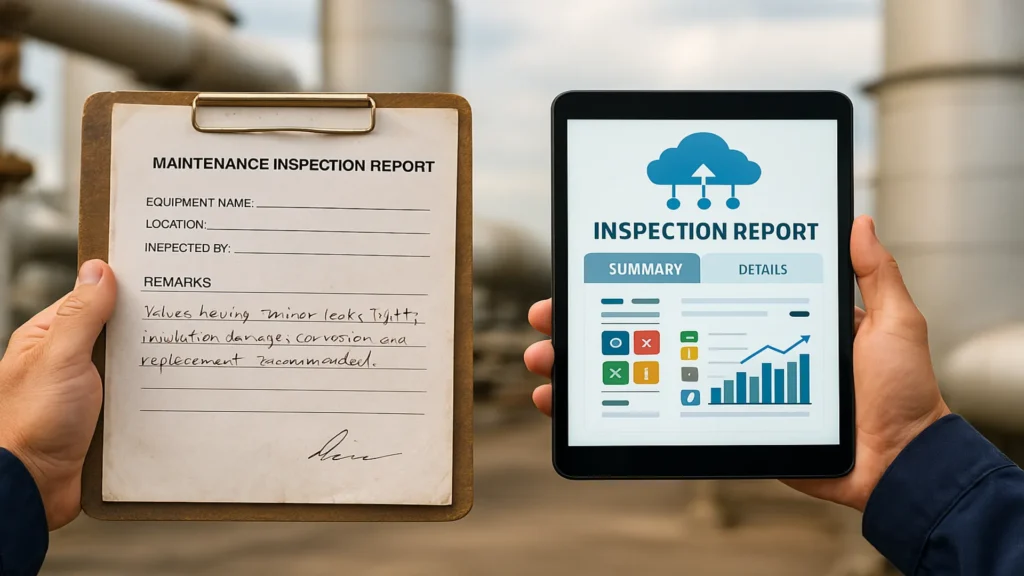
Industrial inspection operates without unified infrastructure, leading to fragmented data and unreliable asset condition decisions.
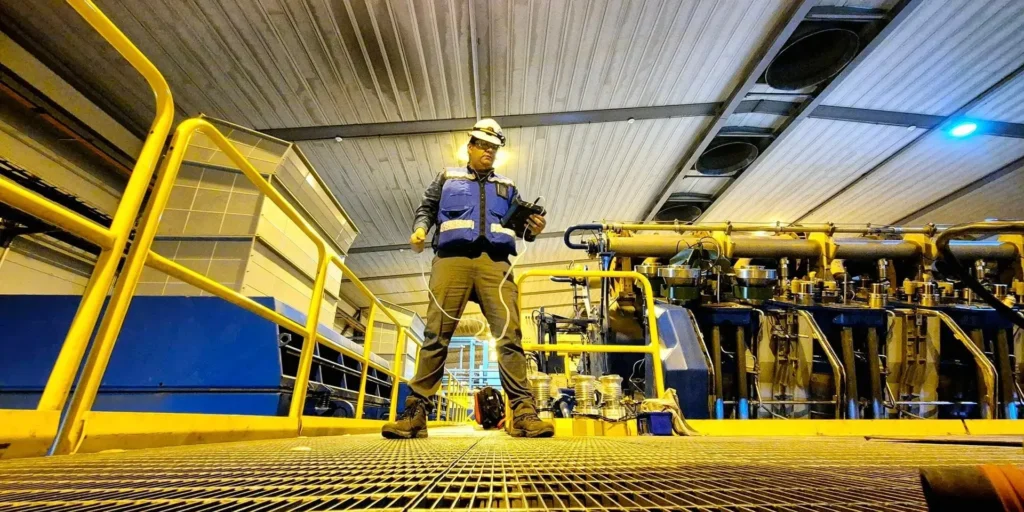
Thermography identifies abnormal heat in live equipment to prevent failures and guide maintenance decisions.

Permanent guided wave monitoring identified localized external corrosion near a jetty pipeline weld eighteen months after installation.

Advanced non-destructive testing technologies are redefining pipeline integrity in the oil and gas industry.