
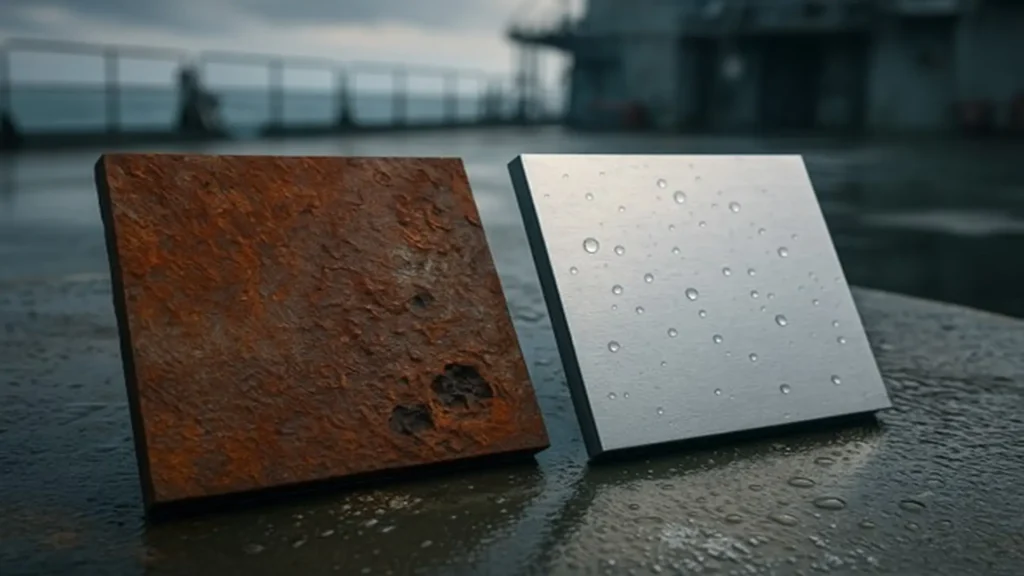
Corrosion in ferrous and non-ferrous metals: A comparative analysis
The choice of ferrous and non-ferrous metals for corrosive and marine environments is key to optimize design, maintenance and safety in industrial assets.
The choice of ferrous and non-ferrous metals for corrosive and marine environments is key to optimize design, maintenance and safety in industrial assets.
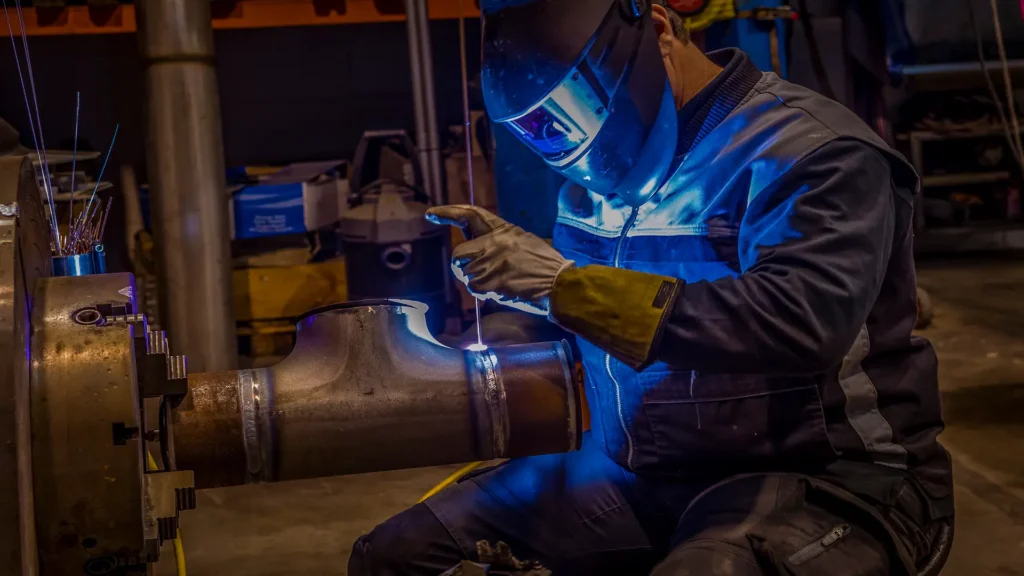
TIG, orbital, submarine and nuclear welders stand out for advanced certifications, technical proficiency and regulatory compliance in strategic sectors.
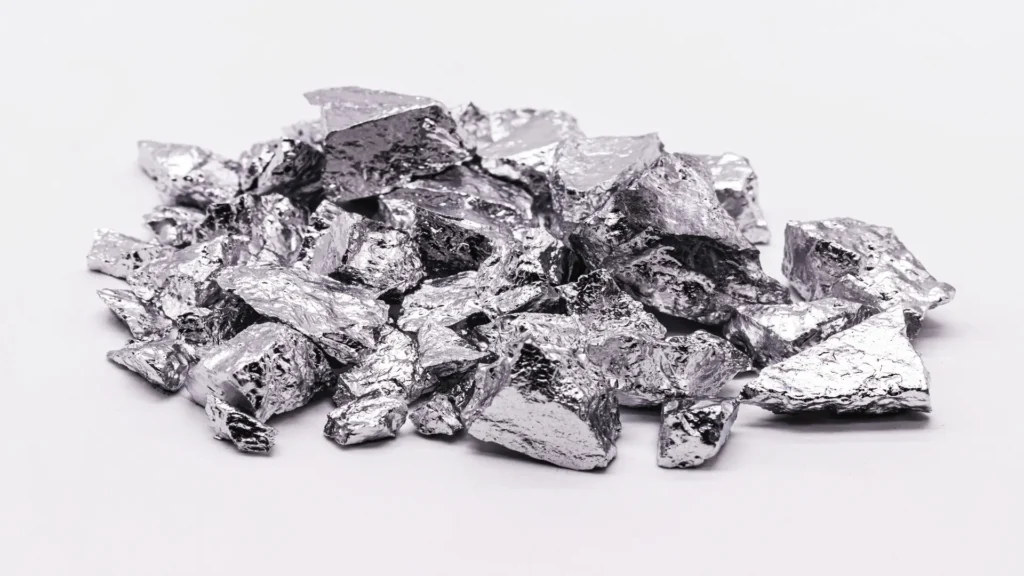
Inclusions affect the corrosion resistance of chromium alloys in industrial applications.
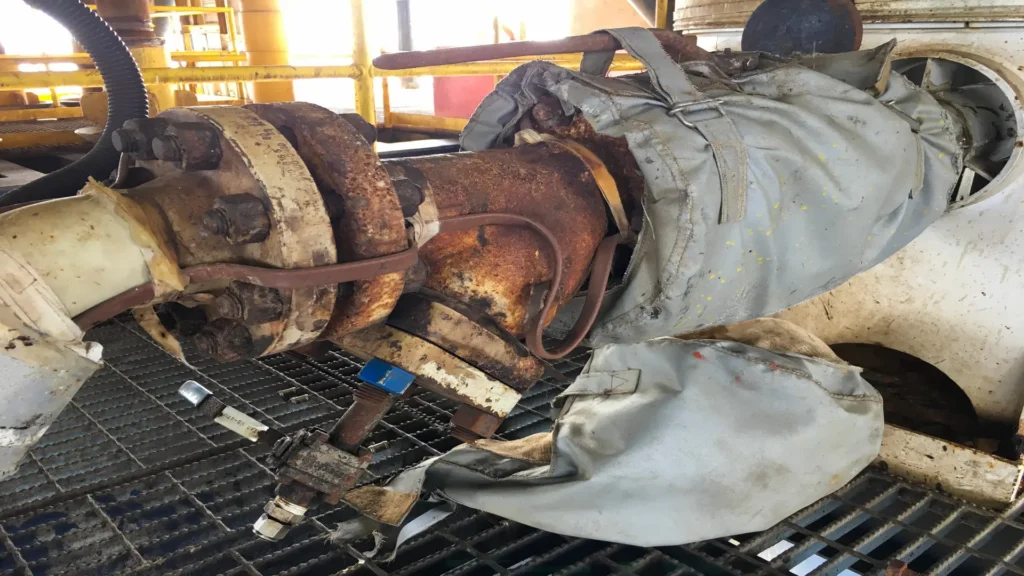
Protective coatings are necessary against corrosion under insulation (CUI), ensuring the integrity and operational safety of industrial equipment.

Although biomaterials offer environmental benefits, their implementation in developing regions faces economic and legal obstacles and cultural resistance to change.
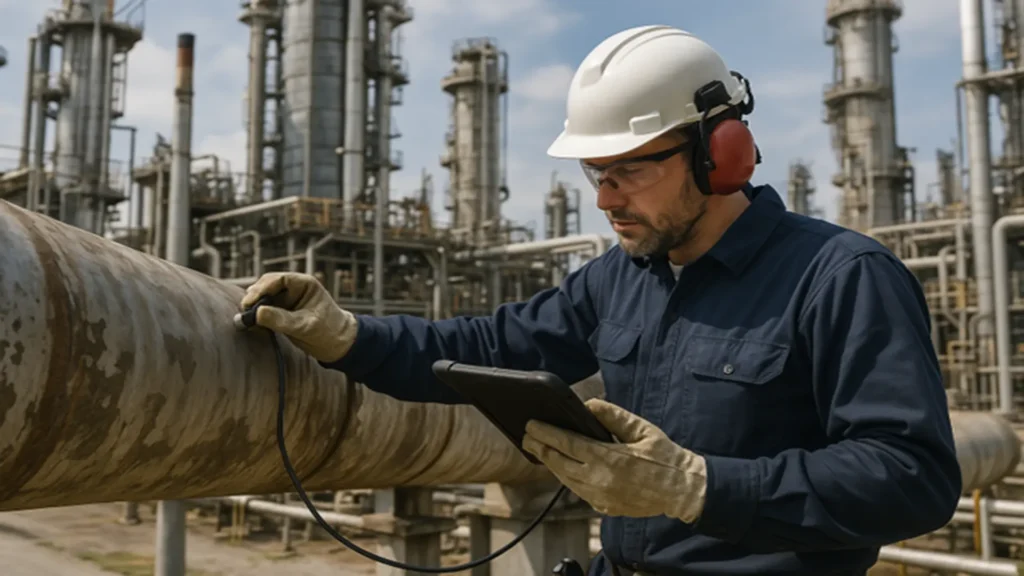
Structural integrity ensures safety, optimizes assets and prolongs service life in the industry.
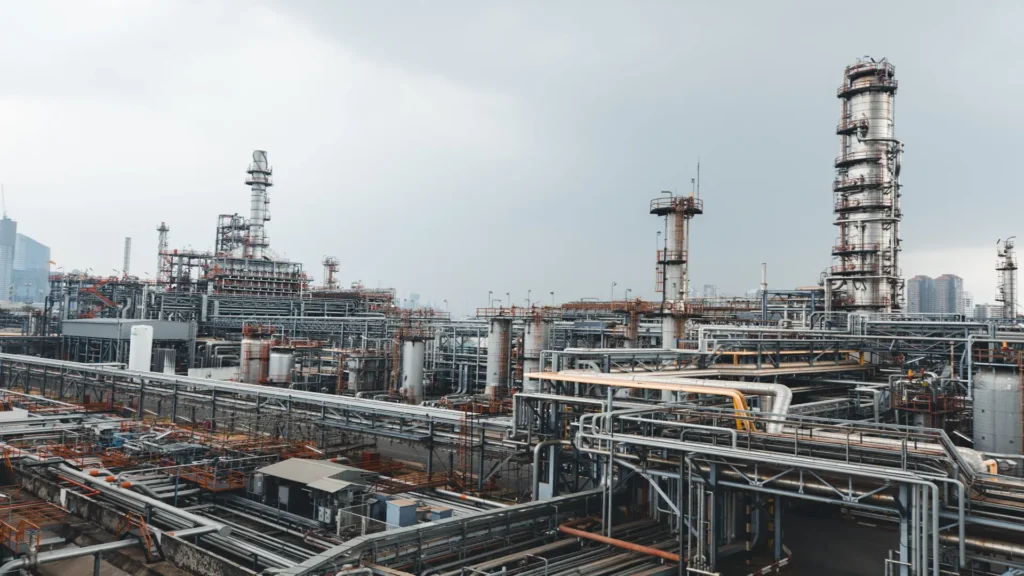
Filmogenic amines provide corrosion protection without physical coatings in aqueous systems.

As a critical technology, the mechanical seal prevents leakage under extreme conditions, improving the reliability of rotating equipment such as pumps, compressors and turbines.

Explore refractory materials that optimize efficiency, safety and durability in high-temperature boilers and furnaces.

In the era of Industry 4.0, industrial telemetry has become a mainstay in monitoring rotating equipment such as turbines and compressors.