
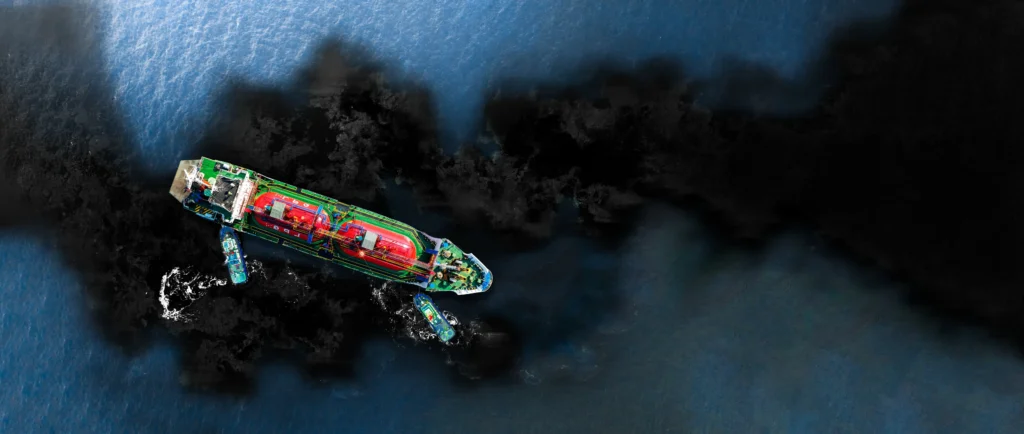
Global response and technical causes of oil spills
Spills continue to affect maritime safety and coastal ecosystems, requiring robust industrial preparedness and international technical cooperation to reduce operational impacts.
Spills continue to affect maritime safety and coastal ecosystems, requiring robust industrial preparedness and international technical cooperation to reduce operational impacts.
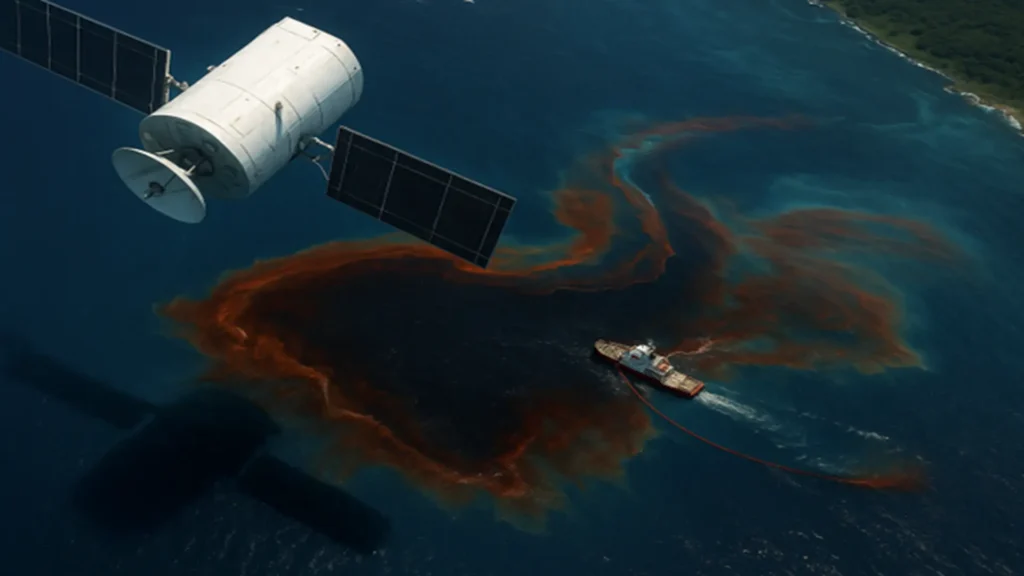
Technological cooperation helps reduce incidents through the exchange of capabilities, strengthening the prevention and mitigation of spills that affect ecosystems and human health.

A vision of the role of engineering and human talent in the safe and efficient operation of offshore platforms.

Integrating the SCRUM methodology to improve agility and effectiveness in project management, including the implementation of management systems.
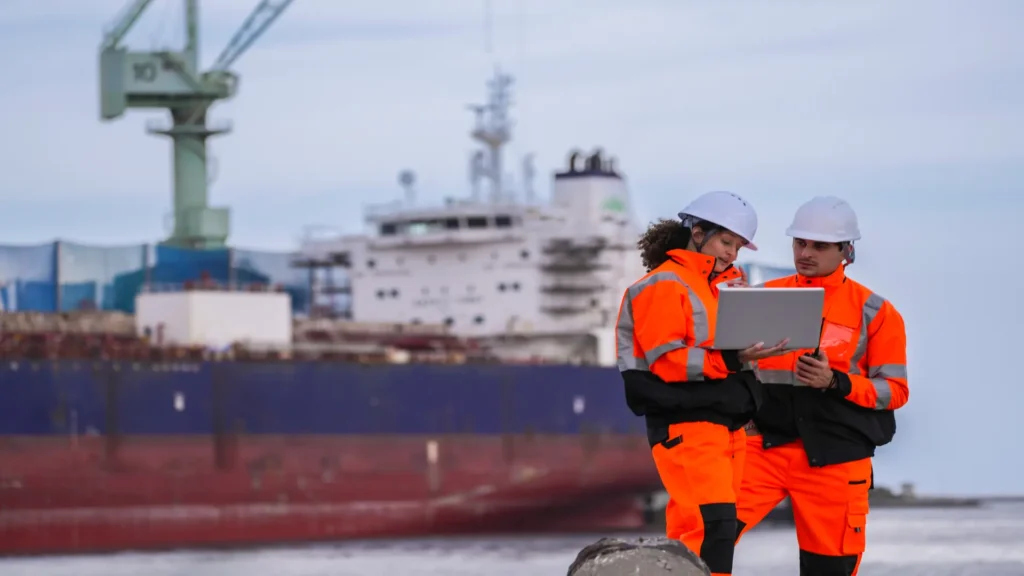
Zero Harm is a management approach that seeks to eliminate harm to people and the environment through a culture of prevention, risk analysis, and operational commitment.

How to integrate ISO 9001 and ESG criteria for sustainable, responsible, stakeholder-oriented quality management.
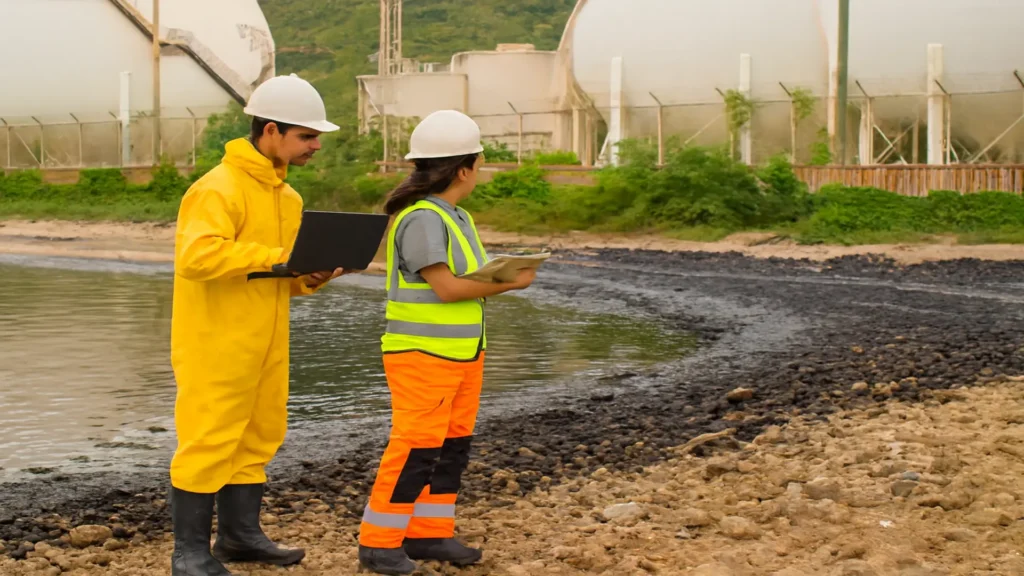
ISO 14001 promotes strategic environmental management, replacing reactive approaches with a preventive model that anticipates incidents and strengthens corporate sustainability.

How leadership, information and technical competencies influence failure prevention and what to do to strengthen safety.
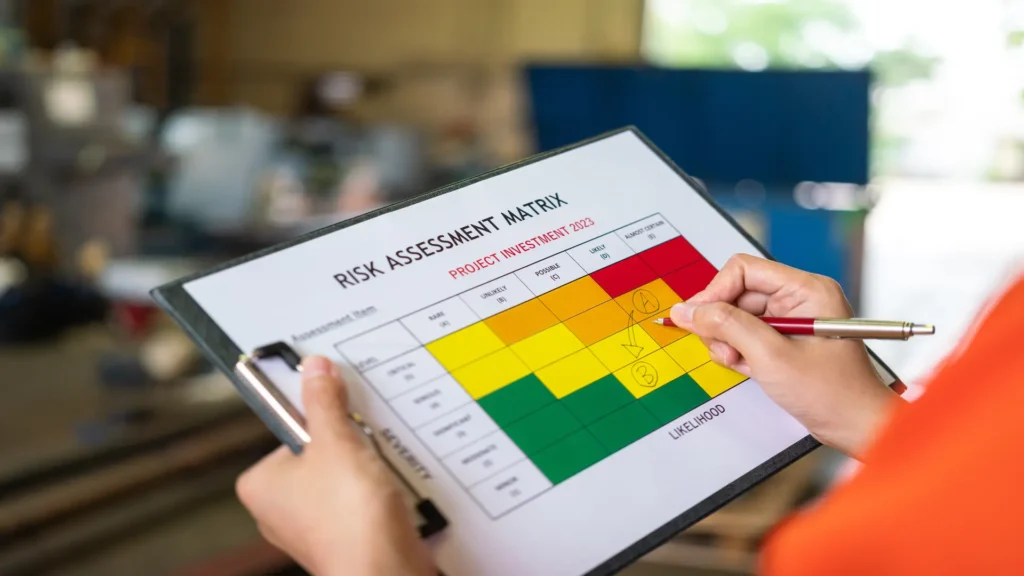
Explain the importance of risk management according to ISO 9001 in organizational excellence.
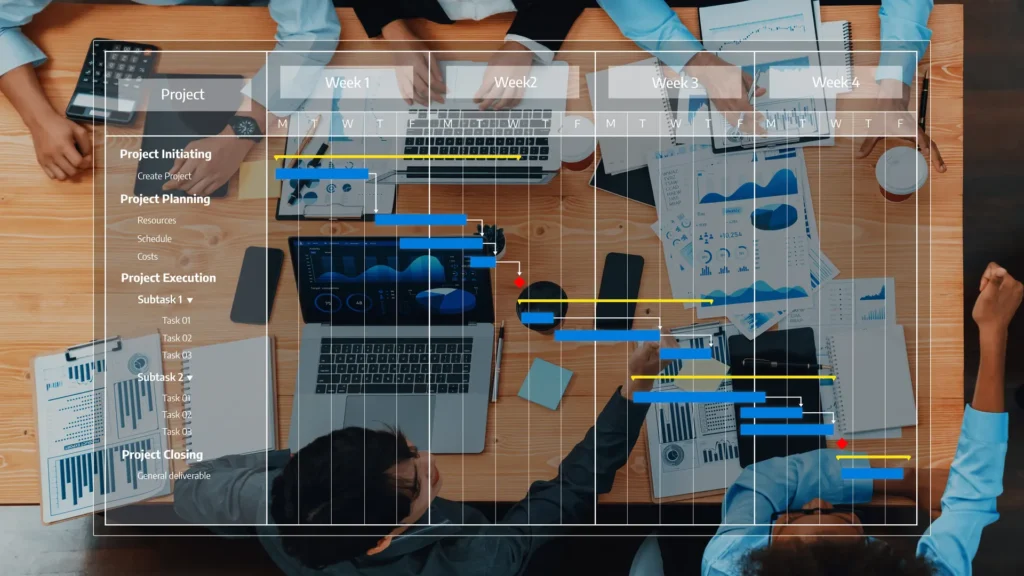
Discover what innovation project management, Design Thinking, and Scrum are all about.