

Culture of continuous improvement: Factor for organizational quality
The key objective to stand out in a competitive market is to promote continuous improvement and optimization of organizational processes.
The key objective to stand out in a competitive market is to promote continuous improvement and optimization of organizational processes.

Quality management ensures that an organization meets requirements through planning, control, and continuous improvement of processes and procedures.

Staff motivation and commitment to maintenance management determine the success and quality of the activities performed.

Quality is now a key strategic tool, adding value, building customer loyalty and improving competitive positioning in the market.
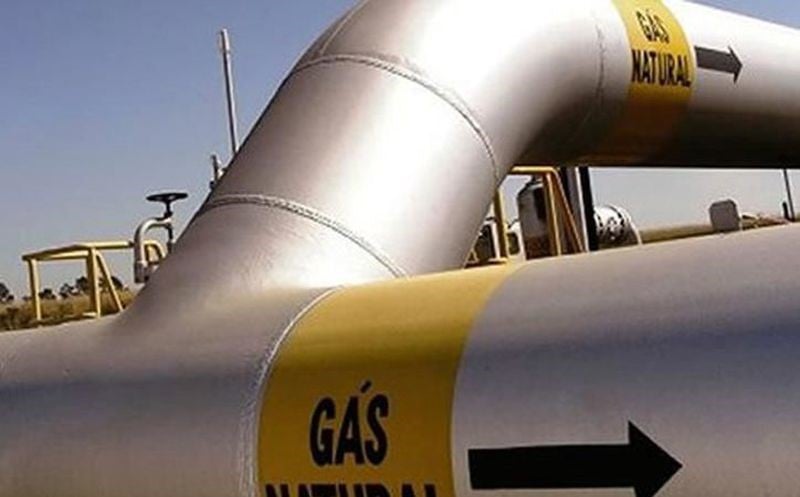
Pipeline safety management combines prevention, rapid response and modern technologies to mitigate risks and protect the environment.

Quality management is fundamental for the improvement and sustainability of organizations, directly promoting customer satisfaction.

Quality control, through specific tools, guarantees customer satisfaction by delivering impeccable products and services.

Liquid fuel storage presents significant environmental challenges that require attention and effective actions to mitigate their impact.

Quality management optimizes operational performance and minimizes risks in the supply chain, ensuring compliance and efficiency.

Oil spills reflect critical failures in safety and environmental management in the industry.