
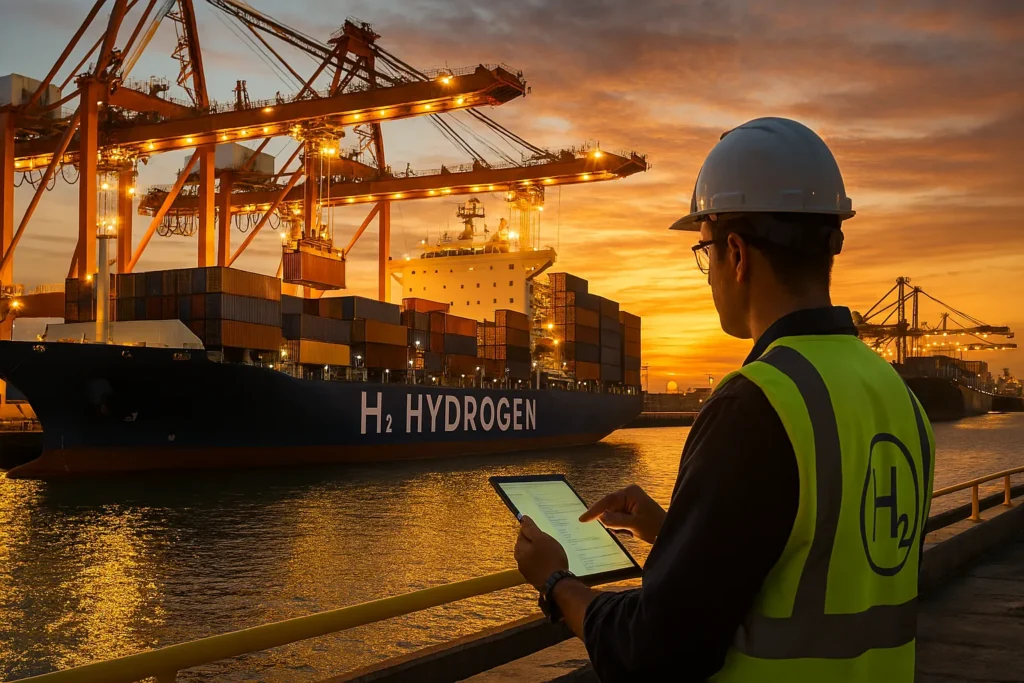
Maritime terminals: management and technology for clean fuels
The transition to clean fuels at maritime terminals depends on both technology and human management.
The transition to clean fuels at maritime terminals depends on both technology and human management.
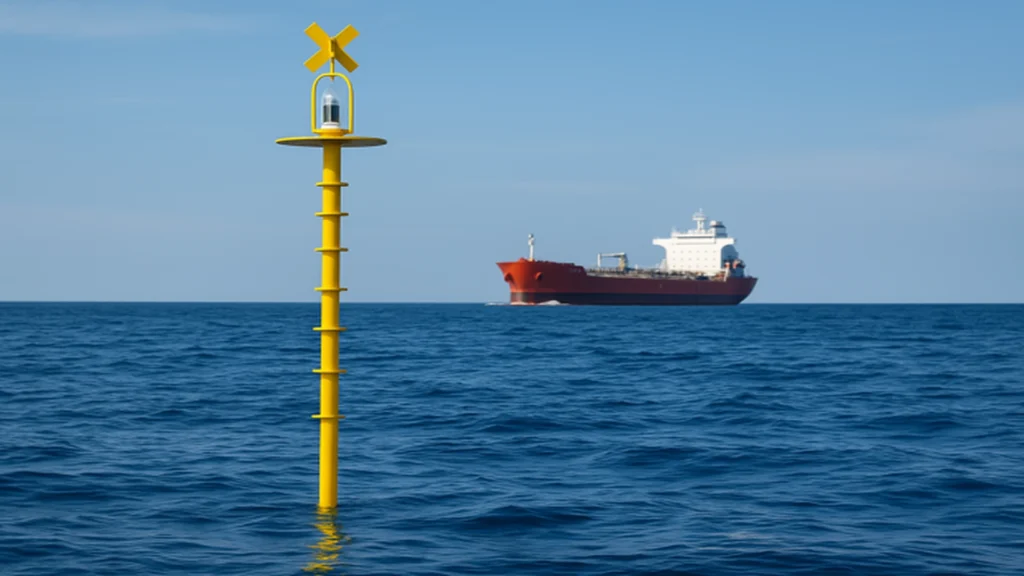
On maritime routes, articulated buoys improve stability, ensure accurate signaling, and reduce maintenance costs, guaranteeing safety in demanding operational environments.
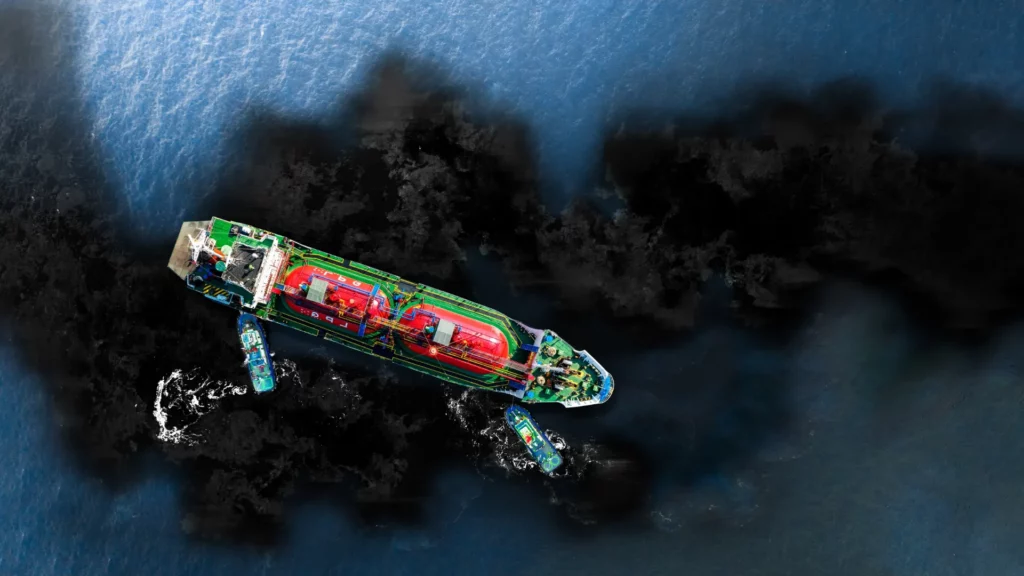
Oil spills pose a serious threat to marine ecosystems, causing devastating effects that can last for weeks or months.
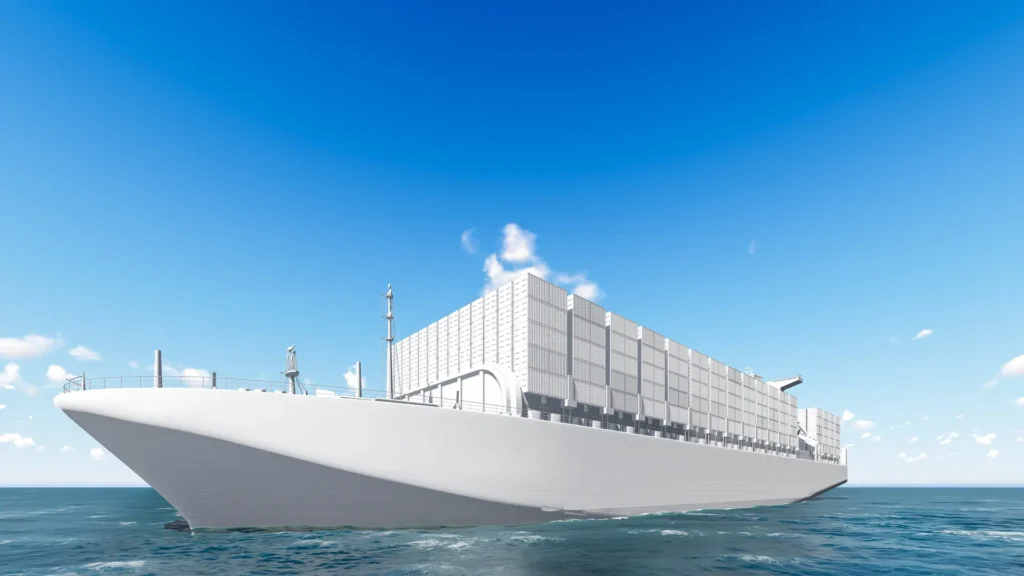
Autonomous ships are revolutionizing maritime transport, improving efficiency and reducing environmental impact.
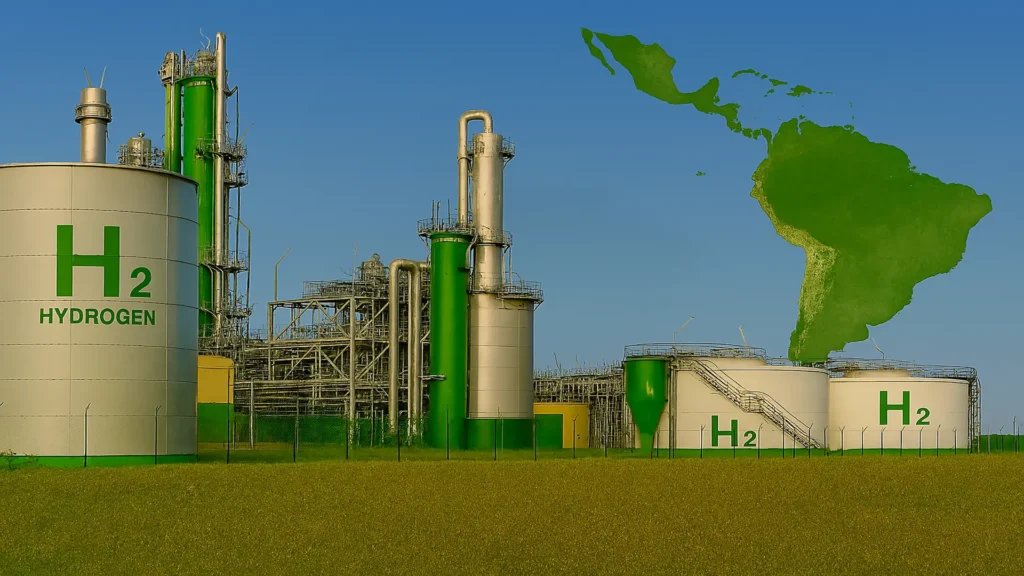
Latin America faces a strategic dilemma: become the epicenter of green hydrogen or give in to structural limitations.
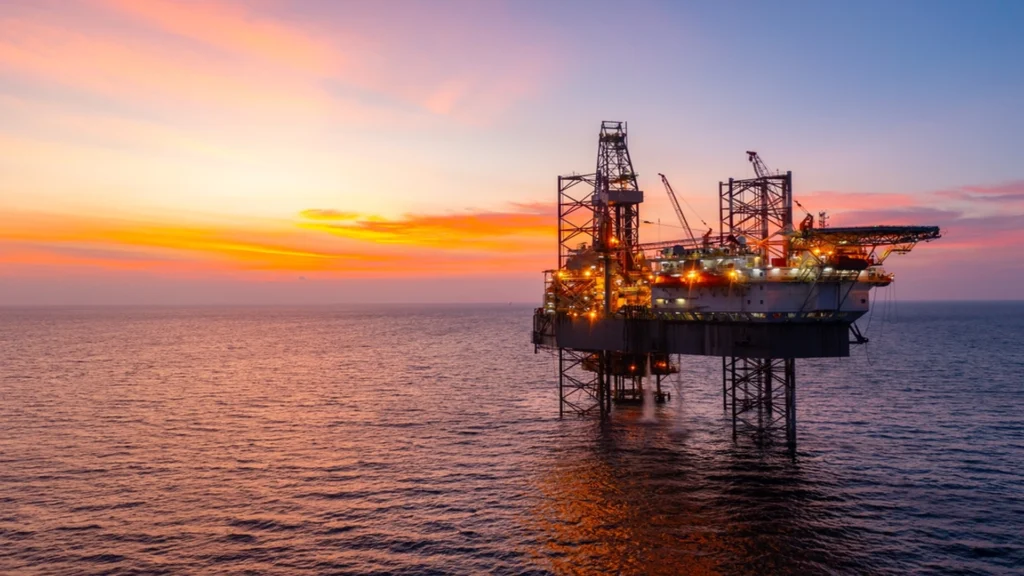
Offshore platforms are structures that, through advanced engineering, enable hydrocarbons to be extracted under certain conditions and sustain the energy supply that fuels the global economy.
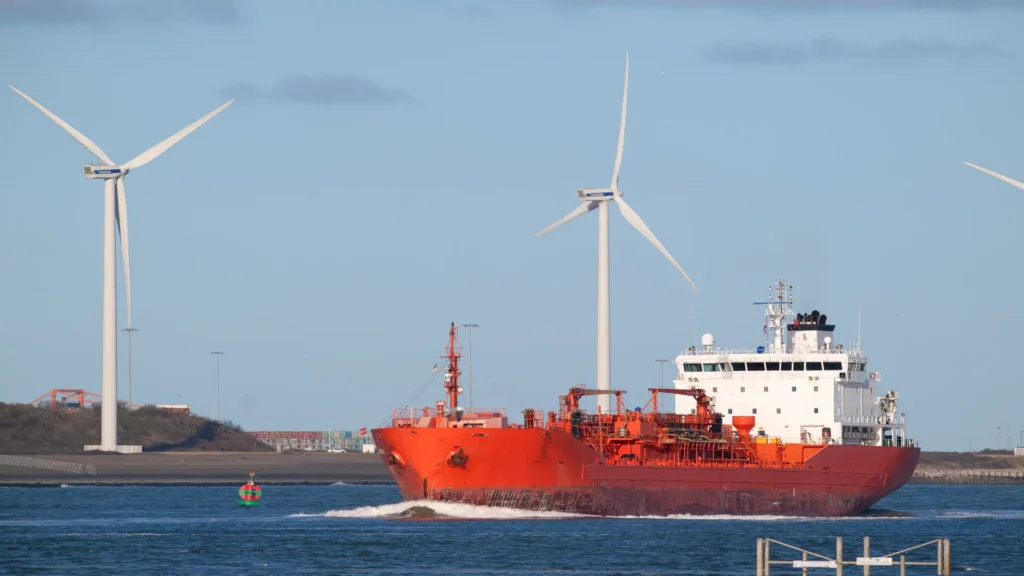
Advances in the integration of renewable energy in shipping is key to reducing emissions.
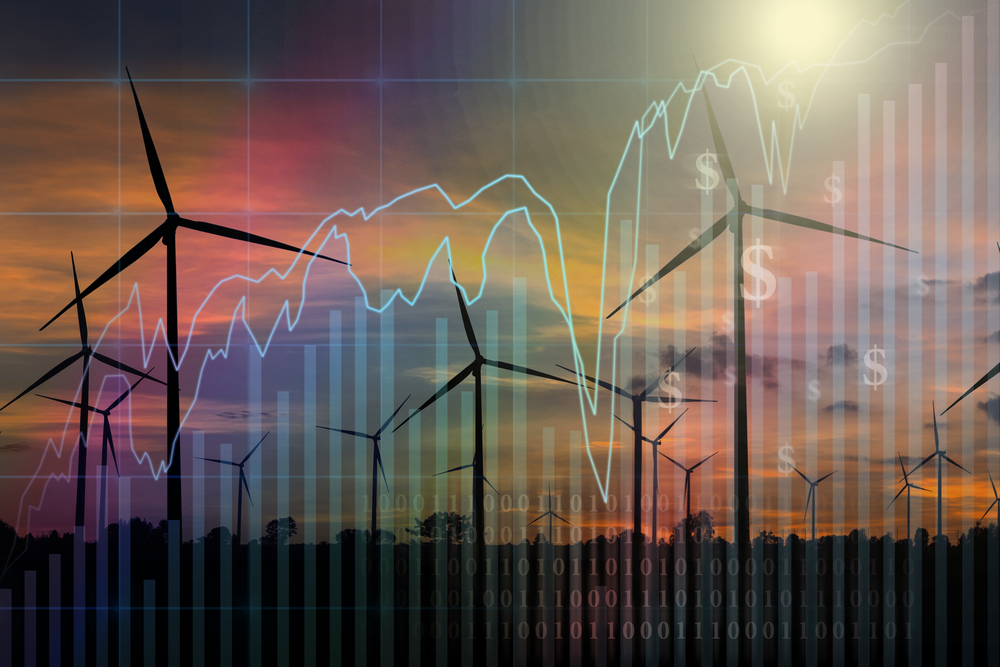
Application of AI, smart sensors and digital twins to optimize performance and asset availability in energy systems.
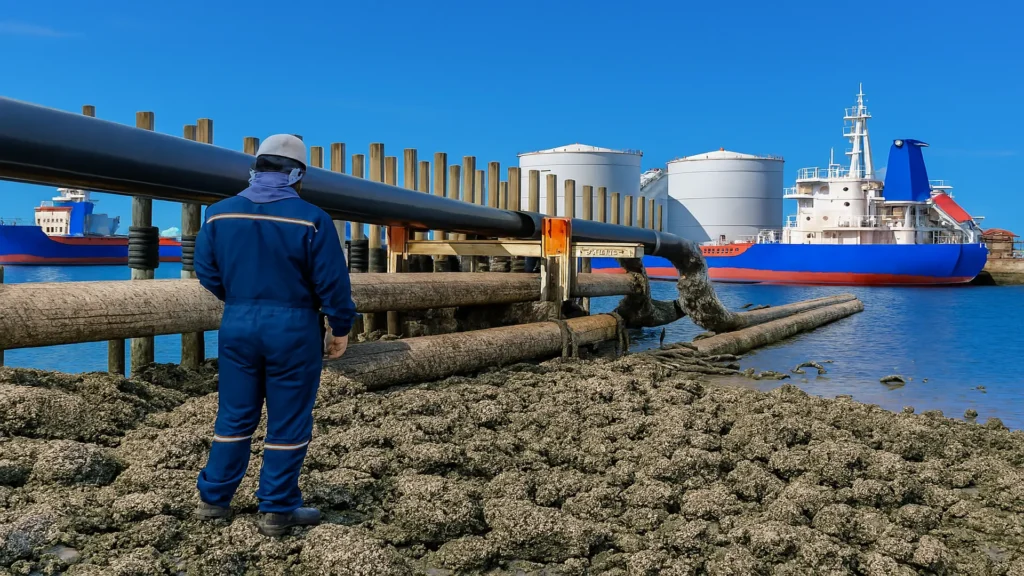
Pipeline inspection practices in light product terminals, focusing on integrity verification, operations safety, and maintenance strategies.
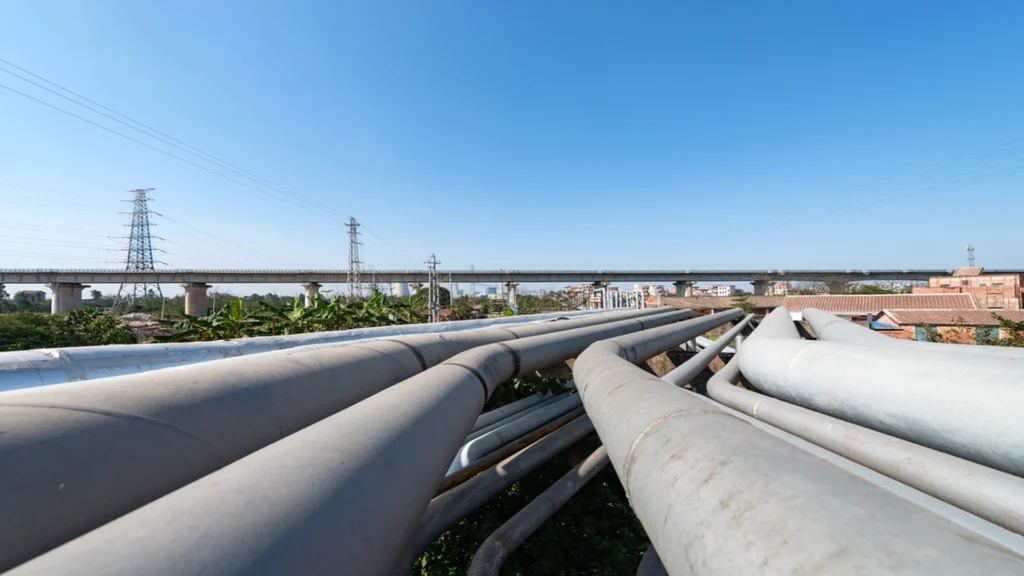
Pipeline failures due to poor monitoring and maintenance lead to outages, regulatory fines, and unplanned costs in industrial settings.