

Energy transition: Labor impact and new competencies
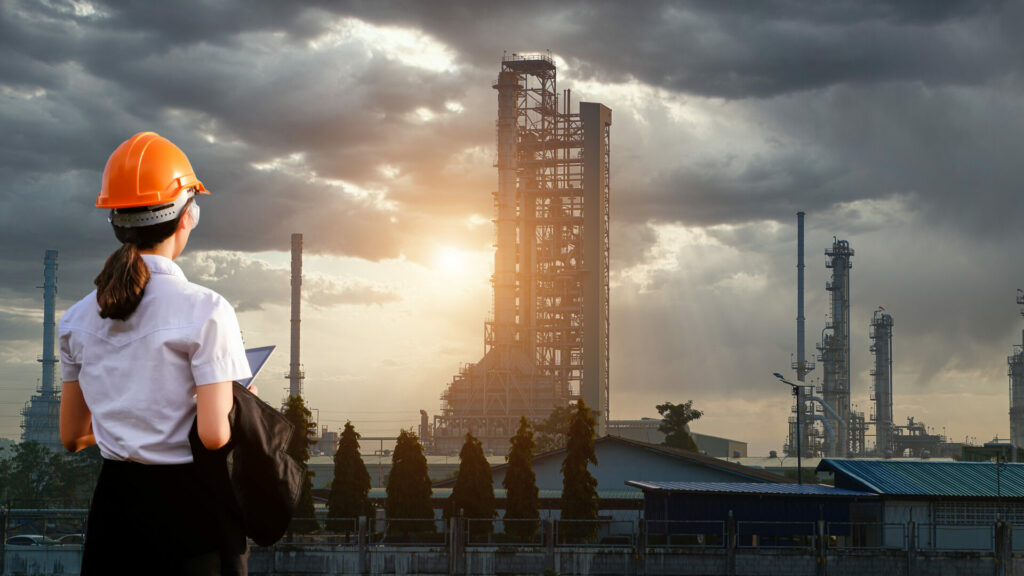
The energy transition transforms the labor market with new technical profiles and the adaptation of traditional sectors to new demands.
The energy transition transforms the labor market with new technical profiles and the adaptation of traditional sectors to new demands.
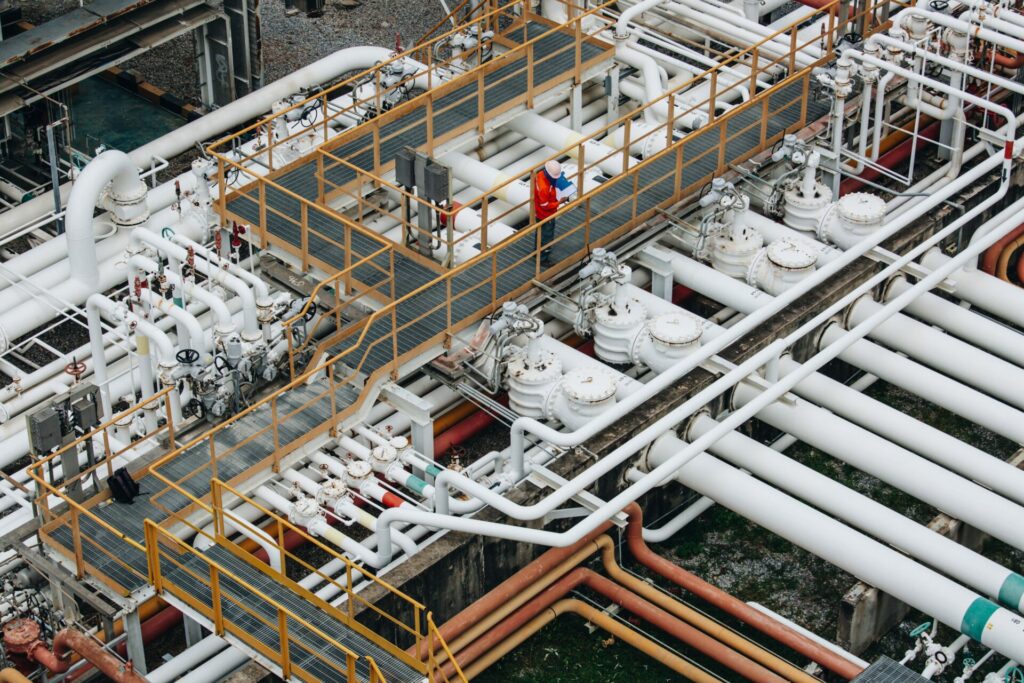
Integrity testing informs about the condition of the pipeline, guides maintenance and reduces downtime.
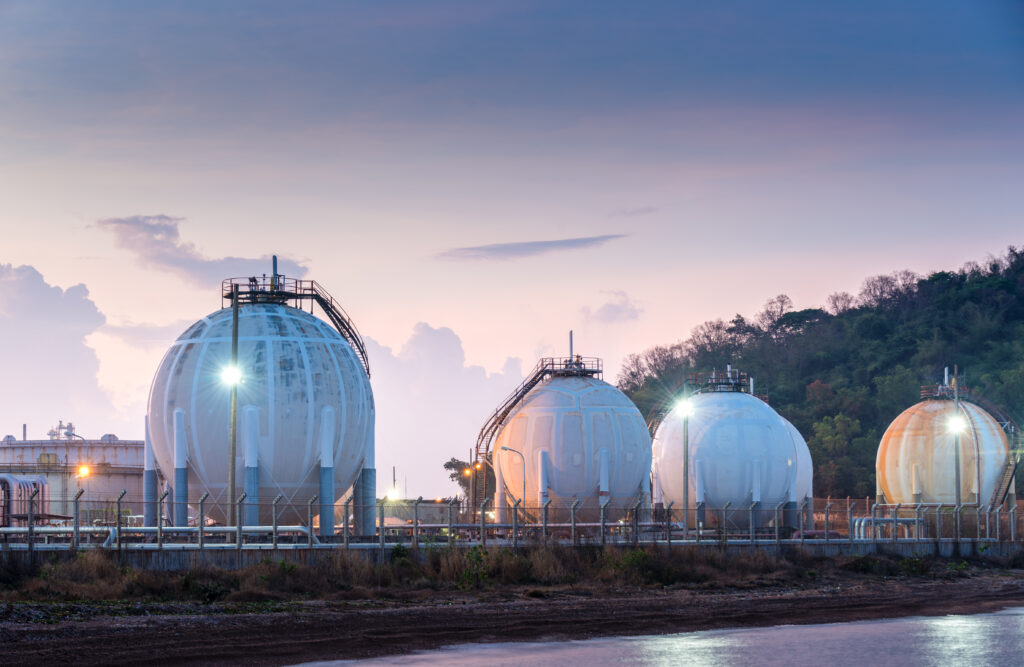
Each type of renewable gas is associated with a color that defines its origin, composition and function within the decentralized, low-carbon energy matrix.

Renewable energy investments combine profitability and environmental responsibility, shaping a sustainable energy future.

Regulatory changes and social pressure are driving a profound revision of business models to respond to energy and climate requirements.
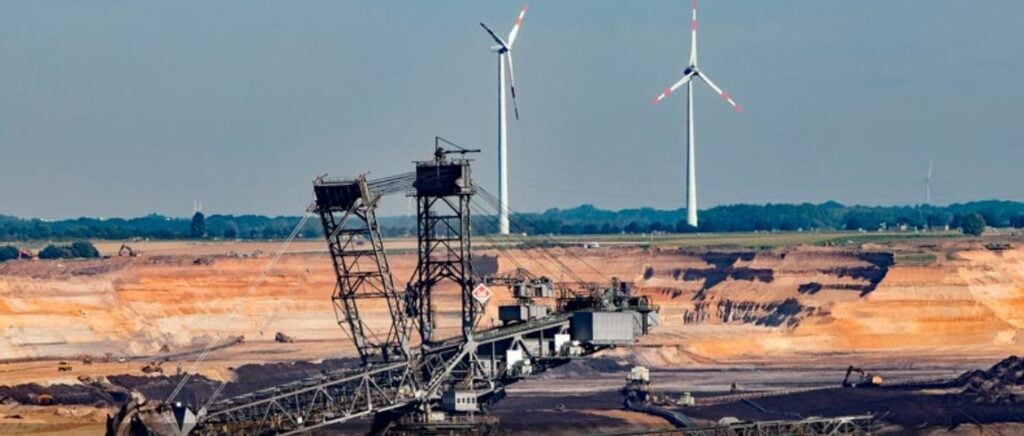
The mining industry is adopting renewable energy sources such as wind and solar to strengthen competitiveness and reduce dependence on fossil fuels.
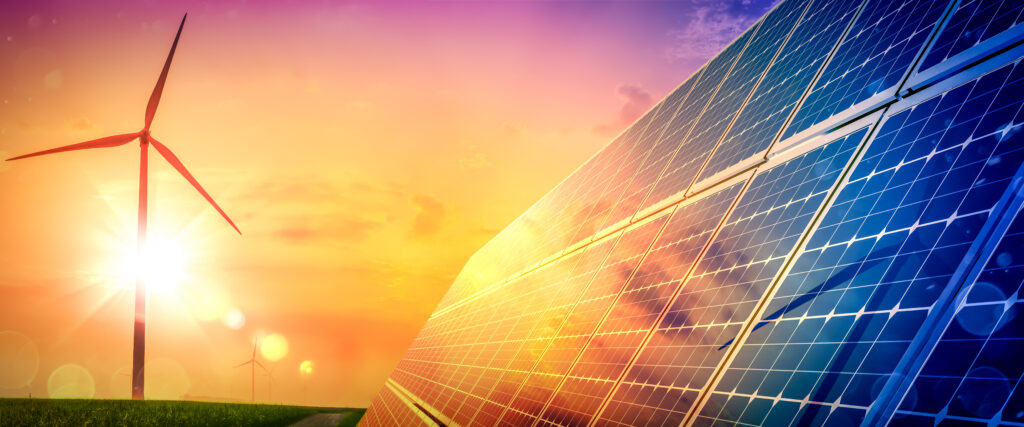
The energy transition continues to depend on fossil infrastructure to maintain stability and continuity in key industrial operations.

Companies are adopting circular models to reduce costs, reuse materials, and respond to regulatory demands in global industrial environments.
Reducing greenhouse gas emissions is crucial to avoid catastrophic consequences such as sea level rise and biodiversity loss.

Innovative technological solutions for more sustainable automation in modern industry.