During the NISTM 2025 event, Mark Frederick, Regional Sales Manager at Control South East (CSI) (a business unit of AMETEK), shared his experience in thermal design applied to industrial heating systems. His presentation addressed the challenges faced by plants that store materials such as sulfur, asphalt, and biofuels, and how a preventive engineering approach can make an operational difference.
CSI develops customized solutions to maintain highly viscous materials within precise temperature ranges, typically between 250 and 300 degrees Celsius. This condition is an operational necessity and also a critical defense against corrosion and the collapse of metal structures.
In facilities where compounds that need to remain fluid are handled, thermal control is essential. CSI designs external heating systems using carbon steel, which allow heat to be distributed evenly in tanks and lines, avoiding cold spots that can lead to accelerated corrosion.
As Mark Frederick explained, many industrial systems collapse prematurely due to poor design.
"There are solutions that can cause a tank to collapse after 15 years. We design to extend that life cycle as long as possible,"
Frederick said.
The global trend toward biofuels and low-carbon fuels represents an additional challenge. These materials, being denser or having different thermal characteristics, require specific adjustments to heating systems.
Frederick recommends redesigning systems when a product change could compromise the minimum operating temperature. A poorly adapted thermal design compromises efficiency and can also lead to critical failures, operational losses, or environmental impacts from leaks.
One of the strengths of CSI's proposal is its impact on long-term cost reduction. The systems they design minimize maintenance and prevent headaches related to steam, energy loss, or premature deterioration.
"If it's not designed well from the outset, you inherit years of corrective maintenance,"
said Frederick.
This approach also contributes to improved regulatory compliance, as it avoids problems arising from emissions or operating conditions outside parameters.
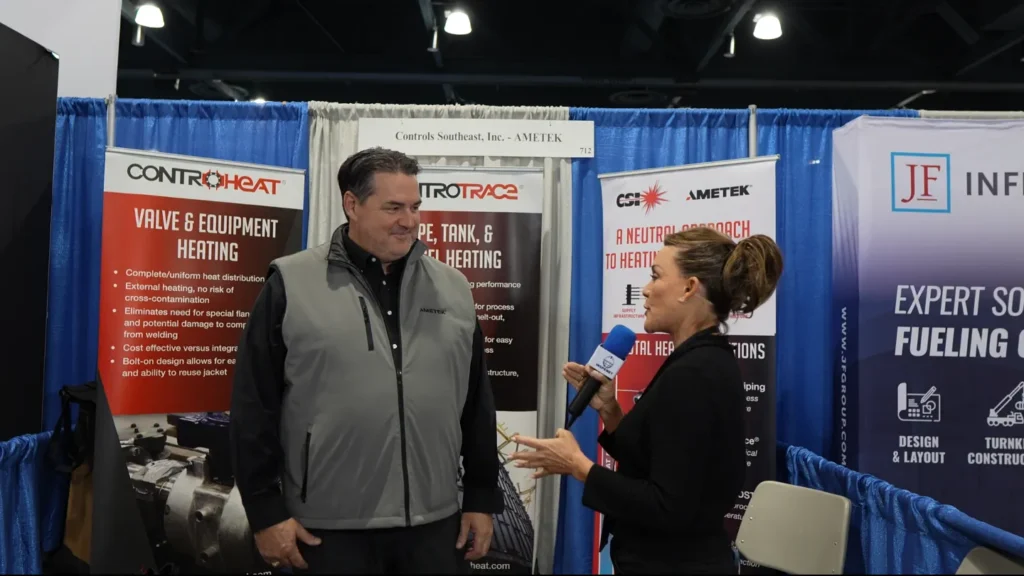
The system inspection process is not left until the end. CSI works together with tank manufacturers (OEMs) from the design phase, integrating itself into the construction planning and validating thermal solutions in advance. This allows the solutions to fit perfectly with the technical and physical requirements of the project, without the need for subsequent modifications.
A recurring theme in the sector is the lack of skilled labor; in Frederick's words, outside of regions like the Gulf Corridor, it is often difficult to find welders and technicians with experience in manufacturing tanks and thermal systems.
Given this situation, CSI has launched an internal training program at its manufacturing plant. There, the next generation of technicians, welders, and specialized installers are trained with the aim of strengthening the quality of field support and ensuring the correct execution of each system.
Mark Frederick's message during NISTM 2025 was clear: prevention starts with proper thermal design. In a context where materials change, costs rise, and mistakes can cost millions, working with robust solutions from the outset is the safest way to operate.
The approach of CSI, an AMETEK company, is not limited to selling products, but to delivering complete solutions that extend the life of assets, prevent unplanned downtime, and reduce each customer's operational footprint, a clear commitment to engineering as the basis for industrial efficiency.
For more content on NISTM 2025, visit our LinkedIn profile.
Source: Inspenet.